
107 East Village Terrace, Woodland Park, CO 80863
For more information about senior living options: (866) 208-4318
Overall Review of The Aspen
Pros
 The Aspen provides 24/7 care, giving families peace of mind.
- The care, staff, and food are described as the absolute best.
- The environment is phenomenal and the owners are caring.
- Melissa is amazing as a contact person for visits.
- Steven is personable, caring, kind, genuine, compassionate, and authentic, and treats residents like family.
- The staff are amazing—caring, helpful, and patient.
- The owners Ron and Carole love what they do, and their dedication is evident.
- The COVID protocols are effective, with creative ways to still interact with residents.
- The Aspen makes families feel their loved ones are safe, happy, and content.
Cons
 They had a terrible experience.
- The staff lacked dementia training.
- There was a real lack of communication with management.
- There was very high staff turnover.
- The caregivers gossiped about other residents in front of family members.
- They were not prepared for emergencies.
- Any and all complaints received the same response: you can take your family member elsewhere.
Review
The Aspen in Woodland Park is best suited for families seeking a warm, hands-on care environment where a small, closely connected team delivers daily attention with a personal touch. Residents who thrive on regular interaction with caregivers, meaningful activities, and a home-like setting tend to flourish here. The presence of owners who visibly support staff and a culture of genuine concern can translate into steady, heartfelt care for those needing 24/7 supervision. For seniors who are receptive to, and cared for by, staff who remember names, routines, and preferences, this community offers a reassuring sense of safety and belonging that can be harder to find in larger facilities.
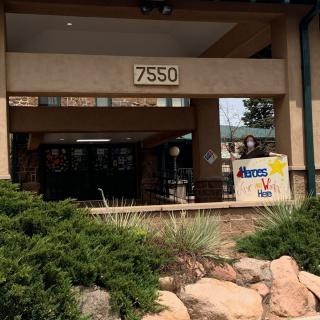
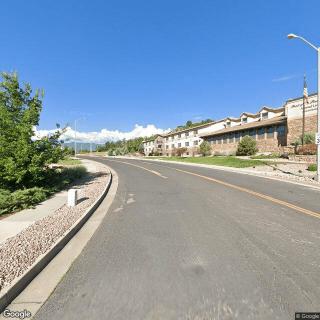
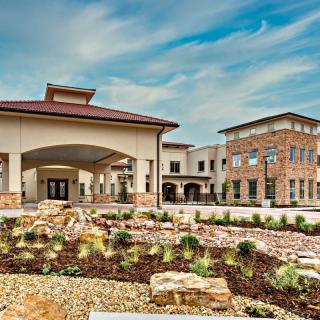
On the flip side, The Aspen may feel less suitable for families that prioritize formal dementia specialization, standardized care protocols, or highly predictable staffing patterns. Several accounts underscore gaps in dementia training, frequent staff turnover, and inconsistent communication with management. For residents who require careful, consistent management of behavioral or cognitive symptoms, the risk of variability can be a real concern. Additionally, outdoor spaces and the overall maintenance appear to be uneven, which can translate into a sense of neglect for those who value an outwardly well-kept campus. Families sensitive to these issues may want to compare other options more rigorously.
Yet the strongest advantages are tangible and contagious. When the right caregivers are in place, especially staff who demonstrate patience, kindness, and real affection for residents, the care experience can feel transformative. Positive testimonials highlight caregivers who treat residents like family, deliver compassionate interaction, and maintain high-quality meals and engaging activities. The presence of owners who are actively involved reinforces trust and continuity, and the ability to support pet visits shows a level of program flexibility that matters to some residents. In cases where relationships with dedicated staff are established, families report a deep sense of safety, contentment, and daily satisfaction for their loved ones.
However, the negatives cannot be dismissed. Reports of staff gossip, unprofessional behavior, and poor communication with management raise legitimate concerns about the care culture and escalation channels. The combination of high turnover and uneven training can undermine consistency, leaving families wondering who is caring for their relative from shift to shift. Outdoor maintenance lapses and a lack of readiness for emergencies are practical red flags that affect safety and quality of life. While some residents thrive, others may experience confusion or anxiety if expectations about care plans, response times, and daily routines are not clearly met and reinforced.
To decide if The Aspen fits, prospective families should insist on concrete assurances. Request turnover data, staff training plans focused on dementia care, and examples of how care plans are communicated and updated. Inquire about emergency procedures, maintenance schedules for outdoor areas, and opportunities for family input into activity planning. If possible, arrange unannounced visits during activities, meet direct caregivers, and speak with current residents or family members about daily rhythms and responsiveness. A trial period or a carefully structured visit can reveal whether the personal warmth translates into reliable, consistent care.
As a practical verdict, The Aspen can be an excellent fit for families prioritizing warmth, personal attention, and a home-like routine, especially when the resident connects with a few standout caregivers and the owners’ hands-on approach. It is less well suited for those who require rigorous dementia-focused programming, highly standardized processes, or rock-solid management communication. For such families, exploring other options with more explicit dementia training, stronger staffing consistency, and clearer escalation protocols is prudent. The key is to visit with questions in hand, observe the caregiver-resident dynamic, and align expectations with what the community can reliably deliver.
 24 resident community capacity
 Assisted Living
 Air-conditioning
 Beauty salon
 Cable or satellite TV
 Dining room
 Fitness room
 Fully furnished
 Gaming room
 Garden
 Housekeeping services
 Kitchenette
 Located close to shopping centers
 Move-in coordination
 Outdoor patio
 Outdoor space
 Pet friendly
 Private bathrooms
 Small library
 Telephone
 Wi-Fi/high-speed internet available
 City of Colorado Springs Muni (23 miles away)
 Transportation arrangement
 24-hour call system
 Accept incoming residents on hospice
 Activities of daily living assistance
 Assistance with bathing
 Assistance with dressing
 Assistance with transfers
 Diabetes diet
 Meal preparation and service
 Medication management
 Mental wellness program
 Mild cognitive impairment
 Preventative health screenings
 Respite program
 Same day assessments
 Special dietary restrictions
 Transportation arrangement (medical)
 Concierge services
 Planned day trips


 Understanding the Distinctions: Assisted Living and Memory Care Explained
 Guiding Elderly Parents Who Refuse Assisted Living: 6 Practical Steps
 Your Comprehensive Guide to Luxury Assisted Living: Elevated Facilities, Amenities, and Costs