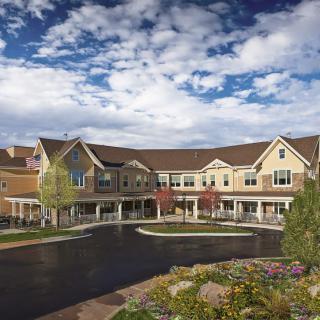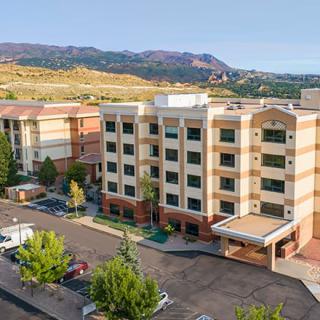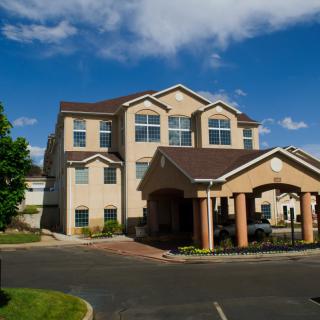
The Aspen at Woodland Park

Save
The Aspen at Woodland Park

The Aspen at Woodland Park

107 Village Terrace, Woodland Park, CO 80863

For more information about senior living options: (844) 490-3973

3.7 from 6 reviews
5 stars
4
4 stars
0
3 stars
0
2 stars
0
1 stars
2

Assisted Living

The Aspen at Woodland Park Costs & Pricing

The Aspen at Woodland Park offers competitive pricing in comparison to the broader regional landscape of Teller County and Colorado for its residential options. With a semi-private room priced at $2,900 per month, residents enjoy significant savings compared to the county average of $4,481 and the state average of $4,009. For those seeking more privacy, the studio units are available at $4,000 monthly, which again positions The Aspen favorably against the local and state costs of $5,009 and $4,090 respectively. This cost structure reflects The Aspen's commitment to providing quality care while ensuring affordability for its residents in a burgeoning community.

Floor plansThe Aspen at Woodland ParkTeller CountyColorado
Semi-Private$2,900$4,481$4,008
Studio$4,000$5,009$4,088

What level of care are you interested in?

Assisted Living

Memory Care

Independent Living

Skilled Nursing Facility

Continuing Care Retirement Community (CCRC)CCRC

Other


Request a tour at The Aspen at Woodland Park

    Overall Review of The Aspen at Woodland Park

    Pros

    • pro The facility offers the absolute best care, best staff, and best food, with a phenomenal environment and caring owners.
    • pro Melissa is amazing, and Steven is a star - personable, caring, kind, genuine, compassionate, and authentic.
    • pro Steven cares for residents as if they were his own family, and the residents love him.
    • pro The staff are amazing - caring, helpful, and patient, and the owners' dedication is evident.
    • pro The Aspen provides 24/7 care, giving families peace of mind.
    • pro The COVID protocols are effective, and the staff find creative ways to keep residents engaged.

    Cons

    • pro They had a terrible experience.
    • pro The staff lacks dementia training.
    • pro There was a real lack of communication with management.
    • pro There was very high staff turnover.
    • pro The caregivers gossip about other residents in front of family members.
    • pro The staff were very unprofessional.
    • pro The outdoor areas are neglected.
    • pro They are not prepared for emergencies.
    • pro Any and all complaints receive the same response: you can take your family member elsewhere.

    Review

    The Aspen at Woodland Park is best suited for families seeking a warm, hands-on, home-like senior living environment in Woodland Park, with around-the-clock care and a leadership team that visibly cares about residents. This community appeals to those who value personal connections with caregivers and the sense that staff will go the extra mile for daily activities, meals, and meaningful interaction. It works particularly well for families who want to see owners and frontline staff openly engaged, and who can tolerate some variability in staffing as long as there are standout caregivers who form trusted bonds with residents.

    Conversely, those who require unsurpassed dementia-specific expertise, relentlessly consistent staffing, and spotless operational transparency should consider alternatives. The reviews flag several red flags: a perceived lack of dementia training, frequent staff turnover, and occasional unprofessional behavior such as staff gossip that can erode trust with families. Communication gaps with management, a sense that complaints are not handled constructively, and questions about emergency readiness further push some families toward other options. Outdoor maintenance lapses also surface as a quality-of-life concern for residents who value a well-kept environment.

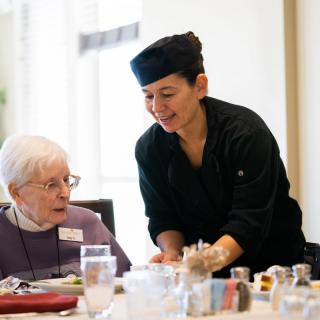
    The strongest positives center on genuine caregiving warmth and daily life that feels lived-in and supportive. Families reported 24/7 care that brings real peace of mind, with staff described as caring, patient, and committed. The owners' involvement is repeatedly cited as a meaningful differentiator, showcasing a culture of attentiveness from top to bottom. Individual staff members emerged as standout champions - pet therapy coordinators and front-line assistants who interact with residents as if they were family. Activities - exercise classes, performance piano, Bible study, painting - along with regularly enjoyed meals contribute to a sense of normalcy and engagement that many families seek.

    Yet, the set of drawbacks cannot be dismissed. The most tangible risks relate to consistency and reliability: turnover can disrupt continuity of care, and when communication with management stalls, opportunities to address concerns or tailor care plans may feel constrained. The reported gaps in dementia-focused training matter most when cognitive needs intensify or when behavior management becomes central to daily routines. Outdoor areas being described as neglected and questions around emergency preparedness also touch on safety and quality of life, particularly for residents who spend a good portion of the day outside or who rely on well-practiced, clear protocols in emergencies. In short, the positives offer real daily value, but the negatives have the potential to undermine trust over time.

    There is a practical balance to strike: the Aspen can offset many concerns for families who prioritize heartfelt interactions, strong personal connections, and a reassuring sense of daily rhythm under attentive ownership. When caregivers demonstrate authentic warmth and residents form bonds with particular staff members, the emotional and social benefits can be substantial, making daily life significantly more fulfilling. However, for families whose decision hinges on flawless dementia care, predictable operations, and consistently high maintenance standards, the current gaps can overwhelm the positives. The decision hinges on risk tolerance and the comfort level with ongoing oversight to ensure care plans stay precise, communication remains transparent, and environmental upkeep improves steadily.

    A deliberate, action-oriented approach is recommended. Prospective residents and their families should schedule in-depth tours focused on staff-to-resident ratios, dementia training protocols, and how the team handles behavior management. Ask to speak with several caregivers and residents about consistency, responsiveness, and how complaints are resolved. Request a concrete maintenance schedule for outdoor areas and a current emergency readiness plan, including drills and staff assignments. Seek recent references beyond online impressions and observe the tone of interactions in real-time. If warmth, engagement, and a visible, caring leadership team align with needs - and if ongoing oversight and a plan to strengthen training and operations are acceptable - The Aspen can be a compelling choice. If not, exploring alternatives with deeper dementia expertise, steadier staffing, and more consistent management communication will likely yield greater long-term alignment.

    Features

    Types of Care

    • Assisted Living Assisted LivingAssisted living facilities provide crucial support and care for seniors who may need help with daily tasks such as medication management, bathing, and meal preparation. These communities offer a safe and comfortable environment where seniors can maintain their independence while receiving the assistance they need to thrive in their golden years.

    Pets

    • Cats allowed Cats allowed"Pet friendly" senior living communities are important for seniors because pets provide companionship, reduce feelings of loneliness and depression, promote physical activity and mental stimulation, and offer a sense of purpose and responsibility. Pets can improve overall well-being and quality of life for seniors in many ways.
    • Dogs allowed Dogs allowed"Pet friendly" senior living communities are important for seniors because pets provide companionship, reduce feelings of loneliness and depression, promote physical activity and mental stimulation, and offer a sense of purpose and responsibility. Pets can improve overall well-being and quality of life for seniors in many ways.

    Amenities

    • Activities off-site Activities off-siteEngaging in off-site activities is crucial for seniors to maintain social connections, stay active, and stimulate their minds. It promotes overall well-being and helps combat feelings of isolation and loneliness.
    • Activities on-site Activities on-siteActivities on-site are important for seniors because they provide opportunities for socialization, mental stimulation, physical activity, and overall well-being. Engaging in activities can help seniors stay active, maintain their independence, and improve their quality of life.
    • Air-conditioning Air-conditioningAir conditioning is important for seniors as they are more vulnerable to heat-related illnesses and may have underlying health conditions that make it difficult for them to regulate their body temperature. It helps to keep them comfortable, safe, and healthy in hot weather.
    • Beautician on-site Beautician on-siteHaving a beautician on-site at a senior living community is important for seniors as it allows them to easily access grooming and personal care services, boosting their self-esteem and overall well-being. It also provides convenience and helps seniors maintain their sense of independence and personal style.
    • Cable or satellite TV Cable or satellite TVCable or satellite TV is important for seniors because it provides entertainment, news, and companionship, helping to combat loneliness and boredom. It also offers a wide range of programming options tailored to different interests and preferences.
    • Devotional services off-site Devotional services off-siteDevotional services off-site are important for seniors as they provide spiritual nourishment, social engagement, and a sense of community outside of the senior living facility. This can enhance overall well-being and help combat feelings of isolation and loneliness often experienced by older adults.
    • Ground floor units Ground floor unitsGround floor units are important for seniors because they provide easy accessibility, reduced risk of falls and injuries, and convenience for those with mobility issues. Seniors can avoid climbing stairs or using elevators, making daily tasks and activities more manageable and enjoyable.
    • Indoor common areas Indoor common areasIndoor common areas are crucial for seniors as they provide a space for socialization, recreation, and community engagement, promoting overall well-being and reducing feelings of isolation and loneliness.
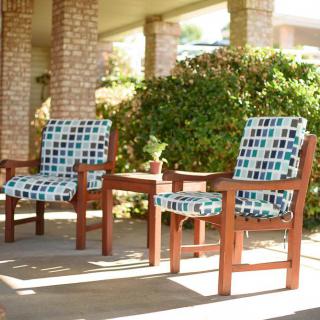
    • Outdoor common areas Outdoor common areasOutdoor common areas are important for seniors as they provide a space for socialization, physical activity, and relaxation. Being outside in nature can improve mood and overall well-being, while also encouraging movement and engagement with others. These spaces can help combat feelings of isolation and promote a sense of community among residents.
    • Wheelchair accessible showers Wheelchair accessible showersWheelchair accessible showers are crucial for seniors as they provide a safe and independent bathing option for those with mobility challenges. These showers help prevent falls and allow seniors to maintain their dignity and autonomy while ensuring they can bathe comfortably.
    • Wi-Fi/high-speed internet available Wi-Fi/high-speed internet availableWi-Fi/high-speed internet is important for seniors to stay connected with loved ones, access online resources, and participate in virtual activities to combat feelings of loneliness and isolation. It also allows them to easily manage healthcare needs, access entertainment, and engage in lifelong learning opportunities.

    Transportation

    • City of Colorado Springs Muni (21 miles away) City of Colorado Springs Muni (21 miles away)

    Care Services

    • Ambulatory care Ambulatory care"Ambulatory care services provide essential medical support and treatment to seniors without requiring hospitalization, allowing them to maintain their independence and quality of life while managing chronic conditions or receiving routine medical care."
    • Incontinence care Incontinence careIncontinence care is essential for seniors to maintain their dignity, hygiene, and overall quality of life. By addressing incontinence issues promptly and effectively, seniors can enjoy a sense of independence and comfort in their daily activities.
    • Medication management Medication managementMedication management is crucial for seniors to ensure they are taking the right medications at the correct dosages and times. This helps prevent adverse drug interactions, reduces the risk of medication errors, and promotes overall health and well-being. Proactive management also allows for adjustments as needed based on changing health conditions or new prescriptions.

    Dining

    • Anytime dining Anytime diningAnytime dining is important for seniors because it allows them the flexibility to eat when they are hungry, rather than being restricted to set meal times. This can be especially beneficial for those with medical conditions or medications that affect their appetite, as well as those who may have difficulty adhering to a strict dining schedule. Overall, anytime dining promotes independence and overall well-being for seniors in senior living communities.
    • Gluten-free Gluten-freeGluten-free options are important for seniors as they are more prone to digestive issues and dietary sensitivities. Offering gluten-free meal choices in senior living communities can help improve their overall health and well-being.
    • Guest meals Guest mealsGuest meals are important for seniors living in senior living communities because they provide an opportunity for socialization and companionship. Sharing a meal with friends, family, or new acquaintances can help combat feelings of loneliness and isolation, promote a sense of community, and enhance overall well-being. Additionally, guest meals allow seniors to enjoy delicious food in a comfortable setting without the hassle of cooking or cleaning up, making dining a pleasurable and stress-free experience.
    • International cuisine International cuisineInternational cuisine is important for seniors because it offers a variety of flavors, ingredients, and cultural experiences that can help keep their meals interesting and enjoyable. Trying new dishes can also stimulate the senses and provide different nutrients that contribute to overall health and well-being. Additionally, exploring international cuisine can bring back fond memories of travels or childhood experiences, making mealtime more nostalgic and fulfilling for seniors.
    • Low / no sodium Low / no sodiumLow/no sodium options are important for seniors because excessive sodium intake can lead to high blood pressure, heart disease, and other health issues commonly experienced by older adults. By choosing low/no sodium foods, seniors can better manage their health and reduce their risk of developing these conditions.
    • Meals provided Meals provided"Meals provided" are crucial for seniors in assisted living communities as it ensures they have access to nutritious, balanced meals without the stress of meal planning and preparation. This can help promote overall health and well-being for seniors who may have limited mobility or cognitive abilities.
    • No Sugar No SugarNo sugar diets are important for seniors because they can help prevent or manage chronic conditions such as diabetes, heart disease, and obesity. Sugar can also contribute to cognitive decline and inflammation in the body, so reducing sugar intake can lead to overall improved health and well-being in older adults.
    • Organic OrganicOrganic foods are important for seniors because they contain fewer chemicals and pesticides, which can be harmful to aging bodies. Additionally, organic foods often have higher nutrient levels, making them a healthier choice for maintaining overall well-being in older adults.
    • Professional chef Professional chefProfessional chefs are important for seniors living in senior living communities because they provide nutritious and delicious meals that cater to their dietary needs and preferences. A professional chef can ensure that seniors are receiving balanced, flavorful meals that support their overall health and well-being.
    • Room service Room serviceRoom service is important for seniors in a senior living community because it provides convenience and allows them to have their meals delivered directly to their room. This can be especially beneficial for seniors who may have mobility issues or difficulty accessing the dining area. Room service ensures that seniors are able to receive nutritious meals without having to navigate through the facility, allowing them to maintain their independence and overall well-being.
    • Vegan VeganVegan diets can provide numerous health benefits for seniors, including lower risk of chronic diseases, improved digestion, and increased energy levels. Additionally, plant-based diets are often rich in essential nutrients that can support overall well-being and longevity in older adults.

    Activities

    • Art classes Art classesArt classes are important for seniors because they provide a creative outlet, improve cognitive function, reduce stress and anxiety, promote socialization, and enhance overall well-being and quality of life.
    • Cooking classes Cooking classesCooking classes are important for seniors as they provide opportunities for social interaction, enhance cognitive skills, promote healthy eating habits, and boost confidence in the kitchen.
    • Day trips and outings Day trips and outingsDay trips and outings are important for seniors as they provide opportunities for socialization, mental stimulation, physical activity, and a break from daily routines. These experiences can enhance overall well-being and quality of life for older adults living in senior communities.
    • Devotional activities offsite Devotional activities offsiteDevotional activities offsite are important for seniors because they provide social engagement, spiritual growth, and a sense of community outside of their living environment. This can improve overall well-being, mental health, and combat feelings of isolation or loneliness.
    • Educational speakers / life long learning Educational speakers / life long learningEducational speakers and lifelong learning opportunities are crucial for seniors as they provide mental stimulation, promote social engagement, and contribute to overall well-being. Continuous learning helps seniors stay mentally sharp, build new skills, and maintain a sense of purpose and fulfillment in their lives. It also allows them to stay connected to the world around them and fosters a sense of community within senior living facilities.
    • Happy hour Happy hourHappy hour is important for seniors as it provides a social activity that promotes camaraderie and reduces feelings of loneliness or isolation. It also offers an opportunity for older adults to relax, unwind, and enjoy some drinks or snacks in a fun and welcoming atmosphere.
    • Karaoke KaraokeKaraoke provides seniors with a fun and social activity that can boost mood, confidence, and cognitive function. It encourages social interaction, physical movement, and creative expression, making it an important form of entertainment for senior living communities.
    • Live dance or theater performances Live dance or theater performancesLive dance or theater performances are important for seniors because they provide opportunities for socialization, mental stimulation, and emotional engagement. These performances can help combat feelings of isolation and loneliness, while also offering a sense of connection to the arts and culture. Additionally, watching live performances can bring joy and create lasting memories for seniors in their later years.
    • Live musical performances Live musical performancesLive musical performances can provide seniors with a sense of joy, nostalgia, and connection. Music has the power to evoke emotions and memories, improve mood and cognitive function, and foster social interaction among seniors. It can also serve as a form of therapy and stress relief for older adults, making it an important activity to include in senior living communities.
    • Live well programs Live well programs"Live well programs are essential for seniors as they provide opportunities for physical activity, social engagement, and mental stimulation, ultimately promoting overall health and well-being in later years."
    • Stretching classes Stretching classesStretching classes are important for seniors because they help improve flexibility, reduce the risk of injury, and promote overall health and well-being. Regular stretching can also help alleviate joint pain and stiffness, enhance balance and coordination, and increase range of motion.
    • Wine tasting Wine tastingWine tasting can be a fun and social activity for seniors, allowing them to engage their senses, learn about different varieties of wine, and potentially meet new friends. It also offers health benefits such as improved cognitive function and reduced risk of heart disease when consumed in moderation.

    Description

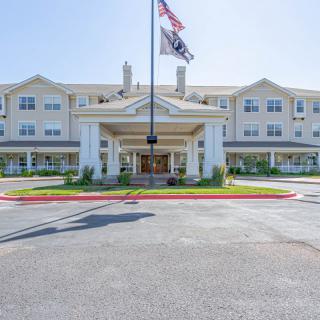
    The Aspen at Woodland Park in Woodland Park, CO is an assisted living community that offers a wide range of amenities and care services to meet the needs of its residents. The community boasts numerous on-site activities to keep residents engaged and entertained, as well as air-conditioning for comfort. Additionally, a beautician is available on-site for convenient salon and grooming services.

    Residents can enjoy their favorite shows and movies with cable or satellite TV in their own units. Devotional services are offered off-site for those who seek spiritual guidance. Ground floor units are available for ease of accessibility.

    Indoor and outdoor common areas provide spaces for socializing and relaxation. Wheelchair accessible showers ensure that all residents can have comfortable bathing experiences. Wi-Fi/high-speed internet is available throughout the community to keep residents connected.

    In terms of care services, The Aspen at Woodland Park offers incontinence care and medication management to ensure the health and well-being of its residents.

    Dining options at the community are diverse and cater to various dietary needs. Gluten-free, low/no sodium, organic, vegan, and no sugar options are available. Meals are provided by a professional chef who prepares delicious international cuisine. Room service is offered for added convenience.

    The community places a strong emphasis on providing engaging activities for its residents. Cooking classes, day trips and outings, educational speakers, happy hour events, karaoke nights, live dance or theater performances, live musical performances, stretching classes, wine tasting sessions – these activities are just a few examples of what can be enjoyed at The Aspen at Woodland Park.

    Convenience is also a key aspect of this community's location. There are nearby cafes, parks, pharmacies, physicians' offices, restaurants, and places of worship within close proximity.

    Overall, The Aspen at Woodland Park provides a vibrant and supportive environment where seniors can receive excellent care while enjoying an active lifestyle enriched with various amenities and activities.

    Nearby Places of Interest

    Woodland Park, Colorado, offers a mix of convenient amenities and natural beauty for seniors looking to settle in a peaceful mountain town. With several cafes like Starbucks and Red Dog Coffee within close proximity, you can enjoy a leisurely cup of coffee with friends or family. Pharmacies such as Walgreens and Anna's Apothecary are easily accessible for your medical needs. A variety of dining options like Carmen Tapas Grill & Bar and Mucky Duck Restaurant & Catering provide delicious meals without the need for long drives. Additionally, parks like Memorial Park and Pikes Peak Gateway offer opportunities for outdoor recreation and relaxation. Healthcare facilities such as True Life Medicine and UCHealth Emergency Care ensure quality medical care is readily available. Overall, this part of Woodland Park provides a well-rounded environment for seniors seeking a comfortable and fulfilling retirement lifestyle.

    Cafes

    • Starbucks (0.4 miles)
    • Red Dog Coffee (10 miles)
    • Adam's Mountain Cafe (11 miles)
    • Starbucks (11.6 miles)
    • Coffee Cup Cafe (12.1 miles)
    • Starbucks (12.2 miles)
    • Panera Bread (12.4 miles)

    Pharmacies

    • Walgreens (1.1 miles)
    • Walgreens (9.5 miles)
    • Anna's Apothecary (9.9 miles)
    • Maggie's Farm (10.7 miles)
    • Pharmerica (11.1 miles)
    • Walgreens (11.2 miles)
    • Strawberry Fields (11.4 miles)

    Restaurants

    • McDonald's (1.6 miles)
    • Arby's (1.7 miles)
    • Carmen, A Tapas Grill & Bar (2.2 miles)
    • Mucky Duck Restaurant & Catering (2.6 miles)
    • Pantry Restaurant (2.6 miles)
    • Wines of Colorado (6 miles)
    • McGinty's Wood Oven Pub (6.9 miles)

    Physicians

    • True Life Medicine (1.7 miles)
    • Colorado Springs Cardiology (2.2 miles)
    • Penrose Mountain Primary Care (2.2 miles)
    • Divide Health Care Center (6.8 miles)
    • Paul B. Rahill, MD (11.6 miles)
    • Mountain View Medical Group At Centennial (11.7 miles)
    • Dr. S. Kent Olvey, MD (11.7 miles)

    Parks

    • Memorial Park (2.2 miles)
    • Meadow Wood Sports Complex (3.2 miles)
    • Pikes Peak Gateway (5 miles)
    • Cave of the Winds (9 miles)
    • Mueller State Park (9.5 miles)
    • Ute Valley Park (9.9 miles)
    • Memorial Park (10.1 miles)

    Places of Worship

    • Faith Lutheran Church (2.9 miles)
    • Family of Christ Lutheran Church (12 miles)
    • Calvary Worship Center (12 miles)

    Hospitals

    • Strawberry Fields Medical Dispensary (11.4 miles)
    • UCHealth Emergency Care - Grandview Hospital (12.3 miles)

    Transportation

    • U-Haul Moving & Storage (12.1 miles)

    Frequently Asked Questions

    How much does it cost to live at The Aspen at Woodland Park in Woodland Park, CO?
    Where is The Aspen at Woodland Park?
    Does The Aspen at Woodland Park allow residents to have pets?

    Nearby Communities

    • The Aspen

      The Aspen

      Woodland Park, CO


      pro Extensive on-site amenities and comprehensive care services.

    • Forest Ridge

      Forest Ridge

      Woodland Park, CO


      pro Extensive on-site amenities and 24/7 care with transportation.

    • Ute Pass Senior Residence LLC

      Ute Pass Senior Residence LLC

      Woodland Park, CO

      4.8 from 100 reviews
      $1,700 to $1,800 / month

      pro Competitive, affordable pricing (semi-private $1,700; private $1,800) compared with Teller County and Colorado averages.

    • Mount St Francis Nursing Center

      Mount St Francis Nursing Center

      Colorado Springs, CO

      4.1 from 93 reviews
       

      pro Caring, dedicated staff and beautiful grounds.

    • MorningStar Assisted Living & Memory Care at Mountain Shadows

      MorningStar Assisted Living & Memory Care at Mountain Shadows

      Colorado Springs, CO

      4.6 from 95 reviews
      $4,900 to $6,575 / month

      pro Beautiful, welcoming community with caring staff and engaging activities.

    • MorningStar At Mountain Shadows

      MorningStar At Mountain Shadows

      Colorado Springs, CO

      4.6 from 63 reviews
       

      pro Specialized memory care with 24/7 supervision and dementia-focused programming

    • Point Of The Pines Gardens Assisted Living

      Point Of The Pines Gardens Assisted Living

      Colorado Springs, CO

      2.8 from 32 reviews
       

      pro Attractive amenities with healthy meals and friendly, attentive staff.

    • Brookdale Skyline

      Brookdale Skyline

      Colorado Springs, CO

      3.8 from 178 reviews
      $2,445 to $5,795 / month

      pro Warm, homelike environment with attentive staff and diverse activities.

    • Liberty Heights

      Liberty Heights

      Colorado Springs, CO

      4 from 20 reviews
       

      pro Friendly staff and active social programs in a well-laid-out community.

    Related Resources

    • when to move from assisted living to nursing home8 Key Indicators That Suggest It May Be Time to Transition from Assisted Living to Skilled Nursing Care

      The transition from assisted living to skilled nursing care is often prompted by complex medical needs that assisted living cannot meet, with key indicators including frequent health declines, increased falls, severe memory issues, and caregiver burnout. Families should recognize these signs early to discuss options with healthcare providers and prepare for the emotional and logistical aspects of moving to a facility that offers comprehensive medical support.

    • active senior livingVibrant Senior Living: A Comprehensive Guide for Active Older Adults

      Vibrant Senior Living emphasizes active senior living communities that promote independence and engagement through diverse amenities and activities, fostering wellness and social interaction among older adults. These communities range from independent to assisted living, with a focus on personal growth, family involvement, financial planning, and leveraging technology to enhance residents' experiences.

    • when to move from assisted living to memory careWhen to Transition from Assisted Living to Memory Care: Key Indicators, Steps, and Finding the Right Community

      Transitioning from assisted living to memory care is driven by an individual's cognitive decline and specific needs, requiring careful evaluation of indicators like increased confusion and wandering. The process involves consulting medical professionals, researching suitable communities, considering financial and legal aspects, and ensuring effective communication for personalized care plans.


    Get Pricing Ask A Question Schedule A Tour Contact Senior Advisor