

4199 Highway 50, Whitewater, CO 81527
To contact a resident: (970) 589-0440
For more information about senior living options: (866) 208-4318
The Hacienda Assisted Living Costs & Pricing
The Hacienda Assisted Living offers competitive monthly rates for its residents, significantly lower than both Mesa County and the broader state of Colorado. For instance, a semi-private room at The Hacienda is priced at $2,100, which is notably less than the county average of $3,513 and the state average of $4,009. Similarly, private rooms are available for $2,500 at The Hacienda, compared to Mesa County's average of $3,684 and Colorado's average of $4,142. Those seeking more spacious accommodations will find that The Hacienda's one-bedroom units are priced at $2,800 - again below both the county average of $4,186 and the state figure of $4,119. Even for two-bedroom options at The Hacienda, which cost $3,150 per month, there is a significant contrast with Mesa County's average of $4,826 and the state's average of $4,580. Overall, The Hacienda provides an attractive option for individuals looking for quality assisted living care without the burden of excessive costs typical in the region.
| Floor plans | The Hacienda Assisted Living | Mesa County | Colorado |
|---|---|---|---|
| Semi-Private | $2,100 | $3,513 | $4,008 |
| Private | $2,500 | $3,684 | $4,142 |
| 1 Bedroom | $2,800 | $4,186 | $4,118 |
| 2 Bedrooms | $3,150 | $4,826 | $4,580 |
Senior living communities with a similar price nearby
-
from +$325 / mo
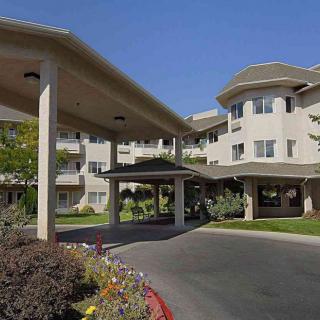
Solstice Senior Living At Grand Valley
$2,425 to $3,999 / month10.5 miles away -
from +$125 / mo
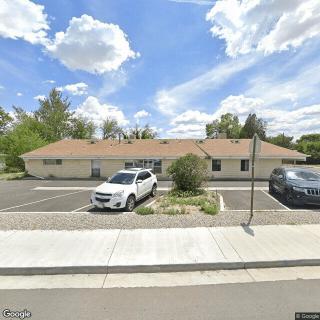
Bookcliff Manor Assisted Living
$2,225 / month8.7 miles away -
from -$300 / mo
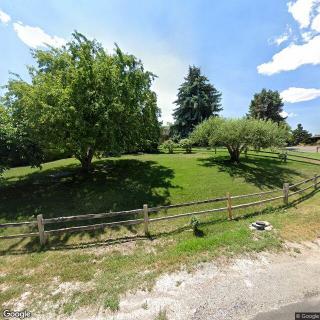
Pilgrim House Assisted Living
$1,800 to $2,200 / month10.5 miles away -
from +$395 / mo
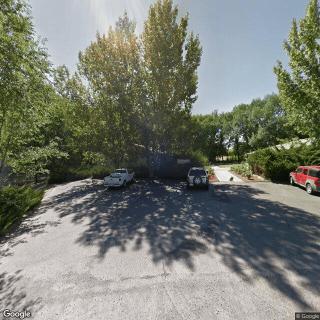
Comfort Care Homes
$2,495 to $3,795 / month11.3 miles away -
About the same
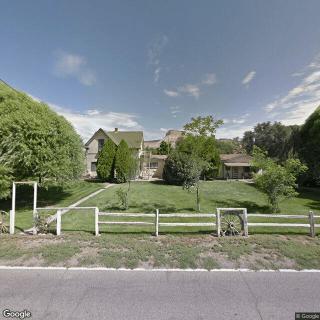
Peach Tree Assisted Living #1 & 2
$2,100 / month8.2 miles away
Overall Review of The Hacienda Assisted Living
Pros
 The reviewers were very impressed with the place, its family feel, and all they were told.
Cons
 The variety of residents to interact with is probably too small to meet his dad's needs.
Review
The Hacienda Assisted Living in Whitewater, Colorado is best suited for seniors who prize a warm, family-style environment and clear, transparent communication about daily care. The setting feels intimate and home-like, with staff and residents appearing to know one another well, and visitors leaving with the impression that the care plan was explained with care and consideration for comfort. This is not a high-traffic, glossy operation; it prioritizes personal connections and a sense of belonging, which can ease transitions for loved ones who respond best to one-on-one attention and a steady, predictable routine.
However, families should be aware that those who seek a vibrant social calendar or a broad mix of peers may find the social landscape limited here. The resident population appears smaller, which curtails spontaneous interactions and may not meet needs for ongoing variety, stimulation, or peer-based engagement. For a parent or spouse who thrives on frequent conversations, group activities, or culturally diverse company, this setting risks feeling quiet or insular. In such cases, the choice may come down to trading a deeply personal setting for a more dynamic community elsewhere.
On the upside, the family feel is more than a mood; it translates into tangible benefits. Families report being impressed with how the place presents itself, and with the clarity of information provided about services and routines. That transparency reduces the anxiety around entrusting care and makes it easier to align expectations with daily life. In environments where staff respond with warmth and straightforward communication, minor issues tend to be resolved quickly and care remains attentive to individual preferences, which matters greatly for those seeking reassurance and consistency.
Yet the primary drawback remains the limited resident mix. The small social pool can leave some residents craving greater interactivity, particularly if a loved one benefits from varied conversations, activities, or peer support. This constraint does not erase the value of attentive, compassionate care; it simply means the community excels in personalized attention but offers less in the way of social breadth. Families should weigh whether daily check-ins and one-on-one companionship satisfy social needs or if additional external social opportunities will be necessary to keep a loved one engaged.
To make a well-grounded decision, prospective residents should probe how the calendar and routines align with specific interests. Ask about the typical daily rhythm, the availability of individualized activities, and opportunities for external outings or community involvement that can broaden interaction beyond the core group. Consider visiting at different times to observe how residents mingle, whether they cluster in small groups, engage staff in conversations, or appear with a sense of genuine belonging. If social variety is non-negotiable, this visit should be paired with comparisons to communities offering more broad-based resident mixes and programming.
Bottom line: The Hacienda Assisted Living offers a sincere, home-like setting that can deliver comfort, security, and peace of mind for families prioritizing intimate care and transparent communication. It is not the choice for those chasing a bustling, socially expansive environment or a wide array of resident interactions. For those who value a tight-knit atmosphere and approachable, attentive staff, this community offsets its social limitations with real warmth and straightforward expectations. When deciding between options, The Hacienda stands out as a prudent pick for the right fit, with a clear caveat to explore alternatives if breadth of interaction is a non-negotiable factor.
 Board and Care Home
 Cats allowed
 Dogs allowed
 Activities off-site
 Devotional services off-site
 Indoor common areas
 Outdoor common areas
 Private
 Respite or short term stays offered
 Walker (11 miles away)
 Ambulatory care
 Meals provided
 8 Essential Assistive Devices for Older Adults
 Navigating the Financial Road to Nursing Home Care: In-Depth Guidance and Resources
 Supportive Employee Benefits That Help Caregivers Attain Better Work-Life Harmony