
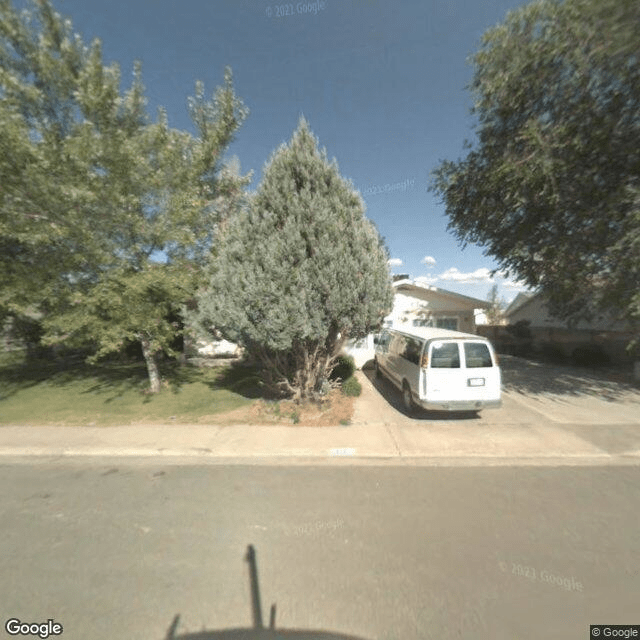
476 Gunnison Way, Grand Junction, CO 81504
For more information about senior living options: (866) 208-4318
Overall Review of Angkor Wat Alternative Care
Cons
 The facility is beyond awful.
- The food is barely edible.
- There have been bed bugs in the facility about a dozen times.
- Residents' mail is stolen and there is no privacy.
- Staff enter rooms without knocking.
- Illegal drug use is an ongoing issue at the facility.
- The facility is filthy and dirty.
- The facility is described as a hole-in-the-wall and should be closed down.
Review
Angkor Wat Alternative Care in Grand Junction, CO is best considered for no typical family seeking reliable, respectful assisted living. In practical terms, the facility does not present a viable option for seniors who require consistent safety, privacy, and cleanliness. The strongest reality here is that options with solid licensing, transparent operations, and stable staff supervision exist elsewhere. Therefore, the recommended reader should treat this community as a last-resort possibility only when every other qualified option has been exhausted and all other facilities have turned up unacceptable. This mindset sets a higher standard upfront and avoids anyone settling for chronic disruption, health risks, or broken trust.
Anyone evaluating care for a loved one should actively compare this option to proven alternatives. If a family is pressed by budget or geography and is tempted to look at Angkor Wat as the fastest path, the risk calculus must incline toward more reputable places with verifiable inspections and better resident protections. Alternatives worthy of serious consideration are facilities with documented cleanliness, reliable housekeeping, appropriately supervised staff, and established processes for privacy, mail handling, and personal belongings. In short, prioritize facilities with consistent state licensing, responsive administrative leadership, and a track record of addressing resident concerns promptly.
The cons here overwhelm any potential upside. The core picture painted by the available reporting centers on pervasive quality and safety failures: unsafe living conditions, pest issues, a troubling lack of privacy, and routine room intrusions. Even if a family sought a lower cost or a shorter commute, these severe drawbacks negate such minor conveniences. In a decision focused on long-term well-being, these conditions translate into real hazards, from health and dignity risks to emotional distress for residents and their families. The absence of credible stability undermines trust and makes any touted benefits effectively disappear.
Given these dynamics, prospective residents or their guardians should not passively accept modest conveniences as justification to stay. The prudent approach is to pursue rigorous due diligence before any commitment: visit multiple times, review state inspection reports, request to see current resident and family feedback, and demand a transparent care plan that aligns with specific health needs. Ask for proof of pest control, housekeeping schedules, staff-to-resident ratios, incident logs, and a written policy on privacy protections and mail handling. If any red flags persist, walk away and redirect to settings with verifiable safety and comfort.
Staffing, oversight, and maintenance emerge as the most decisive failure modes here. Without dependable routines, even the most basic daily tasks, medication administration, personal care, and timely hygiene, become unpredictable. The absence of reliable privacy controls and the ease of unauthorized room entry erode autonomy and dignity. The combination of environmental cleanliness concerns with ongoing behavioral issues among residents or staff creates a volatile atmosphere that is not conducive to restful aging. In short, the risk profile far surpasses any superficial upside.
In sum, Angkor Wat Alternative Care should be avoided unless a family faces an absolute lack of alternatives and can secure a legally binding, heavily monitored arrangement with close oversight. For most families, pursuing other facilities with transparent licensing, strong reputations, and demonstrable safety practices is essential. If this option must be considered for any reason, proceed only after obtaining independent collateral verification, state licensing results, third-party inspections, and verifiable references from current residents’ families, and walk away at the first sign of unresolved concerns. The objective is clear: protect safety, preserve dignity, and select a community that will support sustained wellbeing rather than expose a loved one to avoidable risk.
 8 resident community capacity
 Assisted Living
 Board and Care Home
 Activities on-site
 Cable or satellite TV
 Devotional services off-site
 Dining room
 Fully furnished
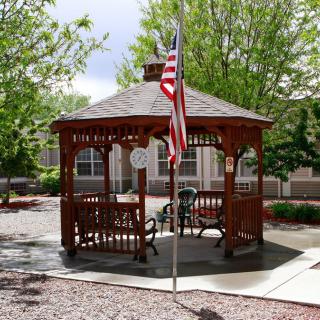
 Garden
 Housekeeping services
 Indoor common areas
 Move-in coordination
 Outdoor space
 Telephone
 Wi-Fi/high-speed internet available
 Walker (4 miles away)
 24-hour supervision
 Ambulatory care
 Assistance with bathing
 Assistance with dressing
 Assistance with transfers
 Diabetes diet
 Diabetic care
 Meal preparation and service
 Medication management
 Special dietary restrictions
 Transportation arrangement (medical)
 Transportation to doctors appointments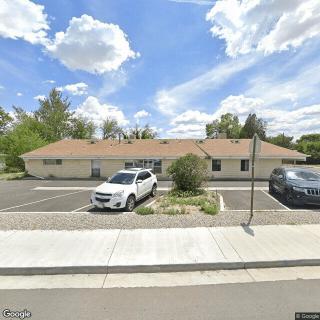
 Private rooms with decor autonomy in a clean, homey setting.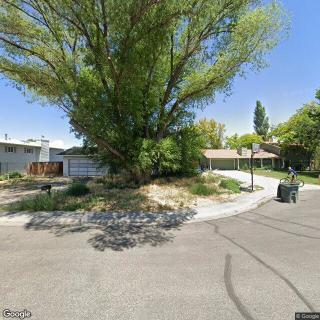

 Exploring the Contrasts Between Assisted Living and Skilled Nursing
 8 Key Indicators That Suggest It May Be Time to Transition from Assisted Living to Skilled Nursing Care
 Vibrant Senior Living: A Comprehensive Guide for Active Older Adults