Rocky Mountain Assisted Living III in Wheat Ridge, CO

Information last verified:

7850 West 44Th Avenue, Wheat Ridge, CO 80033

For more information about senior living options: (844) 490-3973

4.8 from 13 reviews
5 stars
11
4 stars
2
3 stars
0
2 stars
0
1 stars
0

Overall Review of Rocky Mountain Assisted Living III

Pros

  • pro They knew RMAL was the right place for him from the moment they stepped in, noting a clean, bright, and cheerful facility.
  • pro The caregivers are consistent, kind, and caring, and the directors are knowledgeable, compassionate, and responsive.
  • pro The staff are engaged and helpful from transition to ongoing care, and they adapt to residents' and families' needs while answering questions.
  • pro The facility is clean, bright, and welcoming, with attentive staff and clear communication that families greatly appreciate.
  • pro The environment is caring and loving, with staff who are willing to go above and beyond to support residents and their families.
  • pro Families consistently report happiness with the care, communication, and overall experience, often over many years.
  • pro The home is beautiful, with accessible ownership and a responsive team contributing to a positive experience.

Cons

  • pro The community is small.
  • pro The reviewer was concerned about not being able to inspect the resident’s room or attend to his needs if problems arose.
  • pro One reviewer noted that the facility could not provide the level of care required (such as 24-hour nursing care), necessitating a move to another facility.

Review

Rocky Mountain Assisted Living III in Wheat Ridge is best suited for families seeking an intimate, memory-care capable setting where consistent, compassionate staff deliver highly personalized care within a smaller, home-like footprint. The community shines as a bright, clean, and cheerful place that feels less like a generic facility and more like a trusted home. The hash of a small building, steady caregiver teams, and directors who are knowledgeable and responsive makes RMAL III a standout choice for loved ones requiring steady dementia- or memory-care support paired with hands-on attention from the people actually delivering day-to-day care.

Those weighing alternatives should note who may want to explore other options. For residents with high medical acuity or who require 24/7 licensed nursing and on-site skilled care, RMAL III may fall short of the medical intensity some families need, even as it excels on daily care and social engagement. One family’s experience with a parent who briefly entered RMAL and then moved to a setting with continuous nursing highlights a genuine boundary: RMAL III delivers attentive, loving care, but it is not a substitute for constant medical oversight. For families that prize immediate, on-demand medical responsiveness or a large campus with expansive clinical resources, a larger assisted-living or skilled-nursing facility may be a better fit.

The strongest positives at RMAL III are the care team and the culture they cultivate. Caregivers are consistently described as kind, engaged, and devoted to the residents, with directors who are approachable and quick to answer questions. Transitions into the community are handled with care and patience, and families repeatedly note ongoing communication that puts their loved ones’ wellbeing at the center. The memory-care environment has proven effective for residents who have recently moved to the memory-care portion, with staff providing support during the adjustment and ongoing social opportunities that help residents stay alert and connected. That combination, continuity, compassion, and clear, responsive leadership, creates a foundation where families feel they can entrust day-to-day life to RMAL III.

Another recurring strength is the facility’s ability to adapt to individual resident needs. The staff’s willingness to tailor arrangements and to accommodate shifts in care plans, sometimes in coordination with hospice partners, reduces family stress during difficult times. Examples from resident stories include moving a loved one into a smaller apartment to preserve personal space and autonomy, and maintaining strong partnerships with hospice teams to ensure a smooth, respectful end-of-life experience. The sense of “being cared for” extends beyond routine tasks to meaningful, personalized arrangements that acknowledge a resident’s preferences and history.

Even with these strengths, it remains essential to align expectations with reality. RMAL III’s smaller size and intimate, home-like atmosphere yield a powerful sense of community and attentiveness, but they do come with trade-offs. Families should verify whether the level of nursing support matches their relative’s needs, particularly if medical complexity increases. Prospective residents should also consider how often the directors and on-site team can accommodate sudden or emergent requests, and whether remote oversight (for families living far away) is truly sufficient. In short, the model works exceptionally well for steady, lower- to moderate-acuity memory care where personal connection and consistent staff matter most.

For families choosing RMAL III, the decision hinges on matching a loved one’s care priorities to a setting built on character and connection rather than breadth of medical services. The community is a practical, confident choice for those who value a small, well-staffed environment where caregivers know residents intimately, transitions are thoughtfully managed, and family communication remains strong. It is less compelling for those who require guaranteed 24/7 nursing, high-intensity medical management, or a larger campus with a broader medical footprint. When visiting, focus conversations on nursing capabilities, care plan flexibility, and the specifics of memory-care programming, then weigh the comfort and continuity of RMAL III against the more resource-intensive options that may better meet escalating medical needs.

Features

Housing

  • 18 resident community capacity 18 resident community capacity

Types of Care

  • Assisted Living Assisted LivingAssisted living facilities provide crucial support and care for seniors who may need help with daily tasks such as medication management, bathing, and meal preparation. These communities offer a safe and comfortable environment where seniors can maintain their independence while receiving the assistance they need to thrive in their golden years.

Amenities

  • Cable or satellite TV Cable or satellite TVCable or satellite TV is important for seniors because it provides entertainment, news, and companionship, helping to combat loneliness and boredom. It also offers a wide range of programming options tailored to different interests and preferences.
  • Dining room Dining roomDining rooms are important for seniors as they provide a space for socialization, connection, and nutritious meals. They offer opportunities for residents to bond over shared meals, foster a sense of community, and promote healthy eating habits. Dining rooms also ensure that seniors have access to well-balanced meals tailored to their dietary needs and preferences.
  • Fully furnished Fully furnishedFully furnished senior living communities are important for seniors because they provide convenience, comfort, and a hassle-free moving experience. Seniors can easily settle into their new living space without the stress of having to buy and move furniture. This allows them to focus on enjoying their new home and community.
  • Garden GardenGardens are important for seniors as they provide a peaceful and therapeutic environment for relaxation, physical activity, and socialization. Being in nature has been shown to reduce stress, improve mood, and promote overall well-being. Gardens also offer opportunities for seniors to engage in gardening activities, which can improve mobility, flexibility, and cognitive function. Additionally, gardens create a sense of community and connection with others who share a passion for plants and outdoor spaces.
  • Housekeeping services Housekeeping servicesHousekeeping services are important for seniors because they help maintain a clean and safe living environment, promote independence, and reduce the risk of accidents or illnesses. Additionally, having assistance with household chores can alleviate physical strain and allow seniors to focus on other aspects of their well-being.
  • Move-in coordination Move-in coordinationMove-in coordination is important for seniors because it helps ease the transition into their new living environment. It ensures that all logistics, such as packing, organizing movers, and setting up utilities are taken care of, allowing seniors to focus on settling in and adjusting to their new home. Having a smooth move-in process can alleviate stress and anxiety, making the transition smoother and more enjoyable for seniors.
  • Outdoor space Outdoor spaceOutdoor spaces are important for seniors as they provide opportunities for physical activity, social interaction, exposure to natural light and fresh air, and a sense of connection to nature. Having access to outdoor spaces can improve overall well-being and quality of life for older adults living in senior communities.
  • Telephone TelephoneTelephones are important for seniors as they provide a lifeline for communication with loved ones, emergency services, and healthcare providers. They offer a sense of security and independence, enabling seniors to stay connected and access assistance when needed.
  • Wi-Fi/high-speed internet available Wi-Fi/high-speed internet availableWi-Fi/high-speed internet is important for seniors to stay connected with loved ones, access online resources, and participate in virtual activities to combat feelings of loneliness and isolation. It also allows them to easily manage healthcare needs, access entertainment, and engage in lifelong learning opportunities.

Transportation

  • Denver International (23 miles away) Denver International (23 miles away)

Care Services

  • 24-hour supervision 24-hour supervision24-hour supervision is important for seniors to ensure their safety, well-being, and access to immediate assistance in case of emergencies or health issues. This constant support provides peace of mind for both seniors and their loved ones, allowing them to age in place with dignity and security.
  • Activities of daily living assistance Activities of daily living assistanceActivities of daily living assistance are important for seniors because they provide essential support with tasks such as eating, bathing, dressing, and mobility. This assistance helps seniors maintain their independence, dignity, and overall quality of life as they age.
  • Assistance with bathing Assistance with bathingAssistance with bathing is crucial for seniors as it helps maintain personal hygiene, prevents infections, and ensures their overall well-being and comfort. It also provides a sense of dignity and independence for seniors who may struggle with this task on their own.
  • Assistance with dressing Assistance with dressingAssistance with dressing is important for seniors because it helps maintain their independence, promotes personal hygiene, prevents accidents and injuries, and improves overall quality of life. This service ensures that seniors can continue to dress comfortably and confidently, despite any physical limitations they may have.
  • Assistance with transfers Assistance with transfersAssistance with transfers is crucial for seniors as it helps prevent falls and injuries, maintains their independence, and ensures they can safely navigate their living environment. It also provides peace of mind for both seniors and their loved ones.
  • Coordination with health care providers Coordination with health care providersCoordination with health care providers is crucial for seniors to ensure proper medical care, medication management, and overall well-being. This collaboration helps prevent overlapping treatments, track progress more effectively, and provide comprehensive support tailored to individual needs.
  • Diabetes diet Diabetes dietA diabetes diet is crucial for seniors as it helps manage blood sugar levels, reduce risks of complications, and improve overall health and well-being. By following a balanced and nutritious diet tailored to their specific needs, seniors can better control their diabetes and enhance their quality of life.
  • Meal preparation and service Meal preparation and serviceMeal preparation and service are crucial for seniors as they may have limited mobility or energy to cook nutritious meals. Having access to healthy and convenient food options can ensure they are getting the proper nutrition needed to maintain their overall health and well-being.
  • Medication management Medication managementMedication management is crucial for seniors to ensure they are taking the right medications at the correct dosages and times. This helps prevent adverse drug interactions, reduces the risk of medication errors, and promotes overall health and well-being. Proactive management also allows for adjustments as needed based on changing health conditions or new prescriptions.
  • Special dietary restrictions Special dietary restrictionsSpecial dietary restrictions are important for seniors because age-related changes in metabolism and health conditions can make it difficult for their bodies to process certain foods. By following a diet tailored to their specific needs, seniors can maintain their overall health and well-being, manage chronic conditions, and reduce the risk of complications such as malnutrition or food interactions with medications.
  • Transportation arrangement (medical) Transportation arrangement (medical)Transportation arrangements for medical purposes are essential for seniors as they may have difficulty driving themselves to appointments or accessing public transportation. Having reliable and safe transportation options ensures that seniors can receive timely medical care and maintain their health and well-being.
  • Transportation to doctors appointments Transportation to doctors appointmentsTransportation to doctors' appointments is crucial for seniors as it ensures they have access to necessary medical care and support for their health needs. Without reliable transportation, seniors may struggle to attend important appointments, leading to potential delays in treatment and health complications. Providing transportation services helps seniors maintain their overall well-being and quality of life.

Dining

  • Diabetes diet Diabetes dietA diabetes diet is crucial for seniors as it helps manage blood sugar levels, reduce risks of complications, and improve overall health and well-being. By following a balanced and nutritious diet tailored to their specific needs, seniors can better control their diabetes and enhance their quality of life.
  • Special dietary restrictions Special dietary restrictionsSpecial dietary restrictions are important for seniors because age-related changes in metabolism and health conditions can make it difficult for their bodies to process certain foods. By following a diet tailored to their specific needs, seniors can maintain their overall health and well-being, manage chronic conditions, and reduce the risk of complications such as malnutrition or food interactions with medications.

Activities

  • Community-sponsored activities Community-sponsored activitiesCommunity-sponsored activities are important for seniors as they provide opportunities for social interaction, mental stimulation, and physical activity. These activities can help improve overall well-being, combat loneliness and isolation, and promote a sense of belonging and purpose among older adults.
  • Scheduled daily activities Scheduled daily activitiesScheduled daily activities are important for seniors because they provide structure, socialization, mental stimulation, and physical activity. Engaging in regular activities can improve overall well-being and quality of life for seniors living in a community setting.

Description

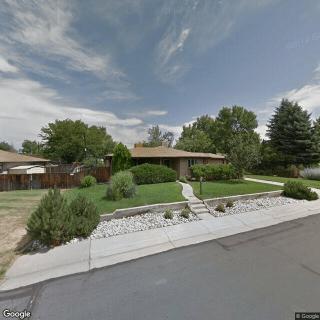
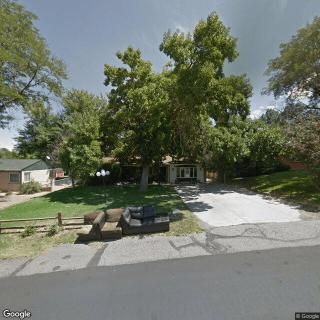
Rocky Mountain Assisted Living III in Wheat Ridge, CO is a premier assisted living community that offers a wide range of amenities and care services to cater to the needs of its residents. Nestled in a peaceful neighborhood, this community provides a comfortable and homely environment for seniors to thrive.

Upon entering Rocky Mountain Assisted Living III, residents will be greeted by an inviting dining room where delicious meals are served. Each living space is fully furnished, providing convenience and ensuring that residents feel right at home. The well-maintained garden and outdoor spaces offer a tranquil setting for relaxation or socializing with fellow residents.

Housekeeping services are provided to ensure cleanliness and maintenance of the living spaces. Move-in coordination is also available to assist new residents in settling down smoothly. For those who wish to stay connected, telephone and Wi-Fi/high-speed internet services are readily accessible.

The community places great emphasis on providing comprehensive care services for its residents' wellbeing. Trained staff members are available to offer assistance with activities of daily living such as bathing, dressing, and transfers, promoting independence within a safe environment. Coordination with healthcare providers ensures seamless communication between the community's caregivers and external medical professionals.

Residents with specific dietary needs can benefit from the diabetes diet, special dietary restrictions options, and meal preparation offered at Rocky Mountain Assisted Living III. Medication management is provided to ensure that residents receive their prescribed medications accurately and promptly.

Transportation arrangement for medical appointments as well as transportation to doctors' appointments is available for added convenience. This allows residents easy access to necessary healthcare services without any hassle.

Engaging daily activities are scheduled to promote socialization, physical fitness, and mental stimulation among residents. Whether it's participating in group exercises or pursuing hobbies, there is something for everyone at Rocky Mountain Assisted Living III.

Additionally, the proximity of various establishments enhances the convenience of residing in this community. With several cafes, parks, pharmacies, restaurants, places of worship, theaters, and hospitals nearby, residents have easy access to a variety of amenities and services to cater to their needs.

Rocky Mountain Assisted Living III in Wheat Ridge, CO offers a warm and caring environment where seniors can enjoy a fulfilling lifestyle while receiving the necessary support and assistance they require.

Nearby Places of Interest

Pharmacies

  • Walgreens (0.1 miles)
  • Lutheran Outpatient Pharmacy (0.6 miles)
  • Best Colorado Meds (1.1 miles)
  • Walmart Pharmacy (1.2 miles)
  • CVS Pharmacy (1.7 miles)
  • Grifols (2.6 miles)
  • Solace Meds (2.8 miles)

Physicians

  • Dr Bassow (0.3 miles)
  • SCL Health Heart & Vascular Institute - Wheat Ridge (0.7 miles)
  • Cornerstone Orthopaedics & Sports Medicine (0.8 miles)
  • Native Roots Dispensary (2.4 miles)
  • Rocky Mountain Primary Care (2.6 miles)
  • Children's Eye Physicians (3 miles)
  • Kids First Pediatrics (4 miles)

Hospitals

  • Exempla Lutheran Medical Center (0.6 miles)
  • Scl Health - Front Range (0.7 miles)
  • St Anthonys Medical Plaza 2 (4.9 miles)

Restaurants

  • Clancy's Irish Pub (0.7 miles)
  • School House Kitchen & Libations (1.6 miles)
  • BookBar (2.1 miles)
  • The Pasty Republic (2.2 miles)
  • McDonald's (2.9 miles)
  • Domino's Pizza (3.3 miles)
  • Illegal Pete's (4 miles)

Cafes

  • The Bardo Coffee House (1.2 miles)
  • Starbucks (1.5 miles)
  • Dutch Bros Coffee (2.6 miles)
  • The Radiator (3.8 miles)
  • Huckleberry Roasters (4.1 miles)
  • Panera Bread (4.2 miles)
  • Dutch Bros Coffee (5 miles)

Parks

  • Fairmount Park (1.2 miles)
  • Panorama Park (1.5 miles)
  • Berkeley Park (1.6 miles)
  • Berkeley Leashless Dog Park (1.7 miles)
  • Crown Hill Open Space Park (1.7 miles)
  • César Chávez Park (2.1 miles)
  • Citizens Park (2.4 miles)

Places of Worship

  • Wat Buddhawararam (2.9 miles)
  • Church of Jesus Christ of Latter Day Saints (5 miles)

Theaters

  • Alamo Drafthouse Denver (3.3 miles)
  • Regal UA Denver Pavilions 4DX & RPX (5.5 miles)

Frequently Asked Questions

Where is Rocky Mountain Assisted Living III?

Nearby Communities

  • Rocky Mountain Assisted Living 44Th Ave Mc

    Rocky Mountain Assisted Living 44Th Ave Mc

    Wheat Ridge, CO

    4.8 from 13 reviews
     

    pro Intimate, small-scale community with personalized care and 24/7 supervision.

  • Grandma's Board & Care I

    Grandma's Board & Care I

    Wheat Ridge, CO

    4.1 from 45 reviews
     

    pro Close to dining, parks, and healthcare options.

  • Caring Hearts

    Caring Hearts

    Wheat Ridge, CO

    4.4 from 20 reviews
     

    pro Warm, home-like board-and-care with 24-hour supervision and engaging daily activities.

  • Your 2 Nd Home

    Your 2 Nd Home

    Wheat Ridge, CO


    pro Intimate 8-bed setting with personalized care and comprehensive amenities

  • Nina's Board & Care Home II

    Nina's Board & Care Home II

    Wheat Ridge, CO

    4 from 1 review
     

    pro Warm, home-like environment with caring, respectful staff.

  • Morningside

    Morningside

    Wheat Ridge, CO

    3 from 5 reviews
     

  • Christopher House Rehabilitation And Care Communit

    Christopher House Rehabilitation And Care Communit

    Wheat Ridge, CO

    2.9 from 66 reviews
    $3,280 to $3,936 / month

    pro Competitive pricing relative to Jefferson County and Colorado averages.

  • Brookdale Meridian Arvada

    Brookdale Meridian Arvada

    Arvada, CO

    4.8 from 108 reviews
    $3,388 to $3,956 / month

    pro Friendly, attentive staff in a welcoming, clean community with convenient transportation and pet-friendly living.

  • The Argyle

    The Argyle

    Denver, CO

    4.1 from 58 reviews
    $3,500 / month

    pro Friendly, attentive staff in a welcoming atmosphere with varied on-site activities and amenities.

Related Resources

  • assisted living vs memory careAssisted Living and Memory Care: Understanding Their Core Differences

    Assisted living provides moderate support for seniors seeking independence, while memory care offers specialized support for individuals with dementia or cognitive impairments through structured routines and trained staff. Key differences include care approaches, environment security measures, staff training levels, activity types, and cost considerations.

  • assisted living activitiesBeyond the Bingo Hall: 50+ Enriching Activities for Seniors in Assisted Living

    Assisted living communities offer diverse activities beyond traditional games to enhance seniors' physical health, cognitive well-being, emotional enrichment, and social connections, including fitness classes, creative expression, and intergenerational interactions. These enriching programs foster community bonds and support residents' independence and happiness.

  • assisted living vs memory careUnderstanding the Distinctions: Assisted Living and Memory Care Explained

    The article differentiates between assisted living and memory care, explaining that assisted living supports seniors with daily activities while promoting independence, whereas memory care provides specialized services for individuals with dementia, focusing on secure environments and cognitive support. It also addresses staff training, safety considerations, costs, family involvement, and transition strategies for families navigating these care options.