
7860 West 44Th Avenue, Wheat Ridge, CO 80033
For more information about senior living options: (866) 208-4318
Overall Review of Rocky Mountain Assisted Living 44Th Ave Mc
Pros
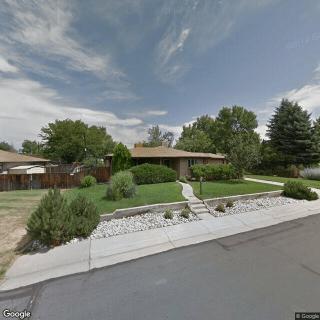
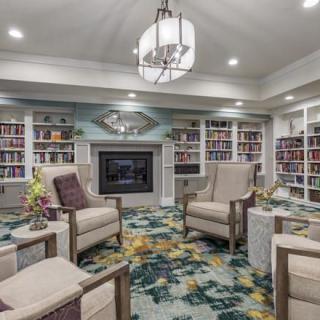
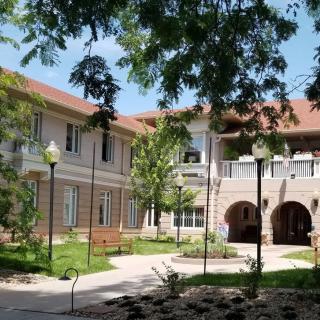
 RMAL in Wheat Ridge is clean, bright, and cheerful.
- The caregivers are consistent, kind, and caring.
- The directors are knowledgeable, compassionate, and responsive to questions and concerns.
- The family is very grateful for the care their dad receives at RMAL.
- Happy Hour is their favorite.
- The facility is clean, bright, and welcoming.
- The staff are engaged and helpful from transition through continued care.
- They are willing to adapt to the needs of residents and families and are always open to answering questions and handling concerns.
- The care in both houses is beyond par.
- The staff are kind, caring, and passionate about their work.
Cons
 The reviewer was concerned about not being able to inspect his room or address his needs if problems arose.
- The reviewer indicated that the facility could not provide the level of care his father required, given his diabetes and the need for 24-hour nursing care.
- The reviewer acknowledged that no experience is perfect, noting that there were concerns or complaints at times.
Review
Rocky Mountain Assisted Living on 44th Avenue in Wheat Ridge is best suited for families seeking a warm, intimate setting where consistent, compassionate care and open communication define daily life. The campus feels bright, clean, and welcoming, with a true small-community feel that fosters strong resident-staff connections. This is a place where caregivers know residents well, routines are predictable in a comforting way, and directors are approachable, knowledgeable, and quick to respond to questions. For families prioritizing a hands-on, family-like environment over a large-scale, clinical atmosphere, RMAL delivers tangible peace of mind.
That said, certain circumstances warrant exploring alternatives. For residents with intensive medical needs requiring around-the-clock nursing or highly specialized clinical oversight, RMAL may fall short. Several families note the absence of 24-hour nursing capacity and emphasize that more complex diabetes management or rapid medical escalations would be better served by a facility built to meet high-acuity demands. Additionally, those who value a sprawling campus with extensive amenities or a broad array of on-site services may find a larger operator preferable. In short, RMAL excels as a smaller, person-centered home but is less ideal for residents whose care plan demands robust, on-demand clinical resources.
The strongest positives, the consistent, kind, and engaged staff; the responsive, capable ownership; and the smooth transition experience, do meaningful work to offset potential drawbacks. Families repeatedly describe caregivers as loving and dedicated, with transitions handled thoughtfully from the initial move to memory-care adjustments. The directors’ accessibility and willingness to address concerns translate into a sense of partnership for families navigating tough decisions. This hand-in-hand approach means residents tend to feel seen and secure, and families leave with confidence that the core of care is steady and personal rather than transactional.
Operationally, the pros align well with the needs of many long-term residents. The small size tends to foster reliability: fewer moving parts mean staff can monitor subtle changes quickly, and the intimate environment supports meaningful social interactions. Memory care is integrated within the campus, and staff demonstrate adaptability, helping with shifts between living arrangements, managing transitions, and supporting both residents and relatives through difficult moments. The atmosphere, reinforced by regular social moments and engaging activity, contributes to steady mood and alertness, even as memory challenges evolve. That combination, caregiver engagement paired with a family-centered ethos, helps balance the limits of a smaller medical footprint.
From a practical standpoint, RMAL shines for families who value access to responsive ownership and a transparent care approach. Observers repeatedly highlight the owner’s availability and the facility’s willingness to communicate clearly about costs, transitions, and care plans. The presence of ongoing hospice partnerships and a willingness to tailor living arrangements, down to flexible apartment configurations or “man cave” concepts, indicates real flexibility in meeting evolving needs. The social fabric is strong: communal activities, steady staffing, and a consistent, comforting routine produce a sense of continuity that often matters most to aging loved ones and their families.
In closing, RMAL represents a compelling option for those who prize a home-like atmosphere, dependable, compassionate staff, and strong family communication within a small, manageable footprint. It is a particularly strong match for residents whose medical needs can be met with the campus’s nursing capabilities and who benefit from immediate, personalized attention to questions and concerns. Families considering alternatives should weigh the importance of 24/7 clinical coverage and larger-scale resources against the peace of mind that comes from consistent caregivers and open director access. Visiting the community with specific care expectations in mind will clarify whether RMAL’s strengths align with the resident’s long-term plan.
 18 resident community capacity
 Assisted Living
 Cable or satellite TV
 Dining room
 Fully furnished
 Garden
 Housekeeping services
 Move-in coordination
 Outdoor space
 Telephone
 Wi-Fi/high-speed internet available
 Denver International (23 miles away)
 24-hour supervision
 Activities of daily living assistance
 Assistance with bathing
 Assistance with dressing
 Assistance with transfers
 Diabetes diet
 Meal preparation and service
 Medication management
 Special dietary restrictions
 Transportation arrangement (medical)
 Transportation to doctors appointments

 Comprehensive Insights into Activities of Daily Living (ADLs) and Their Assessment
 Guiding Elderly Parents Who Refuse Assisted Living: 6 Practical Steps
 Your Comprehensive Guide to Luxury Assisted Living: Elevated Facilities, Amenities, and Costs