
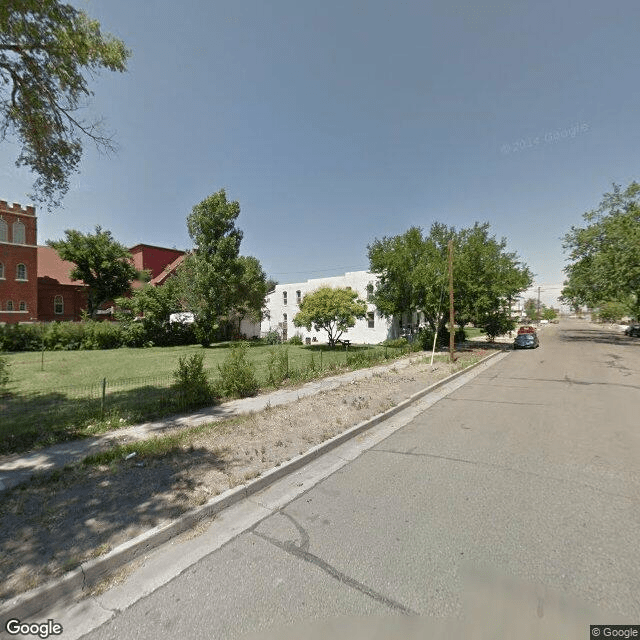
715 East B Street, Pueblo, CO 81003
For more information about senior living options: (866) 208-4318
Overall Review of Villa Grove Assisted Living
Cons
 The property’s management is described as neglectful toward residents.
- Pest problems, including bed bugs and roaches, are reported.
- There are concerns about food service or storage, with mentions of frozen food being available around the clock.
- Questions are raised about staffing practices and on-site monitoring.
- The overall tone is negative, with warnings not to have loved ones live there and sympathy expressed for workers.
Review
Villa Grove Assisted Living in Pueblo, CO is best suited for cost-conscious seniors who want a very small, no-frills environment and for families that can tolerate extremely lean staffing and variable care quality. The setting tends to feel intimate when staffing is adequate, but the reality shown in the available feedback is that it relies heavily on management judgment in a way that makes daily routines unpredictable. This arrangement may work for a relatively independent senior whose needs stay modest and for families that can marshal outside support if care gaps arise. For anyone facing even modest health or safety concerns, the risk profile is too high to treat as a safe baseline.
Those who should seriously consider alternatives include anyone needing reliable supervision, strong infection control, predictable meal quality, and consistent governance. The comments submitted describe pest problems, questionable food handling, and staffing that does not meet standard care expectations. For seniors with chronic conditions, dementia, or high fall risk, the combination of limited staff and reported environmental issues becomes a material threat to safety and well-being. In short, if dependable oversight and transparent leadership are non-negotiable, this community should not be the default option.
The potential upsides of a smaller operation, more direct contact with leadership, a quieter environment, and simpler routines, are real in theory. A four-star impression from a reviewer hints that some residents may experience workable days or a sense of familiarity that larger facilities struggle to deliver. Still, those potential advantages are overwhelmed by the gravity of reported conditions. Pest infestations, concerns about food quality and safety, and the perception of neglect by the owner sharply undercut any comfort offered by a cozy, intimate setting. The overall balance tilts decisively toward risk, not reassurance.
The most troubling Cons revolve around safety, sanitation, and governance. A family member alleges bed bugs, roaches, and perpetual frozen-food conditions, all in a building where only one staff member appears to be on the clock at a time. Such staffing levels and maintenance gaps raise legitimate questions about whether basic needs, mobility assistance, medication supervision, wound care, and daily hygiene, can be met consistently. The accusation of owner neglect, if accurate, signals a governance shortfall that affects every resident, from accountability to emergency response. Even without independent validation, the weight of these claims is enough to erode trust in the facility’s daily operation.
Prospects for offsetting the downsides are limited in practice. A smaller footprint can translate into a more personalized feel, but that advantage dissolves when basic safety and sanitation are in dispute. The combination of pest management failures, questionable meals, and chronically low staffing overrides any imagined benefits of a homier atmosphere. For families weighing options, the decision hinges on whether a transition path can be established that preserves safety while addressing operational shortcomings. In this case, the trade-offs favor moving toward facilities with demonstrated, consistent care and stronger oversight.
For families pursuing this decision, a disciplined due-diligence plan is essential. Demands should include up-to-date pest control and sanitation records, verifiable staffing schedules with daily coverage and ratios, a current meal program with proof of food safety practices, and an on-site administrator who is accessible and accountable. Tour the community with a critical eye, speak with multiple staff and residents, and request to review state inspection reports and corrective action plans. If any red flags persist, broaden the search to communities with stronger reputations for safety and reliability. The bottom line is clear: Villa Grove, given the reported concerns, is not recommended as a primary choice for anyone who cannot accept significant risk; more dependable options exist that deliver accountable care and clear, safer daily operations.
 16 resident community capacity
 Assisted Living
 Board and Care Home
 Cable or satellite TV
 Dining room
 Fully furnished
 Garden
 Housekeeping services
 Move-in coordination
 Outdoor space
 Telephone
 Wi-Fi/high-speed internet available
 Pueblo Memorial (7 miles away)
 24-hour supervision
 Activities of daily living assistance
 Assistance with bathing
 Assistance with dressing
 Assistance with transfers
 Diabetes diet
 Meal preparation and service
 Medication management
 Special dietary restrictions
 Transportation arrangement (medical)
 Transportation to doctors appointments
 Very affordable private-room rate (~$2,030/mo) vs. county and state averages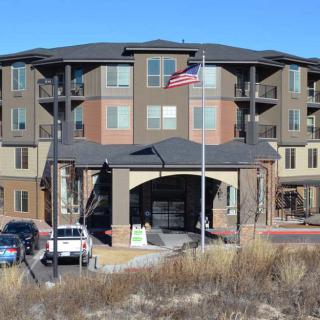




 Comprehensive Insights into Activities of Daily Living (ADLs) and Their Assessment
 Medicare Coverage for Assisted Living: An In-Depth Exploration
 Choosing the Right Senior Care: A Detailed Exploration of Assisted Living and Nursing Homes