
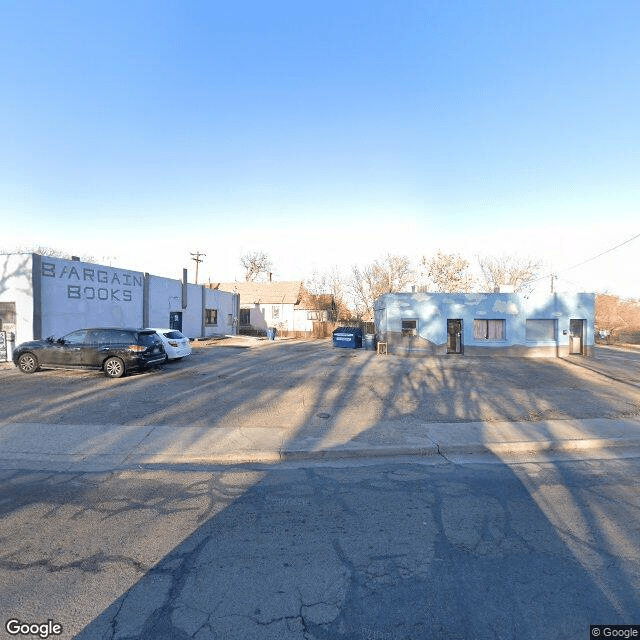
606 East Abriendo Avenue, Pueblo, CO 81004
To contact a resident: (719) 543-3439
For more information about senior living options: (866) 208-4318
Golden Gate Manor I & II Costs & Pricing
At Golden Gate Manor I & II, the monthly cost for a private room is set at $2,030, which presents a significantly more affordable option compared to both Pueblo County and the broader state of Colorado. In Pueblo County, the average monthly expense for a private room rises to approximately $3,956, while across Colorado, this figure escalates further to around $4,142. This competitive pricing not only underscores Golden Gate Manor's commitment to providing quality care at an accessible price but also positions it as an attractive choice for those seeking long-term residential options in an increasingly challenging financial landscape.
| Floor plans | Golden Gate Manor I & II | Pueblo County | Colorado |
|---|---|---|---|
| Private | $2,030 | $3,956 | $4,142 |
Senior living communities with a similar price nearby
-
from +$169 / mo
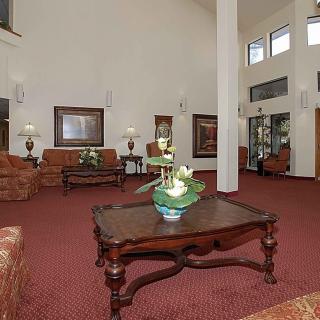
Holiday Pueblo Regent
$2,199 to $3,779 / month3.5 miles away -
About the same
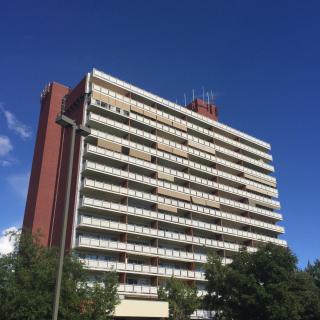
Villa Pueblo Senior Living Community
$2,050 to $2,950 / month2.5 miles away -
from +$270 / mo
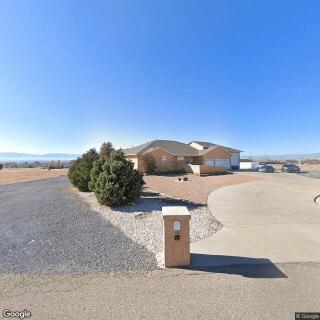
Tammy and Marty's Cozy Adult Family Home
$2,300 to $5,280 / month8.4 miles away -
About the same
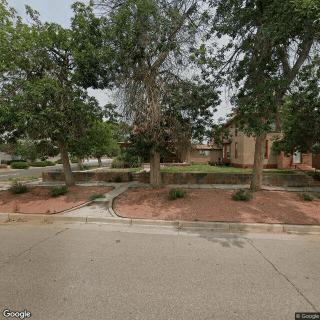
Greenwood Manor
$2,020 / month1.6 miles away
Overall Review of Golden Gate Manor I & II
Pros
 The staff take great care of residents.
- The facility is great.
- The neighborhood is nice.
- The service is excellent.
Cons
 The reviewer was disappointed by how the company handled itself during a resignation, after being asked to do things that were not above board.
- The facility is not wheelchair accessible.
- The reviewer notes that staff did not assist with a mattress pad after three requests.
- The meals are not nutritious, with cold cereal almost every morning, biscuits that are undercooked, and too much corn, and residents must buy snacks.
Review
Golden Gate Manor I & II in Pueblo is best suited for seniors who want a modest, neighborly setting with hands-on, personal care. Families prioritizing a warm, home-like atmosphere over high-end amenities will find the layout and staffing approach comforting. The campuses feel approachable, and staff relationships with residents often show genuine care. However, the community is less ideal for residents who require full wheelchair accessibility or intensive, structure-driven services. Those needing highly regulated dining programs or strong governance oversight may want to explore other options. In short, this is a practical choice for someone who values warm daily interactions and a non-clinical environment, with the caveat of notable accessibility limits.
Pros come in the form of attentive caregiving and a well-kept, pleasant setting within a friendly Pueblo neighborhood. Families report caregivers who genuinely take care of their loved ones, and the property’s upkeep supports a calm, routine-driven daily life. The overall mood tends to be low-stress and reassuring for caregivers who want a familiar, homelike place for daily activities. These strengths meaningfully offset minor service gaps for residents who do not need complex medical oversight or heavy mobility assistance, making this a good fit for people who thrive on personal attention more than institutional polish.
Yet clear drawbacks affect the calculus. The building design itself is not wheelchair accessible, a critical factor for anyone with mobility challenges or plans to transition to assisted living with compatible access. Requests for practical help, such as adding a mattress pad, can take repeated prompts without timely follow-through, signaling potential responsiveness gaps. Meal service is uneven: while meals are available, there is a tendency to rely on residents for snacks, and the daily breakfast options and kitchen offerings have drawn complaints about cold cereal most mornings, undercooked biscuits, and an excess of corn. For families who prize predictable, nourishing meals and straightforward accessibility, these gaps can be decisive.
Administrative impressions are mixed and worth weighing carefully. One review highlights dissatisfaction with how a leadership matter was handled after an employee resignation, suggesting concerns about processes and “above board” conduct. That kind of governance perception matters because care continuity, clear communication, and accountability ripple through every resident interaction. The contrast between strong on-the-ground caregiving and uneasy impressions of management creates a tension that can influence confidence in long-term reliability, problem-solving, and future service improvements. For families seeking transparent, proactive governance, this mix deserves close scrutiny.
Alternatives become compelling when accessibility, nutrition management, or administrative transparency are non-negotiable. If ADA-compliant design, dependable meal programs, and quick, consistent staff responsiveness are essential, exploring communities with verified accessibility features, dedicated dietary leadership, and robust escalation protocols is prudent. For residents with higher care needs or memory-care considerations, a more medically oriented setting, even at the cost of a less intimate neighborhood feel, may deliver the stability and structured routines sought. Those who can accept occasional meal-service variability and a slower pace may still find Golden Gate Manor a solid, affordable option that fits a specific lifestyle.
Bottom line: Golden Gate Manor I & II offers a benevolent, home-like environment and solid day-to-day care in a safe Pueblo neighborhood, making it a practical choice for seniors who prize personal attention over luxury and can operate within limited accessibility and dining consistency. Prospective residents should walk in with a clear checklist: verify actual wheel-chair access, confirm meal schedules and nutrition oversight, request candid discussions about staff responsiveness to practical requests, and probe governance transparency. If these factors align with the resident’s priorities, the community earns a favorable recommendation. If they do not, a higher-amenity, more accessible option may deliver the reliability, accessibility, and nutrition standards demanded by the care plan.
 Board and Care Home
 Private
 Pueblo Memorial (7 miles away)

 6 Crucial Ways an Elder Law Attorney Assists Families
 Navigating the Tax Landscape of Caregiving: Credits, Deductions, and Beyond
 Highly Beneficial Low-Impact Exercises for Senior Living Residents