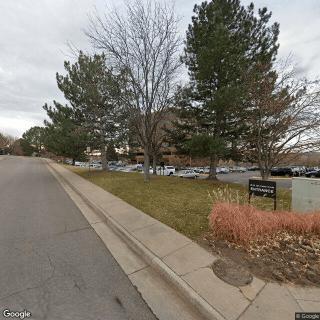
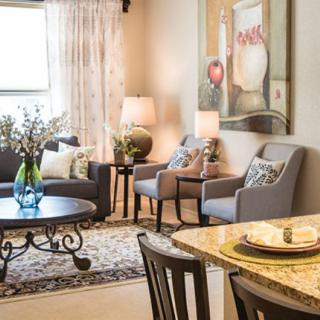
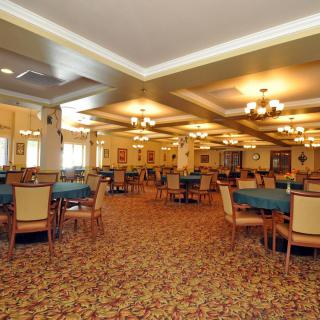
Stone Creek Of Littleton

7800 South Windermere Street, Littleton, CO 80120

For more information about senior living options: (844) 490-3973

4.4 from 33 reviews
5 stars
26
4 stars
2
3 stars
0
2 stars
1
1 stars
4

Assisted Living Memory Care

Stone Creek Of Littleton Costs & Pricing

Stone Creek of Littleton offers competitive pricing for its accommodations compared to both Arapahoe County and the broader state of Colorado. The cost for a semi-private room at Stone Creek is $3,780, slightly lower than the county's average of $3,797 and significantly more affordable than the state's average of $4,009. For those seeking more privacy, the private room rate at Stone Creek is $4,536, which remains within a reasonable range when contrasted with Arapahoe County's average of $4,116 and Colorado's statewide average of $4,142. Additionally, the studio option at Stone Creek is priced at $4,914; although it exceeds both county and state averages - $4,456 and $4,090 respectively - it still reflects the value and quality found within this community. Overall, residents can appreciate a blend of affordability and premium care services at Stone Creek of Littleton.

Floor plansStone Creek Of LittletonArapahoe CountyColorado
Semi-Private$3,780$3,797$4,008
Private$4,536$4,116$4,142
Studio$4,914$4,456$4,088

Overall Review of Stone Creek Of Littleton

Pros

  • pro The staff are patient, compassionate, and loving, providing remarkable care to residents.
  • pro The memory care program is engaging and helps residents thrive, with Angelika and Celeste described as devoted leaders.
  • pro The facility is beautifully maintained, sparkling clean, and located in a welcoming neighborhood.
  • pro Robb is a caring, approachable presence who builds connections with residents and reassures families.
  • pro Families feel the memory care team makes loved ones feel loved and at home from the start.
  • pro The activities and outings are varied, enjoyable, and encourage social interaction and family engagement.
  • pro Stone Creek is described as a family-like community where residents are treated with dignity, respect, and kindness.

Cons

  • pro They had an awful experience here.
  • pro They moved their parents there in December and moved them out by March.
  • pro In the short time they were there, staff turnover was high.
  • pro They felt their parents were declining at StoneCreek.
  • pro They tried calling staff for over an hour to get a patient back home, but no one answered.
  • pro They wondered if the staff were sleeping or if anyone worked there.
  • pro StoneCreek refused to accept their mother after arrangements were made, leaving the family stressed and effectively homeless.
  • pro There were serious errors with medication.
  • pro Sometimes no one answered the call button.
  • pro Management changed frequently, raising concerns about how the facility could operate.
  • pro The care team delayed their mother's exit from rehab to accommodate StoneCreek's opening.

Review

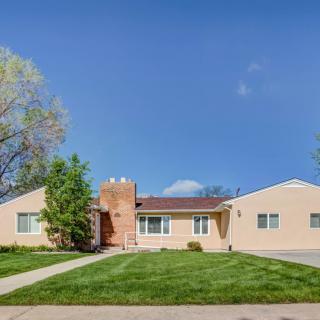
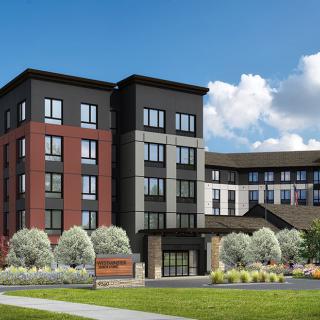
Stone Creek of Littleton is best suited for families seeking a warm, relationship-driven assisted living community with a strong memory-care focus. The living environment, from the well-kept interiors to the park-adjacent setting, supports an active, engaging lifestyle. The memory-care program stands out, not as an afterthought but as a core strength, with programming designed to keep residents mentally and socially engaged. This community shines when staff know residents well, cultivate dignity and kindness, and foster a sense of belonging through meaningful activities, musical classes, crafts, and outings. For families who want a "home with heart" where care teams build real connections, Stone Creek delivers consistently compelling outcomes.

Those who may want to consider alternatives include families prioritizing unflinching operational stability and flawless execution. Several reviews flag issues that matter in long-term planning: staff turnover, management changes, and occasional lapses in medication management or response times. One account describes admission challenges that left a family unsettled, underscoring the need for written confirmations and careful, up-front alignment on move-in commitments. For residents with complex clinical needs or families who crave a rock-solid continuity of leadership and procedures, it can be prudent to compare with other communities known for steadier governance and fewer procedural gaps.

The strongest credits go to the staff, whose warmth and attentiveness permeate daily life. Residents in both assisted living and memory care repeatedly benefit from patient, empathetic caregivers who treat people with genuine warmth and respect. The memory-care team - especially the director and the front-line caregivers - creates an atmosphere where engagement compounds over time, helping residents participate in activities and feel "at home." When programming is well planned, residents benefit from a lively calendar, outdoor time in a welcoming campus, and the sense that life remains active and purposeful. The facility's cleanliness and upkeep further amplify the sense of safety and pride in where one lives.

Yet the narrative is not without its cautions. Medication errors and occasional call-button lapses appear in a minority of reviews, reminding families that operational fragility can surface even in well-regarded communities. Staff turnover and leadership changes also recur as concerns, signaling that day-to-day reliability depends on how current leadership executes training, supervision, and standard procedures. A particularly unsettling account describes a veteran family's experience in which move-in arrangements fell through and care coordination became untenable, emphasizing the emotional and logistical stakes involved when expectations are not consistently met. Such voices are meaningful signals to verify current practices and leadership stability during a first-hand tour.

Despite these cautions, the pros can more than offset the cons for many families when approached with clear expectations and proactive engagement. The right-sized setting fosters personal attention; residents are not treated as anonymous units but as individuals with stories and preferences. The memory-care environment is designed to minimize wandering and maximize meaningful interaction, while the staff's ability to balance activity, therapy, and companionship often yields noticeable improvements in mood and quality of life. The community's social fabric - where residents form friendships, families feel welcomed, and staff members become trusted partners - creates a powerful counterweight to occasional procedural gaps.

For families evaluating Stone Creek, the practical path is to verify current leadership stability, ask for detailed medication-handling protocols, and request real-life examples of how staffing challenges are addressed. Tour aggressively for how the memory-care unit operates during peak hours, meet the Memory Care director, and spend time with front-line caregivers to gauge consistency and warmth. Confirm response times to calls and the process for escalating concerns. If the goal is a lively, affectionate, and thoughtfully designed environment where caregivers invest in residents' happiness and dignity, Stone Creek offers a compelling, if not flawless, alignment. It remains a strong, credible choice for those who value human connection as the primary driver of daily life.

Features

Types of Care

  • Assisted Living Assisted LivingAssisted living facilities provide crucial support and care for seniors who may need help with daily tasks such as medication management, bathing, and meal preparation. These communities offer a safe and comfortable environment where seniors can maintain their independence while receiving the assistance they need to thrive in their golden years.
  • Memory Care Memory CareMemory care is crucial for seniors as it provides specialized support and services for individuals with dementia or Alzheimer's disease. These programs offer a safe and secure environment where residents receive personalized care, cognitive stimulation, and help with daily activities. Memory care helps seniors maintain their independence, quality of life, and dignity while also providing peace of mind for their families.

Amenities

  • Air-conditioning Air-conditioningAir conditioning is important for seniors as they are more vulnerable to heat-related illnesses and may have underlying health conditions that make it difficult for them to regulate their body temperature. It helps to keep them comfortable, safe, and healthy in hot weather.
  • Beauty salon Beauty salonBeauty salons are important for seniors because they provide a space for them to feel pampered, socialize, and maintain their personal grooming and hygiene. Regular visits to a beauty salon can help boost seniors' self-esteem and overall well-being.
  • Cable or satellite TV Cable or satellite TVCable or satellite TV is important for seniors because it provides entertainment, news, and companionship, helping to combat loneliness and boredom. It also offers a wide range of programming options tailored to different interests and preferences.
  • Computer center Computer centerA computer center is essential for seniors as it provides access to technology, communication tools, and resources that can enhance their daily lives. It allows them to stay connected with loved ones, engage in online activities, and learn new skills, ultimately promoting socialization and mental stimulation.
  • Dining room Dining roomDining rooms are important for seniors as they provide a space for socialization, connection, and nutritious meals. They offer opportunities for residents to bond over shared meals, foster a sense of community, and promote healthy eating habits. Dining rooms also ensure that seniors have access to well-balanced meals tailored to their dietary needs and preferences.
  • Fitness room Fitness roomHaving a fitness room in a senior living community is essential for seniors to stay active, maintain their physical health, and improve their overall well-being. Regular exercise can help prevent falls, reduce the risk of chronic diseases, and promote mental sharpness. It also provides social opportunities for residents to connect with others and enjoy a sense of community.
  • Fully furnished Fully furnishedFully furnished senior living communities are important for seniors because they provide convenience, comfort, and a hassle-free moving experience. Seniors can easily settle into their new living space without the stress of having to buy and move furniture. This allows them to focus on enjoying their new home and community.
  • Gaming room Gaming roomGaming rooms are important for seniors as they provide a fun and engaging environment for socializing, cognitive stimulation, and physical activity. Games can improve memory, problem-solving skills, and overall mental well-being while fostering friendships and reducing feelings of isolation.
  • Garden GardenGardens are important for seniors as they provide a peaceful and therapeutic environment for relaxation, physical activity, and socialization. Being in nature has been shown to reduce stress, improve mood, and promote overall well-being. Gardens also offer opportunities for seniors to engage in gardening activities, which can improve mobility, flexibility, and cognitive function. Additionally, gardens create a sense of community and connection with others who share a passion for plants and outdoor spaces.
  • Housekeeping services Housekeeping servicesHousekeeping services are important for seniors because they help maintain a clean and safe living environment, promote independence, and reduce the risk of accidents or illnesses. Additionally, having assistance with household chores can alleviate physical strain and allow seniors to focus on other aspects of their well-being.
  • Kitchenette KitchenetteKitchenettes are important for seniors living in senior living communities because they provide the convenience and independence of being able to prepare simple meals and snacks in the comfort of their own living space. This can help promote a sense of autonomy and well-being for seniors, allowing them to maintain some level of control over their dietary choices and daily routines.
  • Move-in coordination Move-in coordinationMove-in coordination is important for seniors because it helps ease the transition into their new living environment. It ensures that all logistics, such as packing, organizing movers, and setting up utilities are taken care of, allowing seniors to focus on settling in and adjusting to their new home. Having a smooth move-in process can alleviate stress and anxiety, making the transition smoother and more enjoyable for seniors.
  • Outdoor space Outdoor spaceOutdoor spaces are important for seniors as they provide opportunities for physical activity, social interaction, exposure to natural light and fresh air, and a sense of connection to nature. Having access to outdoor spaces can improve overall well-being and quality of life for older adults living in senior communities.
  • Private bathrooms Private bathroomsPrivate bathrooms are important for seniors in senior living communities because they provide independence, dignity, and comfort. Having a private bathroom allows seniors to maintain their personal hygiene routines without the need for assistance, promoting a sense of autonomy and privacy. Additionally, private bathrooms help prevent the spread of infections and provide a safe and clean environment for seniors to navigate safely.
  • Restaurant-style dining Restaurant-style diningRestaurant-style dining is important for seniors because it allows them to enjoy delicious, nutritious meals in a social and upscale setting. This enhances their dining experience, promotes healthy eating habits, and fosters socialization with fellow residents, ultimately contributing to their overall well-being and quality of life.
  • Small library Small librarySmall libraries are important for seniors as they provide access to a variety of reading materials, including books, newspapers, and magazines. This can help stimulate their minds, keep them engaged, and provide a sense of community through book clubs and other social activities. Additionally, reading has been shown to improve cognitive function and overall mental well-being in older adults.
  • Telephone TelephoneTelephones are important for seniors as they provide a lifeline for communication with loved ones, emergency services, and healthcare providers. They offer a sense of security and independence, enabling seniors to stay connected and access assistance when needed.
  • Wellness center Wellness centerWellness centers are important for seniors because they offer a variety of programs and services that promote physical, mental, and emotional well-being. These centers provide opportunities for exercise, socialization, education, and relaxation, helping seniors maintain their overall health and quality of life.
  • Wi-Fi/high-speed internet available Wi-Fi/high-speed internet availableWi-Fi/high-speed internet is important for seniors to stay connected with loved ones, access online resources, and participate in virtual activities to combat feelings of loneliness and isolation. It also allows them to easily manage healthcare needs, access entertainment, and engage in lifelong learning opportunities.

Transportation

  • Community operated transportation Community operated transportationCommunity operated transportation is crucial for seniors as it provides them with the means to access essential services, social activities, and medical appointments. It allows seniors to maintain their independence and quality of life by ensuring they can participate in activities outside of their homes. Additionally, community-operated transportation services offer a safe and reliable way for seniors to travel without having to rely on family or friends for assistance.
  • Transportation arrangement Transportation arrangementTransportation arrangements are crucial for seniors as they may face challenges with driving, mobility, or access to public transportation. Having reliable transportation services ensures that seniors can easily attend appointments, social activities, and maintain their independence and quality of life.

Care Services

  • 24-hour call system 24-hour call system24-hour call systems are important for seniors because they provide peace of mind and immediate assistance in case of emergencies. This technology ensures that help is always available, promoting safety and security for elderly individuals living alone or in assisted living facilities.
  • 24-hour supervision 24-hour supervision24-hour supervision is important for seniors to ensure their safety, well-being, and access to immediate assistance in case of emergencies or health issues. This constant support provides peace of mind for both seniors and their loved ones, allowing them to age in place with dignity and security.
  • Activities of daily living assistance Activities of daily living assistanceActivities of daily living assistance are important for seniors because they provide essential support with tasks such as eating, bathing, dressing, and mobility. This assistance helps seniors maintain their independence, dignity, and overall quality of life as they age.
  • Assistance with bathing Assistance with bathingAssistance with bathing is crucial for seniors as it helps maintain personal hygiene, prevents infections, and ensures their overall well-being and comfort. It also provides a sense of dignity and independence for seniors who may struggle with this task on their own.
  • Assistance with dressing Assistance with dressingAssistance with dressing is important for seniors because it helps maintain their independence, promotes personal hygiene, prevents accidents and injuries, and improves overall quality of life. This service ensures that seniors can continue to dress comfortably and confidently, despite any physical limitations they may have.
  • Assistance with transfers Assistance with transfersAssistance with transfers is crucial for seniors as it helps prevent falls and injuries, maintains their independence, and ensures they can safely navigate their living environment. It also provides peace of mind for both seniors and their loved ones.
  • Coordination with health care providers Coordination with health care providersCoordination with health care providers is crucial for seniors to ensure proper medical care, medication management, and overall well-being. This collaboration helps prevent overlapping treatments, track progress more effectively, and provide comprehensive support tailored to individual needs.
  • Dementia waiver Dementia waiverDementia waivers are essential for seniors as they provide critical protections and accommodations for those experiencing cognitive decline. These waivers ensure individuals with dementia receive appropriate care, support, and resources to maintain their quality of life and dignity as they navigate the challenges of this progressive condition.
  • Diabetes diet Diabetes dietA diabetes diet is crucial for seniors as it helps manage blood sugar levels, reduce risks of complications, and improve overall health and well-being. By following a balanced and nutritious diet tailored to their specific needs, seniors can better control their diabetes and enhance their quality of life.
  • Hospice waiver Hospice waiverHospice waivers are important for seniors because they allow individuals to receive specialized end-of-life care and support at home or in a hospice facility. This waiver ensures that seniors can access the necessary resources and services to maintain comfort and dignity during their final days.
  • Meal preparation and service Meal preparation and serviceMeal preparation and service are crucial for seniors as they may have limited mobility or energy to cook nutritious meals. Having access to healthy and convenient food options can ensure they are getting the proper nutrition needed to maintain their overall health and well-being.
  • Medication management Medication managementMedication management is crucial for seniors to ensure they are taking the right medications at the correct dosages and times. This helps prevent adverse drug interactions, reduces the risk of medication errors, and promotes overall health and well-being. Proactive management also allows for adjustments as needed based on changing health conditions or new prescriptions.
  • Mental wellness program Mental wellness programMental wellness programs are essential for seniors as they promote cognitive stimulation, emotional support, and social engagement. These programs help prevent isolation, depression, and cognitive decline, ultimately enhancing the overall quality of life for older adults.
  • Mild cognitive impairment Mild cognitive impairment"Mild cognitive impairment" is important for seniors because it is an early stage of cognitive decline that can potentially progress to more severe conditions such as dementia. Recognizing and addressing mild cognitive impairment can help seniors receive appropriate care and support to maintain their quality of life and independence for as long as possible.
  • Special dietary restrictions Special dietary restrictionsSpecial dietary restrictions are important for seniors because age-related changes in metabolism and health conditions can make it difficult for their bodies to process certain foods. By following a diet tailored to their specific needs, seniors can maintain their overall health and well-being, manage chronic conditions, and reduce the risk of complications such as malnutrition or food interactions with medications.
  • Specialized memory care programming Specialized memory care programmingSpecialized memory care programming is crucial for seniors with cognitive impairments such as dementia or Alzheimer's disease. These programs provide a safe and supportive environment tailored to the unique needs of individuals with memory loss, helping them maintain their independence, dignity, and quality of life.
  • Transportation arrangement (medical) Transportation arrangement (medical)Transportation arrangements for medical purposes are essential for seniors as they may have difficulty driving themselves to appointments or accessing public transportation. Having reliable and safe transportation options ensures that seniors can receive timely medical care and maintain their health and well-being.
  • Transportation to doctors appointments Transportation to doctors appointmentsTransportation to doctors' appointments is crucial for seniors as it ensures they have access to necessary medical care and support for their health needs. Without reliable transportation, seniors may struggle to attend important appointments, leading to potential delays in treatment and health complications. Providing transportation services helps seniors maintain their overall well-being and quality of life.

Dining

  • Diabetes diet Diabetes dietA diabetes diet is crucial for seniors as it helps manage blood sugar levels, reduce risks of complications, and improve overall health and well-being. By following a balanced and nutritious diet tailored to their specific needs, seniors can better control their diabetes and enhance their quality of life.
  • Special dietary restrictions Special dietary restrictionsSpecial dietary restrictions are important for seniors because age-related changes in metabolism and health conditions can make it difficult for their bodies to process certain foods. By following a diet tailored to their specific needs, seniors can maintain their overall health and well-being, manage chronic conditions, and reduce the risk of complications such as malnutrition or food interactions with medications.

Activities

  • Community-sponsored activities Community-sponsored activitiesCommunity-sponsored activities are important for seniors as they provide opportunities for social interaction, mental stimulation, and physical activity. These activities can help improve overall well-being, combat loneliness and isolation, and promote a sense of belonging and purpose among older adults.
  • Concierge services Concierge servicesConcierge services are essential for seniors as they provide assistance with daily tasks and errands, enhance their quality of life by offering convenience and personalized care, and promote a sense of safety and security.
  • Fitness programs Fitness programsFitness programs are crucial for seniors as they help improve strength, flexibility, balance, and overall well-being. Staying active can reduce the risk of chronic diseases, improve mental health, and enhance quality of life in older adults.
  • Planned day trips Planned day tripsPlanned day trips are important for seniors because they offer opportunities for socialization, mental stimulation, and physical activity. They provide a change of scenery and help seniors stay engaged and connected to their community, promoting overall well-being and quality of life.
  • Resident-run activities Resident-run activitiesResident-run activities are important for seniors as they encourage social interaction, creativity, and a sense of autonomy. These activities empower seniors to stay engaged and active in their community while fostering meaningful connections with their peers.
  • Scheduled daily activities Scheduled daily activitiesScheduled daily activities are important for seniors because they provide structure, socialization, mental stimulation, and physical activity. Engaging in regular activities can improve overall well-being and quality of life for seniors living in a community setting.

Description

Stone Creek of Littleton in Littleton, CO is an assisted living community that specializes in providing memory care for seniors. With a range of amenities and services, residents can enjoy a comfortable and fulfilling lifestyle.

The community offers a variety of amenities to cater to the needs and preferences of its residents. A beauty salon is available for residents to pamper themselves and maintain their personal grooming needs. Cable or satellite TV ensures that entertainment options are always readily accessible. Community-operated transportation provides convenient access to nearby destinations, including medical appointments. A computer center allows residents to stay connected with loved ones or pursue personal interests online.

Residents can dine in the elegant dining room, where they can enjoy restaurant-style meals prepared by the community's culinary team. Special dietary restrictions are accommodated to ensure that each resident's unique dietary needs are met. Additionally, three cafes and 12 restaurants nearby offer further dining options.

The wellness of residents is prioritized through various activities and services provided at Stone Creek of Littleton. A fitness room encourages physical activity and maintains overall health and well-being. Planned day trips allow residents to explore the surrounding area and engage in new experiences. Additionally, resident-run activities are organized to foster social interactions within the community.

Care services offered include 24-hour supervision, assistance with daily living activities such as bathing and dressing, coordination with healthcare providers, medication management, as well as specialized memory care programming for those with dementia or mild cognitive impairment.

Within close proximity to Stone Creek of Littleton are two parks where residents can enjoy nature walks or engage in outdoor activities. Nearby healthcare facilities include five physicians and two hospitals for easy access to medical services when needed. Two theaters provide opportunities for cultural enrichment, while one place of worship ensures spiritual support within the community.

Stone Creek of Littleton strives to provide personalized care and ensure that each resident feels safe, comfortable, engaged, and supported in their daily lives while enjoying a wide range of amenities and activities.

Nearby Places of Interest

Physicians

  • South Denver Cardiology Associates (0.6 miles)
  • Corneal Consultants of Colorado PC (0.8 miles)
  • Alta Vista Dermatology (1.1 miles)
  • Panorama Orthopedics (1.3 miles)
  • Centennial Family Care (1.3 miles)
  • Colorado Surgical Arts (5.3 miles)
  • Native Roots Dispensary (6 miles)

Places of Worship

  • Mission Hills Church (0.8 miles)
  • Pax Christi Catholic Church (5.7 miles)
  • Temple Sinai (6.8 miles)

Pharmacies

  • King Soopers Pharmacy (0.8 miles)
  • Walgreens (1 miles)
  • Walgreens (1.9 miles)
  • Walgreens (2.8 miles)
  • Walgreens (3.5 miles)
  • Walgreens (3.6 miles)
  • Walgreens (3.8 miles)

Cafes

  • Starbucks (0.9 miles)
  • Starbucks (1.5 miles)
  • Starbucks (5 miles)
  • Starbucks (5.3 miles)
  • Starbucks (6.2 miles)
  • Starbucks (6.7 miles)
  • Black Rock Coffee Bar (6.9 miles)

Restaurants

  • McDonald's (1 miles)
  • Torchy’S Tacos (1.5 miles)
  • Angelos Taverna (1.5 miles)
  • Breckenridge Brewery (1.6 miles)
  • Chick-Fil-A (1.9 miles)
  • Raising Cane's Chicken Fingers (1.9 miles)
  • McDonald's (1.9 miles)

Theaters

  • Alamo Drafthouse Littleton (1.2 miles)
  • AMC Highlands Ranch 24 (1.3 miles)

Hospitals

  • Children's Hospital Colorado South Campus (1.3 miles)
  • UCHealth Highlands Ranch Hospital (1.6 miles)

Parks

  • Chatfield State Park (4.5 miles)
  • Spearwood Park (4.7 miles)
  • Pinecrest Park (5.6 miles)
  • Blue Heron Park (6.7 miles)
  • Mamie D Eisenhower Park (6.9 miles)
  • Bluffs Regional Park (7.2 miles)
  • Rosamond Park (7.3 miles)

Transportation

  • Arapahoe Light Rail Station (6.5 miles)

Frequently Asked Questions

How much does it cost to live at Stone Creek Of Littleton in Littleton, CO?
Where is Stone Creek Of Littleton?
Does Stone Creek Of Littleton provide care for residents with dementia or Alzheimer's disease?

Nearby Communities

  • Life Care Center Of Littleton

    Life Care Center Of Littleton

    Littleton, CO

    4.8 from 108 reviews
     

    pro Strong rehabilitation services with skilled therapists and a clean, welcoming environment.

  • Healthsouth Rehab Hospital Of Denver

    Healthsouth Rehab Hospital Of Denver

    Littleton, CO

    4.5 from 102 reviews
     

    pro Exceptional care and meaningful rehab progress

  • Assured Assisted Living 8

    Assured Assisted Living 8

    Littleton, CO

    5 from 3 reviews
    $5,900 to $6,900 / month

    pro Small, intimate community with personalized care and strong memory care programs, plus robust on-site amenities.

  • All Heart Home Care Inc.

    All Heart Home Care Inc.

    Littleton, CO


    pro Peaceful Littleton setting with personalized, supportive care.

  • Seniors Etc

    Seniors Etc

    Littleton, CO

    5 from 100 reviews
     

    pro Active, social community with convenient access to healthcare, dining, parks, and other nearby amenities.

  • Verona

    Verona

    Highlands, CO


    pro Small, intimate community with personalized care (meal preparation and medication management) and nearby health and dining amenities.

  • Wind Crest

    Wind Crest

    Highlands Ranch, CO

    3.6 from 109 reviews
     

    pro Beautiful, well-kept campus with engaging activities, strong dining, and friendly staff.

  • Libby Bortz Assisted Living

    Libby Bortz Assisted Living

    Littleton, CO

    3.9 from 30 reviews
    $1,648 / month

    pro Clean, well-kept, and welcoming with friendly staff and an active social program in a convenient Littleton location.

  • Vi at Highlands Ranch,  a CCRC

    Vi at Highlands Ranch, a CCRC

    Highlands Ranch, CO

    4.3 from 54 reviews
    $4,860 to $6,390 / month

    pro Caring staff, beautiful campus, strong dining and activities.

Related Resources

  • caregiver support group22 Remarkable Caregiver Support Groups Available Online and In-Person

    Caregiver support groups are crucial for providing emotional and practical assistance to those caring for loved ones, offering resources, coping strategies, and a sense of community through various organizations and platforms. These groups help alleviate isolation and burnout while addressing the unique challenges faced by caregivers of individuals with specific conditions.

  • does medicaid pay for assisted livingUnderstanding Medicaid Coverage for Assisted Living: A Comprehensive Guide

    The guide outlines the complexities of Medicaid coverage for assisted living, highlighting significant state-to-state variations, limited coverage often restricted to personal care services, and the existence of specialized waivers for certain needs like memory care. It advises families to consult local Medicaid offices for options while emphasizing the importance of understanding state-specific regulations and facility policies.

  • does medicaid pay for assisted livingHow and When Medicaid May Cover Assisted Living Costs

    Medicaid coverage for assisted living varies by state and is primarily available to low-income individuals, with eligibility dependent on strict income and asset limits. Some states offer HCBS waivers for specific services in assisted living, but families must generally cover room and board costs, and should verify facility acceptance of Medicaid while considering potential waiting lists.