
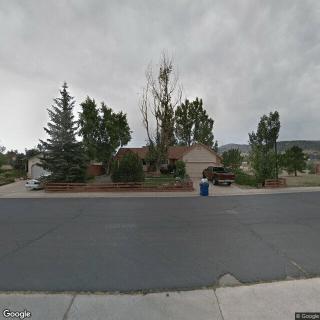
8295 South Cody Street, Littleton, CO 80128
For more information about senior living options: (866) 208-4318
Overall Review of Colorado Assisted Living Homes Cody
Pros
 Colorado Assistant Living employs very professional, highly trained caregivers who offer warmth and love, making visitors feel welcome home.
- Colorado Assisted Living is a wonderful place for grandma, with kind and loving staff and no place quite as nice.
Cons
 The reviewer claims it is not a safe place for mom.
- The review's title proclaims that it is not a safe place for mom.
Review
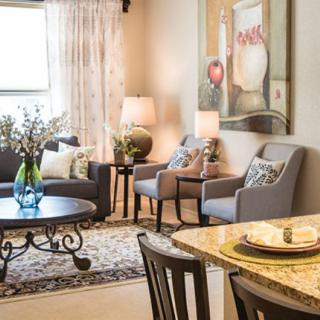
This Colorado Assisted Living Homes Cody in Littleton is best suited for families seeking a warm, home-like environment where residents are tended to by professional, attentive caregivers. It appeals to those who prioritize kindness, personalized interactions, and a sense of welcome over a clinical, institution-like atmosphere. The setting appears intimate, with caregivers who present themselves as genuinely caring, making daily routines feel comfortable and familiar. It is particularly apt for seniors who respond well to consistent, friendly staff and a house-like feel rather than a large campus vibe.
However, there are clear reasons to consider alternatives, especially for families focusing on safety and medical oversight. One review title points to safety concerns, suggesting potential gaps that require closer scrutiny. The limited number of evaluations and the absence of detailed, objective safety metrics mean doubtful families should not assume a risk-free environment. For residents with higher medical needs, complex medication regimens, or memory-care requirements that demand constant monitoring, a community with more comprehensive nursing services and stricter safety protocols may be a better match.
The strongest positives center on the care team. The narrative emphasizes professional, highly trained caregivers working in each home, with a palpable warmth that residents experience upon arrival. Such attributes translate into reliable daily support, consistent companionship, and a welcoming culture that can dramatically improve quality of life. In small, homey settings, this combination often yields stronger caregiver-resident relationships, fewer feelings of isolation, and smoother management of routine activities like meals, bathing, and gentle socialization.
Yet the same strengths cannot completely neutralize the concerns raised by safety-focused apprehensions. The heart of the hesitation lies in whether a warm, personable staff can compensate for what may be perceived as gaps in formal safety oversight. Prospective families should probe beyond kind words and inquire about concrete safeguards: staff-to-resident ratios, supervision levels during night shifts, fall-prevention measures, emergency response times, medication management procedures, and how incidents are tracked and communicated. Without transparent answers to these questions, the emotional comfort of a homey setting risks being outweighed by safety unease.
This community is a practical fit for seniors who prioritize a calm, intimate living arrangement with consistent, considerate care. It is less suited for families seeking robust clinical support, aggressive memory-care safeguards, or large-program resources. Those requiring regular nursing on-site, specialized dementia programming, or guaranteed rapid escalation of medical needs should seriously weigh alternatives that offer certified nursing staffing 24/7 and clearly documented safety protocols. Similarly, a family wanting broad activity calendars, transportation for appointments, and highly visible safety reporting may find a larger, more structured campus a better match.
In the end, the verdict points toward a selective fit: the environment can deliver meaningful emotional comfort and dependable daily care for residents who thrive on personal attention and a home-like rhythm. It remains essential to validate safety assumptions through direct conversations, tours, and verification of policies before committing. Families should request a meet-and-greet with current caregivers on multiple shifts, see the facility’s safety and incident management documents, and, if possible, speak with residents or family members about real-world experiences. When safety expectations are clear and aligned with the resident’s needs, this Littleton option can be a strong choice; when they are not, the case for exploring alternatives becomes compelling.
 8 resident community capacity
 Assisted Living
 Board and Care Home
 Cable or satellite TV
 Dining room
 Fully furnished
 Garden
 Housekeeping services
 Move-in coordination
 Outdoor space
 Telephone
 Wi-Fi/high-speed internet available
 24-hour supervision
 Activities of daily living assistance
 Assistance with bathing
 Assistance with dressing
 Assistance with transfers
 Diabetes diet
 Meal preparation and service
 Medication management
 Special dietary restrictions
 Transportation arrangement (medical)
 Transportation to doctors appointments


 Assisted Living and Memory Care: Understanding Their Core Differences
 Beyond the Bingo Hall: 50+ Enriching Activities for Seniors in Assisted Living
 Understanding the Distinctions: Assisted Living and Memory Care Explained