
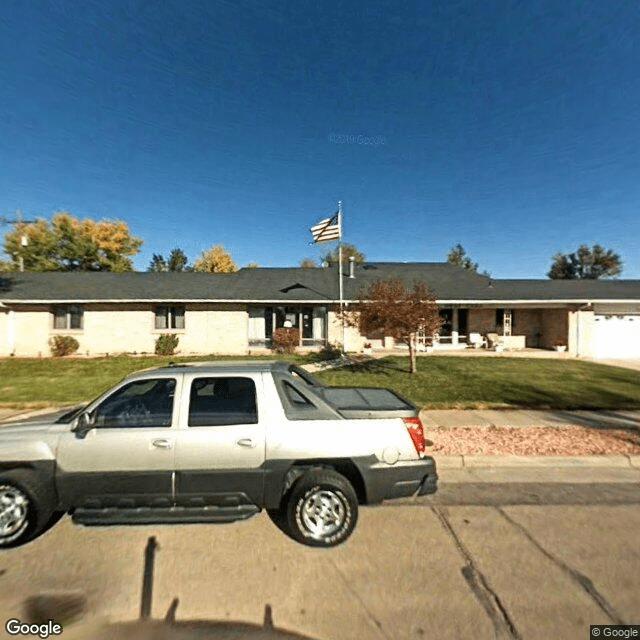
195 W Gandy Ave, Keenesburg, CO 80643
To contact a resident: (303) 732-4424
For more information about senior living options: (866) 208-4318
Overall Review of Cara Gray Alternative Facility
Pros
 The staff provide very good help and do whatever they can for everyone.
- They do their best to get what residents need.
- The facility feels like a home with a quiet country atmosphere and is very clean and well maintained.
- Residents enjoy home-cooked meals, holiday celebrations, and plenty of activities.
- Residents can keep their own bedroom furniture to feel comfortable.
- The price is very reasonable and Medicaid is accepted.
- Residents receive 24-hour care and hospice services.
- Within a month, there is a noticeable difference in residents: weight gain, renewed appetite, resumed medications, more interaction with staff, and smiles.
Review
Cara Gray Alternative Facility in Keenesburg is best suited for families seeking a small, home-like assisted living where staff attentiveness feels personal, and where Medicaid-backed options and hospice care are accessible. The community’s intimate size creates a sense of continuity, helping seniors settle into routines without the clinical detachment of a larger campus. The quiet country setting supports dignity and independence, rather than a hurried, institutional pace. Keenesburg’s rural placement provides practical familiarity for families who want regular visits but prefer a less congested environment than an urban facility can offer. Cleanliness and upkeep are consistently highlighted, and residents can bring their own bedroom furniture, which eases the transition and preserves personal identity from day one. The presence of a house dog signals a warm, lived-in atmosphere that many families value as part of daily life.
That said, this setting may not be right for every senior. Families needing expansive social programming, a bustling activity calendar, or extensive on-site medical services might find the campus too small. The intimate scale can limit the variety of activities and the scope of therapies, so it is essential to verify the level of clinical oversight and what specialized services are readily available if medical needs escalate. For residents who require highly structured memory care or frequent, intensive interventions, larger facilities with comprehensive clinical teams may be a better fit. The rural location, while peaceful, could translate into longer travel times for visits or fewer nearby amenities compared with urban choices. Those who prize a vibrant, multi-wing community with abundant events may prefer alternatives that offer broader social channels and more comprehensive on-site resources.
Against those potential drawbacks, the facility delivers several decisive advantages. The staff embodies a genuine commitment to doing whatever it takes for residents, a mindset reinforced by reports that caregivers pursue needed services and supports proactively. The combination of 24-hour care and hospice services provides critical reassurance for families seeking ongoing protection and continuity of care. Personal touches matter: the option to keep a familiar bedroom set, the home-cooked meals, and the holiday celebrations all contribute to a sense of continuity and comfort that eases anxiety about relocation. Affordability is a clear strength, strengthened further by Medicaid acceptance, which lowers financial barriers and stabilizes long-term planning. A quiet country ambience helps minimize agitation and support routine adherence, and the faith-based element, curiously placed with a Catholic church across the street, offers spiritual continuity that many families find meaningful.
An anecdotal snapshot underscores the practical impact. Within a month, a grandmother’s weight stabilized, meals regained appeal, medications resumed their routine, and meaningful interactions with staff returned, culminating in a genuine smile that signals renewed quality of life. The presence of a house dog adds an additional layer of comfort and non-institutional companionship that resonates with many seniors and their families. The overarching impression is that staff kindness is not episodic but foundational, reinforcing trust for families who must place daily care in someone else’s hands. Taken together, the combination of home-like care, reasonable pricing, and access to hospice and Medicaid creates a compelling case for families prioritizing dignity and stability over brisk, impersonal care models.
For families navigating a choice, practical steps keep the process grounded. Schedule a tour to assess the home-like atmosphere and to understand how daily routines are structured. Ask pointed questions about what services are included in the base rate and what would require additional fees, and verify Medicaid eligibility and the specifics of how it applies to ongoing care. Clarify hospice coverage, staffing ratios around the clock, and what happens if medical needs intensify. Confirm whether personal belongings are welcomed and how pets are accommodated beyond the house dog. Faith needs and spiritual support are worth probing if these aspects matter, given the street-front church’s proximity. Finally, map the logistics: distance from home, travel time for regular visits, and who will coordinate with outside healthcare providers. A candid, data-driven conversation will reveal whether the “whatever it takes” ethos holds steady under real-world demands.
In sum, Cara Gray Alternative Facility stands out as a strong option for families prioritizing warmth, personal attention, and affordability within a small, homey setting. It is particularly well-suited for seniors who value continuity, family involvement, and access to Medicaid and hospice services without sacrificing dignity. Those seeking a larger community with expansive programming or intensive medical oversight should explore alternatives with bigger campuses and more robust clinical offerings. The decision should hinge on medical needs, desired pace, and the importance placed on comfort, autonomy, and spiritual continuity. A focused tour, direct conversations with caregivers, and a clear financial plan will illuminate whether this intimate Keenesburg option aligns with long-term goals or if another community better matches the senior’s preferences and the family’s expectations.
 Board and Care Home
 Denver International (19 miles away)

 Weight Training for Seniors: Building Strength and Vitality
 Understanding the Sandwich Generation: Stress and Responsibilities for Multigenerational Caregivers
 8 Essential Assistive Devices for Older Adults