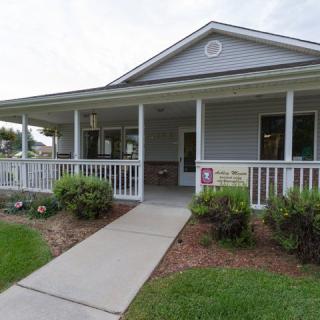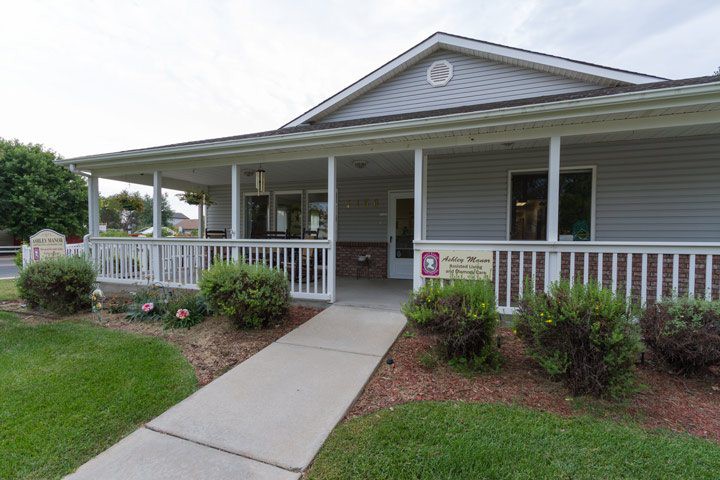
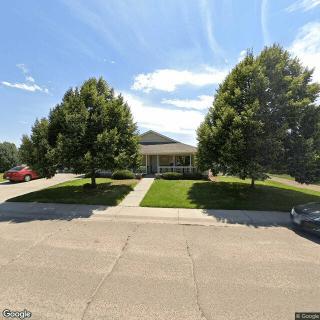
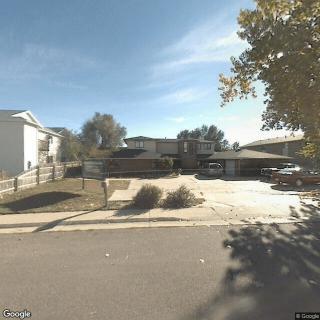
1150 4th Street, Fort Lupton, CO 80621
For more information about senior living options: (866) 208-4318
Overall Review of Ashley Manor Fort Lupton 2
Pros
 Jennifer and her team are top notch.
- Jennifer goes above and beyond to meet the needs of residents and their families.
- Jennifer and her team are always willing to meet and work through challenges, focusing on the best case scenario.
- The Gardens Care location has transformed its environment and operations under the Gardens Care Senior Living umbrella.
- Billie and Danielle earned a perfect score, a zero deficiency survey, from the Department of Health.
- The staff work well with residents and provide frequent treats and ample meals.
- The staff care for residents and treat them like family.
- The facility offers engaging activities and events, such as barbecues, painting projects, and holiday meals.
- The staff follow doctors' directions to the tee, reflecting attentive and compliant care.
- The memory care unit uses secured doors to ensure resident safety.
Cons
 The home is severely understaffed.
- It relies heavily on agency workers unfamiliar with residents’ routines, causing inconsistent care.
- In the memory care unit, there is often only one caregiver in the evenings, leaving residents unsupervised.
- The administrator is rarely present or available, indicating a lack of leadership.
- Families doubt residents are receiving the attention and safety they deserve.
- It is not the place for your loved one.
- The resident is smoking on oxygen.
- The resident drinks a quart of vodka daily.
- There is high staff turnover.
- The facility lacks extra doctors and transportation for residents.
Review
Ashley Manor Fort Lupton 2 is best suited for seniors who need help with daily tasks but do not require intensive medical care, and for families who are prepared to take an active, hands-on role in oversight. The community can deliver warmth and compassion from caregivers who are genuinely invested in residents, but only if leadership is consistently present and staffing remains stable. For memory-care residents and for those who require reliable, around-the-clock supervision, this location warrants careful scrutiny and a clear plan for ongoing family involvement.
The most serious concerns center on staffing and leadership. Reports consistently flag severe understaffing, heavy reliance on agency workers who do not know residents’ routines, and a troubling pattern of limited supervision in the memory-care unit during evenings. When leadership is scarce or disengaged, overwhelmed caregivers bear the brunt of the workload, creating gaps in safety, continuity of care, and responsiveness. Families must confront the reality that without strong administrative presence, the quality of daily care can vary dramatically from shift to shift, undermining trust and confidence in the facility’s ability to keep residents safe.
Yet there are palpable strengths that matter in daily life for residents. Several reviews highlight caregivers who are capable, attentive, and genuinely caring, with staff who try to treat residents like family. When the leadership is engaged, staff members reportedly do their best to meet needs, follow medical directions, and maintain a respectful, nurturing environment. For families who can lean on a proactive manager, someone who advocates for residents and coordinates responsiveness when issues arise, these elements can help the community function more smoothly day-to-day. In other words, the care culture can be solid where leadership steps in consistently.
That said, the weight of the cons cannot be dismissed. One alarming submission describes residents exposed to unsafe situations, comprising high-risk conditions that demand reliable supervision and clear oversight, that, if representative of typical practice, would be unacceptable. Additional reviews imply ongoing personnel turnover and limited organizational cohesion, with criticisms that management and ownership limit the ability to enact important improvements. These signals collectively suggest that while the caregiving heart exists, it is routinely impeded by structural gaps and insufficient governance.
Ultimately, the pros and cons do not balance equally for families weighing a long-term placement here. If high-quality, dependable supervision and a stable staffing model are non-negotiables, this community risks falling short despite commendable individual caregiver efforts and moments of strong resident care. For families who can remain vigilant, insist on visible, active leadership, and maintain formal oversight, there can be meaningful benefit in a setting that offers warmth and personable care. However, for those needing consistently safe dementia- or memory-care management, or for households unwilling to commit to ongoing advocacy, alternatives with stronger staffing ratios and more robust administrative presence are likely a wiser choice.
Practical next steps include requesting a detailed staffing plan that shows ratios by shift, especially for memory care, and asking to meet the administrator and lead caregivers to gauge presence and responsiveness. Probe for turnover data, training standards, and how agency staff are credentialed and integrated into routines. Ask for specific care plans for memory-care residents, emergency response procedures, and examples of how concerns have been resolved in the past year. Finally, visit with current residents and families, observe care dynamics during peak hours, and compare this community against nearby options with proven consistency in staffing and leadership. This approach ensures a clear-eyed decision aligned with safety, reliability, and the resident’s quality of life.
 14 resident community capacity
 Studio apartments
 Assisted Living
 Board and Care Home
 Beautician on-site
 Cable or satellite TV
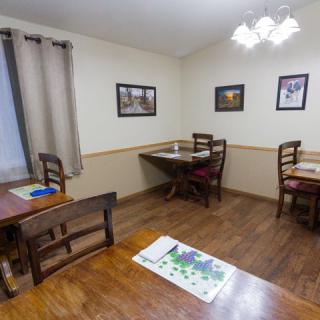
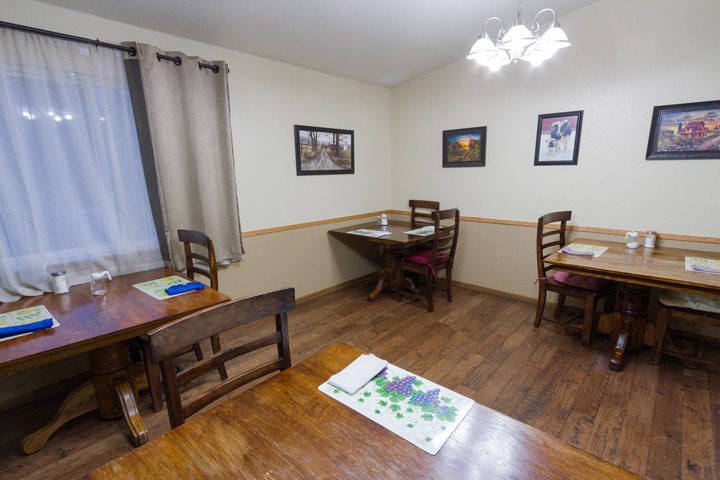
 Dining room
 Financing advice
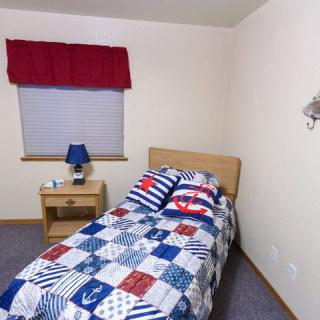
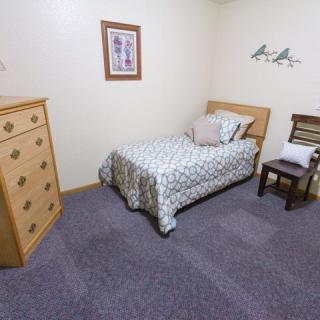
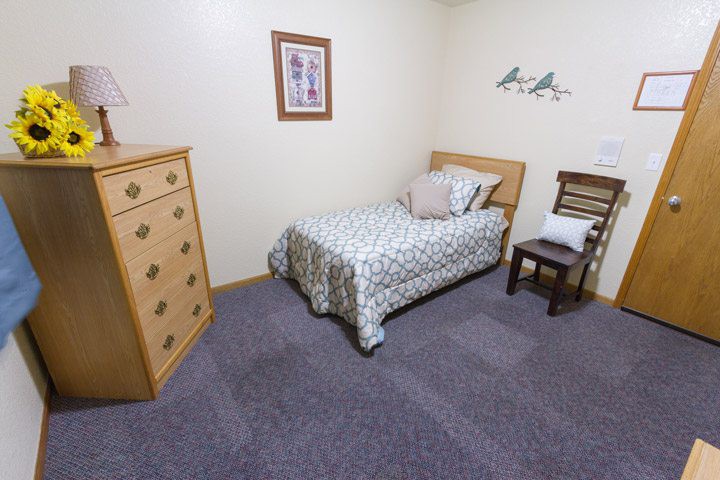
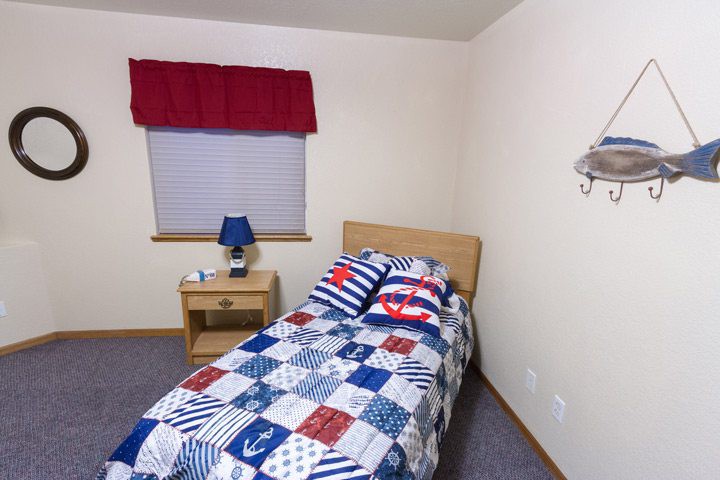
 Fully furnished
 Garden
 Guest parking
 Housekeeping services
 Laundry
 Move-in coordination
 Outdoor space
 Respite or short term stays offered
 Telephone
 Wi-Fi/high-speed internet available
 Denver International (17 miles away)
 Transportation & parking
 24-hour supervision
 Activities of daily living assistance
 Assistance with bathing
 Assistance with dressing
 Assistance with transfers
 Companion care
 Diabetes diet
 Hospice care
 Meal preparation and service
 Medication management
 Special dietary restrictions
 Transportation arrangement (medical)
 Arts and crafts
 Book club
 Cooking club
 Educational speakers / life long learning
 Games
Games Live musical performances
 Religious services
 Wii bowling
 Yoga / chair yoga
 English




 Understanding Medicaid Coverage for Assisted Living: A Comprehensive Guide
 How and When Medicaid May Cover Assisted Living Costs
 A Detailed Exploration of Assisted Living Medicaid Waivers Across the United States