
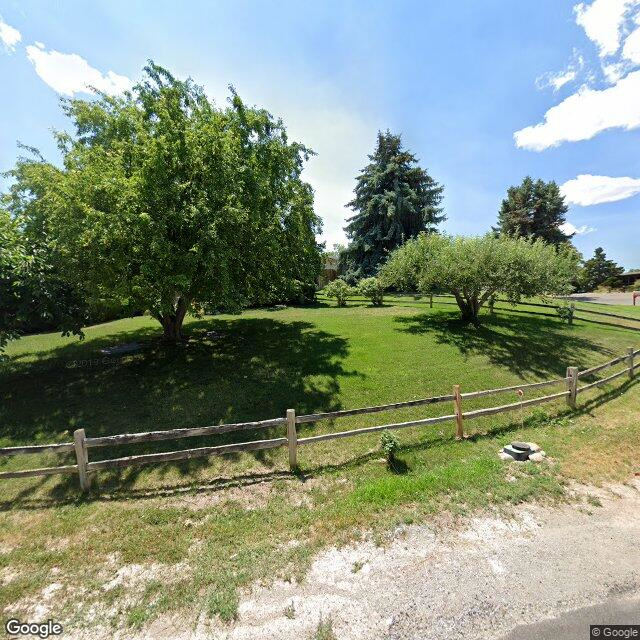
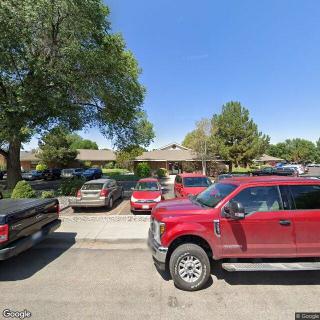
405 W Mayfield Dr, Grand Junction, CO 81503
To contact a resident: (970) 255-8345
For more information about senior living options: (866) 208-4318
Pilgrim House Assisted Living Costs & Pricing
Pilgrim House Assisted Living offers competitive pricing compared to the broader market in Mesa County and across Colorado. For semi-private accommodations, residents pay $1,800 per month, significantly lower than the county average of $3,513 and state average of $4,009. Similarly, private rooms at Pilgrim House are priced at $2,200, which contrasts favorably with Mesa County's average of $3,684 and Colorado's average of $4,142. This makes Pilgrim House an appealing option for families seeking quality care without the financial burden often associated with assisted living facilities in the region.
| Floor plans | Pilgrim House Assisted Living | Mesa County | Colorado |
|---|---|---|---|
| Semi-Private | $1,800 | $3,513 | $4,008 |
| Private | $2,200 | $3,684 | $4,142 |
Senior living communities with a similar price nearby
-
from +$300 / mo
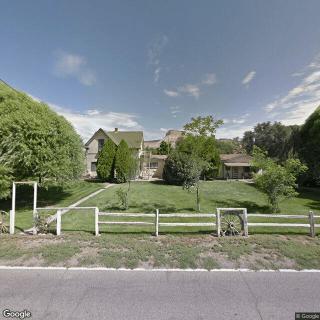
Peach Tree Assisted Living #1 & 2
$2,100 / month9.9 miles away -
from +$300 / mo

The Hacienda Assisted Living
$2,100 to $3,150 / month10.5 miles away
Overall Review of Pilgrim House Assisted Living
Cons
 There is no transportation provided; residents must find their own way to get somewhere.
- It is not an assisted living facility; it feels more like a halfway house for Mind Springs Mental Health, where people from the streets and Mind Springs Mental Health come for a few months and either leave or are kicked out.
Review
Pilgrim House Assisted Living in Grand Junction, Colorado is best suited for relatively independent adults who can arrange their own transportation and are seeking a brief, transitional living option rather than a traditional, services-rich assisted living. The reviews depict a setting that skews toward a midway-housing model tied to mental-health programs rather than standard elder care. In practice, residents described as coming from street contexts or Mind Springs programs tend to stay only a few months before moving on or being asked to leave. For seniors or anyone needing steady daily assistance, care coordination, or predictable routines, its current structure offers minimal alignment with long-term care goals. This facility seems to cater to a niche audience, not a broad senior-care market.
That reality makes sense only for a subset of potential residents, but families should consider alternatives if stability and transportation are priorities. Conventional assisted livings provide scheduled meals, medication management, help with daily tasks, and transportation to appointments. For individuals with cognitive challenges or those needing a formal care plan, memory-care or licensed facilities with defined stay parameters are typically safer choices. Pilgrim House may fit only when the profile is highly independent and open to a short, loosely structured stay rather than ongoing, supervised living.
Two five-star reviews indicate there are elements of value for some residents, but the negatives dominate the decision for most audiences. The absence of transportation is a fundamental barrier for seniors and others who rely on mobility support to access appointments and community activities. The described role of the facility as a transitional housing site, rather than a steady care environment, introduces uncertainty about length of stay and what happens when needs evolve. In this light, any positive impressions are likely contingent on a perfectly aligned, short-term, self-directed experience, an alignment unlikely for many families.
Prospective residents should demand clear, practical answers. How long can a resident expect to stay, and what prompts discharge? Is there any on-site staff for daily living tasks, medication oversight, or safety monitoring? How are meals, housekeeping, and laundry handled, and who coordinates outside services? What transportation options exist, if any, are residents expected to arrange their own rides? What is the facility’s licensing status and how are behavioral concerns addressed? A candid conversation about these policies will reveal whether Pilgrim House can truly support the needs at hand or merely serve as a transitional waypoint.
Visiting the facility with a sharp eye helps separate theory from practice. Look for a calm, safe environment with clean spaces and accessible common areas. Talk to residents about their routines and whether supports meet their needs. Ask staff about training in mobility assistance, safety checks, and how quickly concerns are addressed. Bring a needs inventory and compare it to what is guaranteed by the contract. Confirm costs, deposits, and what happens if needs escalate. Check state licensing history and independent reviews for recurring concerns. The goal is to decide if the setting provides reliable, predictable care or if a more traditional option would better protect peace of mind.
Pilgrim House should be viewed as a niche option, potentially useful for highly independent individuals seeking a short stay and able to manage transportation and unfixed schedules. For the majority of seniors or adults needing steady, long-term care, the lack of transportation and the non-traditional care model make it a poor fit. Families should focus on traditional assisted living or memory-care communities that guarantee transportation, structured daily living, and ongoing clinical support. The decision hinges on a clear assessment of independence, safety, and expected length of stay, not on a favorable rating alone.
 Board and Care Home
 Private
 Walker (5 miles away)
 Cozy, homelike board-and-care with 24/7 supervision, meals, activities, and nearby amenities.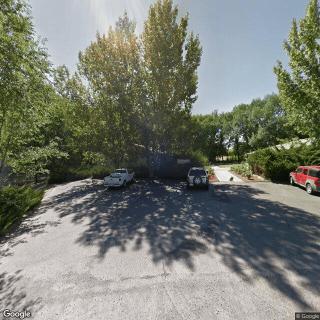





 Comprehensive Approaches for Arthritis: A Detailed Guide to Symptoms, Causes, and Care
 Comprehensive Insights and Practical Strategies to Help Older Adults Avoid Falls
 6 Crucial Ways an Elder Law Attorney Assists Families