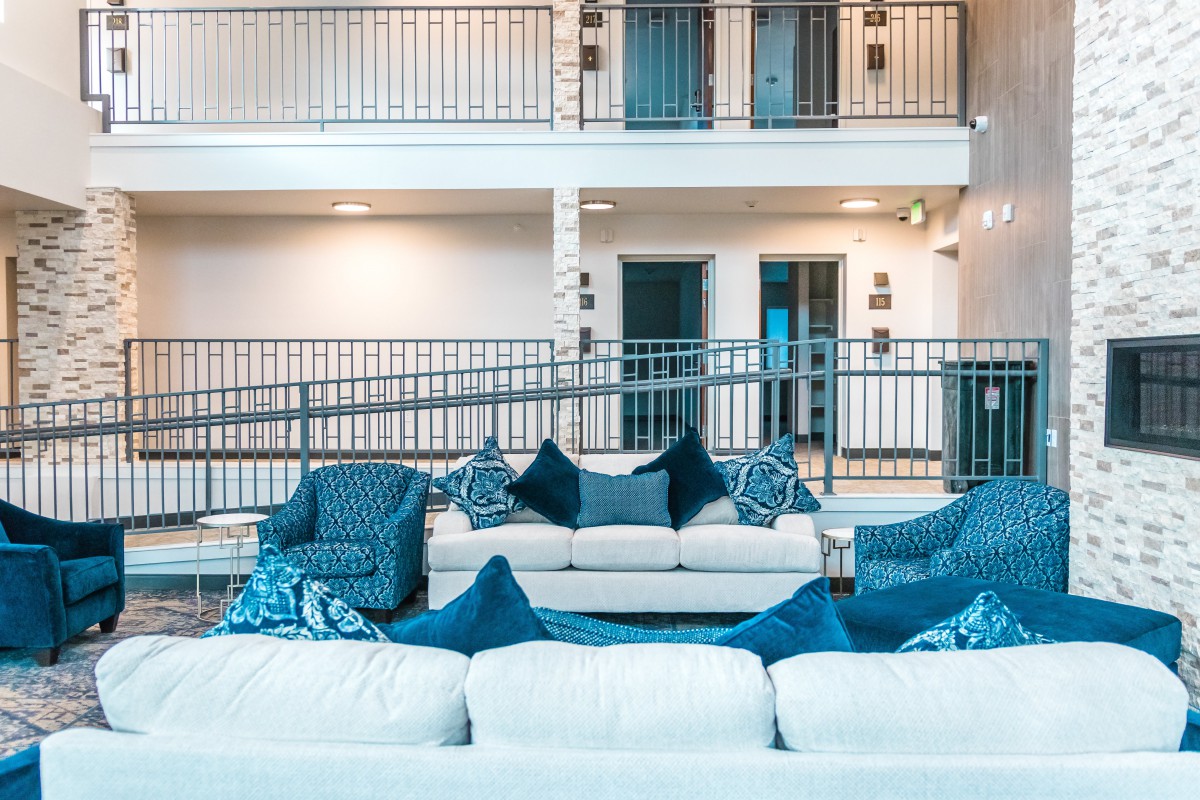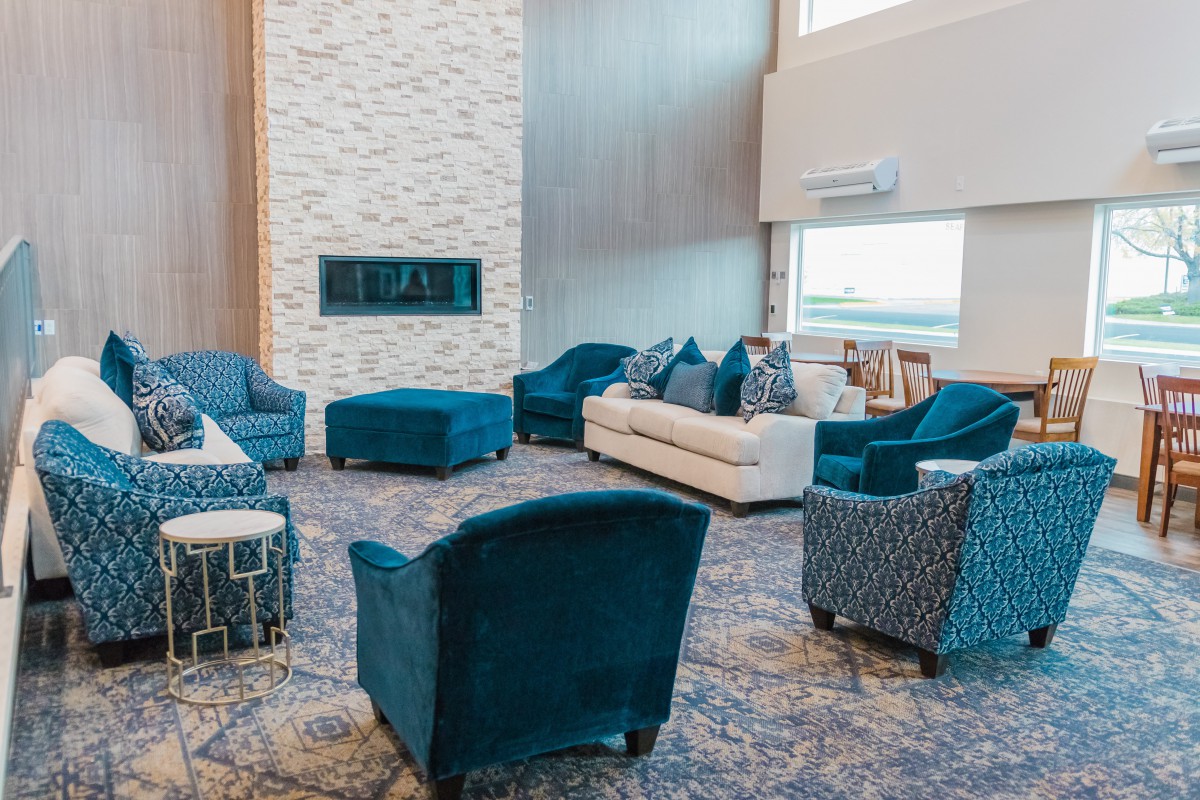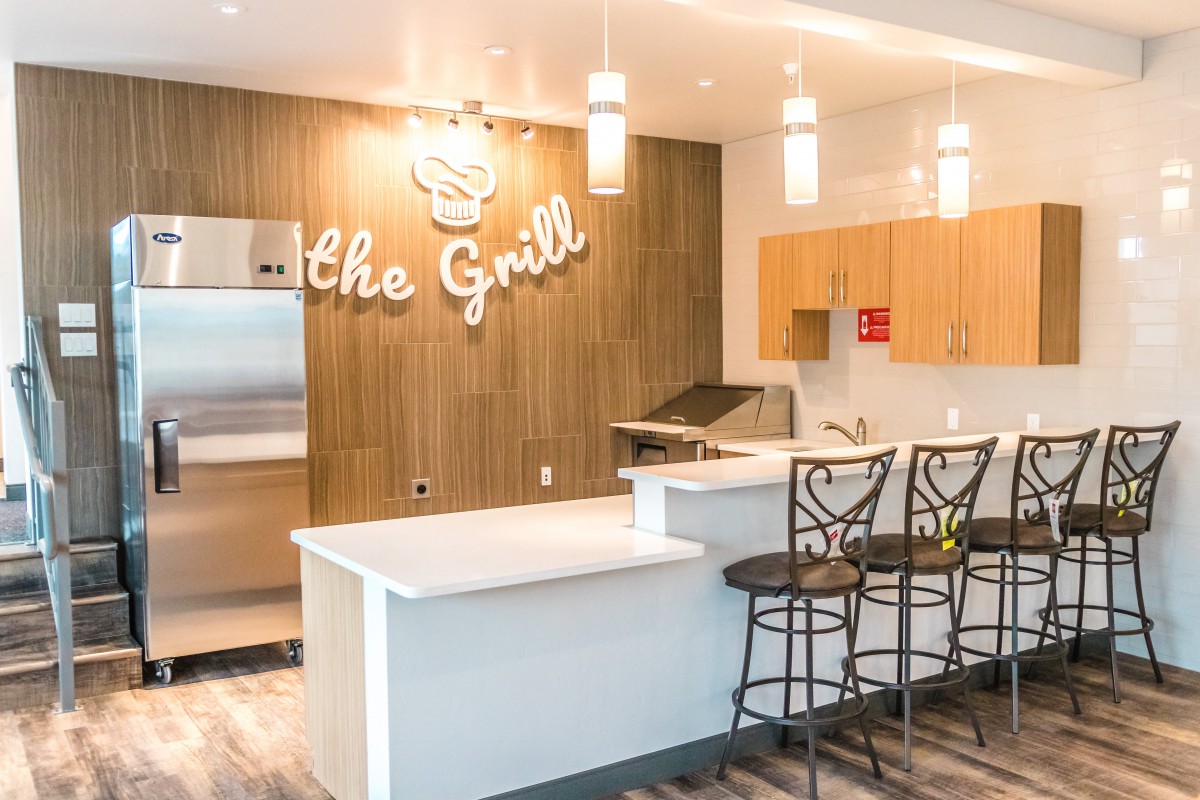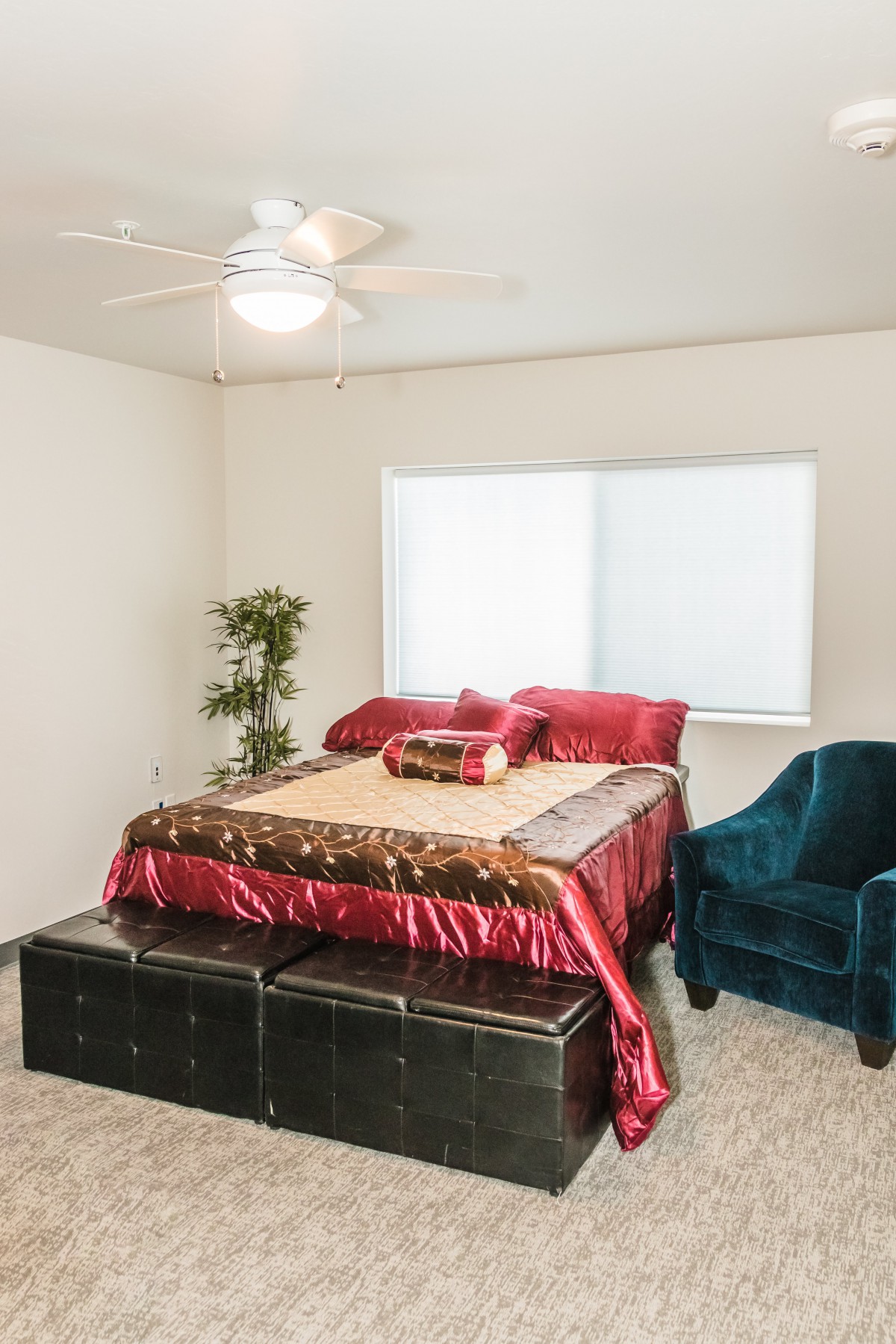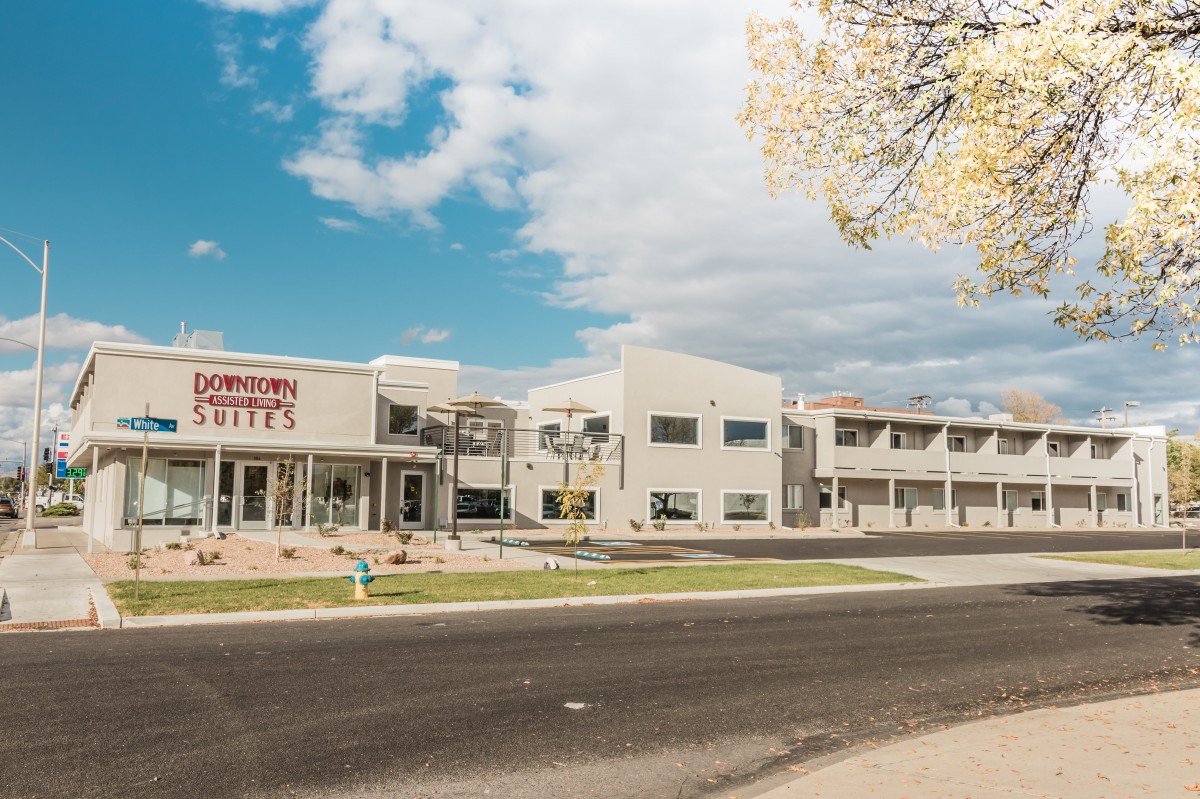

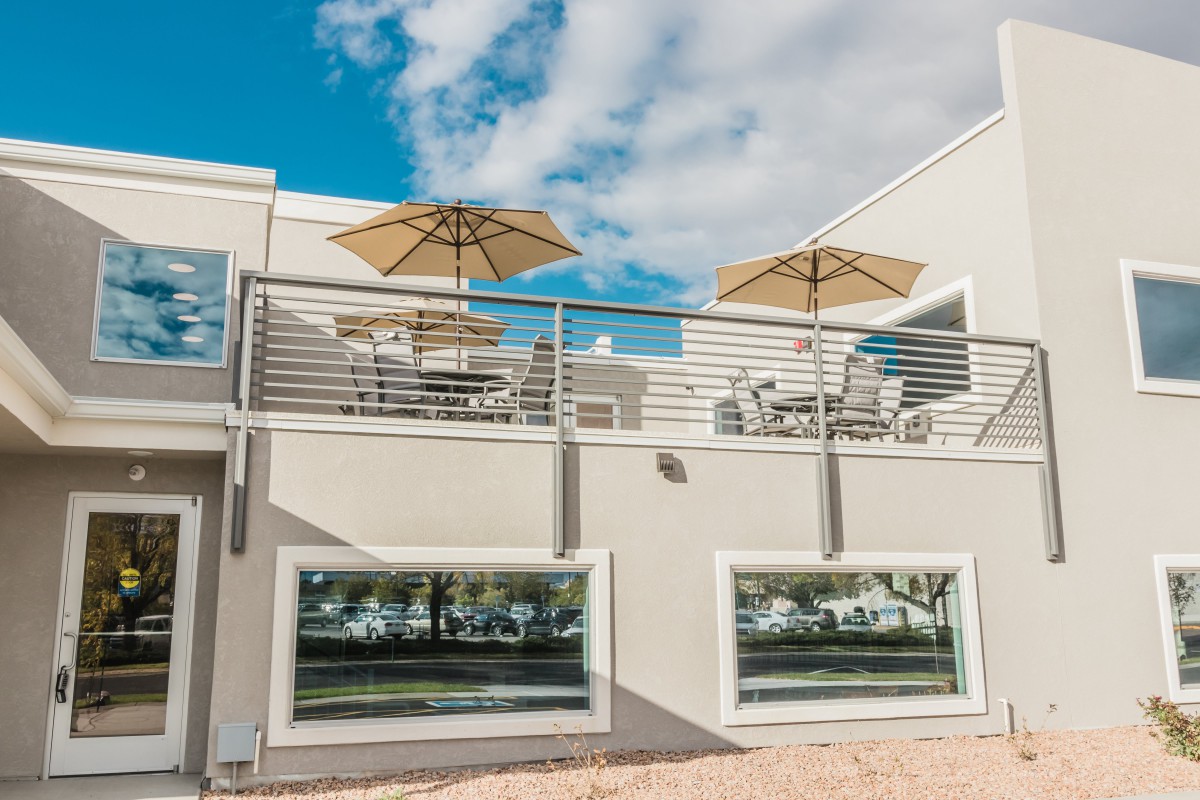






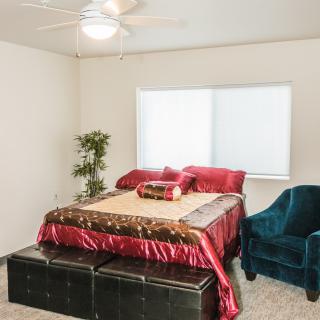







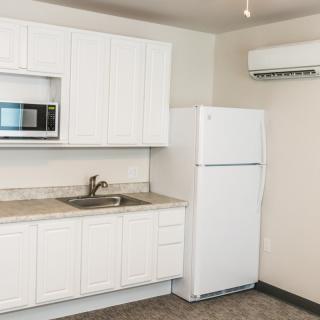
104 White Avenue, Grand Junction, CO 81501
For more information about senior living options: (866) 208-4318
Overall Review of Downtown Assisted Living Suites
Pros
 The facility is a nice place to live, especially for handicapped individuals.
- The management is friendly and helpful.
- The facility is a good place to live, with friendly and helpful management.
- Downtown Assisted Living Suites offers residents a unique opportunity to live life to the fullest.
Cons
 The reviewer states that describing Downtown Assisted Living as Assisted Living is not a joke but a lie.
- The reviewer says RPMNow management is a complete joke.
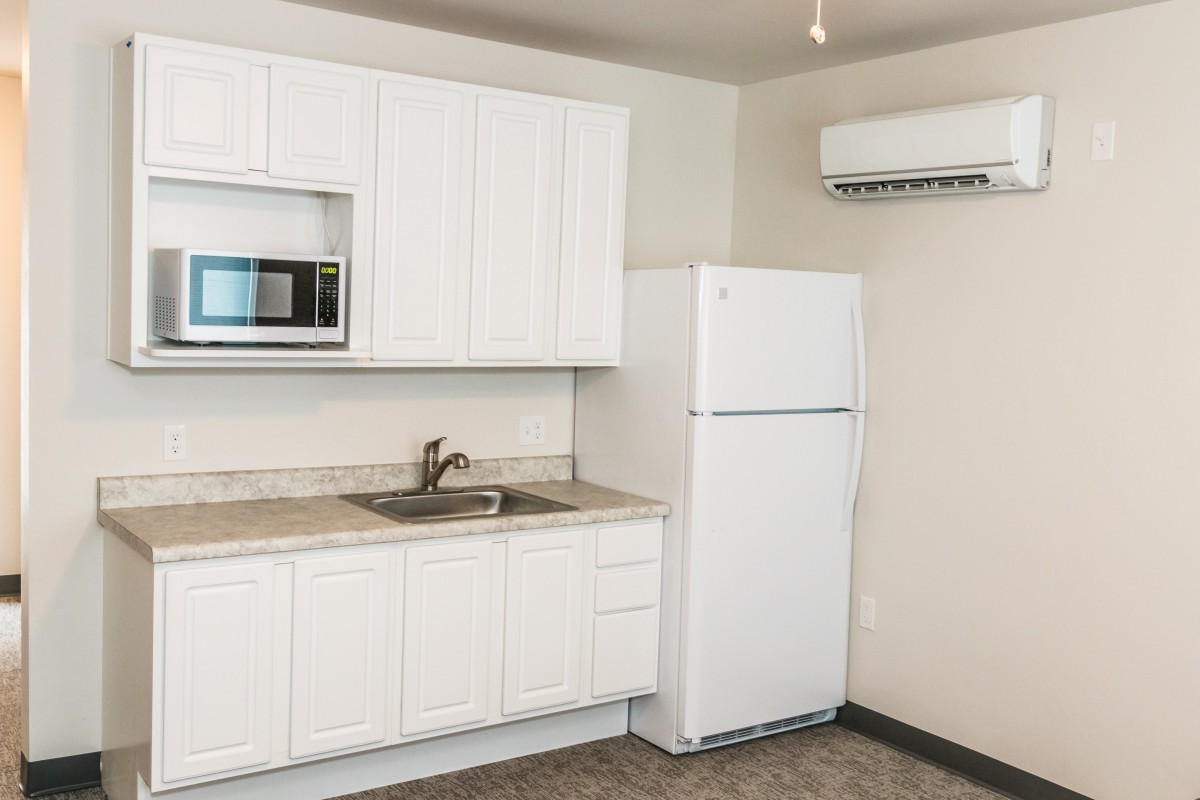
- The reviewer notes being charged $25 to reset a breaker caused by the refrigerator.
- The reviewer reports that they were told a service company would require payment to check the fridge.
- The reviewer states that a disabled senior was denied a move across the hall to a cheaper but more suitable unit, with the move described as likely breaking the lease.
- The reviewer asserts there were discrepancies and lies told by the leasing agent at signing, including claims that a transfer to a different unit could occur any time and that all repairs and service calls would be no charge.
- The reviewer claims Downtown Assisted Living is no longer trying to serve the community as assisted living and questions why it is listed under the assisted living category.
Review
Downtown Assisted Living Suites in Grand Junction is best suited for seniors who prize a downtown lifestyle, value a compact apartment setting, and want a responsive, friendly management team more than a rigid, full-service care facility. The place tends to work well for residents who are largely independent but appreciate light daily support and the security of a well-staffed building. It can be especially appealing to individuals with mobility challenges who benefit from a structure designed to be comfortable and accessible while they remain integrated with the urban core. For families seeking true, full-spectrum assisted living with constant medical oversight and tightly regulated daily care, this community may not align with those expectations.
Those considering alternatives should note who may be better off elsewhere. Prospective residents who require consistent, around-the-clock caregiving, memory-care programs, or frequent medical management should evaluate other options with explicit care guarantees. Similarly, if transparent, straightforward pricing and predictable contract terms are non-negotiable, this community warrants careful verification. The reviews suggest potential misalignment between branding and actual services, so families that demand a clearly defined scope of care and a predictable fee structure should explore other facilities that specialize in regulated assisted living or higher-acuity support.
The strongest positives here center on environment and people. The management team is described as friendly and helpful, which matters greatly in a living situation that blends housing with light support. The downtown location stands out as a major asset, offering easy access to shops, services, and cultural amenities without the hassle of long commutes. The suites themselves are presented as comfortable and accessible, information that matters to residents who value autonomy within a structure that accommodates mobility needs. In practical terms, these factors can deliver a livable, low-frustration experience for seniors who want to stay engaged with the city and rely on a cooperative, communicative staff.
On the flip side, the main concerns revolve around expectations versus reality. There are disputes raised about whether the property truly operates as assisted living, with questions about what level of care is included and what constitutes “no-charge” repairs and services. Allegations about moving restrictions, lease implications, and misstatements at signing point to a risk that needs careful clarification. Prospective residents should demand precise, written statements about what services are included, how charges are billed, and what mobility or care transfers are permitted. Until those terms are crystal clear, the potential for disputes remains a material consideration in the decision process.
Even with these concerns, the pros can offset the cons for a particular profile. The combination of downtown access, a supportive management tone, and comfortable, handicap-friendly environments can deliver a higher quality of life for seniors who value social engagement and city access over frequent, formal care episodes. When the resident’s needs align with light support and independent living, the positives, ease of access to amenities, a responsive staff, and a pleasant residential setting, often outweigh questions about the absence of comprehensive medical oversight. The key is ensuring there is room to arrange external care as needed and that the contract supports flexible care options without punitive lease constraints.
The decisive step is due diligence. Families should request a current, detailed services scope that matches the resident’s actual needs, and insist on a written fee schedule with explicit definitions of repairs, moving costs, and any service charges. It is essential to speak with current residents and, if possible, observe a day-in-the-life to gauge how the community handles routine maintenance, assistance requests, and day-to-day routines. Clarify whether the property operates as independent living with optional support, or as a formal assisted living, and confirm what happens if care needs change. In the end, a confident choice will hinge on a transparent agreement, a realistic assessment of care needs, and a clear plan for integrating external assistance if required.
 45 resident community capacity
 Active Adult Communities (55+)
 Assisted Living
 Respite Care
 Dogs allowed
 Activities on-site
 Air-conditioning
 Beauty salon
 Cable or satellite TV
 Devotional services off-site
 Dining room
 Fully furnished
 Garden
 Ground floor units
 Handicap accessible
 Housekeeping services
 Indoor common areas
 Kitchenette
 Move-in coordination
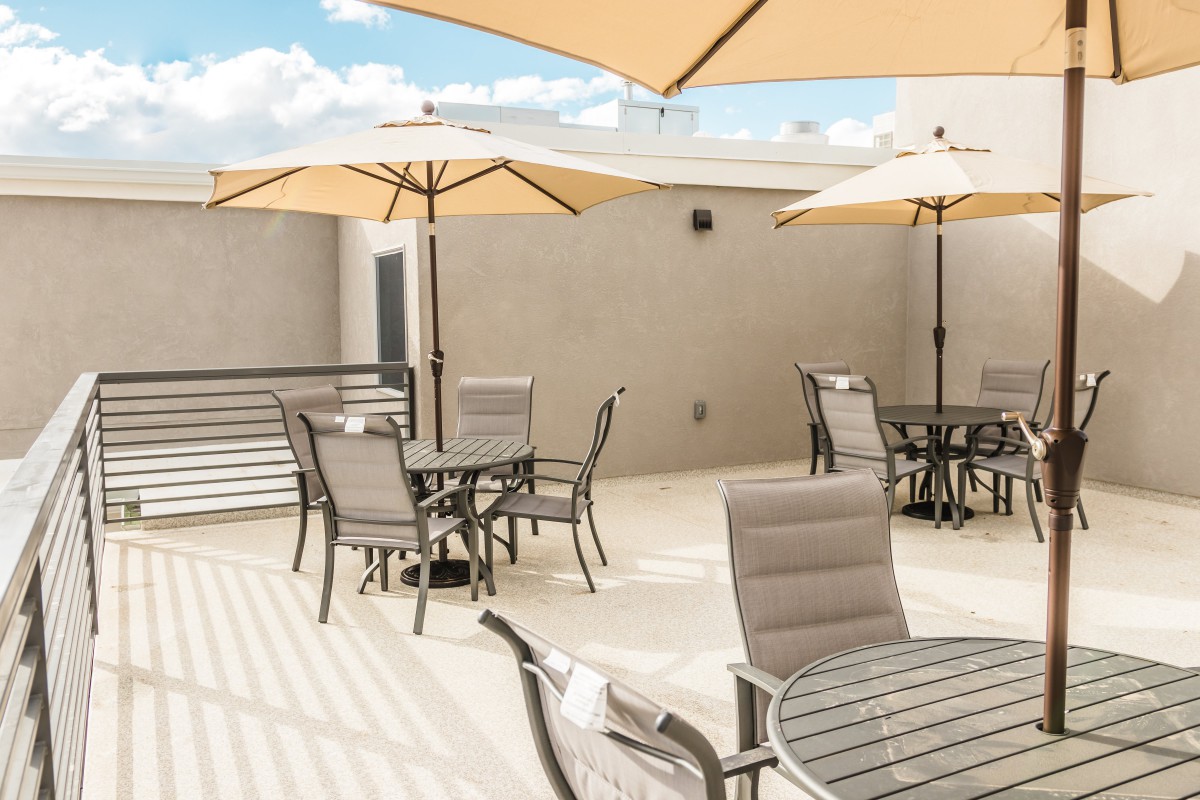
 Outdoor common areas
 Telephone
 Wi-Fi/high-speed internet available
 Walker (4 miles away)
 24-hour call system
 Ambulatory care
 Assistance with bathing
 Assistance with dressing
 Assistance with transfers
 Diabetes diet
 Incontinence care
 Meal preparation and service
 Medication management
 Mental wellness program
 Special dietary restrictions
 Transportation arrangement (medical)
 Transportation to doctors appointments
 BBQs or picnics
 Birthday parties
 Live musical performances



 Beyond the Bingo Hall: 50+ Enriching Activities for Seniors in Assisted Living
 Understanding the Distinctions: Assisted Living and Memory Care Explained
 Guiding Elderly Parents Who Refuse Assisted Living: 6 Practical Steps