For more information about senior living options: (866) 208-4318
4.7 from 67 reviews
5 stars
61
4 stars
0
3 stars
1
2 stars
2
1 stars
3
Comfort Care Three Costs & Pricing
Comfort Care Three offers a private room at a monthly rate of $3,895, positioning it competitively within the local market. In Mesa County, the average cost for similar accommodations stands at approximately $3,684, highlighting a slight premium for the services and amenities that Comfort Care Three provides. When compared to the broader state average in Colorado, which is around $4,142 for private rooms, Comfort Care Three presents a more attractive option for families seeking quality care without exceeding their budget. This pricing strategy not only reflects the facility's commitment to delivering exceptional service but also underscores its effort to remain accessible within the evolving landscape of healthcare costs in the region.
Floor plans
Comfort Care Three
Mesa County
Colorado
Private
$3,895
$3,684
$4,142
Senior living communities with a similar price nearby
About the same
The Fountains
4.7 from 49 reviews
$3,905 to $5,825 / month
3.7 miles away
from +$305 / mo
The Lodge at Grand Junction
4.4 from 51 reviews
$4,200 to $5,200 / month
4.0 miles away
from -$645 / mo
Residence At Grand Mesa
4.3 from 17 reviews
$3,250 to $3,650 / month
4.3 miles away
from +$505 / mo
Cappella of Grand Junction
4.4 from 56 reviews
$4,400 to $7,280 / month
3.2 miles away
from -$185 / mo
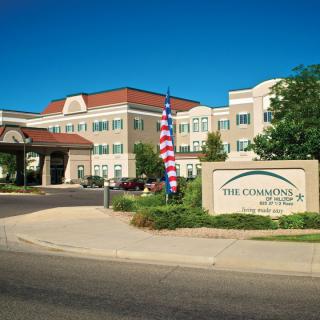
The Commons Of Hilltop
4 from 45 reviews
$3,710 to $5,585 / month
3.9 miles away
Overall Review of Comfort Care Three
common55 reviews mention this
Caregivers feel consistently attentive
Residents and families repeatedly describe caregivers who are compassionate, attentive, and dependable.
Across the reviews, people describe building trust with specific caregivers and feeling that their day-to-day needs are noticed and handled. Many comments highlight compassion, responsiveness to requests, and a respectful approach to personal care and daily tasks. Some reviewers also mention being able to rely on the same caregiver and the comfort that creates for both the resident and family.
common7 reviews mention this
Office support is described as responsive
Several reviews mention office staff who communicate clearly and arrange help when schedules change.
Beyond the caregivers themselves, multiple reviews talk about the office being easy to work with and staying in touch about updates. Reviewers describe quick coordination when a replacement is needed and clear communication when plans shift. A few comments also mention getting support with practical details, which adds reassurance during changing care needs.
common6 reviews mention this
Housekeeping and meal help stand out
Many reviewers specifically praise help with cleaning tasks and practical household support.
Several reviews mention caregivers cleaning thoroughly, keeping the home organized, and helping with day-to-day chores that are hard to manage alone. A number of comments also reference meal-related assistance as part of the overall support residents and families receive. Together, this is reflected in the community offering meals provided and residents describing hands-on help that goes beyond just companionship.
How we summarize
Counts show how many written reviews mention each theme; a review can touch several themes, and only frequently mentioned themes are displayed.
Features
Types of Care
Board and Care Home
Pets
Cats allowed
Dogs allowed
Amenities
Activities off-site
Activities on-site
Bath tubs
Beautician on-site
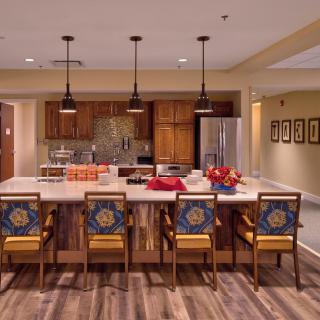
Indoor common areas
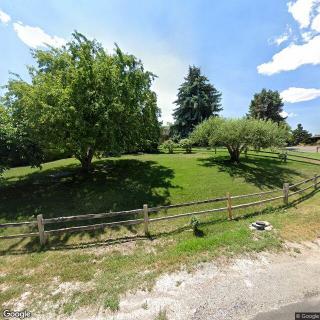
Outdoor common areas
Private
Private bathrooms
Transportation
Walker (6 miles away)
Care Services
Ambulatory care
Diabetic care
High acuity care
Incontinence care
Dining
Meals provided
Activities
Activities off-site
Activities on-site
Nearby Places of Interest
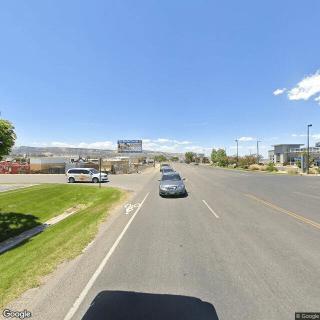
This part of Grand Junction, Colorado, offers a variety of amenities that cater to seniors looking for convenience and comfort. With several parks nearby, such as Duck Pond Park and Canyonview Park, residents can enjoy peaceful outdoor settings for relaxation or exercise. The area also provides easy access to numerous pharmacies, restaurants, cafes, and physicians' offices, ensuring convenient healthcare services and dining options. Places of worship are within a short distance for those seeking spiritual fulfillment. In terms of entertainment, theaters like Regal Canyon View and Avalon Theatre offer cultural activities for residents to enjoy. Additionally, hospitals like St Mary's Hospital provide essential medical care within close proximity. Overall, this part of Grand Junction offers a well-rounded community with a blend of recreational opportunities and essential services for seniors looking to settle in the area.
Comfort Care Three offers a private room at a monthly rate of $3,895, positioning it competitively within the local market. In Mesa County, the average cost for similar accommodations stands at approximately $3,684, highlighting a slight premium for the services and amenities that Comfort Care Three provides. When compared to the broader state average in Colorado, which is around $4,142 for private rooms, Comfort Care Three presents a more attractive option for families seeking quality care without exceeding their budget. This pricing strategy not only reflects the facility's commitment to delivering exceptional service but also underscores its effort to remain accessible within the evolving landscape of healthcare costs in the region.
Palliative care enhances the quality of life for seriously ill patients by providing comprehensive support at home through a multidisciplinary team, addressing various needs and prioritizing comfort over curative treatments. While it offers personalized care and involves family in decision-making, challenges like caregiver stress and logistical issues persist, with growing demand prompting advancements in technology and healthcare policies to improve access.
Palliative home care focuses on improving the quality of life for individuals with serious illnesses by providing comfort, symptom management, and emotional support in their own homes. This approach includes personalized care plans, regular assessments, and resources for family caregivers, all while prioritizing person-centered treatment that aligns with patients' goals.
Skilled nursing facilities (SNFs) provide high-level medical care and rehabilitation for short-term recovery, typically covered by Medicare after hospitalization, while nursing homes focus on ongoing custodial care for chronic conditions, mainly funded by Medicaid or private payments. The staffing and regulatory structures differ significantly between the two, necessitating clarity for families in choosing appropriate long-term care options.
Get PricingAsk A QuestionSchedule A TourContact Senior Advisor
By clicking submit, you agree to our Partner's Terms of Use. You
also consent to receive calls and texts, which may be autodialed, from our Partner. Your consent is not a condition to
using our Partner's service. Please visit our Partner's Privacy Policy for information about their privacy practices.

 Board and Care Home
 Cats allowed
 Dogs allowed
 Activities off-site
 Bath tubs
 Beautician on-site
 Indoor common areas
 Outdoor common areas
 Private
 Private bathrooms
 Walker (6 miles away)
 Ambulatory care
 Diabetic care
 High acuity care
 Incontinence care
 Meals provided
 24/7 supervision with engaging activities.


 Exploring Palliative Care in the Home: A Comprehensive Overview
 Comprehensive Insights into Palliative Home Care: What It Is and What to Expect
 Skilled Nursing Facilities vs. Nursing Homes: Making Sense of the Differences