



1026 Salmon Run, Fort Collins, CO 80524
For more information about senior living options: (866) 208-4318
Eagles Nest Assisted Living Costs & Pricing
Eagles Nest Assisted Living offers a competitive and affordable pricing structure compared to both Weld County and the broader state of Colorado. For a semi-private room, residents can expect to pay $2,200 per month, which is significantly lower than the county average of $3,334 and the state average of $4,009. Similarly, for those opting for a private room, the monthly cost is $3,400 - again more economical than the county's average of $4,032 and Colorado's average rate of $4,142. These rates reflect Eagles Nest's commitment to providing quality assisted living services while ensuring that financial accessibility remains a priority for its residents.
| Floor plans | Eagles Nest Assisted Living | Weld County | Colorado |
|---|---|---|---|
| Semi-Private | $2,200 | $3,334 | $4,008 |
| Private | $3,400 | $4,032 | $4,142 |
Assisted Living communities with a similar price nearby
-
from +$100 / mo

The Lodge At Greeley
$2,300 to $3,100 / month18.5 miles away -
from -$250 / mo
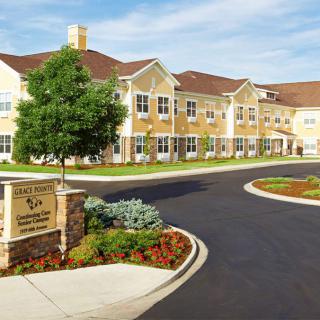
Grace Pointe
$1,950 to $6,300 / month16.5 miles away -
from +$275 / mo
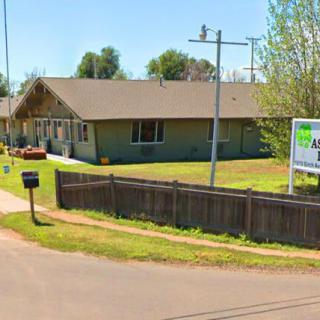
Birch Assisted Living
$2,475 to $3,900 / month21.2 miles away -
from +$300 / mo
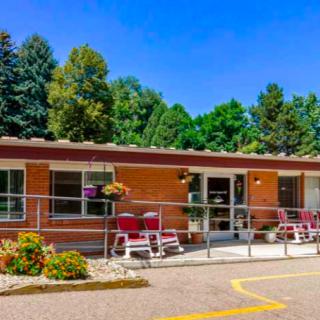
Spring Creek Health Care Center
$2,500 to $3,000 / month4.8 miles away -
About the same
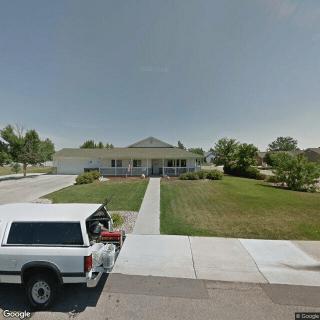
Bright Assisted Living
$2,220 / month9.9 miles away
Overall Review of Eagles Nest Assisted Living
Pros
 The staff are friendly and clearly take good care of the residents.
- Jamie and Cole are supportive and treat residents like family, helping them recover quickly so they can return home to Eagles Nest.
- Eagles Nest is a HOME away from HOME and is highly recommended as a loving care facility.
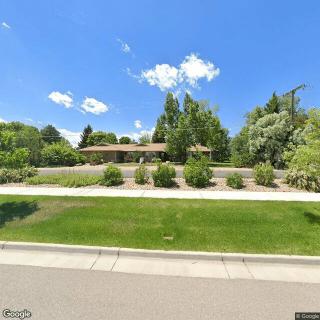
- Eagles Nest puts family concerns to rest and provides the best possible care in a beautiful, well-maintained country setting.
- The facility is very clean and has an amazing staff.
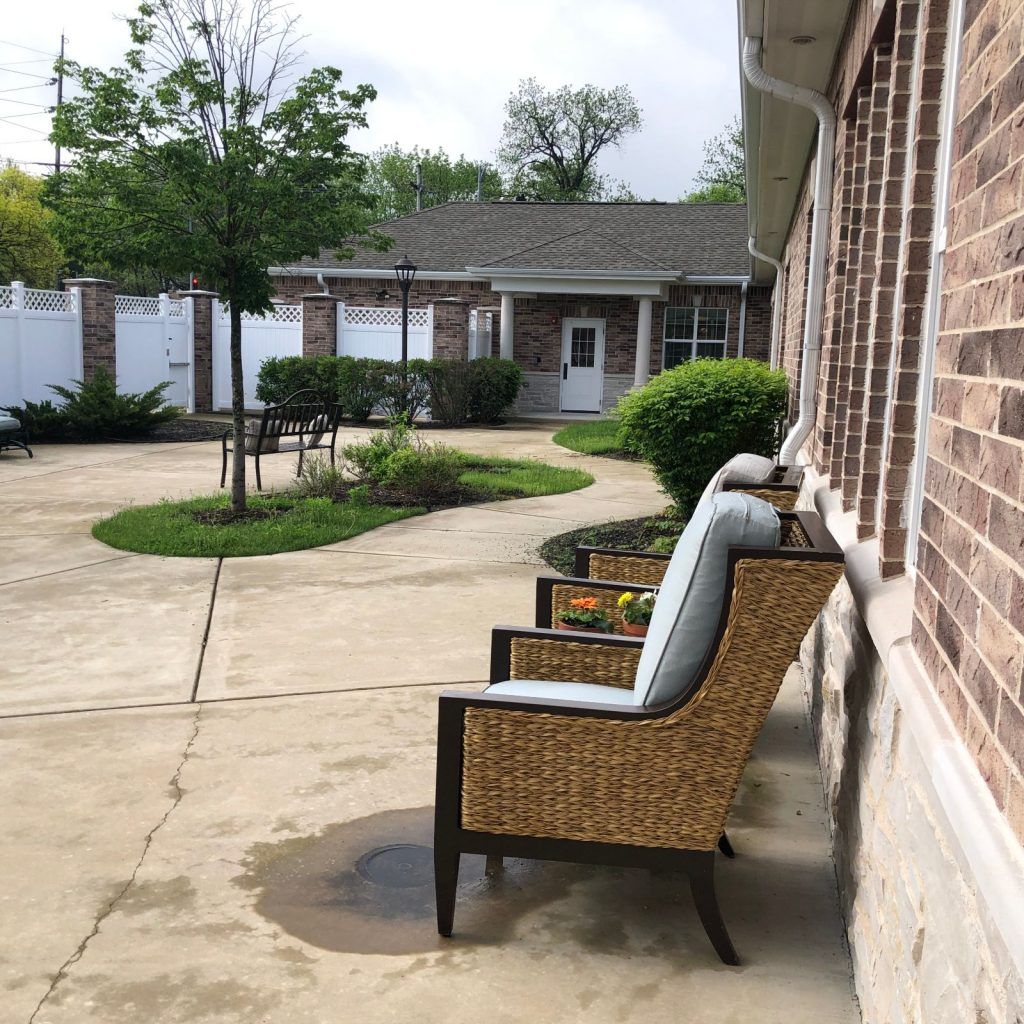
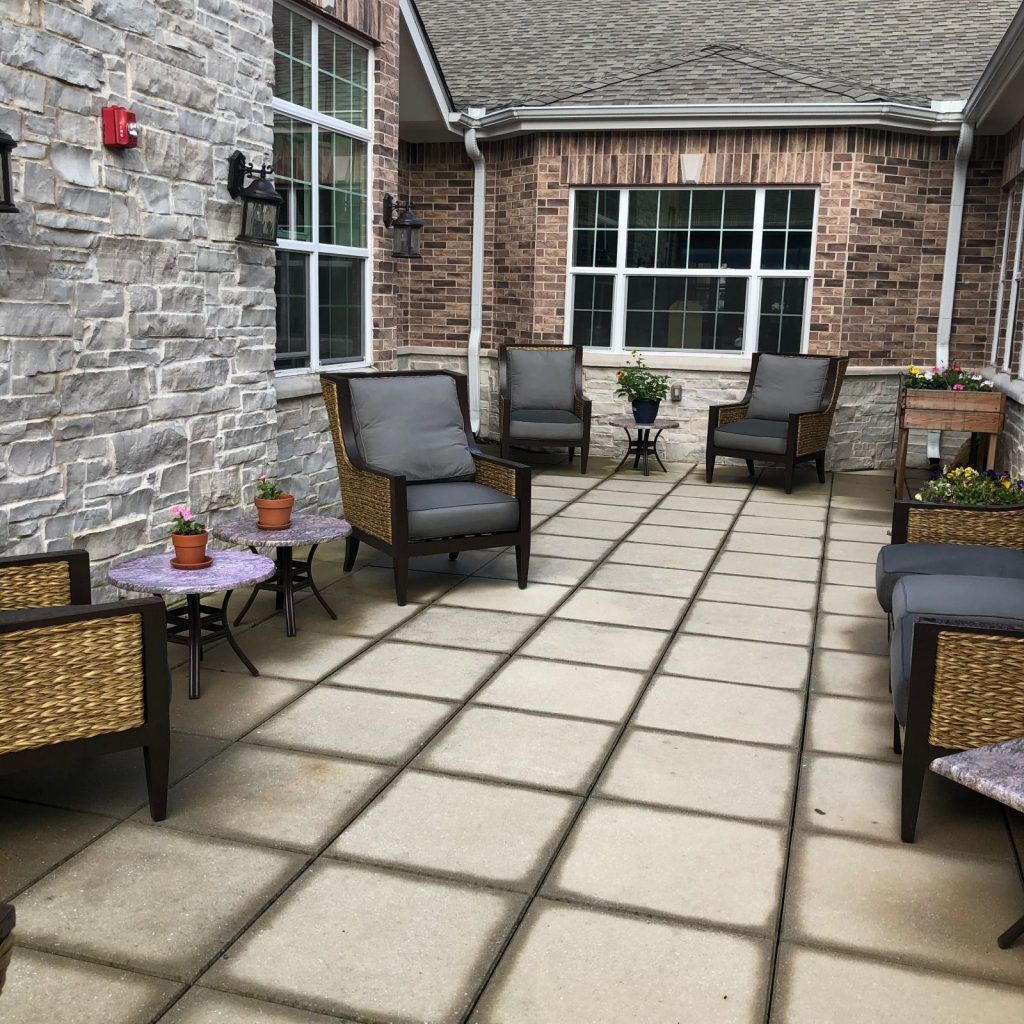
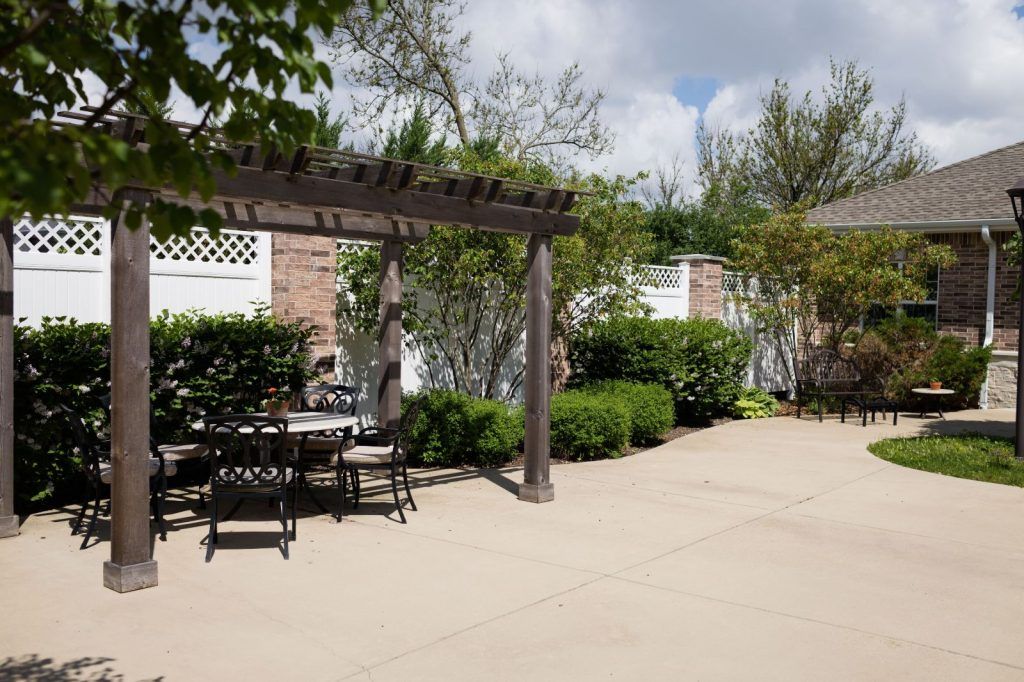
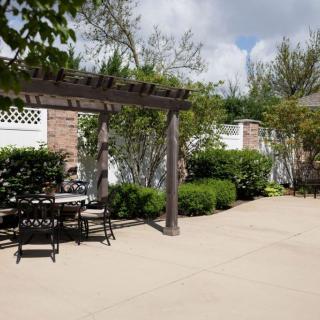
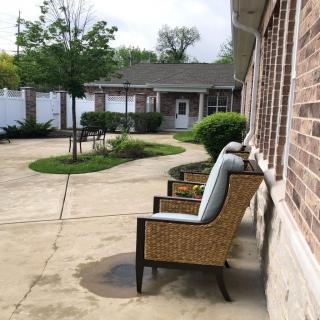
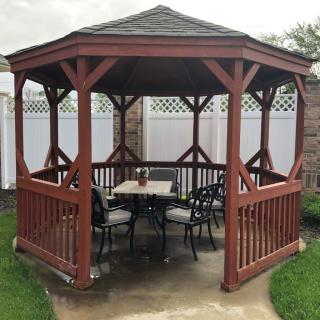
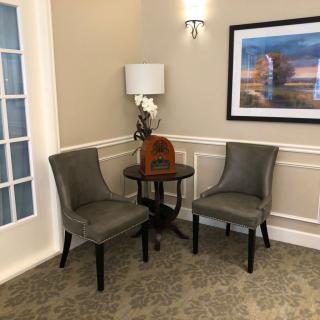
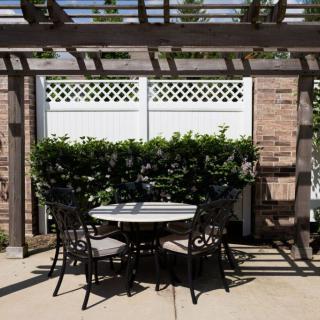
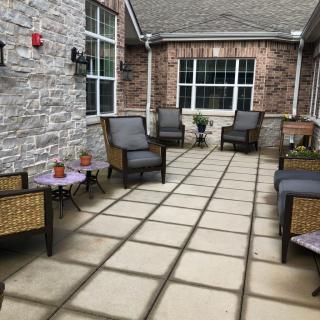
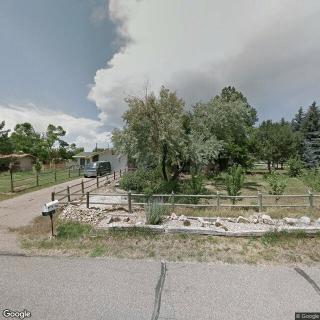
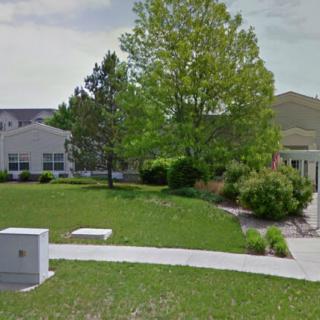
- The outdoor environment features blooming flowers, birds, horses, chickens, and a picturesque view of the Front Range.
- The staff are sweet and compassionate, with Scott highlighted as particularly caring.
- The leadership team is warm, professional, proactive, and open to family input, with ongoing improvements and flexible accommodations for special needs.
Review
Eagles Nest Assisted Living in Fort Collins is best suited for families seeking a warm, home-like setting where seniors receive attentive, relationship-driven care from a small, closely connected team. This community thrives when residents value personal attention, a family atmosphere, and regular family involvement in daily life. The operating rhythm is shaped by hands-on leadership from the nursing professional owners and a staff culture that emphasizes warmth, safety, and everyday kindness. It is an especially good match for seniors who prize routines, meaningful human connection, and a setting that feels calm and familiar. Those needing extensive medical management or a formal memory-care program should consider alternatives.
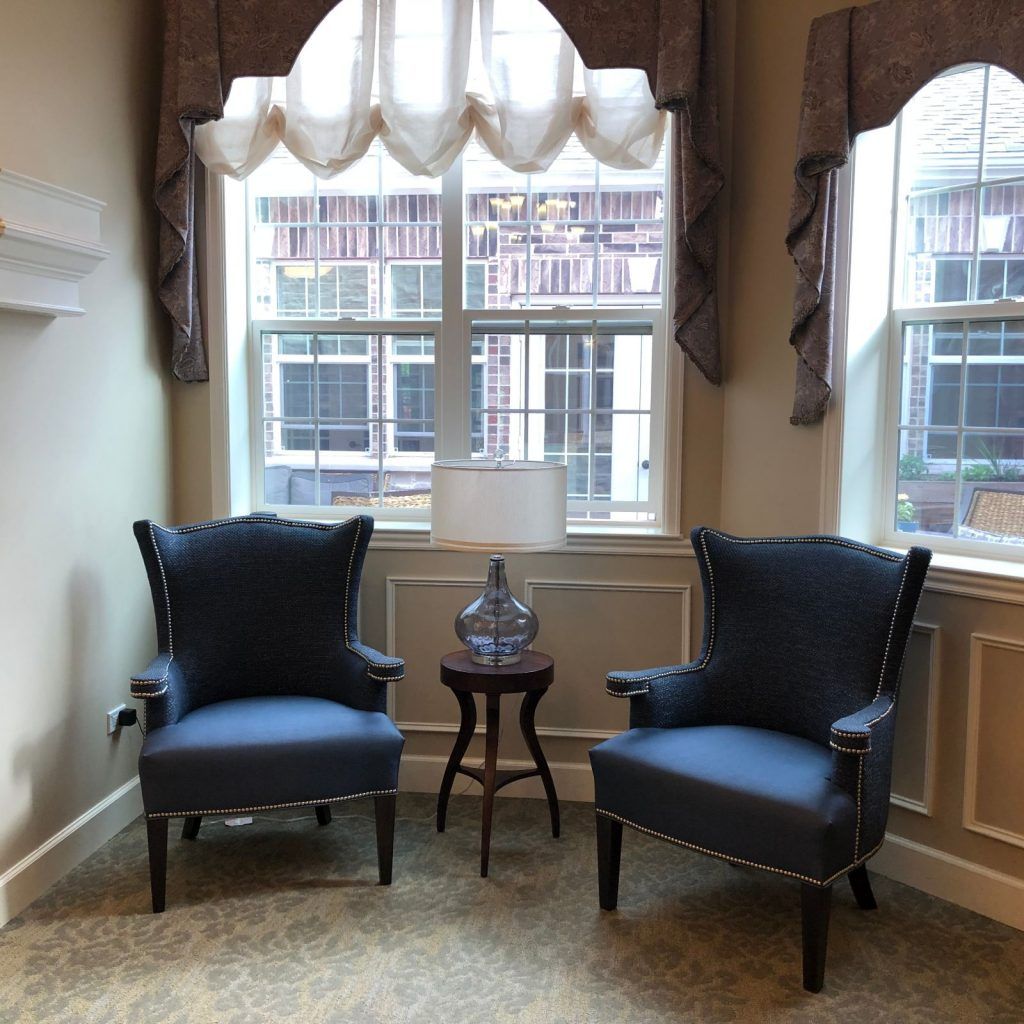
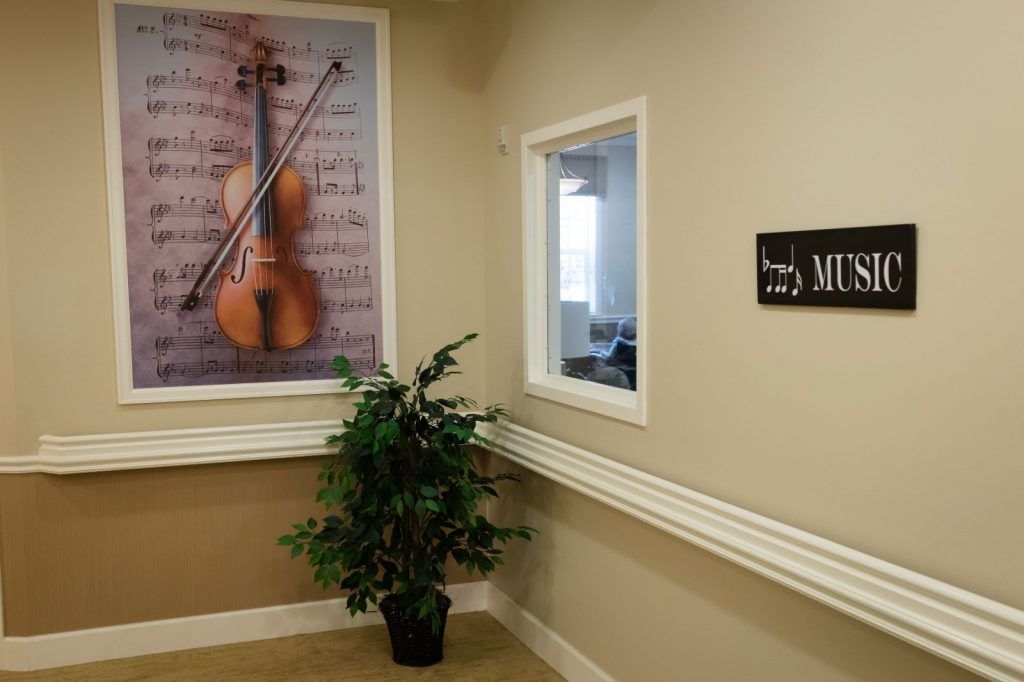
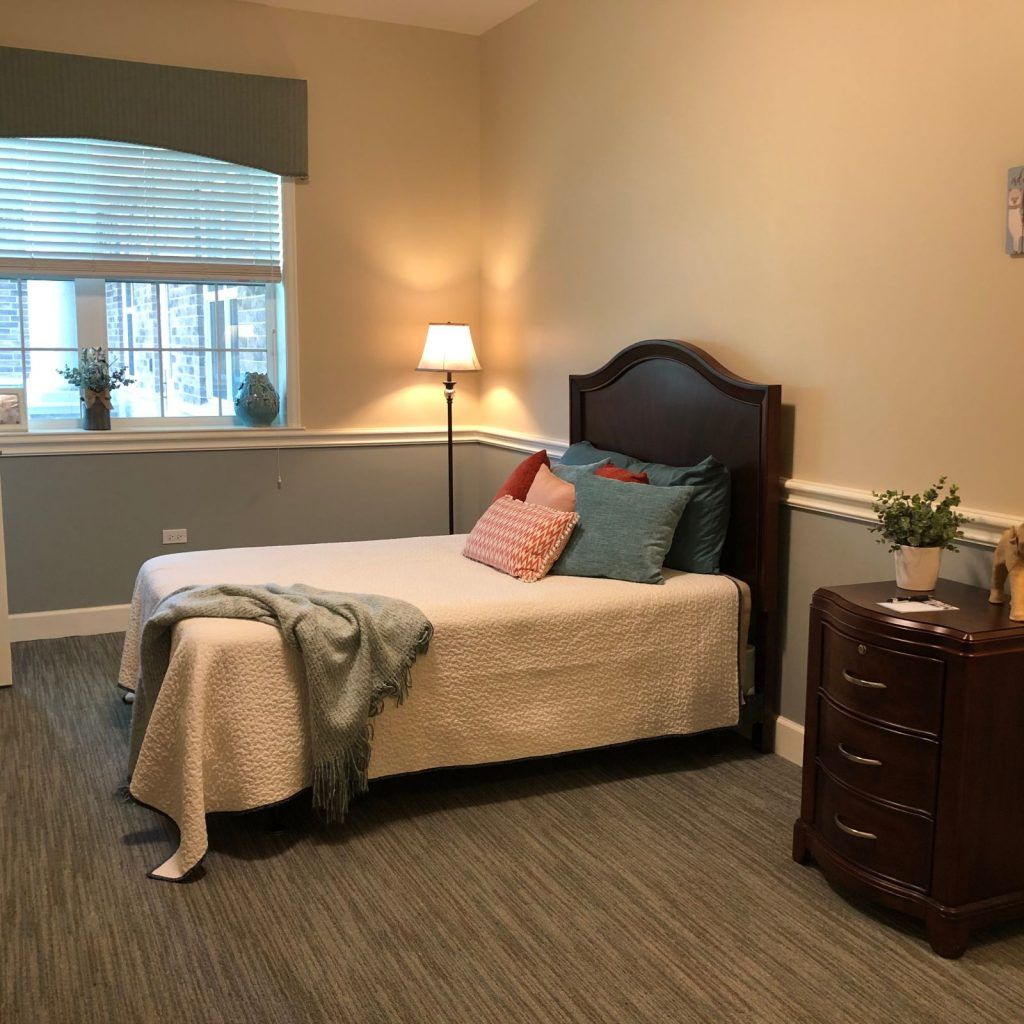
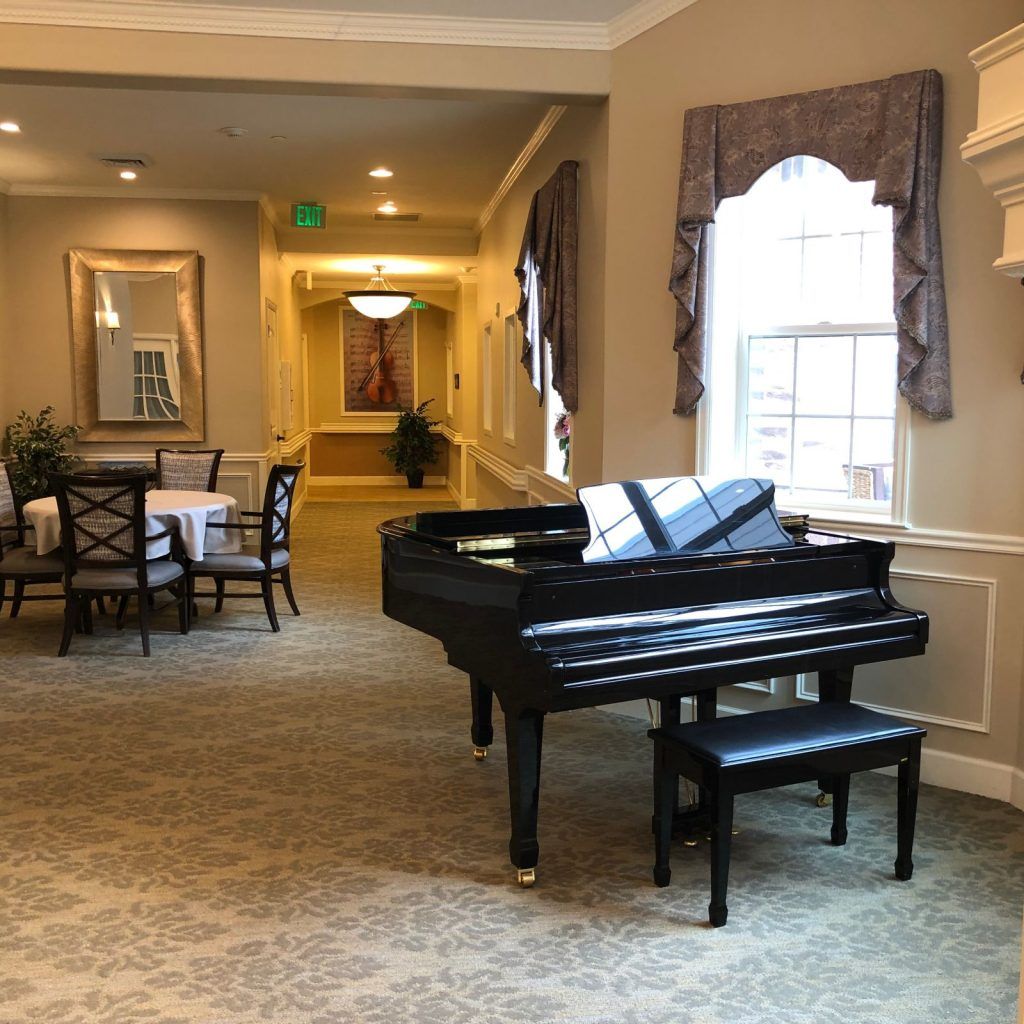
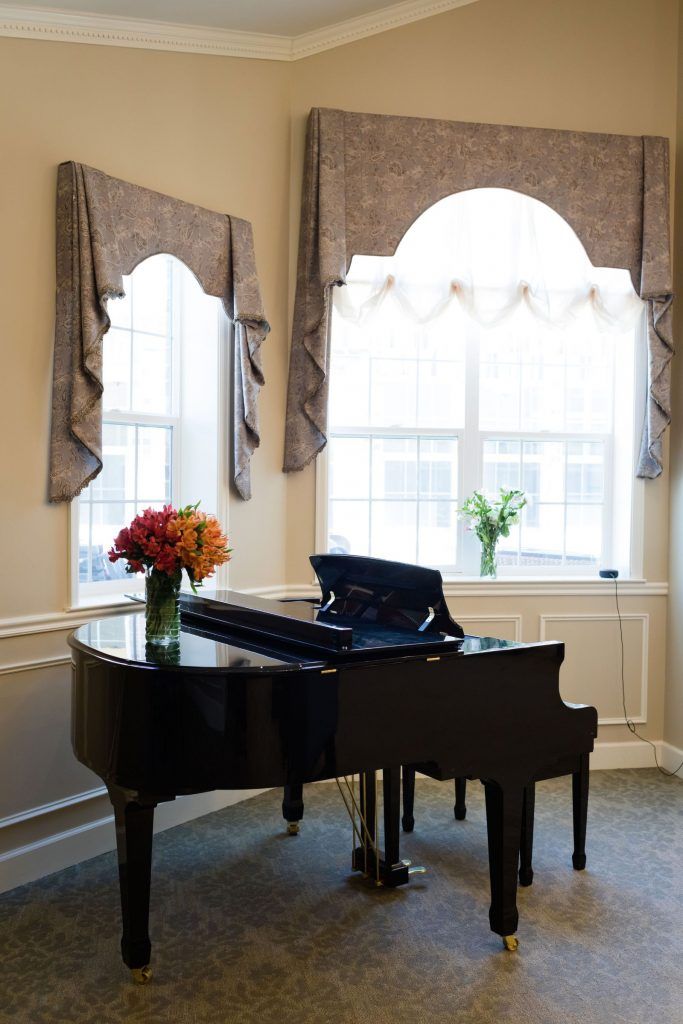
The strongest positives are tangible and consistent: staff members are described as genuinely friendly, compassionate, and dependable, creating a sense of security for families and residents alike. The environment supports a comfortable, dignified daily life, cleanliness, well-kept grounds, and an inviting, picturesque setting with flowers, birds, and open spaces that invite outdoor time. Residents appear to benefit from proactive, hands-on leadership; owners and managers are accessible, receptive to family concerns, and willing to tailor care plans and accommodations to individual needs. Activities and social engagement, including live music, reinforce a feeling that daily life is lively and meaningful, not merely custodial.
A practical caveat for decision-makers is the trade-off that comes with a small, intimate operation: while the personal attention is exceptional, this structure may not offer the breadth of on-site medical resources or the specialized programming found in larger facilities with dedicated memory-care wings. The lack of explicit mention of a formal memory-care unit or hospital-level nursing footprint means families with residents who require continuous skilled nursing or intensive dementia support should explore options with stronger clinical acuity. On the upside, the owners’ nursing background translates into thoughtful medical oversight, precise communication with families, and a high likelihood that care plans are well aligned with current needs, reducing the risk of gaps in daily oversight.
When evaluating Eagles Nest, essential questions focus on care philosophy and execution. Inquire about resident-to-staff ratios, how daily activities are structured, and the cadence of individual care plans and updates for families. Ask how emergencies are managed, how preferences and routines are preserved, and how flexible the team can be when special needs arise. Confirm visitation policies, how closely family input is incorporated into care decisions, and what assurances exist around property maintenance, safety protocols, and scheduled improvements. Understanding the level of direct access to leadership for ongoing feedback is equally important to ensure the “home away from home” promise remains consistent.
This community excels for seniors who want to stay connected to a warm, social environment without the clinical feel of a large institution. Families that value a picturesque setting, a clean and orderly campus, and leadership that remains actively involved will find Eagles Nest a standout choice. The combination of a caring staff, a high-touch culture, and ongoing investment in the property supports a resilient quality of life for residents who thrive on routine, meaningful engagement, and easy access to trusted caregivers. It’s a compelling option for those prioritizing relationships, safety, and personalized attention over an expansive slate of medical amenities.
Overall, Eagles Nest Assisted Living represents a strong, well-suited option for the right fit: an intimate, well-led home that delivers heartfelt care, responsive communication, and a dignified daily life. It is a particularly strong recommendation for families seeking a nurturing environment where staff know residents well, care plans are tailored and proactive, and leadership remains engaged and visible. For seniors with advanced medical needs, or for families specifically seeking specialized memory-care programming, alternatives with broader clinical resources should be explored. A visit to observe staff interactions, meet the owners, and review care processes will reveal whether this home truly aligns with the resident’s values and the family’s expectations.
 8 resident community capacity
 Assisted Living
 Board and Care Home
 Respite Care
 Beautician on-site
 Cable or satellite TV
 Dining room
 Financial aid
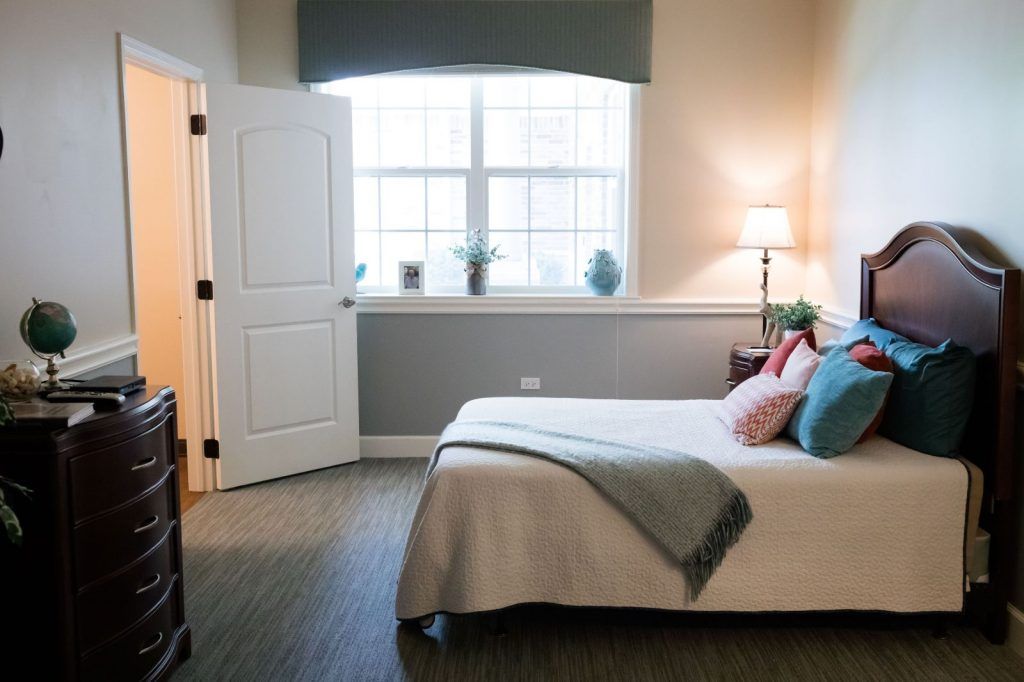
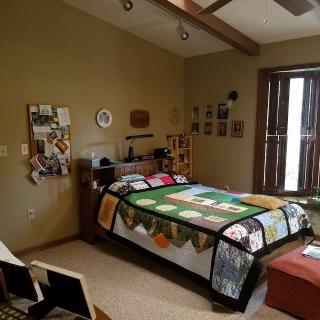
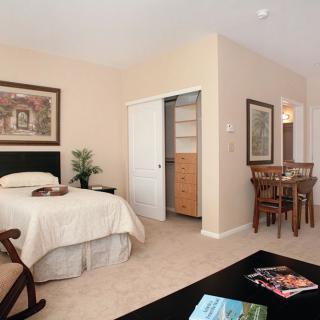
 Fully furnished
 Garden
 Housekeeping services
 Laundry
 Move-in coordination
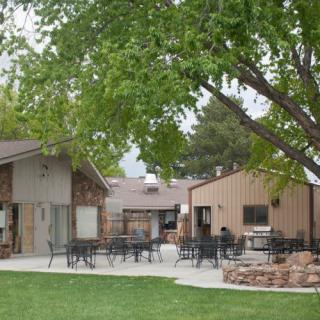
 Outdoor space
 Private
 Telephone
 Wi-Fi/high-speed internet available
 Transportation & parking
 24-hour supervision
 Activities of daily living assistance
 Assistance with bathing
 Assistance with dressing
 Assistance with transfers
 Diabetes diet
 Meal preparation and service
 Medication management
 Special dietary restrictions
 Transportation arrangement (medical)
 English


 Is Assisted Living Deductible on Your Taxes? Understanding the Complexities of Assisted Living Expenses and Deductions
 Assisted Living Support for Veterans: A Complete and Detailed Overview
 Exploring the Contrasts Between Assisted Living and Skilled Nursing