

7000 E. Belleview Ave. Suite 250, Greenwood Village, CO 80111
To contact a resident: (303) 753-4593
For more information about senior living options: (866) 208-4318
Overall Review of Christian Living Communities
Pros
 They experience a real sense of community at Holly Creek Retirement Community.
- The community is a great place to live.
- They were happily surprised by the caring support of residents and staff during a challenging medical situation.
- They are glad they made the decision to live there.
- The community is described as the best living community.
Review
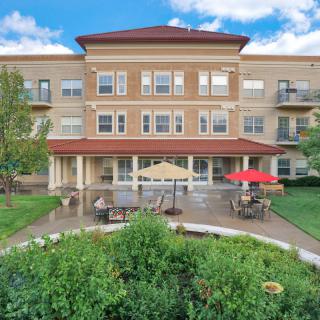
Holly Creek Retirement Community in Greenwood Village is best suited for couples and seniors who prize a tight-knit, Christian-leaning living environment where neighbors become an extended family and long-term residency is the norm. It works particularly well for residents facing evolving health needs who want to stay put as care requirements grow, thanks to a culture of personal attention and communal support. The setting rewards those who value steady, familiar faces in daily life, reliable staff assistance, and a sense that life together matters as much as individual independence. For couples who have lived in place for years, this community offers legitimacy of continuity, the very factor that makes relocation stress easier to bear when health shifts occur. It is not a fit for every seeker, but for a certain arc of aging with shared values, it stands out.
Those considering alternatives should note who may be better served elsewhere. A secular or non-faith-based environment may feel more comfortable for residents who prefer a purely non-religious culture or who want programming untouched by religious framing. Families seeking aggressively intensive medical facilities on site, or specialized memory-care campuses with hospital-level monitoring, may find other communities with a sharper focus on clinical capabilities. Price sensitivity also matters; the Greenwood Village location and its reputation typically correlate with premium cost, which may push households toward more budget-conscious options. In short, for those seeking a secular milieu, lower-cost options, or higher-tier medical infrastructures, alternatives deserve consideration.
The most compelling pros center on the lived experience of community. Residents and staff alike cultivate a genuine sense of belonging, with neighbors and caregivers who step in when medical challenges arise and who make daily routines feel personal rather than impersonal. Tenured residents demonstrate a stability that reassures families during transitions, while a culture of care among both peers and staff reduces isolation and anxiety during health events. The testimonials emphasize warmth, attentiveness, and a shared commitment to living well together; such factors often translate into quicker, smoother coordination of care, better adherence to routines, and clearer communication with loved ones about changes in health status. The emotional comfort of being understood matters as much as the physical services on offer.
Where the narrative may reveal its natural boundaries, it becomes clear what to weigh in decision making. The Christian foundation, while a strength for many, may limit alignment for those seeking a secular atmosphere or a more pluralistic spiritual environment. The sample of reviews is intimate in scale, offering vivid satisfaction but limiting the breadth of experiences to draw broad generalizations from. Location-specific dynamics, Greenwood Villageā€™s suburban amenities, transportation patterns, and access to wider medical networks, will influence daily life and excursion options differently than rural or downtown settings. Prospective residents should verify how religious programming, chapel activities, and faith-based community life align with personal preferences, daily rhythms, and family expectations.
The strengths, the enduring sense of community, visible staff investment, and real-time responsiveness to medical moments, tend to offset the potential downsides. When a couple has lived in place for a decade, as noted by one resident pair, the value of familiarity and reliable care becomes a powerful justification for staying put despite cost or location considerations. The shared culture of support acts as a hedge against loneliness and emergency-pressured transitions, delivering peace of mind to families navigating aging trajectories. For those who prioritize belonging, spiritual alignment, and steady relationships, the offset is substantial enough to tilt the balance toward choosing this community over others with more clinical emphasis or secular branding.
In practical terms, families weighing options should pursue a direct tour focused on care coordination, responsiveness, and the lived routines of residents. Inquiries should cover how the community handles changes in health status, what mobility assistance looks like on a daily basis, and how meals, activities, and transportation are organized around residents with evolving needs. Discussions about religious life should be explicit: how central is chapel programming, what are the opportunities for interfaith engagement if desired, and how inclusive is social life for non-members. If these dimensions align with values and expectations, Holly Creek offers a compelling, well-supported option for aging in place with a strong communal spine and a proven track record of compassionate care.
 Denver International (21 miles away)


 A Closer Look at Private Pay Home Care
 Comprehensive Approaches for Arthritis: A Detailed Guide to Symptoms, Causes, and Care
 Comprehensive Insights and Practical Strategies to Help Older Adults Avoid Falls