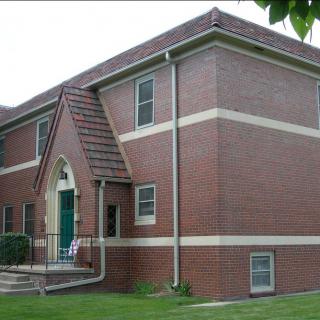
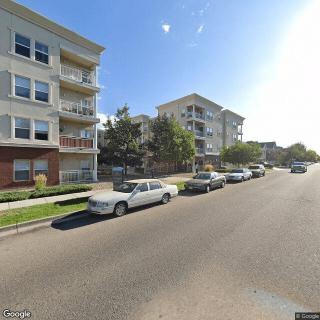
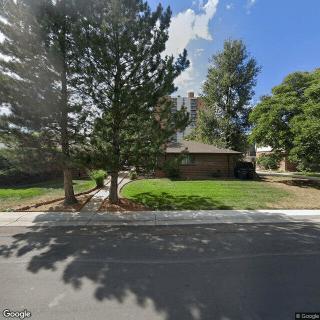
Monaco House RTF is an assisted living community in Denver, CO.
Information last verified:
1512 Monaco Parkway, Denver, CO 80220
For more information about senior living options: (866) 208-4318
3.4 from 60 reviews
5 stars
32
4 stars
4
3 stars
2
2 stars
1
1 stars
21
Overall Review of Monaco House RTF
caveat3 reviews mention this
Food quality feels inconsistent
Food quality is a recurring mix of complaints and praise.
Some residents or family members describe meals that miss the mark, including concerns about specific items being served incorrectly or without requested components. Other reviewers say the food was good or even surprisingly good, suggesting day-to-day inconsistency. Even within generally positive feedback, one reviewer notes food as the only thing they did not like.
common21 reviews mention this
Staff communication and care
Residents and families often describe caring, responsive staff.
Across many reviews, people highlight staff who are kind, supportive, and attentive to residents’ needs. Several reviewers describe quick follow-through when issues come up, including addressing problems promptly and helping coordinate transportation or appointments. There are also a few sharply negative reviews that describe poor treatment, but the overall pattern in the more detailed testimonials emphasizes responsiveness and compassionate caregiving.
common8 reviews mention this
Cleaning quality comes up often
Cleanliness is repeatedly mentioned, both positively and negatively.
Many reviewers say the facility is clean and well maintained, with comments about cleanliness of the community and rooms. Some describe cleanliness and odors being handled in a timely way. At the same time, multiple critical reviews raise sanitation and maintenance concerns, including descriptions of dirty rooms, unpleasant odors, and overall uncleanliness.
common2 reviews mention this
Outdoor courtyards are valued
Courtyards and outdoor areas are a commonly noted perk.
At least two reviewers specifically call out the community’s courtyards and the ability for residents to enjoy outdoor time. One mentions the courtyards being filled with flowers and places where residents spend time with staff, while another highlights the courtyards as a reason they would recommend the facility. The amenities list also includes outdoor space and a garden, which aligns with these resident and family observations.
common2 reviews mention this
Care includes medication help
Reviews describe staff helping with day-to-day medication.
A couple of detailed reviews mention staff delivering medications and coordinating ongoing care needs. That matches the community’s offered care support, which includes medication management and meal preparation for residents with special dietary needs. Together, these points suggest medication support is part of residents’ daily experience.
How we summarize
Counts show how many written reviews mention each theme; a review can touch several themes, and only frequently mentioned themes are displayed.
Features
Housing
8 resident community capacity
Types of Care
Assisted Living
Amenities
Cable or satellite TV
Dining room
Fully furnished
Garden
Housekeeping services
Move-in coordination
Outdoor space
Telephone
Wi-Fi/high-speed internet available
Transportation
Denver International (15 miles away)
Care Services
24-hour supervision
Activities of daily living assistance
Assistance with bathing
Assistance with dressing
Assistance with transfers
Coordination with health care providers
Diabetes diet
Meal preparation and service
Medication management
Special dietary restrictions
Transportation arrangement (medical)
Transportation to doctors appointments
Dining
Diabetes diet
Special dietary restrictions
Activities
Community-sponsored activities
Scheduled daily activities
Nearby Places of Interest
Physicians
Orthopedic Associates (1.2 miles)
Rose Medical Center Medical Libr (1.3 miles)
Colorado Kids Pediatrics (1.4 miles)
Center For Hearing, Speech, & Language (1.4 miles)
Cherry Creek Pediatrics (3 miles)
Children's Medical Center (3.3 miles)
Denver Health: Gipson Eastside Family Health Center (3.5 miles)
Assisted living in 2025 offers a crucial balance of independence and support for seniors, with costs varying from $2,500 to over $7,000 per month based on factors such as location and care level. Understanding pricing complexities, including regional differences and potential hidden fees, is essential for families to plan financially while ensuring quality care for their loved ones.
The guide outlines the complexities of Medicaid coverage for assisted living, highlighting significant state-to-state variations, limited coverage often restricted to personal care services, and the existence of specialized waivers for certain needs like memory care. It advises families to consult local Medicaid offices for options while emphasizing the importance of understanding state-specific regulations and facility policies.
Medicaid coverage for assisted living varies by state and is primarily available to low-income individuals, with eligibility dependent on strict income and asset limits. Some states offer HCBS waivers for specific services in assisted living, but families must generally cover room and board costs, and should verify facility acceptance of Medicaid while considering potential waiting lists.
Get PricingAsk A QuestionSchedule A TourContact Senior Advisor
By clicking submit, you agree to our Partner's Terms of Use. You
also consent to receive calls and texts, which may be autodialed, from our Partner. Your consent is not a condition to
using our Partner's service. Please visit our Partner's Privacy Policy for information about their privacy practices.

 8 resident community capacity
 Assisted Living
 Cable or satellite TV
 Dining room
 Fully furnished
 Garden
 Housekeeping services
 Move-in coordination
 Outdoor space
 Telephone
 Wi-Fi/high-speed internet available
 Denver International (15 miles away)
 24-hour supervision
 Activities of daily living assistance
 Assistance with bathing
 Assistance with dressing
 Assistance with transfers
 Diabetes diet
 Meal preparation and service
 Medication management
 Special dietary restrictions
 Transportation arrangement (medical)
 Transportation to doctors appointments
 24/7 supervision with ADL support in a furnished, amenity-rich setting.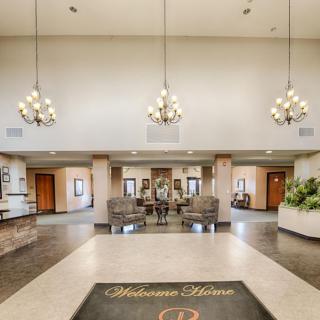



 Understanding the True Cost of Assisted Living in 2025: A Comprehensive Guide
 Understanding Medicaid Coverage for Assisted Living: A Comprehensive Guide
 How and When Medicaid May Cover Assisted Living Costs