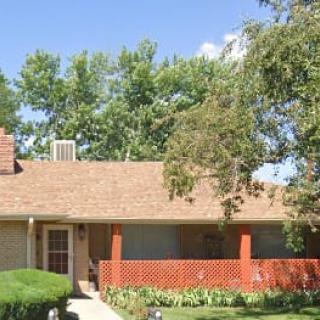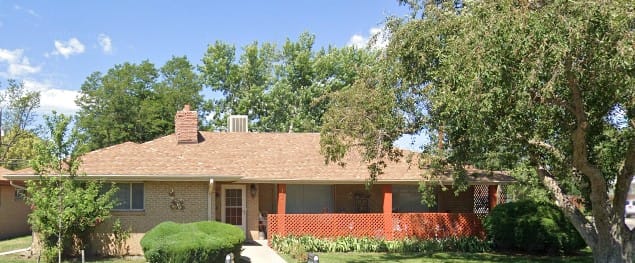
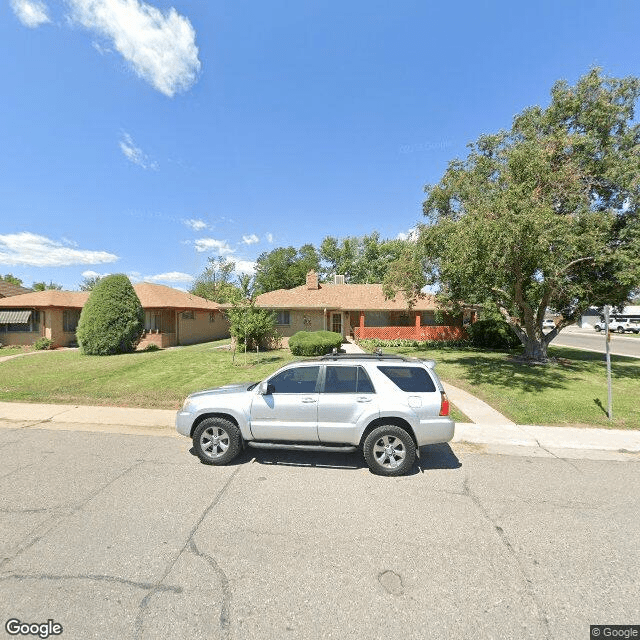
1395 Vrain Street, Denver, CO 80204
For more information about senior living options: (866) 208-4318
Just For Seniors Living Center I Costs & Pricing
Just For Seniors Living Center I offers an attractive pricing structure compared to the broader market in Jefferson County and the state of Colorado. For semi-private rooms, residents can expect to pay $2,400 per month, which is significantly lower than the county average of $4,114 and the state average of $4,009. Similarly, for those seeking a private room, the monthly cost at Just For Seniors is $2,800 - again a compelling value when juxtaposed with Jefferson County's average of $4,253 and Colorado's average of $4,142. This makes Just For Seniors Living Center I an appealing option for seniors looking for quality care without the financial strain often associated with assisted living facilities in the region.
| Floor plans | Just For Seniors Living Center I | Jefferson County | Colorado |
|---|---|---|---|
| Semi-Private | $2,400 | $4,114 | $4,008 |
| Private | $2,800 | $4,253 | $4,142 |
Assisted Living communities with a similar price nearby
-
from -$400 / mo
The Rising Sun Senior Home
$2,000 to $3,000 / month2.2 miles away -
About the same
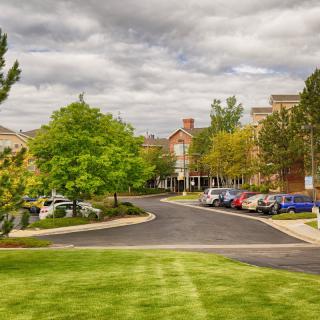
Someren Glen Retirement Community
$2,470 to $3,975 / month11.8 miles away -
from +$139 / mo

San Marino Retirement Community
$2,539 to $4,348 / month6.5 miles away -
from +$375 / mo

The Gardens at St. Elizabeth
$2,775 to $3,395 / month2.1 miles away -
from -$175 / mo
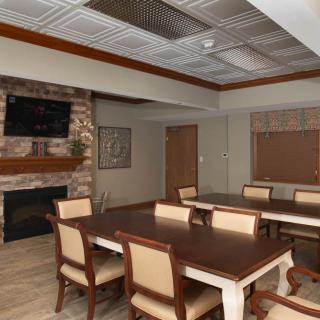
Cherry Creek Retirement Village
$2,225 to $3,788 / month13.4 miles away
Overall Review of Just For Seniors Living Center I
Pros
 The staff are friendly and take great care of their residents.
- They chose Just for Seniors because their mom receives personalized care.
- Everything is going great for them.
- Caregivers remind their mom to do the things she needs to do, showing attentive support.
Cons
 The staff are bad and do not care.
Review
Just For Seniors Living Center I in Denver is best suited for families seeking close, day-to-day supervision and personalized attention for a senior who benefits from consistent reminders and ready help with activities of daily living. The model here leans into hands-on support delivered by a friendly, visible staff, creating a home-like atmosphere where staff are typically described as approachable and engaged. It works especially well for residents who thrive on routine, want someone nearby to prompt them through tasks, and appreciate the reassurance that help is always within reach. This community is less appropriate for those who require high-level medical oversight, complex behavioral management, or a truly robust nursing presence around the clock.
One should explicitly consider alternatives if care needs extend beyond prompting and daily assistance. The single harsh critique, describing staff as not caring, serves as a caution flag about consistency and reliability in some shifts or moments. For families facing significant medical complexity, memory-care needs, or the expectation of steady, uninterrupted professional presence, a facility with a larger medical team, stricter supervision, and more formal oversight may be a better fit. The limited number of reviews means caution is warranted; the red flag cannot be dismissed, and a closer, in-person assessment is essential before committing.
The strongest pros center on personalized care and rapid staff responsiveness. When caregivers are described as always there to help, as attentive to reminders, and as genuinely friendly, that translates into practical benefits: fewer missed routines, better medication prompting, and a sense of safety for residents who require oversight in daily tasks. Those advantages can offset concerns about lesser-known drawbacks if staffing remains stable during typical shifts and if leads and supervisors model consistent, caring behavior. For families prioritizing daily assurance and a known, supportive daily routine, the positives are meaningful and actionable.
Environment and daily life also trend positively in the information available. The consistent thread is approachable staff who build relationships with residents and tailor reminders to individual needs. Residents appear to benefit from a calm, welcoming setting where staff interactions are frequent and visible. However, the credibility of this impression depends on real-time staffing reality and the consistency of care across all shifts. Potential residents should assess whether the pace of life, meal service consistency, and activity options align with personal preferences and social needs, recognizing that depth of social programming is not fully documented in the available feedback.
To move from impression to decision, conduct a targeted discovery during a tour. Ask to meet the administrator and several direct-care staff to gauge communication style and responsiveness. Request clear details on staffing ratios by shift, performance expectations, and procedures for urgent situations or weekend coverage. Inquire about medication management, documentation practices, and how personalized routines are developed and updated. Seek sample weekly schedules that illustrate social activities, exercise options, and opportunities for meaningful engagement beyond basic care. If possible, observe a shift change to see how handoffs are handled and how consistently residents are checked in with.
The bottom line is pragmatic: Just For Seniors Living Center I offers a compelling option for families prioritizing personalized, hands-on daily support delivered in a warm, resident-centered environment. The obvious strength, the accessibility and attentiveness of staff who prompt and assist, can make a real difference for seniors who need help staying engaged in routines and independent in small ways. Yet the 3-star rating, fueled by mixed experiences, signals that staffing consistency and overall care culture require verification. For residents with modest medical needs and a preference for a welcoming, person-focused setting, this community can be a strong fit, so long as due diligence confirms stable staffing, reliable leadership, and a demonstrated commitment to compassionate care across all shifts. If these assurances cannot be obtained, or if higher medical oversight is essential, exploring alternatives with clearer clinical oversight and stronger staffing ladders is advisable.
 8 resident community capacity
 Assisted Living
 Board and Care Home
 Respite Care
 Activities off-site
 Cable or satellite TV
 Devotional services on-site
 Dining room
 Fully furnished
 Garden
 Housekeeping services
 Indoor common areas
 Move-in coordination
 Outdoor common areas
 Private
 Telephone
 Wheelchair accessible showers
 Wi-Fi/high-speed internet available
 Denver International (22 miles away)
 24-hour supervision
 Ambulatory care
 Assistance with bathing
 Assistance with dressing
 Assistance with transfers
 Diabetes diet
 Diabetic care
 High acuity care
 Incontinence care
 Meal preparation and service
 Medication management
 Special dietary restrictions
 Transportation arrangement (medical)
 Transportation to doctors appointments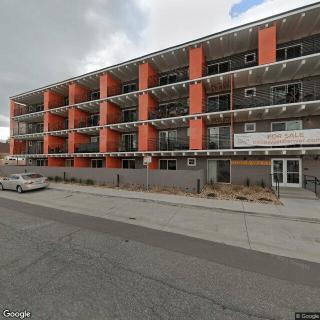



 Assisted Living and Memory Care: Understanding Their Core Differences
 Beyond the Bingo Hall: 50+ Enriching Activities for Seniors in Assisted Living
 Understanding the Distinctions: Assisted Living and Memory Care Explained