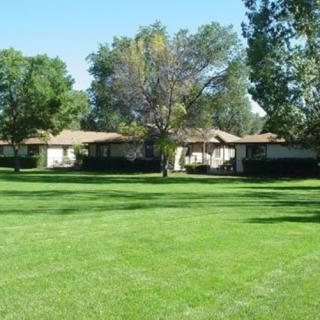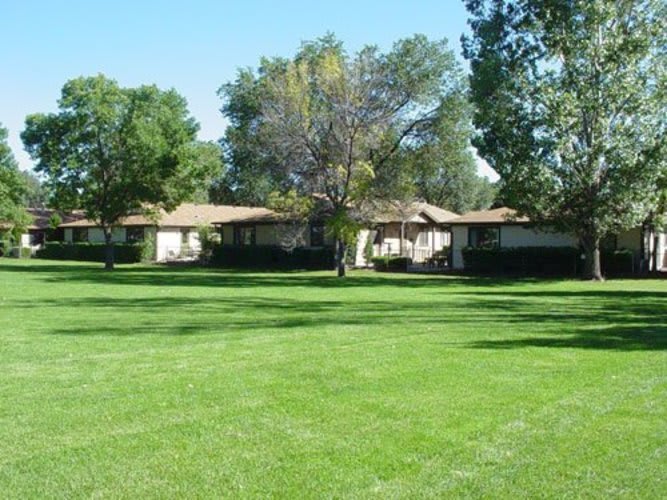
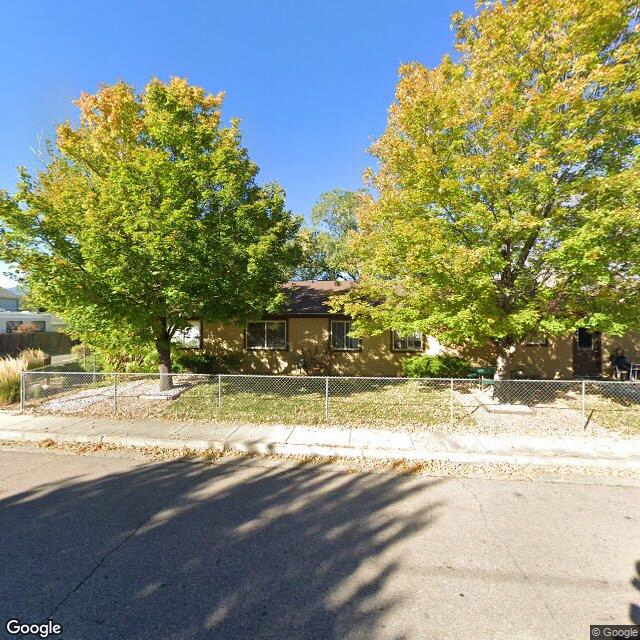
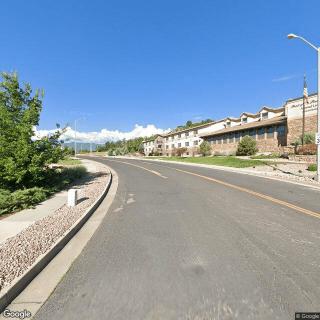
3102 North Prospect Street, Colorado Springs, CO 80907
For more information about senior living options: (866) 208-4318
Colorado Springs Senior Homes Costs & Pricing
When examining the costs of senior homes in Colorado Springs, it is clear that the pricing is quite competitive compared to both El Paso County and the broader state of Colorado. For a semi-private room, residents in Colorado Springs can expect to pay around $2,400 per month, significantly lower than the county average of $4,029 and the state average of $4,009. Similarly, for studio accommodations, Colorado Springs offers a monthly rate of $2,600, which remains below both local and statewide figures - $3,458 and $4,090 respectively. This positions Colorado Springs as an appealing option for families seeking quality care for their loved ones without the inflated costs found elsewhere in the region.
| Floor plans | Colorado Springs Senior Homes | El Paso County | Colorado |
|---|---|---|---|
| Semi-Private | $2,400 | $4,029 | $4,008 |
| Studio | $2,600 | $3,458 | $4,088 |
Assisted Living communities with a similar price nearby
-
from +$300 / mo
St. Padre Pio Assisted Living
$2,700 to $5,000 / month2.2 miles away -
from +$145 / mo
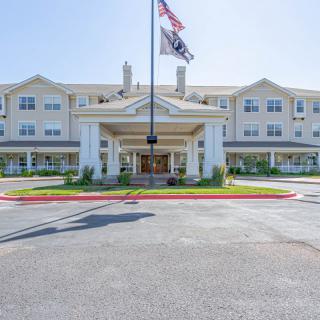
Bear Creek Senior Living
$2,545 to $5,800 / month4.3 miles away -
from +$300 / mo
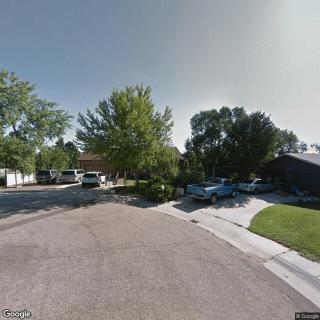
Constant Care Of Colorado Springs
$2,700 to $3,500 / month6.8 miles away -
from +$100 / mo
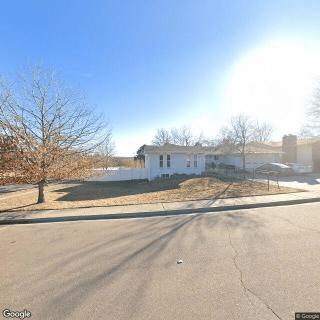
Garden Ranch Senior Care
$2,500 / month2.4 miles away -
from +$175 / mo
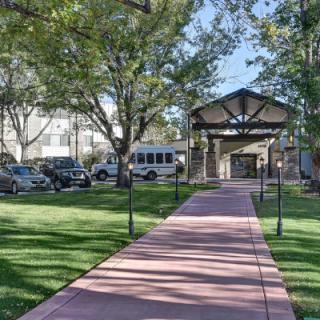
Winslow Court
$2,575 to $4,075 / month3.5 miles away
Overall Review of Colorado Springs Senior Homes
Pros
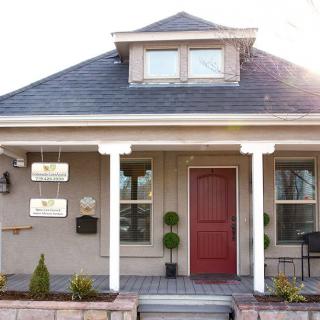
 Colorado Springs Senior Homes operates 24/7 across Houses 3102–3108.
- 3030 Grandview Street is generally open from 9 a.m. to 5 p.m., Monday through Friday.
- The owners take good care of the facilities.
- The staff is friendly.
- It is connected to a park.
- The staff frequently assist residents in the houses.
- Colorado Senior Homes is highly recommended.
Cons
 The review states that the facility does not meet their requirements.
- The review notes that all rooms have a shared bathroom.
Review
Colorado Springs Senior Homes is best suited for seniors who want a hands-on, staff-driven living experience in a small-house setting with ready access to outdoor space. The model unfolds across a cluster of houses (3102–3108) plus a separate Grandview Street location, creating a neighborhood feel rather than a single campus. This setup delivers constant staff presence in the houses, often available on the floor to assist residents, while preserving the comfort of a home environment. For residents who prize proximity to a park and easy outdoor enjoyment, the adjacent green space is a tangible plus. The arrangement works well for families seeking flexible, person-centered support and a lived-in atmosphere rather than a polished, high-rise vibe. It is less ideal for someone who insists on private baths in every room or for families seeking a more formal, single-site facility with standardized amenities.
On the upside, the core strengths are practical and compelling. The 24/7 operation within the houses means help is never far away, whether for nighttime needs or daytime assistance with daily activities. Staff are described as friendly and approachable, contributing to a trust-filled environment where residents feel comfortable asking for a hand. The owners’ attention to maintenance keeps the facilities clean, functional, and inviting. The park connection adds an important lifestyle dimension, easy strolls, fresh air, and opportunities to engage with the outdoors without leaving the community. With multiple houses, residents experience a sense of neighborhood and routine continuity that supports independence while reducing isolation for families watching from afar.
Every choice has trade-offs, and the primary drawback here is the shared bathroom setup. All rooms reportedly have a shared bathroom, which can be a non-starter for seniors who value privacy or who require more personal space in daily routines. That design choice may limit appeal for couples or individuals who want ensuite access, even if support is otherwise excellent. A second practical limitation is that 3030 Grandview Street operates with more standard business hours, generally 9 a.m. to 5 p.m., Monday through Friday, with staff often present in the houses but not as consistently around the clock. For families prioritizing a single, centrally staffed campus with uniform amenities, this arrangement may feel like a compromise. Taken together, these factors push some to explore alternatives that better match private-bath expectations or 24/7 centralized care.
Yet the strengths can substantially offset the drawbacks for the right resident. The continuous presence of staff within the houses reduces response times and supports safety, especially for daytime activities and evening routines. The friendly staff fosters stability and meaningful connections, which can be more important than formal amenities in supporting quality of life. Well-maintained facilities reflect an investment in reliability, while the park-adjacent location supports outdoor activity that benefits physical health and mood. The small-house model often translates into closer personal relationships with caregivers and neighbors, helping residents settle in quickly and maintain familiar rhythms. For those who accept shared bathrooms as a trade-off for ease of access to care, the overall package remains highly compelling.
Prospective buyers should still weigh alternatives, particularly if private baths are non-negotiable or if a more centralized, medical-focused setting is preferred. For residents needing stronger medical oversight, a dedicated memory-care unit, or a campus with consistent 24/7 operations across a single address, other communities may be a better fit. If privacy and a formal daily schedule are priorities, exploring options that offer private suites or en suite baths, larger campuses, and clearer care-continuum planning is prudent. In any case, request detailed floor plans, confirm which rooms have private baths if any, and compare daily programming across addresses to ensure the chosen option aligns with care needs, lifestyle preferences, and budget realities.
Bottom line: Colorado Springs Senior Homes delivers practical, hands-on support in a warm, park-adjacent setting that will satisfy families valuing immediacy of care and a home-like atmosphere. It suits residents who can live with shared bathrooms and who want genuine staff accessibility rather than a glossy, single-campus experience. For those with private-bath requirements or who seek a more formal clinical environment, alternatives deserve attention, but this community should remain on the short list as a benchmark for personal attention, maintenance reliability, and neighborly living. Tours should focus on the 24/7 houses to observe daily interactions, inspect room configurations, and verify privacy options. With clear questions answered, families can decide whether this model fits the resident’s goals or if a different community better matches needed privacy, medical support, and campus scale.
 36 resident community capacity
 Assisted Living
 Respite Care
 Activities off-site
 Bath tubs
 Beautician on-site
 Cable or satellite TV
 Devotional services off-site
 Dining room
 Fully furnished
 Garden
 Housekeeping services
 Indoor common areas
 Kitchenette
 Move-in coordination
 Outdoor common areas
 Restaurant-style dining
 Small library
 Telephone
 Wheelchair accessible showers
 Wi-Fi/high-speed internet available
 City of Colorado Springs Muni (8 miles away)
 24-hour call system
 Ambulatory care
 Assistance with bathing
 Assistance with dressing
 Assistance with transfers
 Diabetes diet
 Incontinence care
 Medication management
 Mental wellness program
 Special dietary restrictions


 Funding and Affording Assisted Living: A Thorough Overview
 Assisted Living Expenses and Long-Term Care Insurance: A Comprehensive Exploration
 Securing Financial Support for Assisted Living: A Comprehensive Overview