
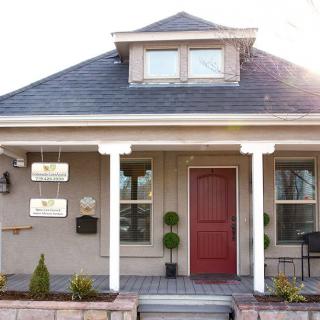
2509 North Cascade Avenue, Colorado Springs, CO 80907
For more information about senior living options: (866) 208-4318
Colorado Careassist Cascade Home Costs & Pricing
Colorado Careassist Cascade Home offers competitive pricing for its residents, reflecting the costs associated with personalized care in a desirable location. For a studio apartment, the monthly rate is set at $4,075, which is slightly below the state average of $4,090 but higher than El Paso County's average of $3,458. The one-bedroom option is priced at $4,550, again aligning closely with county rates while remaining above state averages. Semi-private accommodations are available for $4,825, placing them above both local and statewide averages - highlighting the premium services provided here. Finally, two-bedroom units are offered at $4,875, which is notably higher than El Paso County's rate but remains competitive compared to other facilities across Colorado. Overall, Colorado Careassist Cascade Home provides high-quality living options that reflect its commitment to care excellence amidst varying regional pricing structures.
| Floor plans | Colorado Careassist Cascade Home | El Paso County | Colorado |
|---|---|---|---|
| Studio | $4,075 | $3,458 | $4,088 |
| 1 Bedroom | $4,550 | $3,564 | $4,118 |
| Semi-Private | $4,825 | $4,029 | $4,008 |
| 2 Bedrooms | $4,875 | $4,086 | $4,580 |
Assisted Living communities with a similar price nearby
-
About the same
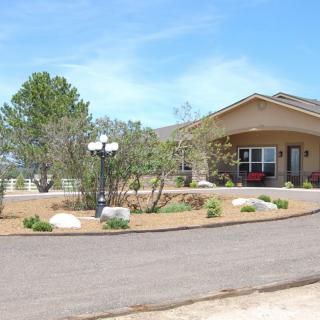
New Day Cottages at Pine Creek
$4,000 / month9.2 miles away -
from +$560 / mo
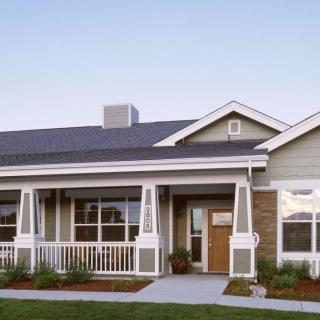
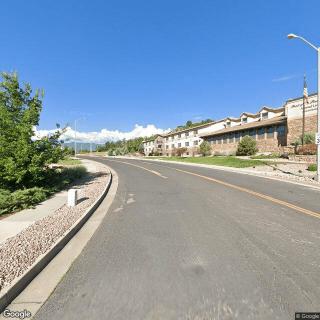
MacKenzie Place Colorado Springs
$4,635 to $6,095 / month1.4 miles away -
from -$675 / mo

Jackson Creek Senior Living
$3,400 to $4,175 / month14.2 miles away -
About the same
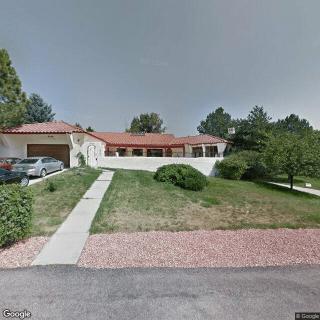
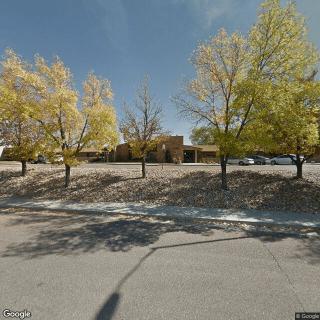
Country Club Assisted Living
$4,000 / month2.2 miles away -
from -$460 / mo
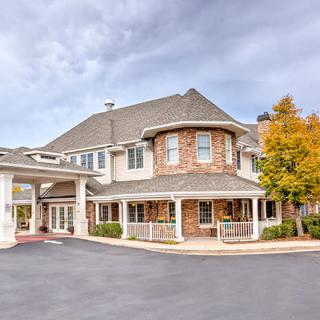
Brookdale Monument Valley Park
$3,615 to $5,553 / month1.7 miles away
Overall Review of Colorado Careassist Cascade Home
Pros
 The staff at Cascade House are top notch.
- Bonnie and her staff go above and beyond to care for all the residents.
- Cascade House is highly recommended.
- The home is inviting and warm.
- Mom’s medical needs were fully met to ensure complete care.
- The staff and owners are caring and make residents feel loved.
- There is outdoor space that is used during warmer weather.
- The facility feels like home and provides attentive, one-on-one care.
Cons
 Shawn Heer allegedly recommended selling his mother’s home to move into Cascade House, which turned out not to be equipped to care for her.
- The reviewer contends that Cascade House did not provide a way for the resident to speak with loved ones, leaving her isolated and needing 24/7 care.
- It is alleged that Mr. Heer is not credentialed as a Senior Care Advisor.
- Liz Shaw’s statements about Colorado Care and Assist and Cascade House are claimed to be false.
Review
Colorado Careassist Cascade Home in Colorado Springs is best suited for families seeking a small, home‑like assisted living experience where residents receive highly personalized attention, strong staff responsiveness, and significant family involvement. With eight residents and a warm, inviting environment, this community is ideal for seniors who want daily social engagement, consistent one‑on‑one interaction, and continuity of care from a tight-knit team. It suits those who value regular communication with caregivers, routine correspondence with owners, and the feel of a welcoming household rather than a clinical facility. For parents, spouses, or adult children prioritizing dignity, comfort, and close staff oversight, Cascade House stands out as a practical, emotionally supportive option.
That said, choices should be tailored to the level of medical need and the expectations around care intensity. Families should consider alternatives if a loved one requires around‑the‑clock skilled nursing, complex medical management, or strict supervision that exceeds what a small house can safely provide. Larger assisted living communities or skilled nursing facilities may offer more robust 24/7 medical oversight, memory‑care structures, or specialized equipment. Those who must have guaranteed, formalized communication channels, or whose decisions hinge on strict regulatory assurances, might also explore other options. In short, Cascade House is not the right fit for residents whose needs demand high‑acuity medical care or very rigid clinical protocols.
The strongest arguments in Cascade House’s favor revolve around its people and place. Staff are repeatedly described as top‑tier, attentive, approachable, and consistently available to talk through questions or concerns. The owners are portrayed as deeply invested, with Bonnie and the team going “above and beyond” to include families in celebrations, arrange meaningful activities, and ensure that medical needs are met with personalized attention. The eight‑resident format enables real familiarity: rooms feel like personal spaces, meals are shared in a community setting, and daily contact with caregivers becomes part of the resident’s routine. The environment is clearly designed to foster warmth, with outdoor space, holiday programming, and a schedule of daily activities that helps residents stay engaged and connected.
The caveats raised by a minority of reviewers shouldn’t be dismissed. One thread of caution points to the possibility that Cascade House may not be outfitted for residents who require 24‑hour hands‑on care, intensive medical monitoring, or highly specialized treatment plans. There are concerns about communication and accessibility in certain situations, including questions about how placements are determined and how reviews and approvals are handled for power of attorney matters. These voices emphasize the importance of due diligence: prospective families should verify that the facility’s capabilities align with a resident’s specific medical and cognitive needs, and should confirm that the communication expectations and care planning processes meet their standards before making a commitment.
Yet the overpowering evidence from most families leans toward a favorable balance of pros over cons when the resident’s needs align with Cascade House’s strengths. The small size magnifies the caregiver‑to‑resident attention, reducing isolation and supporting consistent, meaningful interactions. The culture of mentorship and family inclusion translates into reliable, compassionate care, with families reporting that their loved ones feel seen, heard, and valued. Hospice collaboration, where appropriate, appears to be smoothly integrated, adding a layer of continuity for end‑of‑life warmth and dignity that resonates with families already navigating difficult decisions. For many, these attributes are decisive: a sense of home, not just a place to stay.
For families weighing options, Cascade House offers a clear value proposition: a homey setting, dedicated staff, and a caregiving ethos that treats residents as members of a close community. The practical path is to visit with the intent of pressing for specifics relevant to the individual resident, care plans, staffing levels during peak hours, daily activity options, and how medical needs are documented and updated. Ask to meet the care director, review recent care notes, and confirm how family communication is handled during hospitalizations or transitions. If warmth, personalized attention, and a stable, family‑oriented atmosphere are the top priorities, Cascade Home deserves serious consideration; if the priority is 24/7 medical acuity or highly structured memory‑care design, exploring alternatives is prudent.
 8 resident community capacity
 Assisted Living
 Cable or satellite TV
 Dining room
 Fully furnished
 Garden
 Housekeeping services
 Move-in coordination
 Outdoor space
 Telephone
 Wi-Fi/high-speed internet available
 City of Colorado Springs Muni (8 miles away)
 24-hour supervision
 Activities of daily living assistance
 Assistance with bathing
 Assistance with dressing
 Assistance with transfers
 Diabetes diet
 Meal preparation and service
 Medication management
 Special dietary restrictions
 Transportation arrangement (medical)
 Transportation to doctors appointments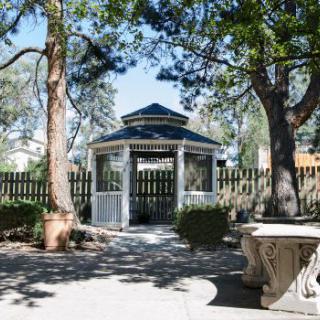

 Understanding the True Cost of Assisted Living in 2025: A Comprehensive Guide
 Understanding Medicaid Coverage for Assisted Living: A Comprehensive Guide
 How and When Medicaid May Cover Assisted Living Costs