
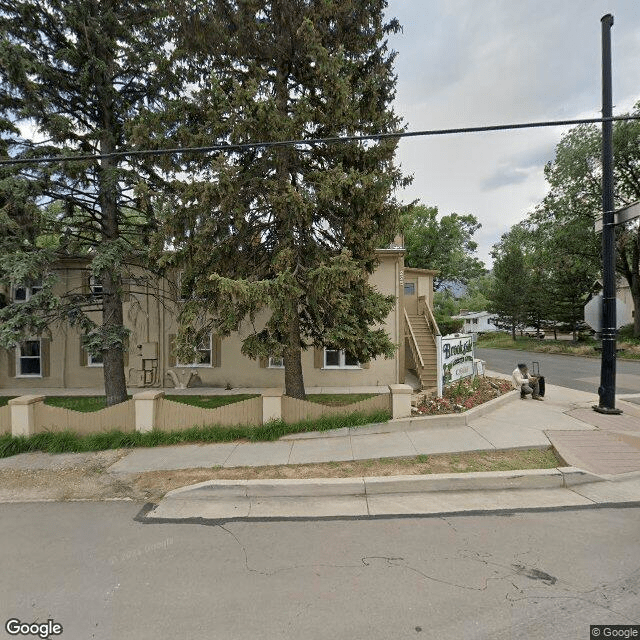
225 W Brookside, Colorado Springs, CO 80905
To contact a resident: (719) 632-6511
For more information about senior living options: (866) 208-4318
Overall Review of Brookside I & II
Pros
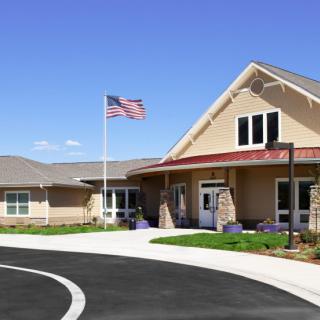
 The facility is nice.
- The staff are friendly.
- The reviewer would recommend this facility to their family members.
- It is described as the best assisted living the reviewer has ever experienced.
Cons
 The facility has ongoing issues with harassment, trespassing, and drug use.
- Residents stand outside or trespass onto neighboring properties to use drugs.
- Drug paraphernalia is found on the property, clearly belonging to residents.
- When confronted about trespassing, the residents become aggressive and threatening.
- On multiple occasions, residents have attempted to enter neighboring residences.
- The behavior includes stalking of women and children at Ivywild Park and harassing anyone who passes by.
Review
Brookside I & II in Colorado Springs is best suited for seniors who want a warm, social environment with approachable staff and a homey feel, and who do not require high-acuity supervision. The facility itself comes across as pleasant and navigable, and at least some residents have experienced genuine friendliness from staff and neighbors. For families seeking a lively, low-stress community where daily life centers on companionship and accessible assistance, this campus can deliver a reasonable quality of life.
However, those prioritizing safety, neighborhood harmony, and predictable oversight should consider alternatives. Several reviews emphasize troubling external dynamics: harassment, trespassing, and drug use by residents that spill over onto surrounding properties. The accounts describe aggressive behavior toward neighbors and a sense that law enforcement responses are inconsistent. For families concerned about resident management, community safety, and liability, these issues are a significant red flag that warrants serious scrutiny before committing.
The favorable aspects, polite staff, a clean campus, and a perception of genuine care, do offer tangible value. When the environment feels welcoming and residents appear well accommodated, daily routines can be smoother, with social programming and assistance available without battling an overly clinical atmosphere. For residents who can thrive in a relaxed, neighborly setting and who do not present behaviors that escalate neighborhood tensions, these positives can meaningfully offset some minor inconveniences. Yet the weight of external safety concerns still looms large.
The core cons, as reported, are not minor. Persistent neighborhood disturbances tied to the facility’s residents, coupled with fears of aggressive interactions and illegal drug use, create an atmosphere that outsiders rightly classify as unsafe. The impression that residents wander beyond the campus and that local responders struggle to contain incidents undermines the fundamental promise of assisted living: a secure, predictable environment within reach of help when needed. When a community is perceived as allowing or tolerating such behavior, the risk to residents, especially those with cognitive challenges or mobility limits, cannot be dismissed.
Families evaluating Brookside should demand concrete, verifiable assurances: documented incident histories and outcomes, a proven security plan, and transparent communication channels with staff and local authorities. Inquiries should include staff coverage ratios, resident screening procedures, and the availability of dedicated space for higher-need residents to reduce cross-traffic with neighbors. A deliberate tour during times of normal activity, and conversations with current residents and their families, will reveal whether the campus has built reliable safeguards or merely a veneer of safety. Obtain written escalation procedures and a clear policy on handling wandering, trespassing, and conflict.
Overall, Brookside I & II presents a mixed proposition that leans toward caution. For families whose priority is a genuinely secure, crime-free environment and whose loved ones require reliable, external safety controls, alternatives with stronger neighborhood reputations may be a prudent move. Yet for a resident who values a friendly, home-like setting and can navigate with robust support and strict internal controls, Brookside could still be workable if accompanied by a rigorous, enforceable safety plan and unwavering transparency from administration. In the end, the decision hinges on whether security and community peace of mind can be guaranteed through concrete measures, or if the potential for neighborhood disruptions is a risk too great to accept.
 Activities on-site
 Devotional services off-site
 Indoor common areas
 City of Colorado Springs Muni (8 miles away)
 Ambulatory care
 Diabetic care
 Meals provided




 In-Home Care Costs in 2025: A Detailed State-by-State Exploration
 Understanding Home Health Care: A Comprehensive Guide
 Home Health Care Demystified: A Comprehensive Guide for Families and Caregivers