




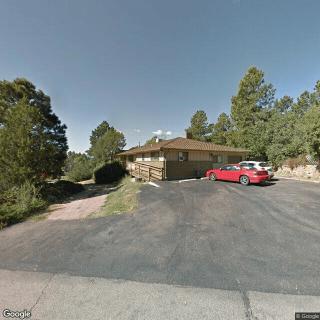
1550 Hiawatha Drive, Colorado Springs, CO 80915
For more information about senior living options: (866) 208-4318
A Doctor's Touch Costs & Pricing
At A Doctor's Touch, the monthly costs for care reflect a commitment to affordability while maintaining high-quality service. For a semi-private room, residents can expect to pay $2,500, significantly lower than the local average of $4,029 in El Paso County and $4,009 across Colorado. Similarly, private rooms at A Doctor's Touch are priced at $3,500, presenting a competitive option compared to the county rate of $3,946 and the state average of $4,142. These pricing structures not only highlight our mission to provide accessible care but also position us as an attractive choice for individuals seeking comprehensive support without compromising their financial stability.
| Floor plans | A Doctor's Touch | El Paso County | Colorado |
|---|---|---|---|
| Semi-Private | $2,500 | $4,029 | $4,008 |
| Private | $3,500 | $3,946 | $4,142 |
Memory care communities with a similar price nearby
-
from +$200 / mo

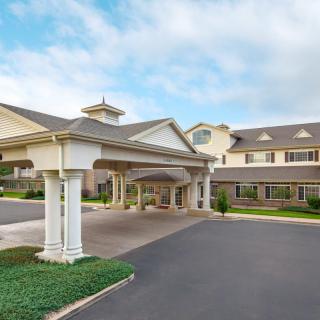
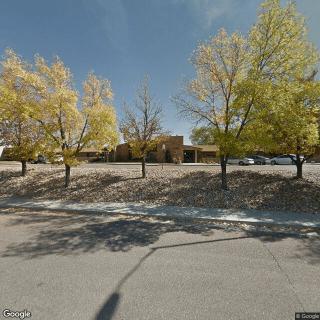
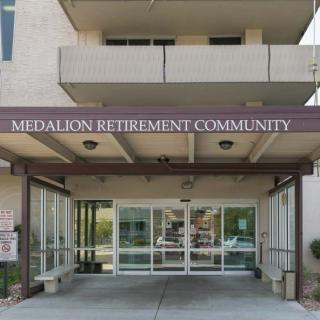
St. Padre Pio Assisted Living
$2,700 to $5,000 / month3.4 miles away -
About the same
Bear Creek Senior Living
$2,545 to $5,800 / month8.2 miles away -
from +$80 / mo
Brookdale Briargate
$2,580 to $4,615 / month6.7 miles away -
About the same

Brookdale Skyline
$2,445 to $5,795 / month8.7 miles away -
from +$390 / mo

Brookdale Broadmoor
$2,890 to $5,000 / month7.0 miles away
Overall Review of A Doctor's Touch
Pros
 The home is amazing.
- The staff are very attentive and caring.
- The meals are great.
- The environment is clean.
- The mom's health has improved since moving there.
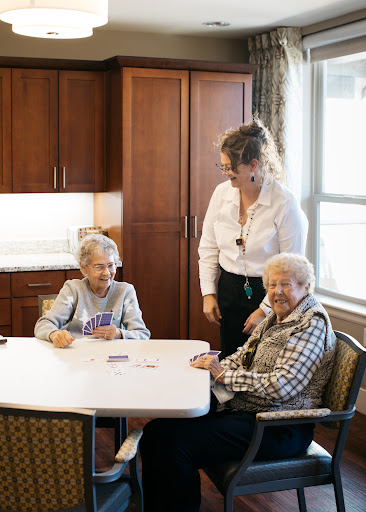
- There are activities like sing-a-longs for residents to participate in.
- The mom is safe there.
Cons
 The home really isn't bad but it could be better.
- The home could be better if they had a little more structure, if they could establish a routine for the residents so that they know what to expect.
- They are a non medical facility and services are limited on how you pay for their services.
Review
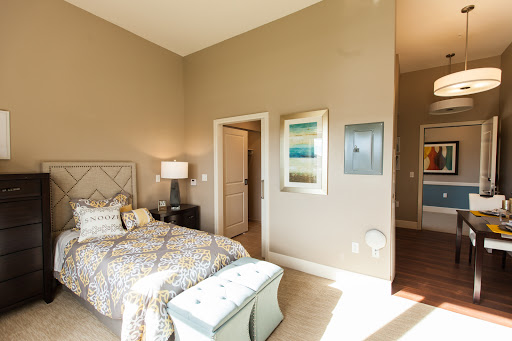
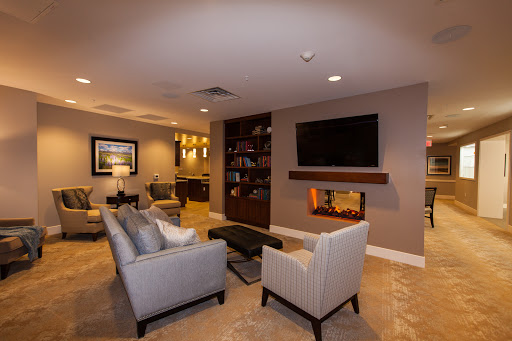
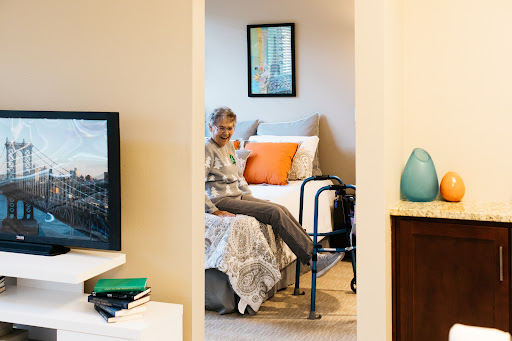
A Doctor's Touch Assisted Living Homes in Colorado Springs is best suited for families seeking a true home-like setting where a small, physician-led team delivers personal attention, safety, and gentle social programming for seniors who benefit from consistent, hands-on care and memory-support activities. This community shines when a resident thrives with intimate daily interaction, direct staff accessibility, and a sense of belonging in a compact, homestyle environment.
For families weighing alternatives, several realities warrant consideration. The venture is a non-medical facility with limited in-house medical services, meaning it does not replace skilled nursing or on-site clinical oversight. Those whose loved ones require daily nursing, complex medical management, rehab therapies, or highly structured medical routines will likely want a facility with more robust on-site medical capabilities. The payment and service model can also create gaps if advanced care needs emerge, so readiness to engage external providers is essential.
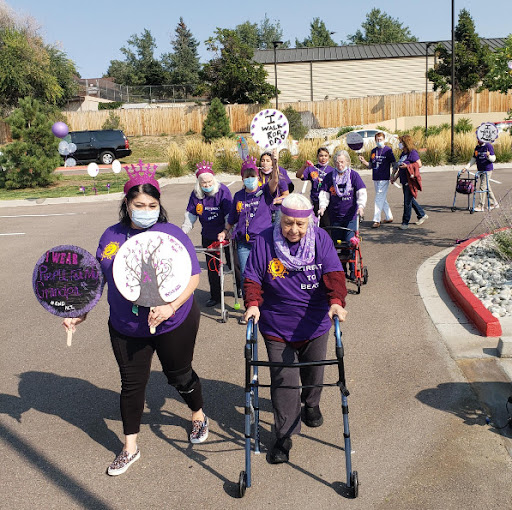
The strongest positives here, attentive, caring staff; meals that impress; a clean, home-like atmosphere; and the sense that care comes from a physician-led team, play a decisive role in everyday quality of life. Residents are supported with walks around the grounds, meaningful activities in the memory unit, and oversight that helps families feel their loved ones are safe. Staff willingness to escort residents to doctor appointments when families cannot be present is a meaningful cushion, and the health improvements noted by families underscore the value of daily, compassionate engagement in a small setting. These elements collectively offset several inherent limitations by delivering reliability, warmth, and social engagement that larger facilities sometimes struggle to replicate.
The small footprint, a community of about eight residents, is both a strength and a limitation. On the one hand, it fosters close relationships, predictable interactions, and a quiet pace that can be comforting for elders who dislike the bustle of bigger campuses. On the other hand, it can breed a weaker sense of routine and less diverse programming, making it harder to maintain a consistent daily structure without intentional planning. For families seeking highly scheduled days with a broad slate of amenity options, this environment may feel underwhelming. The same intimacy that patients and families value can become a constraint if needs shift toward more formal routines or specialized therapies.
Health outcomes in this setting also reflect the balance between capacity and care philosophy. Multiple endorsements highlight improvements in residents’ well-being after moving in, with mentions of safety, targeted activities, and meaningful engagement. Yet the core limitation remains: medical oversight is not centralized in-house, and the facility relies on external providers for complex medical needs. Families should anticipate coordinating with external clinicians and arranging additional services if medical conditions require more intensive attention than the community can sustain day-to-day. This is not a deal-breaker for many, but it is a critical factor in decision-making.
In practical terms, a decision to pursue A Doctor's Touch should hinge on alignment between the resident’s care needs and the home’s strengths. It is an excellent match for someone who prizes a warm, low-key, physician-influenced environment where staff truly know residents, where safety and social connection are prioritized, and where medical oversight can be effectively managed through external providers. For elders needing daily nursing care, rapid clinical intervention, or a highly structured routine, alternatives with broader medical capabilities and larger activity staffs will likely serve better.
Prospective families are encouraged to visit with a clear checklist in hand: ask about staffing ratios, daily schedules, and how memory-care activities are organized; verify how often external medical visits occur and who coordinates them; review the cost structure and what services are included versus billed separately; and request a trial period or a short-term stay to gauge fit. A Doctor’s Touch represents a thoughtful, capable option for the right resident, one whose needs align with a small, attentive, home-centered setting rather than a larger, more medically intensive community.
 8 resident community capacity
 Studio apartments
 Assisted Living
 Board and Care Home
 Memory Care
 Respite Care
 Cats allowed
 Activities on-site
 Air-conditioning
 Cable or satellite TV
 Devotional services on-site
 Dining room
 Fully furnished
 Garden
 Housekeeping services
 Indoor common areas
 Laundry
 Move-in coordination
 Outdoor common areas
 Private
 Private bathrooms
 Telephone
 Wheelchair accessible showers
 Wi-Fi/high-speed internet available
 City of Colorado Springs Muni (3 miles away)
 Transportation & parking
 24-hour supervision
 Ambulatory care
 Assistance with bathing
 Assistance with dressing
 Assistance with transfers
 Diabetes diet
 High acuity care
 Hospice care
 Incontinence care
 Meal preparation and service
 Medication management
 Special dietary restrictions
 Transportation arrangement (medical)
 Arts and crafts
 Cooking club
 Educational speakers / life long learning
 Fitness programs
 Games
Games Holiday parties
 Live musical performances
 Visiting chaplain or priest
 English



 Understanding Medicaid Coverage for Assisted Living: A Comprehensive Guide
 How and When Medicaid May Cover Assisted Living Costs
 A Detailed Exploration of Assisted Living Medicaid Waivers Across the United States