
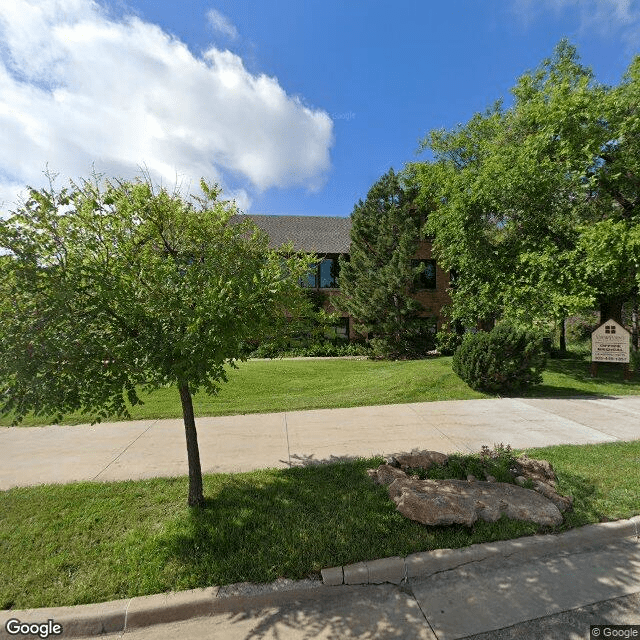
4450 Arapahoe Avenue Suite 100, Boulder, CO 80301
To contact a resident: (303) 413-9999
For more information about senior living options: (866) 208-4318
Overall Review of Comfort Keepers of Boulder
Pros
 Helen is wonderful and supportive.
- Comfort Keepers is incredibly responsive, very professional, and clear in communications.
- They help families keep loved ones at home in their final years without unnecessary drama.
- They show up job-ready every day.
- Comfort Keepers is easy to work with administratively and responds quickly to clients' needs.
- The office and scheduling staff are friendly and responsive.
- The caregivers are knowledgeable, professional, caring, and helpful.
- The experience with Comfort Keepers is consistently awesome.
- Charlotte is a sweet caregiver who makes clients feel good about receiving help.
Review
Comfort Keepers of Boulder is best suited for seniors who want to stay in their own home but need dependable, compassionate support and careful care coordination. The community earns strong marks for a team that shows up prepared, with clear expectations and a steady hand through changing needs. For families navigating the desire to avoid a move to a facility, this option delivers daily assistance, meaningful companionship, and practical help with routines while preserving independence. Reliability, predictable scheduling, and a level of senior-focused partnership make this a practical, drama-free choice for those who prize continuity and hands-on collaboration in home care.
That said, this approach isn’t for everyone. Families facing the need for round-the-clock, medical-grade nursing supervision or rapid escalation of care may want to consider alternatives such as an assisted-living campus or a skilled-nursing facility, where clinical oversight is built into the environment. If budget constraints are tight or if the loved one benefits from a more social, programmed daily rhythm with structured activities, a community living setting could offer better value or a richer daily experience. For residents with complex medical equipment requirements or frequent hospital-level interventions, the home-care model may function well but will never substitute for the comprehensive capabilities of a facility.
The strongest pro is responsive, transparent administration. Office staff are repeatedly described as quick to respond, professional, and clear in communications, which translates into less guesswork for families and a smoother care trajectory. The caregiving team is consistently labeled as job-ready, knowledgeable, and capable, delivering reliable support without constant supervision. This creates a reassuring continuity, regular caregivers who learn a loved one’s routines, preferences, and triggers, reducing the anxiety that often accompanies transitions into home-care services and diminishing the sense of “starting over” with every new shift.
Care quality and warmth stand out as equally compelling strengths. The caregivers are portrayed as more than proficient, they are genuinely caring, often described as “delightful humans” who offer emotional support as well as practical help. The impact shows up in calmer days, steadier adherence to routines, and a trustworthy presence that fosters companionship as a core component of the care plan. Families benefit from knowing their loved one is connected to empathetic, attentive professionals who treat daily tasks as opportunities to improve quality of life, not mere chores. That emotional currency translates into fewer crisis moments and a clearer sense of wellbeing for both client and family.
Operational ease and coordination round out the core advantages. Scheduling is friendly and flexible, and families can track events and benefits with relative ease. The team’s willingness to participate in urgent-care moments, staying with the client, offering comfort, and lending a hand, demonstrates a practical commitment that extends beyond ordinary tasks. These organizational strengths help offset common in-home-care concerns such as miscommunication or caregiver turnover by building a dependable, cohesive group rather than a rotating cast of strangers. In short, the backend supports the frontline care with a level of reliability that families can rely on day in and day out.
For families prioritizing staying at home with stable, compassionate support, Comfort Keepers of Boulder stands out as a strong, practical choice. It is less well-suited for those who require continuous, hospital-grade medical supervision or for those seeking a highly social, campus-style environment. The persuasive mix of responsiveness, caregiver quality, and streamlined administration effectively offsets typical in-home-care drawbacks, offering peace of mind and a predictable routine. Prospective clients should focus on caregiver matching, tailor care plans to evolving needs, and negotiate scheduling that fits the home’s rhythms, potentially including a trial period to confirm fit before committing long-term.




 Top Canine Companions for Older Adults
 Comprehensive Guide to Blood Pressure Charts for Older Adults: Understanding Normal and High Readings by Age
 Financing Long-Term Nursing Home Care Through Social Security: A Thorough Exploration