
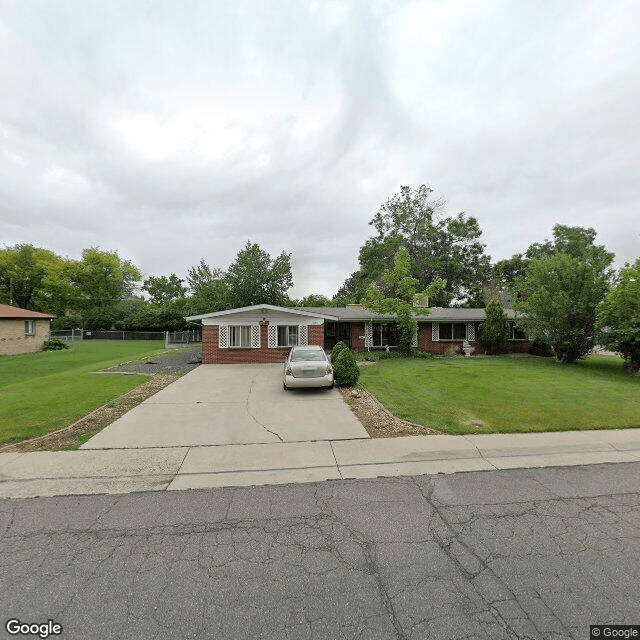
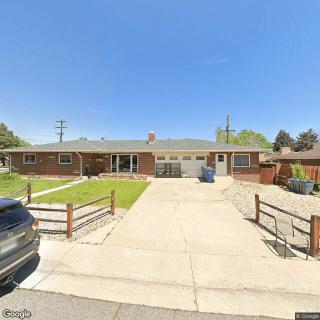
5420 Field Ct., Arvada, CO 80002
To contact a resident: (303) 420-4295
For more information about senior living options: (866) 208-4318
Silver Rose Elder Care Costs & Pricing
At Silver Rose Elder Care, the cost structure for monthly room accommodations demonstrates a significant advantage in affordability compared to both Jefferson County and the broader state of Colorado. For instance, residents opting for a semi-private room at Silver Rose are charged $2,000 per month, which is markedly lower than the county average of $4,114 and the state average of $4,009. Similarly, those who prefer a private room will find Silver Rose's rate of $3,000 to be considerably more economical than Jefferson County's average of $4,253 and Colorado's average of $4,142. This pricing strategy not only underscores Silver Rose Elder Care's commitment to providing high-quality care but also reflects its dedication to ensuring that senior living remains accessible and financially manageable for families in the community.
| Floor plans | Silver Rose Elder Care | Jefferson County | Colorado |
|---|---|---|---|
| Semi-Private | $2,000 | $4,114 | $4,008 |
| Private | $3,000 | $4,253 | $4,142 |
Senior living communities with a similar price nearby
-
About the same
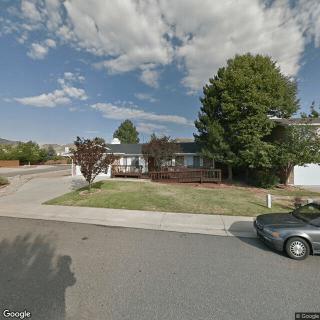
Companion Care, Inc. III
$1,950 / month8.8 miles away -
About the same
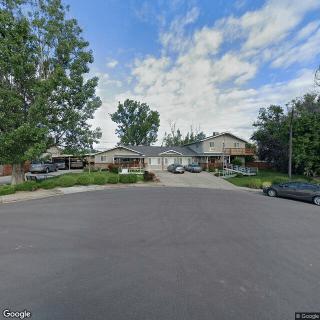
The Rising Sun Senior Home
$2,000 to $3,000 / month6.4 miles away -
from +$200 / mo
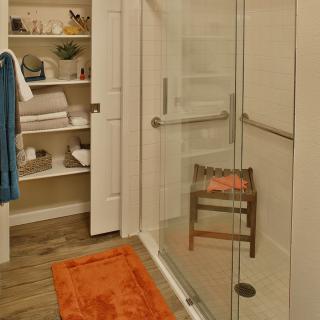
V-Esprit
$2,200 to $2,700 / month19.3 miles away -
from +$260 / mo
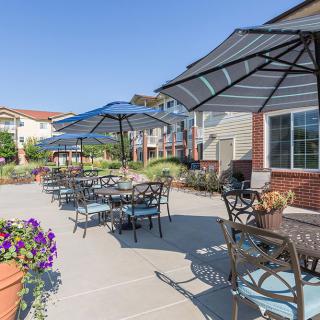
Lakeview Senior Living
$2,260 to $3,795 / month9.6 miles away -
from -$150 / mo
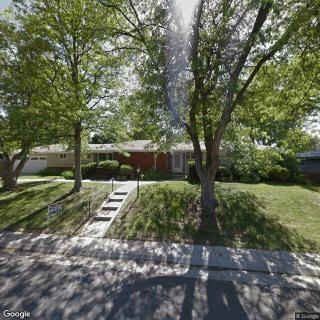
Mountain View Alternative Care 3
$1,850 to $2,000 / month12.0 miles away
Overall Review of Silver Rose Elder Care
Pros
 Mairah and the Majestic View staff are amazing caregivers, providing both physical and emotional care.
- The MV staff listen to families and work with them to make residents' stays better.
- They feel like a second family to the families they serve.
- Miriah, Leslie, and Mike demonstrate genuine love and care, creating a true family atmosphere.
- The facility's smaller size allows for more individualized attention and care for every resident.
- Majestic View offers wonderful care at an affordable price, with a warm, home-like environment.
- Residents feel happy, supported, and cherished, thanks to the staff's kindness and compassion.
Cons
 The final days were very very tough.
Review
This community is best suited for families that prize a true home-like setting where caregivers become part of the daily life and warmth is as important as assistance. It works remarkably well for seniors who flourish on intimate, hands-on attention, predictable routines, and open, ongoing family involvement. The resident who benefits most is someone who enjoys calm surroundings, easy access to staff, and home-style meals that feel prepared with love. In short, this environment is ideal for those who view elder care as a personal, relational journey rather than a clinical experience.
Those with more demanding medical needs should consider alternatives. If round-the-clock skilled nursing, on-site physicians, or a robust calendar of structured therapies are non-negotiable, a larger campus with formal medical amenities will likely serve better. Families facing significant dementia care requirements, frequent rehab services, or complex clinical oversight should look for communities designed around high-intensity medical support and a broader staff roster. The small-house model excels at connection; it does not replace a full-service medical footprint.
The strongest positives center on the people. Reviews repeatedly highlight staff who feel like family, caregivers who listen, adjust plans, and treat residents with genuine warmth. The atmosphere is described as calm, intimate, and welcoming, with families free to visit at almost any time and feel confident in the care their loved one receives. Residents tend to thrive when care staff know their preferences, stories, and routines, and when meals feel homemade and comforting. In short, the human connection becomes the principal differentiator here, delivering an emotional safety net that many families value above all else.
The potential drawbacks are the natural trade-offs of a smaller setting. A limited size can mean fewer on-site medical resources and a less expansive activities calendar than larger facilities. For anyone who expects hospital-like oversight, frequent formal therapy sessions, or immediate access to a wide array of specialty services, this model may fall short. One review underscores that the final days can be tough, even with remarkable staff support, reminding potential residents that intimate homes navigate end-of-life challenges differently than more medically oriented campuses. For families prioritizing a wide breadth of services, alternatives should be explored.
Even so, the pros often offset the cons through the very strengths that define these homes. The personalized attention, rapid responsiveness, and consistent caregiver-resident relationships generate a sense of security and belonging that larger communities sometimes struggle to deliver. The ability to involve family members in care planning becomes a living reality, not a formality, and the home-like routine provides predictability and dignity. This combination tends to produce higher day-to-day satisfaction for residents who value connection over clinical polish, and it can translate into noticeably lower stress for families choosing care.
When evaluating Silver Rose Elder Care, anchor the decision on alignment with this home-first model. Look closely at whether medical oversight keeps pace with needs, and ask about staffing patterns, nurse call responsiveness, and access to visiting physicians. Probe the activity program to see if it complements, rather than competes with, the intimate culture. Seek out spirited conversations with current families about visitation ease, meal quality, and overall happiness. If the goal is a warm, trusted environment where caregivers feel like family and residents feel seen, this type of community delivers powerfully. If a larger, more clinical setting is the objective, be prepared to pursue alternatives that offer greater medical breadth and structured programming.
 Board and Care Home
 Cats allowed
 Dogs allowed
 Private
 Denver International (23 miles away)



 Caregiver Exhaustion: Recognizing the Signs and Restoring Your Well-Being
 Understanding Hospice Care at Home: Comprehensive Services, Key Benefits, and Eligibility
 Understanding the Full Cost of 24/7 In-Home Care: A Detailed Overview