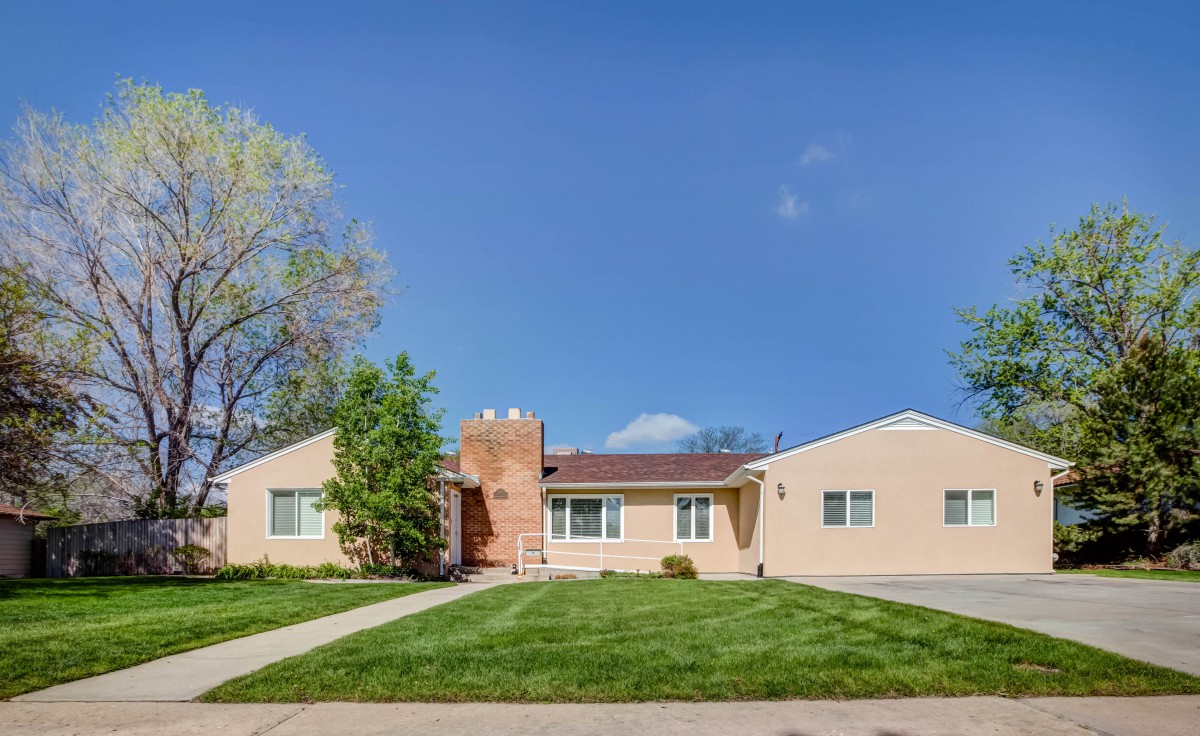
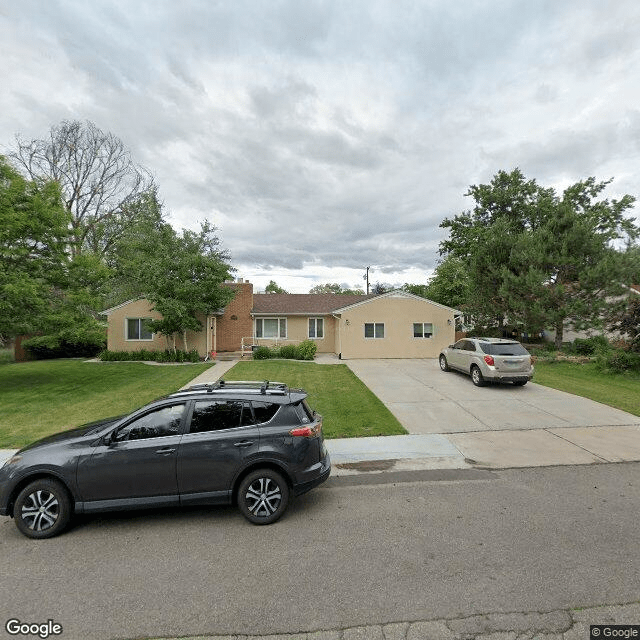
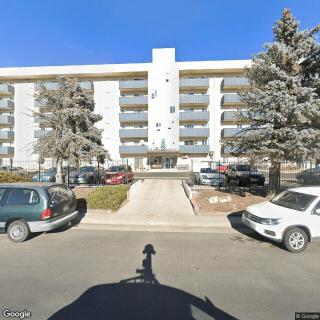
5475 Flower Court, Arvada, CO 80003
For more information about senior living options: (866) 208-4318
Jaxpointe At Flower Court Assisted Living Costs & Pricing
Jaxpointe At Flower Court Assisted Living offers competitive pricing for its residents, with monthly costs in Jefferson County, Colorado. For a semi-private room, the rate is $3,900, which is notably lower than both the county average of $4,114 and the state average of $4,009. Private rooms are offered at $4,300, aligning closely with the county's rate of $4,253 while still remaining more economical than the state average of $4,142. Similarly, studio accommodations also cost $4,300 at Jaxpointe At Flower Court Assisted Living - comparable to Jefferson County's $4,174 but less than Colorado's average of $4,090. This positioning highlights Jaxpointe as an attractive option for those seeking quality assisted living services without straying too far from budgetary constraints in a competitive market.
| Floor plans | Jaxpointe At Flower Court Assisted Living | Jefferson County | Colorado |
|---|---|---|---|
| Semi-Private | $3,900 | $4,114 | $4,008 |
| Private | $4,300 | $4,253 | $4,142 |
| Studio | $4,300 | $4,174 | $4,088 |
Memory care communities with a similar price nearby
-
from +$720 / mo
Garden Terrace Alzheimer's Center Of Excellence - Aurora
$4,620 to $5,940 / month16.2 miles away -
from +$195 / mo
Hyland Hills
$4,095 to $7,495 / month5.5 miles away -
from +$616 / mo
The Gallery at Broomfield Assisted & Senior Living
$4,516 to $5,419 / month15.2 miles away -
from +$500 / mo

Applewood Our House Asst Lvg Facilities II
$4,400 to $5,400 / month3.7 miles away -
About the same

The Gallery at Broomfield
$3,966 to $6,180 / month11.4 miles away
Overall Review of Jaxpointe At Flower Court Assisted Living
Pros
 They enjoyed this facility the most among those they toured.
- The all-female house provides great support and activities for residents.
- The resident has adjusted well and enjoys the company of other residents, the homemade food, and activities.
- The staff at Jaxpointe at Flower Court are incredibly friendly.
- The staff have been taking really good care of residents.
- Jaxpointe at Flower Court seems like a pretty decent community with accommodating and helpful staff.
- The secure house is clean, roomy, and well-lit, with CNAs and night staff who stay awake to assist residents.
Cons
 They may be a little understaffed.
- They are expensive, with an up-front fee to lock in a rate, and refunds were not available after mom passed away two weeks later.
- The night person does not sleep.
- The decision to move her from her own house was incredibly difficult due to increased anxiety and her not eating or taking medications properly.
Review
Jaxpointe at Flower Court Assisted Living in Arvada is best suited for seniors who want a compact, secure, home‑like setting and who respond well to an all‑female house model that can foster predictable routines and closer social ties. The community’s small, secured environment appears to deliver a steady cadence of meals, activities, and hands‑on caregiver support, which many families feel translates into less anxiety for residents and better adherence to medications and daily self‑care. Families report their loved ones adjust quickly after move‑in, engage with peers, enjoy homemade meals, and participate in a schedule designed to emphasize comfort, safety, and social engagement.
Those evaluating this option should explicitly consider cost and staffing realities. Several reviewers flag the price as a barrier, noting an upfront fee to lock in a rate that is not refundable. In addition, while the staff are described as friendly and caring, there is an ongoing impression in some reviews that the house can feel understaffed at times. For families seeking aggressive, around‑the‑clock medical oversight or a price structure with more flexibility, alternatives with different funding models or higher staffing levels may be more appropriate.
The strongest positives, homemade food, purposeful daily activities, and genuinely friendly care staff, are not merely comforting; they actively offset several core concerns. Residents benefit from a secure, clean, and light-filled environment where care agents are present, including a night staff member who remains awake to assist with bathroom needs. For families, the availability of care staff in the evenings and the routine touchpoints from nurses on a biweekly cadence, plus the ability to have medications ordered through Kaiser, create a sense of reliable support. When a loved one’s appetite or routine had waned before moving, the improvement seen after relocation, better nutrition, more engagement, and social connection, illustrates how the pros translate into meaningful daily outcomes.
Still, the main drawbacks deserve clear attention before deciding. The cost hurdle is real, with upfront financial commitments and ongoing monthly rates around four thousand dollars. The staffing caveat matters, too; even when staff are excellent, limited after‑hours coverage and only biweekly nurse visits may leave some families wishing for more continuous medical oversight or faster on‑call access. Some reviewers also note the disconnect between the secured environment’s promise and the practical realities of care needs as residents’ conditions evolve. For residents requiring advanced care, frequent medical interventions, or rapid access to skilled nursing, alternatives with more robust on‑site medical staffing could provide more peace of mind.
In practical terms, this community is a strong fit for a senior who prioritizes safety, a tight-knit, home‑like setting, and predictable daily life, while valuing social programming and a warm staff culture. If this aligns with family priorities and the resident’s needs, the blend of secure housing, good meals, and active engagement can justify the cost. If, however, the decision hinges on ongoing, high‑touch medical oversight, cost flexibility, or deeper caregiving capacity beyond what is offered in a small‑house model, a careful comparison with other options is warranted.
When visiting, verify several concrete points to make a well‑informed choice. Ask for a transparent breakdown of what “all expenses covered” includes and what remains out of pocket, confirm the current staffing ratios across day and evening shifts, and get a sense of actual nurse availability and response times beyond the biweekly visits. Inquire about the exact terms of the upfront rate lock and whether any refund options exist should needs or circumstances change. Review the specifics of medication management (especially when Kaiser is involved) and clarify hospice or palliative care arrangements if those services become relevant. Finally, observe the activity calendar and the quality of meal options during a tour; these practical details often reveal how closely the lived experience matches the promises of a small, secure, and family‑oriented environment.
 8 resident community capacity
 Assisted Living
 Board and Care Home
 Memory Care
 Activities off-site
 Beautician on-site
 Cable or satellite TV
 Dining room
 Fully furnished
 Garden
 Housekeeping services
 Indoor common areas
 Move-in coordination
 Outdoor common areas
 Private
 Respite or short term stays offered
 Telephone
 Wheelchair accessible showers
 Wi-Fi/high-speed internet available
 Denver International (23 miles away)
 24-hour supervision
 Ambulatory care
 Assistance with bathing
 Assistance with dressing
 Assistance with transfers
 Diabetes diet
 Diabetic care
 High acuity care
 Hospice waiver
 Incontinence care
 Meal preparation and service
 Medication management
 Mental wellness program
 Special dietary restrictions
 Transportation arrangement (medical)
 Transportation to doctors appointments
 BBQs or picnics
 Birthday parties
 Live dance or theater performances
 Live musical performances






 When to Transition from Assisted Living to Memory Care: Key Indicators, Steps, and Finding the Right Community
 Understanding the Distinctions: Assisted Living and Memory Care Explained
 How to Communicate with a Loved One Living with Dementia: 10 Supportive Strategies