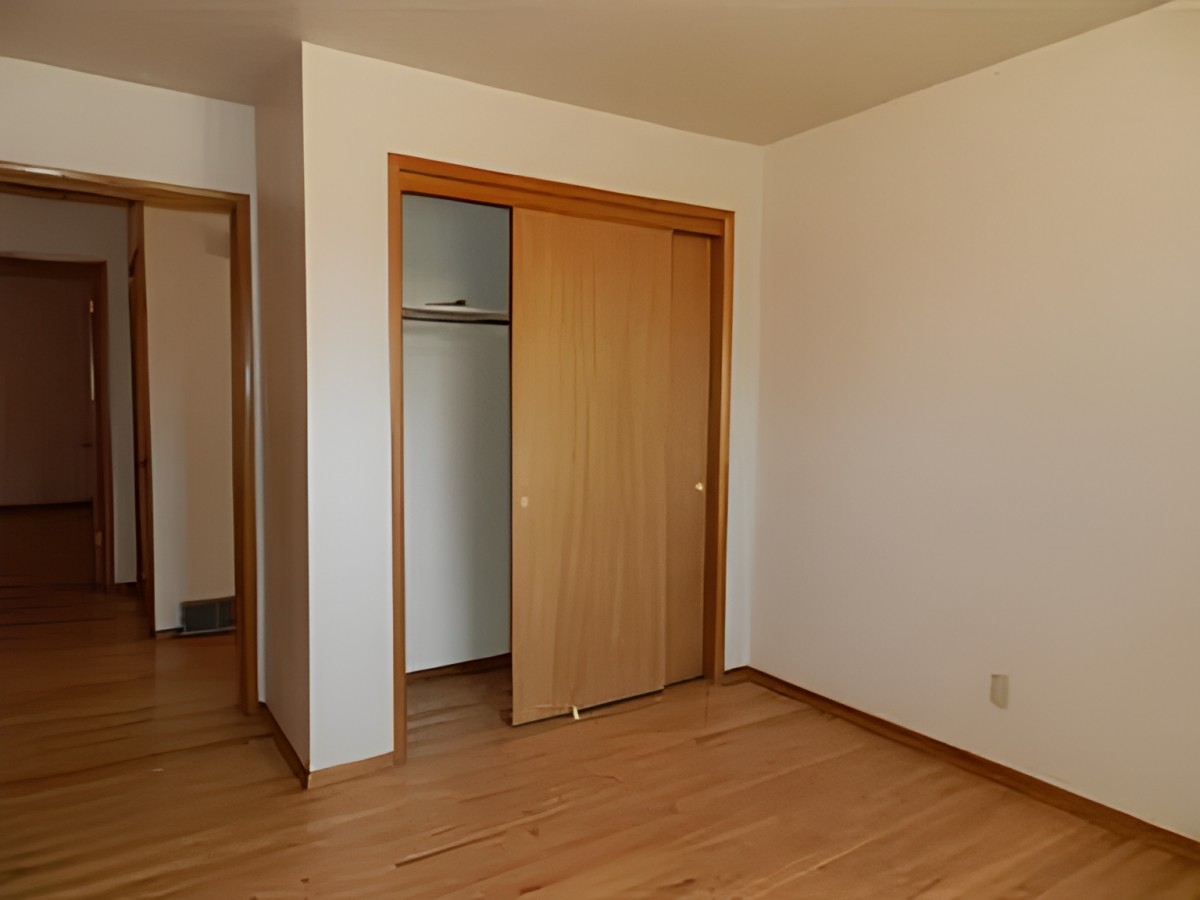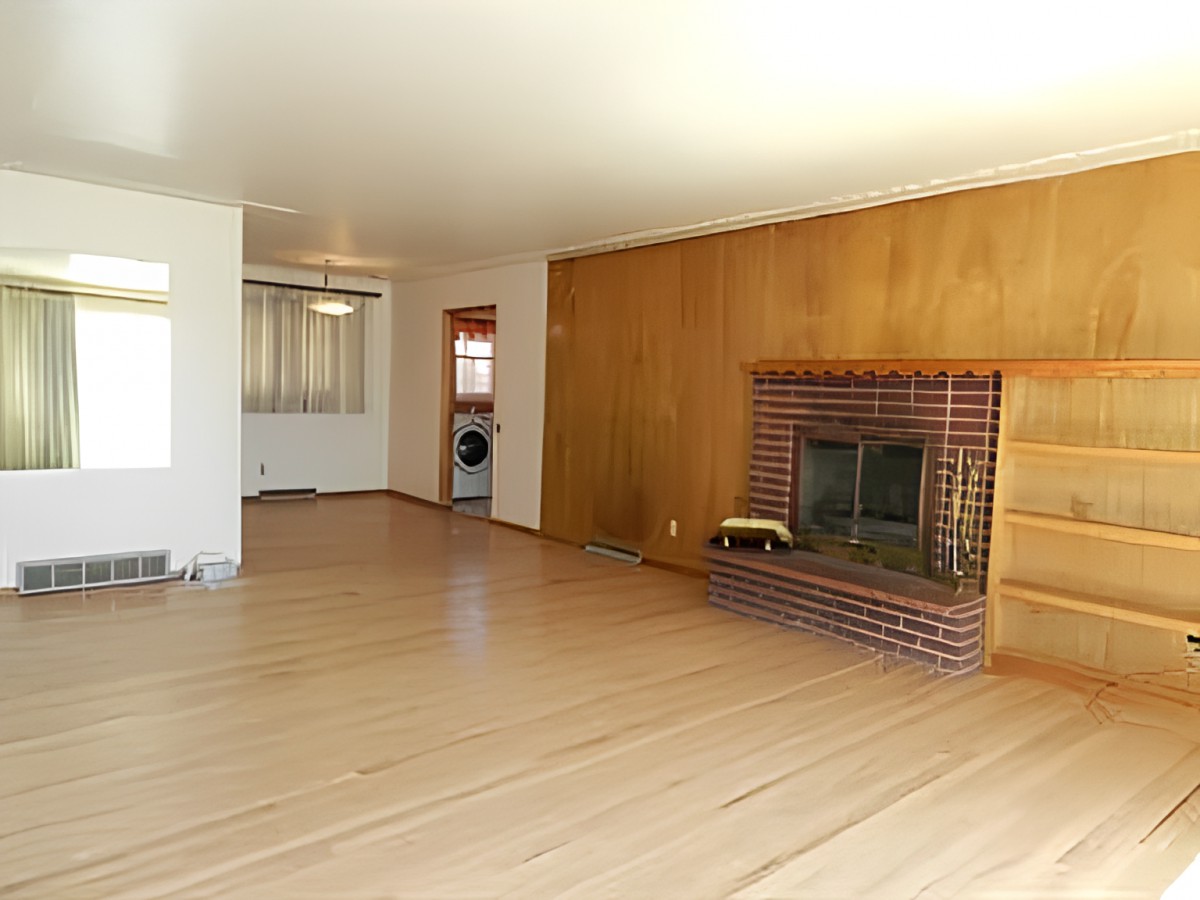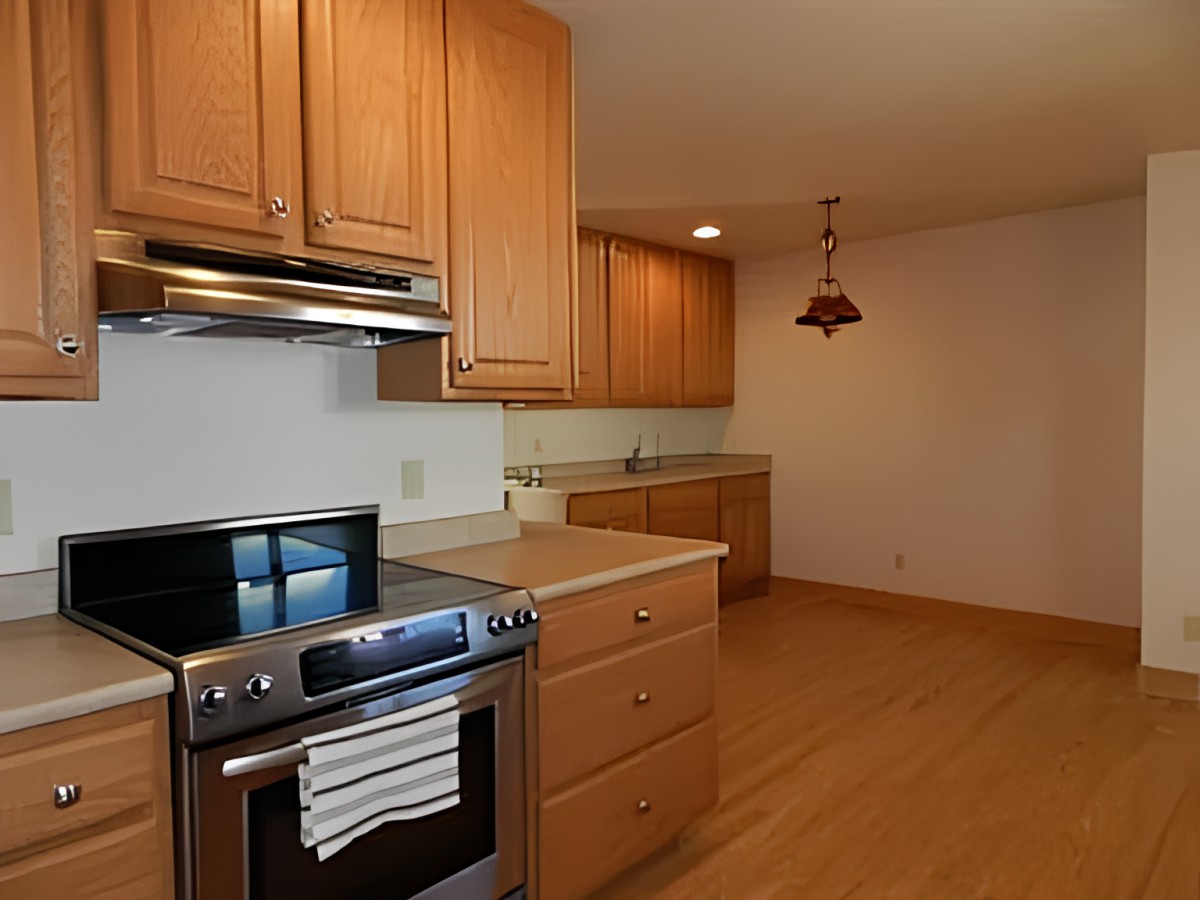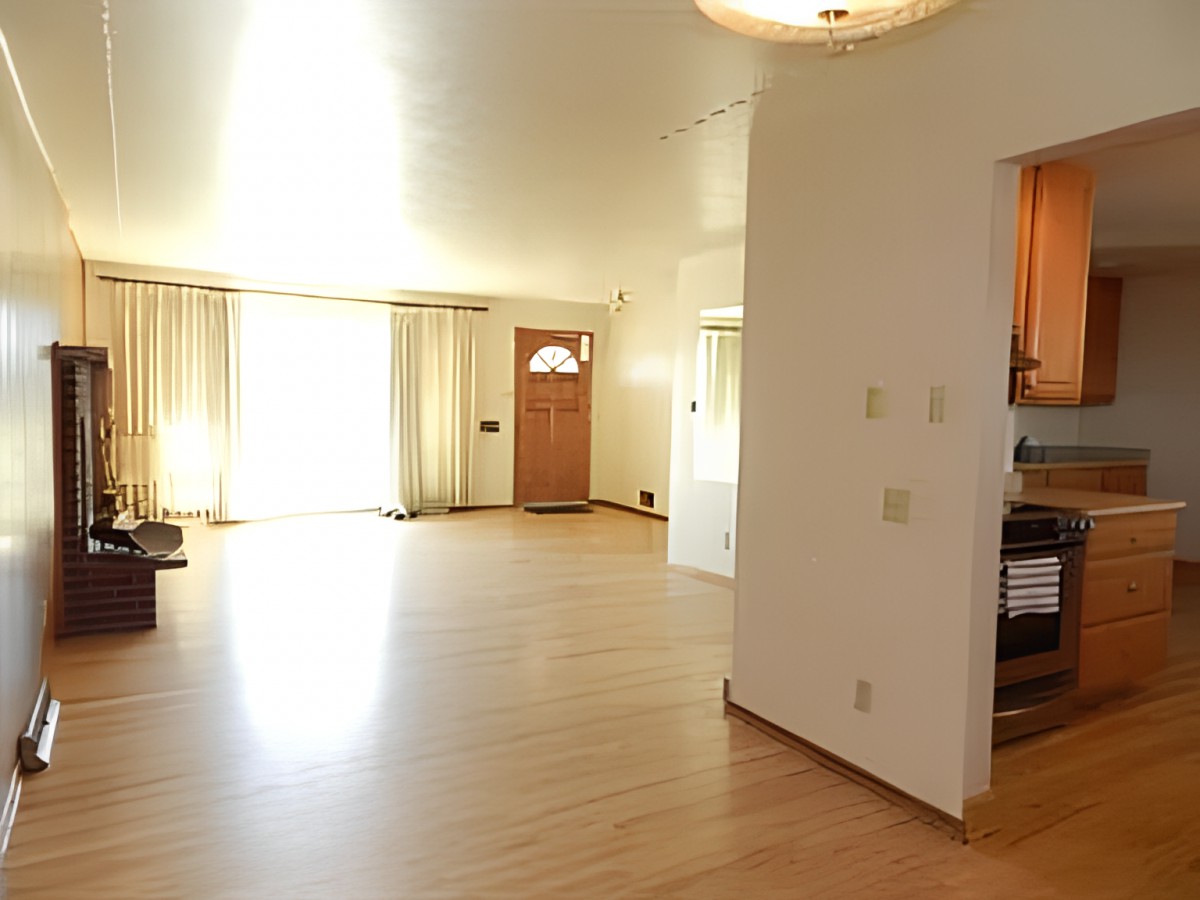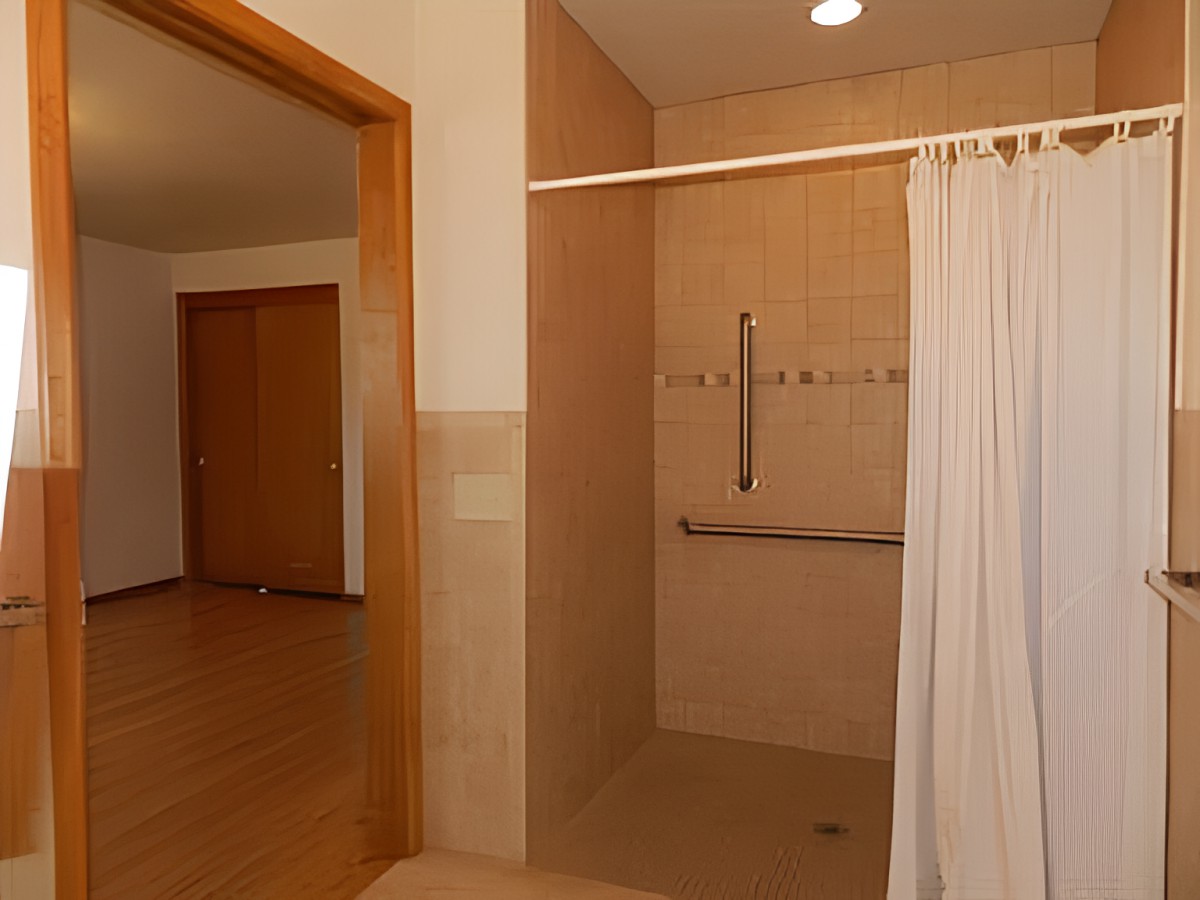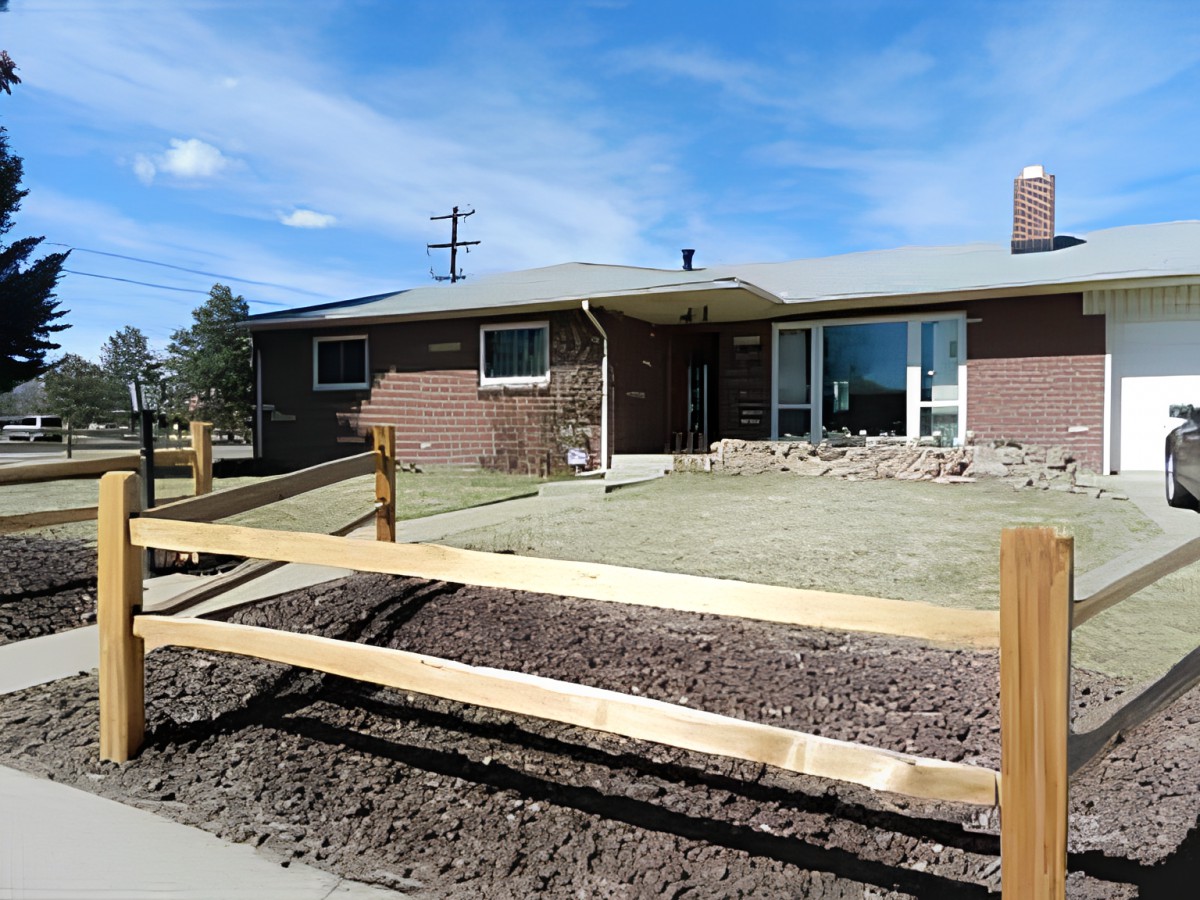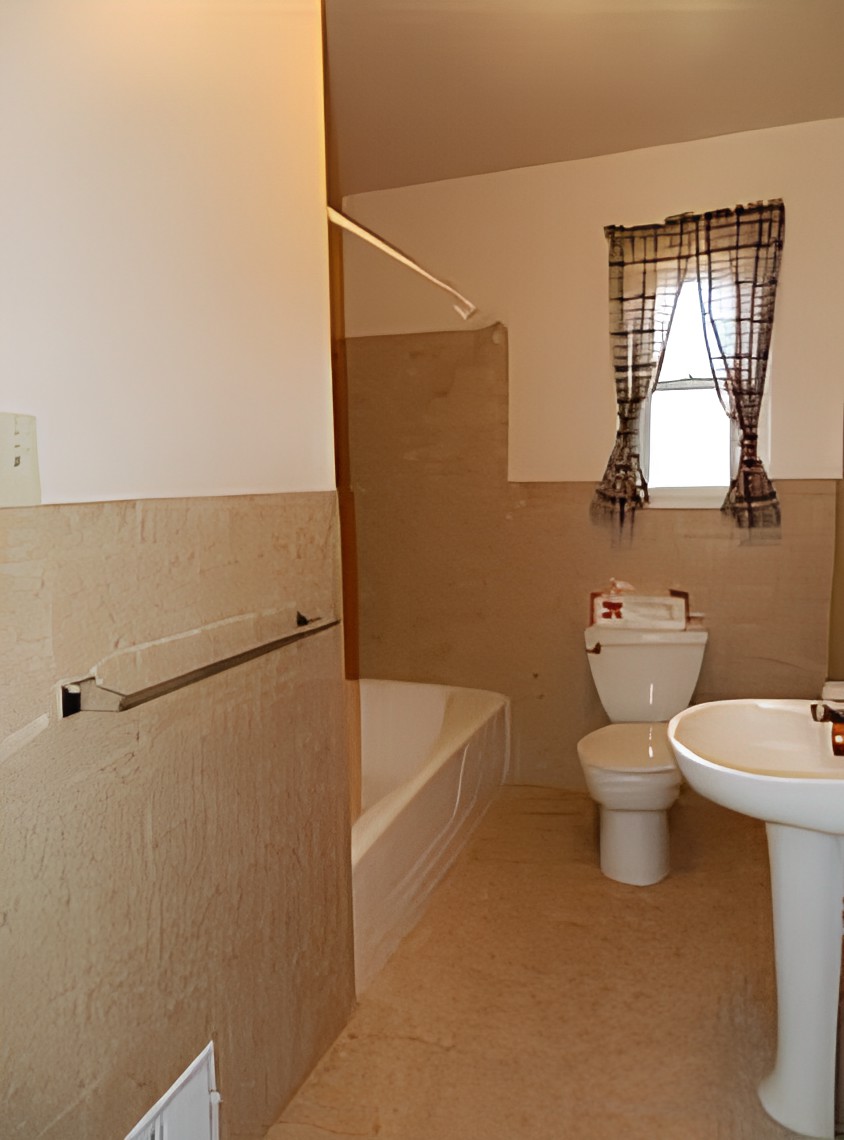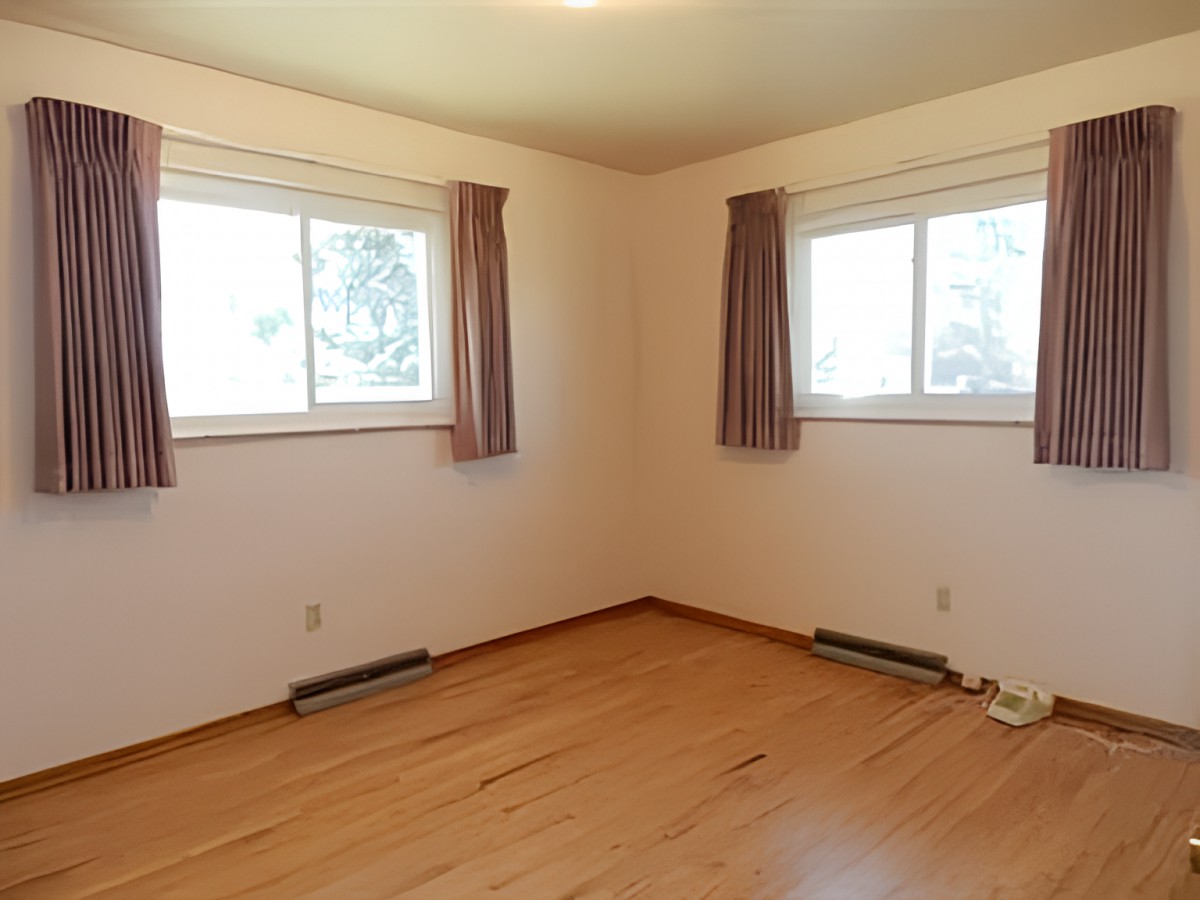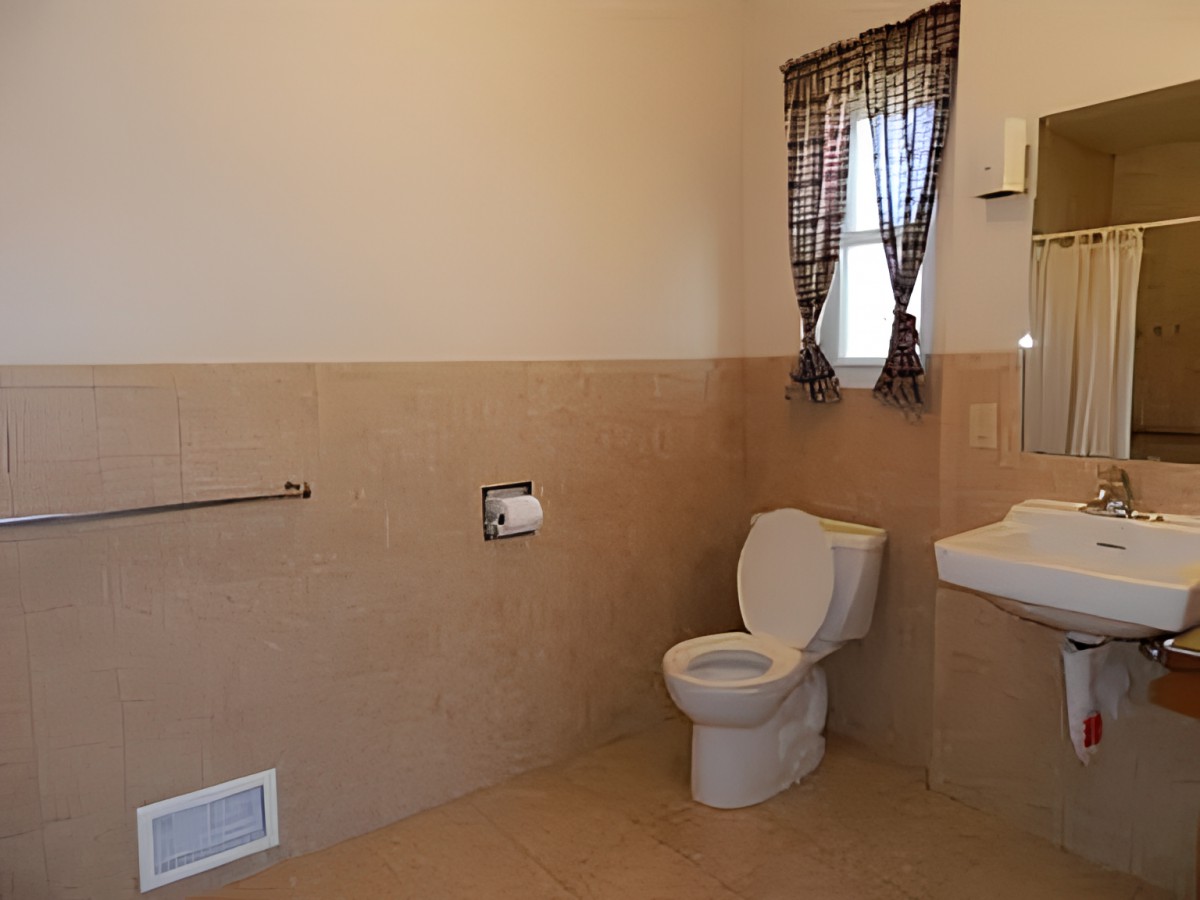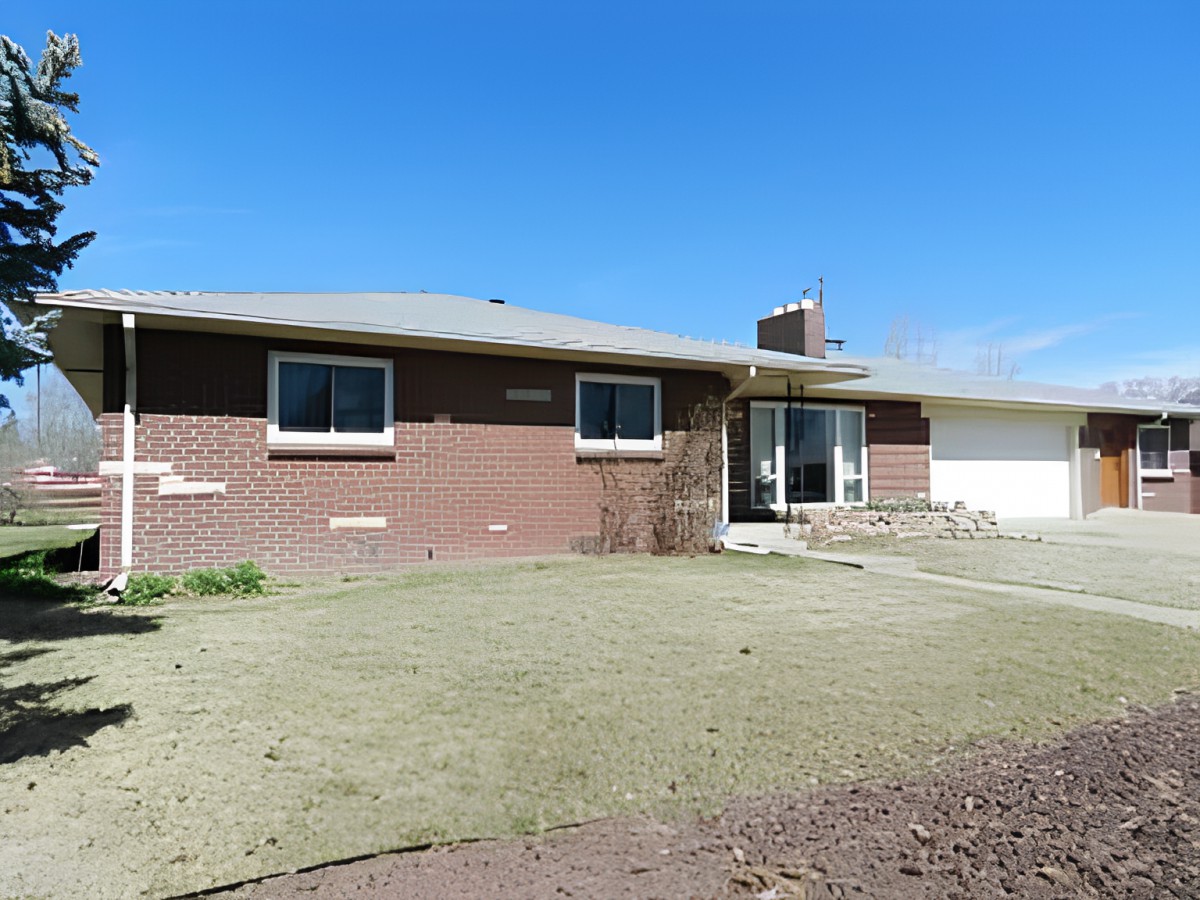
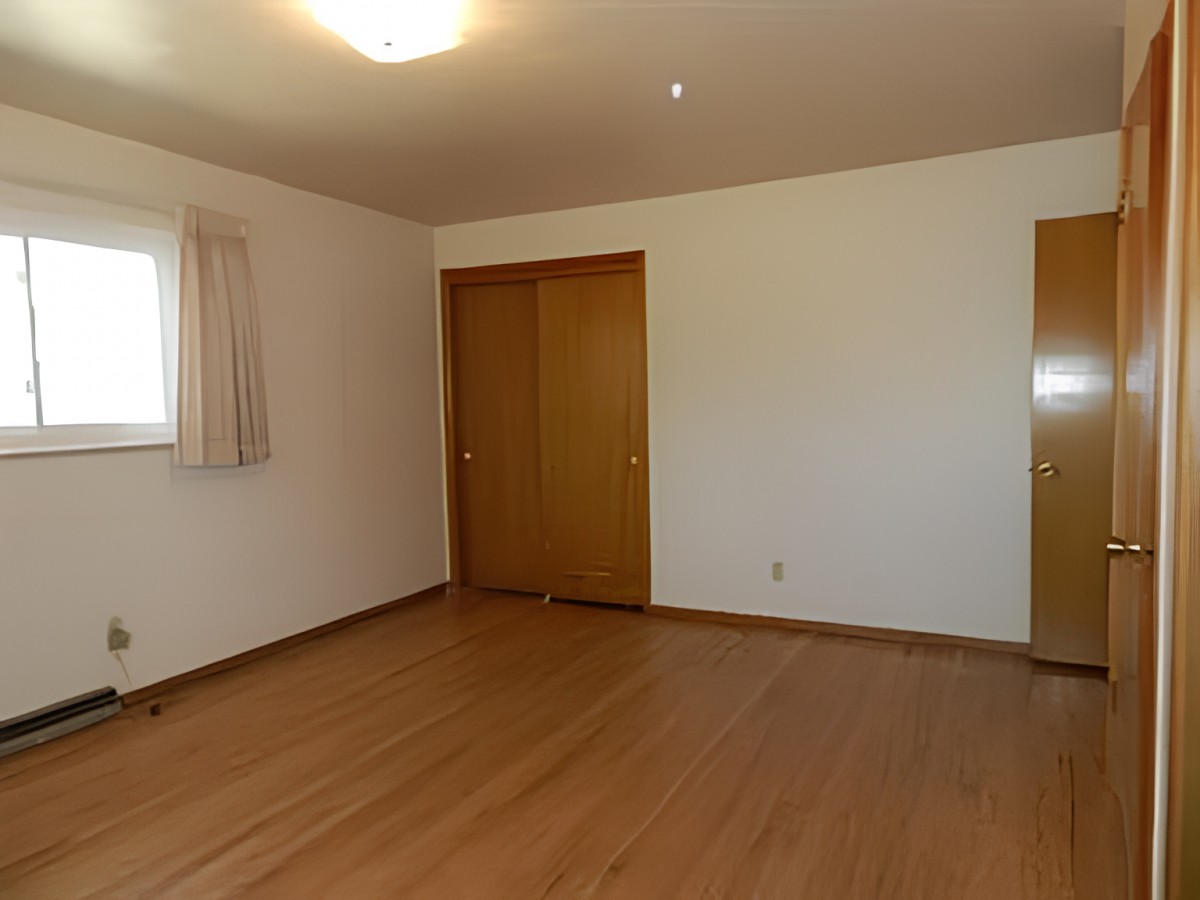
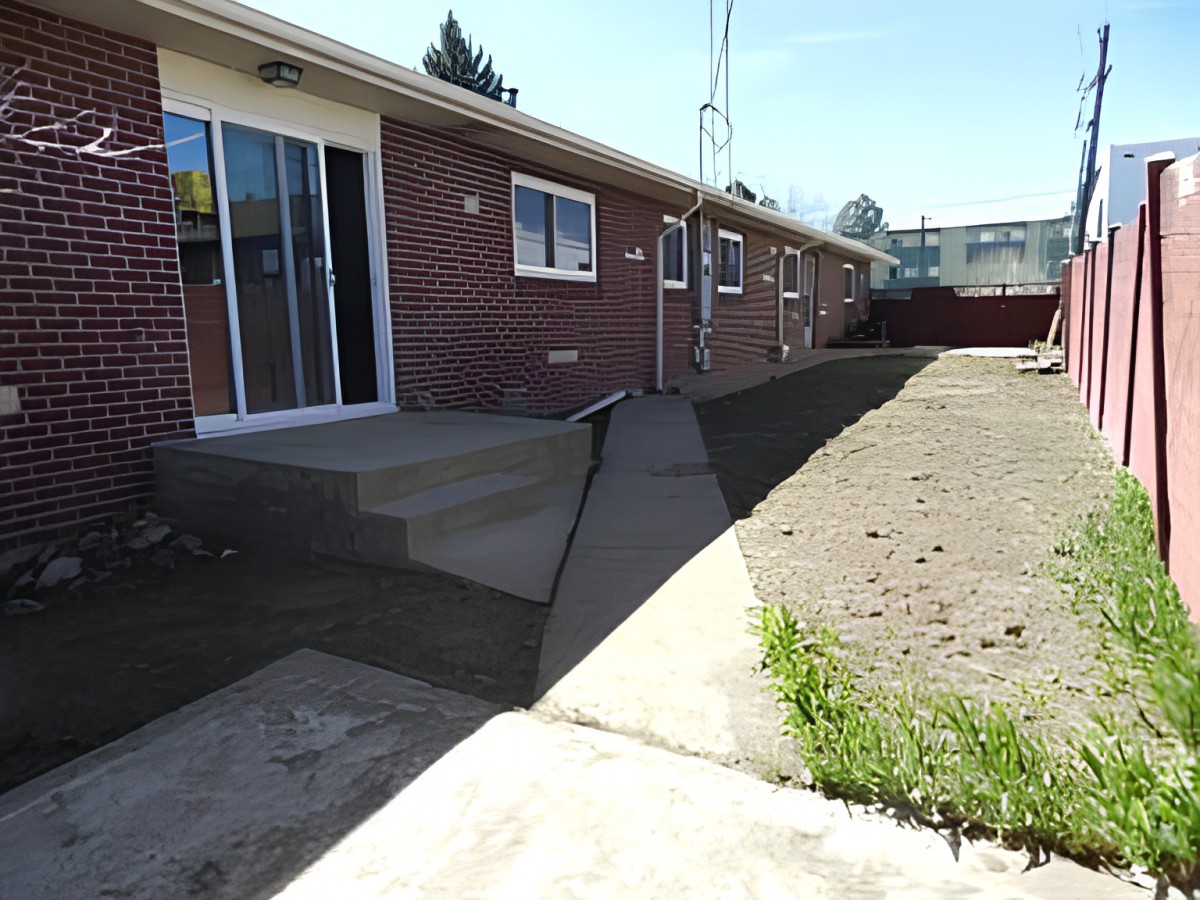
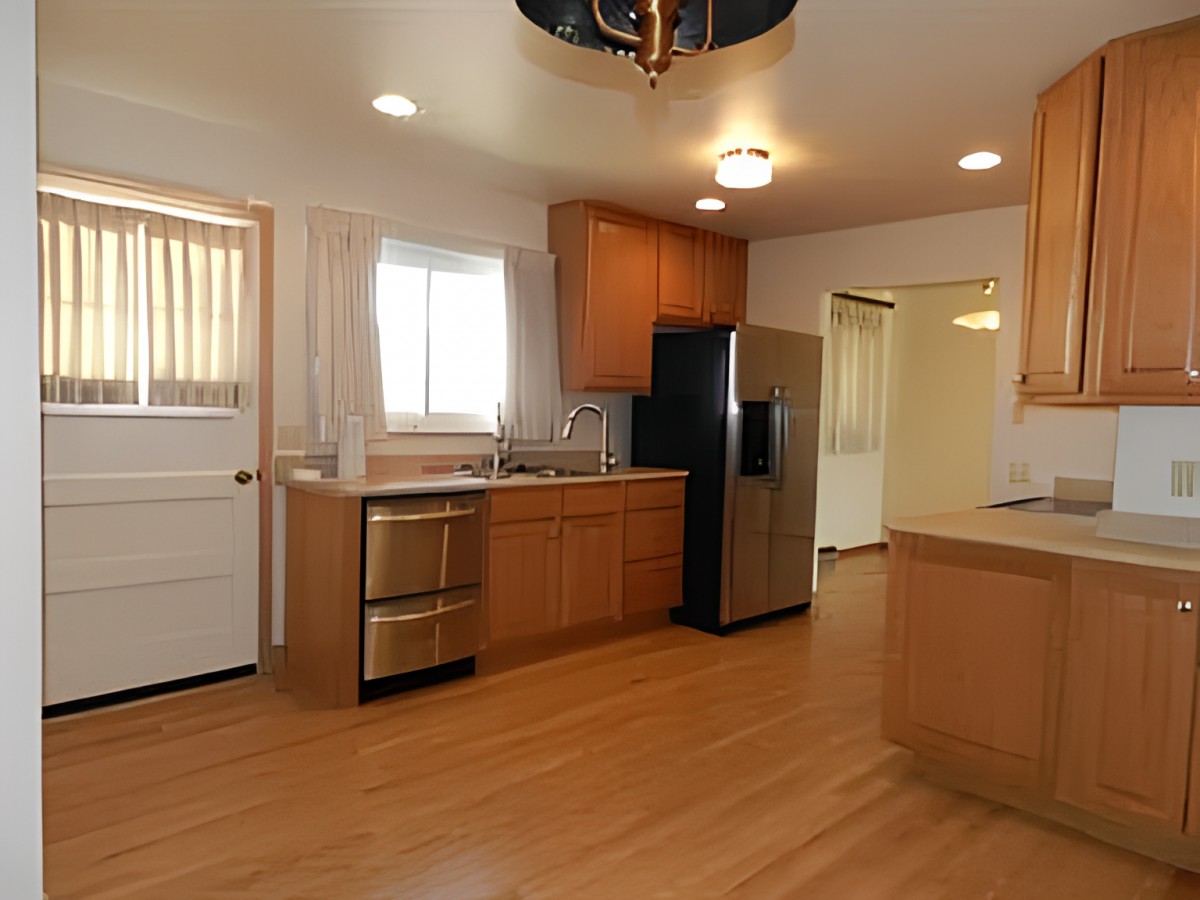
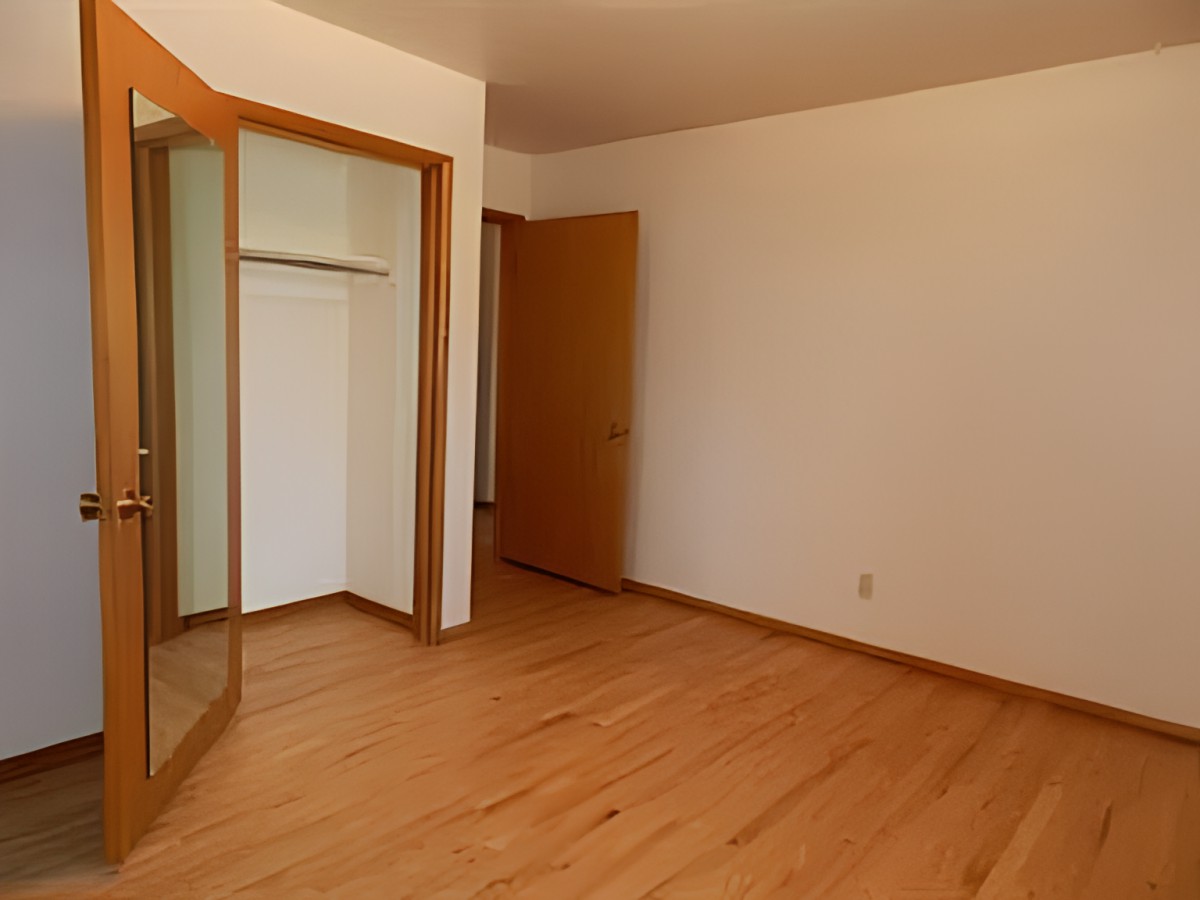
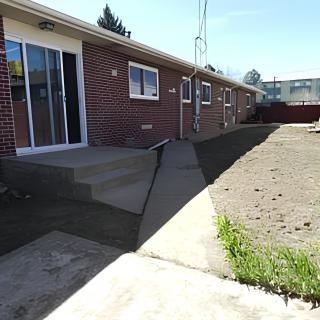
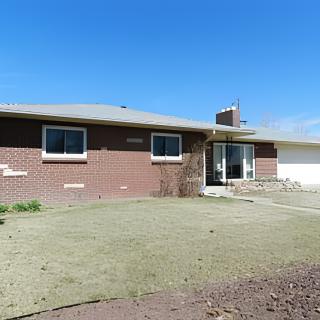
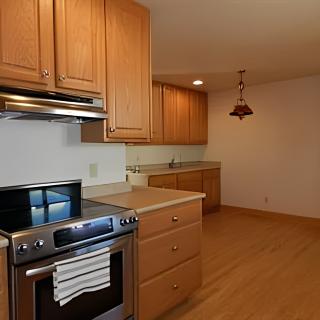
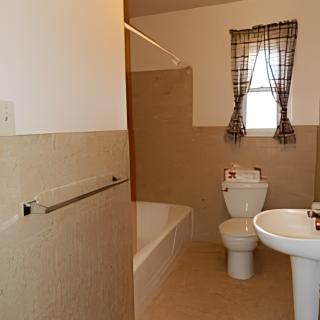
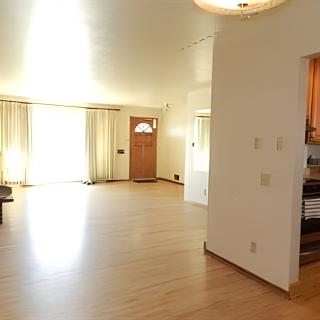
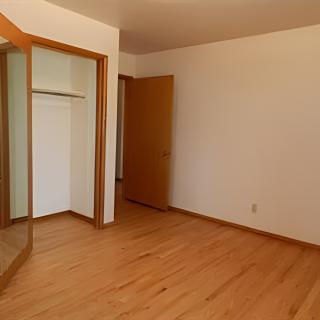
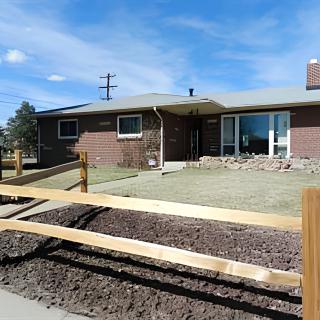
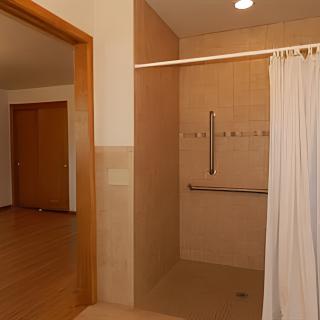
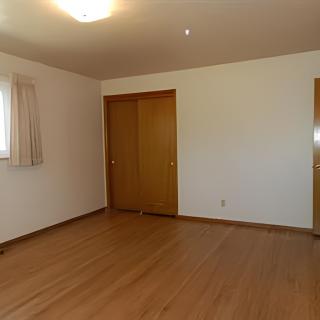
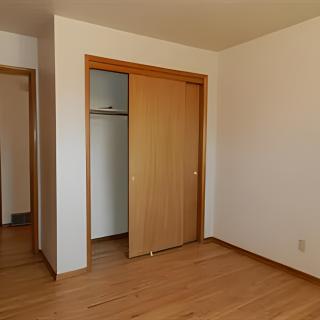
9585 West 51St Avenue, Arvada, CO 80002
For more information about senior living options: (866) 208-4318
Overall Review of Family Assisted Living Of Arvada
Pros
 The staff were great to Dad and his oldest sister.
- They provided excellent care while they were there.
- They treated Dad with patience and gentle kindness, even as dementia progressed.
- Any concerns or questions were promptly addressed by the staff.
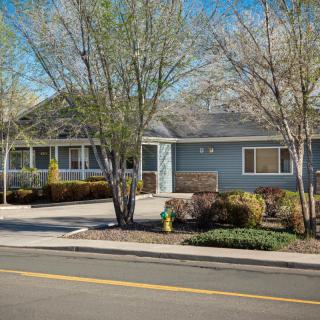
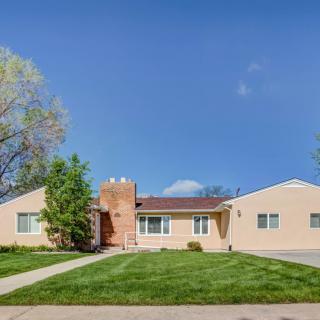
- They provided a home-like setting that felt better than a nursing home.
- The family is grateful for all that the staff did for Dad and his oldest sister.
Cons
 Dad had Parkinson's & dementia and got to the point where he couldn't put a sentence together.
- He wasn't always an easy person to deal with once the dementia got bad.
Review
This community is best suited for families seeking a warm, home-like environment where a loved one can receive attentive, person‑centered assistance, especially if the resident is managing dementia or Parkinson’s but does not require intensive hospital-style medical care. The accounts depict caregivers delivering patient, gentle support in a setting that feels more like a residence than a clinic. For seniors who value meaningful interaction, consistent calm, and a relationship with caregivers who treat them with respect, this option aligns with those priorities. It stands out for families who want strong daily consistency, visible compassion, and open channels of communication about their loved one’s wellbeing.
Those weighing alternatives should note that this community may not be ideal for every care scenario. Families prioritizing robust medical oversight, 24/7 on-site nursing, or formal, wide‑reaching memory‑care programs may want to explore other options. The two reviews available provide a positive snapshot but do not establish how the facility handles high-acuity medical needs, complex nursing tasks, or a broader array of cognitive‑support services. For residents who require extensive clinical intervention or highly structured programming, a larger memory‑care–certified setting could be more appropriate.
The strongest pros, home-like atmosphere, patient and compassionate staff, and responsive problem‑solving, tend to offset the lack of expansive clinical amenities for the right resident. The care team’s patience and gentle handling of dementia-related behaviors can significantly reduce stress for both resident and family, preserving dignity in everyday moments. The family’s sense of reassurance is reinforced by proactive communication when concerns arise, and by the transparency implied by family access to monitoring. Taken together, these elements create trust and emotional security that often outweigh the absence of a hospital‑style environment.
Crucially, the review emphasizes the impact on a resident facing cognitive decline: caregivers remained steady and respectful even when communication became difficult, delivering continuity of care that kept the individual comfortable and engaged. The described home‑like setting contrasts with the impersonal feel of many larger facilities, offering relational continuity that supports mood, cooperation, and overall quality of life. This dynamic is especially persuasive for families who prioritize daily interactions, familiar routines, and a sense that staff genuinely views their loved one as a person rather than a task.
From a decision‑making standpoint, prospective residents should schedule visits and observe how staff interact with both the resident and the resident’s family. Ask about staff-to-resident ratios, training for dementia care, and how daily activities are structured to promote engagement. Inquire about safety measures, meal quality, housekeeping, and outdoor accessibility, as well as how concerns are tracked and resolved. If a memory‑care certificate or access to on‑site clinicians is essential, verify that such resources exist or discuss alternatives. The documented experience signals strong relational care; the practical test is confirming that the facility can sustain it under fluctuating day-to-day needs.
Bottom line: this community appears exceptionally well‑suited for families seeking a small, intimate, caring environment for a loved one with dementia or Parkinson’s who would benefit from gentle, respectful care and a home-like routine. It is less clearly aligned with residents requiring intensive medical oversight or formal, extensive memory-care programming. Given only two reviews, a cautious approach is warranted, one that includes an in-person visit, a conversation about staffing and costs, and a clear understanding of what level of medical support can be provided. For the right resident, the personal touch and transparency offer a compelling, practically preferable alternative to more clinical settings.
 8 resident community capacity
 Assisted Living
 Board and Care Home
 Cable or satellite TV
 Dining room
 Fully furnished
 Garden
 Housekeeping services
 Move-in coordination
 Outdoor space
 Telephone
 Wi-Fi/high-speed internet available
 Denver International (24 miles away)
 24-hour supervision
 Activities of daily living assistance
 Assistance with bathing
 Assistance with dressing
 Assistance with transfers
 Diabetes diet
 Meal preparation and service
 Medication management
 Special dietary restrictions
 Transportation arrangement (medical)
 Transportation to doctors appointments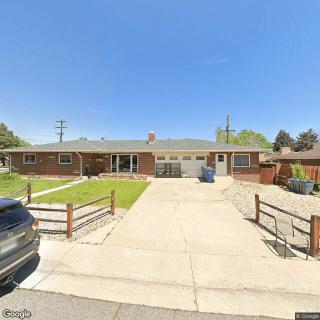
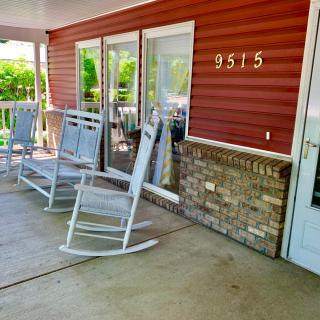



 Assisted Living and Memory Care: Understanding Their Core Differences
 Beyond the Bingo Hall: 50+ Enriching Activities for Seniors in Assisted Living
 Understanding the Distinctions: Assisted Living and Memory Care Explained