
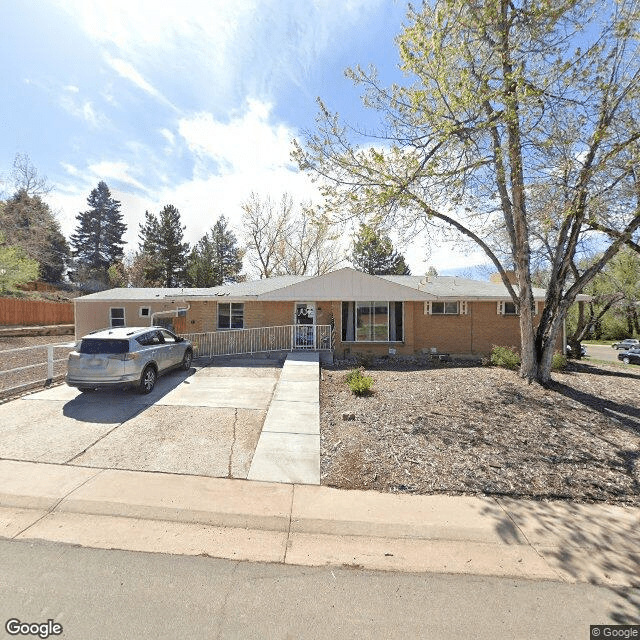
2602 E Weaver Avenue, Arvada, CO 80005
To contact a resident: (303) 431-6027
For more information about senior living options: (866) 208-4318
Overall Review of Carelink Assisted Living
Pros
 The facility functions as a community for residents and staff, with seamless synergy built through years of cooperation.
- The staff understands the care process and creates an enabling environment that keeps residents healthy and strong.
- The care plan goes beyond basic needs, addressing each resident’s unique challenges and daily improvements.
- The team supports residents’ medical and domestic needs, including medication updates and access to state services.
- They ensure residents’ daily improvements and support their mental well-being despite environmental challenges.
- The facility aims to meet residents’ needs, including nutrition, social life, recreation, sanitation, and respectful differences.
- Management provides ongoing support, treats everyone with privacy and dignity, and helps residents feel at home.
Cons
 The residents struggle to maintain a healthy mental state due to an unchanging environment.
- The unchanging environment can trigger changes in residents’ character, affecting interactions with staff, friends, and families.
Review
Carelink Assisted Living in Arvada is best suited for seniors who want a tightly knit, family‑like community where staff actively coordinate medical, domestic, and daily living needs. The atmosphere leans into a shared purpose, with a strong sense of synergy between residents and caregivers that translates into a consistently supportive care process. For individuals who prize personalized attention, the care plan goes beyond generic assumptions, addressing each resident’s unique circumstances, medications, and day‑to‑day improvements in a way that feels both practical and compassionate. In short, this community excels for those who thrive in a structured, communicative environment where people are treated like family.
That said, some families may want to explore alternatives. If independence and a broader breadth of amenities are priorities, or if a resident requires higher levels of medical oversight or specialized memory care, options with more expansive programming or larger campus settings might be a better fit. Those seeking a highly dynamic calendar of activities, frequent off‑site excursions, or more pronounced specialty services could find this community’s model less aligned with their expectations. It is also reasonable to consider facilities with more formalized clinical trajectories for residents with complex, ongoing medical needs.
The strongest advantages here revolve around relationship‑driven care and meticulous coordination. The synergy between residents and staff creates a responsive environment where daily medication updates, state service navigation, and domestic support are not afterthoughts but core routines. This level of engaged oversight helps residents maintain health and independence longer, while the one‑on‑one conversations and ongoing care updates reduce the risk of overlooked changes. The emphasis on social life and recreational opportunities, along with a focus on sanitary standards and a respectful, home‑like setting, helps balance clinical care with quality of life. These strengths offset the potential downsides by embedding care in a living, breathing community where people are known and valued.
Another clear strength is the management’s commitment to supporting staff and fostering a respectful culture. Carelink’s leadership appears dedicated to treating every resident with privacy and dignity, reinforcing a sense of belonging and safety. This approach minimizes the sense of relocation or estrangement that some seniors fear when moving into assisted living. In practice, residents feel at home rather than institutionalized, which matters when daily routines become the fabric of life rather than a checklist of tasks. The result is a caring environment where families can feel confident that their loved ones are surrounded by people who genuinely care about emotional wellbeing as much as physical health.
Nevertheless, the most meaningful caveat centers on the risk of an unchanging environment. The review notes that a static setting can, over time, challenge a resident’s mood and character, particularly when social dynamics shift or routines fail to evolve. This is not a fatal flaw, but it is a legitimate red flag for families to probe. Prospective residents should ask how programming is refreshed, how often activities are rotated, and how the team stays attuned to evolving interests and cognitive needs. Request a sample week of activities, inquire about memory care accommodations, and verify that care planning includes regular reassessments to prevent stagnation from creeping in.
The bottom line is clear: Carelink Assisted Living offers a compelling, well‑coordinated option for seniors who value a warm, homey setting, strong staff engagement, and individualized care that treats each person as a whole. It is especially well suited for residents who want to be known, understood, and actively supported in daily living, with easy access to medication management, domestic assistance, and state services. For those whose priorities include high‑acuity medical care, expansive amenities, or a highly dynamic activity calendar, it is prudent to compare with alternatives that emphasize those strengths. A guided tour, candid questions about programming refresh, and a close look at care plans will reveal how well this community can translate its strengths into durable, day‑to‑day peace of mind.
 Board and Care Home
 Denver International (24 miles away)

 Comprehensive Guide to Qualifying for Home Health Care Services
 Powerful Realities of Elder Abuse and the Most Effective Ways to Report It
 Ten Vital Duties of a Senior Caregiver: A Comprehensive Guide