
2602 East Weaver Avenue, Littleton, CO 80121
For more information about senior living options: (866) 208-4318
Carelink Assisted Living Costs & Pricing
Carelink Assisted Living offers competitive pricing for its residents, with monthly costs that are notably lower than both Arapahoe County and the broader state of Colorado. For a semi-private room, Carelink charges $3,500, which is more affordable compared to the county's average of $3,797 and significantly less than the state average of $4,009. Similarly, for private rooms, Carelink's rate of $3,700 again stands out as a better value when juxtaposed with Arapahoe County's average of $4,116 and the state's average of $4,142. This pricing structure reflects Carelink's commitment to providing quality assisted living services while ensuring accessibility for families seeking supportive care options in a comfortable environment.
| Floor plans | Carelink Assisted Living | Arapahoe County | Colorado |
|---|---|---|---|
| Semi-Private | $3,500 | $3,797 | $4,008 |
| Private | $3,700 | $4,116 | $4,142 |
Overall Review of Carelink Assisted Living
Pros
 The facility has been a community to residents and staff, with seamless synergy through healthy cooperation.
- They create an enabling environment that keeps residents healthy and strong by understanding the care process.
- The care plan goes beyond needs, addressing each resident’s unique problems and daily improvements.
- The staff walk with residents on medication updates, state services, and daily care, supporting mental well-being.
- They meet evolving demands—food changes, social life, recreation, and sanitary needs—while respecting individual differences.
- They engage in one-on-one conversations about medication changes and related services, aligned with state guidelines.
- All these efforts foster a healthier and happier environment for everyone to live as a family.
- Carelink Assisted Living is clean and homey, with friendly, polite staff, and private bathrooms; it offers convenient access to nearby amenities and is highly recommended.
Cons
 The unchanging environment can trigger changes in residents' character, affecting staff, friends, and families.
- The static setting could undermine residents' mental health.
- Although efforts are made, the care plan may not fully address each resident's unique or peculiar problems.
- Focusing on fulfilling broad demands (food, social life, hygiene) might overlook individual needs.
Review
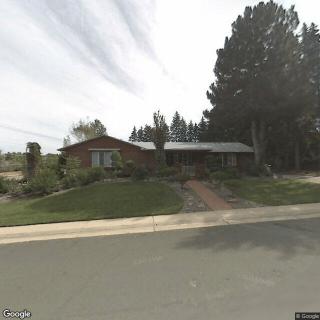
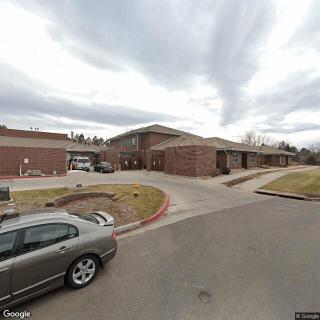
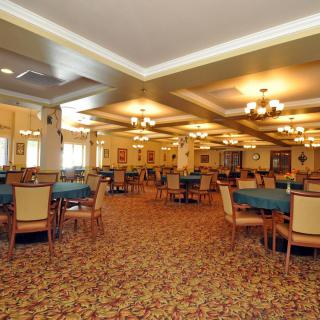
Carelink Assisted Living in Littleton is best suited for seniors who want a home-like, community-centered experience where care feels collaborative and personal. The strongest fit is for residents who value ongoing coordination of medical and domestic needs, with staff who integrate medication updates, state services, and daily routines into a coherent plan. Reviews depict a culture of cooperation between residents and staff, yielding an environment that supports health, strength, and social well-being rather than a sterile, impersonal setting. The space feels approachable and lived-in: clean, with private rooms, a well-kept kitchen, a dining room that stands out, and common areas where residents can connect. This is a setting designed to feel like “home away from home” while still delivering attentive oversight.
That said, Carelink may not be the right fit for every senior. For those requiring higher levels of medical acuity or dedicated memory-care programming, alternatives with more robust clinical staffing or dementia-specific units should be considered. The emphasis here is on individualized care within a supportive, everyday framework, not on highly specialized, nursing-led care around the clock. Families seeking aggressive cognitive therapies, intensive clinical interventions, or a campus designed specifically for advanced dementia may find that other communities are better equipped to meet those needs. The realities described suggest a strong relational approach rather than a clinical, hospital-like cadence.
The principal strengths lie in the care culture and the practical, resident-centered programming. A core advantage is the sense of community that emerges when staff know residents’ histories, preferences, and daily rhythms, translating that knowledge into consistent care and meaningful interactions. Individualized care plans extend beyond basic needs to address mental well-being, social life, and recreational opportunities, with staff actively engaging residents one-on-one and coordinating medication and other services under state guidance. The management’s stated commitment to privacy and personal boundaries reinforces dignity, while the homey touches, a private bathroom in many rooms, a clean dining room, and reachable amenities, help residents maintain autonomy within a supportive frame.
Yet the same environment that enhances belonging can also feel static for some residents. The reviews hint at the potential for an unchanging setting to affect mood or behavior, suggesting that the lack of varied stimuli may not suit every personality or progression of cognitive needs. Although staff responsiveness and a focus on daily improvement mitigate some risk, the absence of explicit, varied memory-care programming or higher-level clinical supports could leave certain residents yearning for more dynamism or specialized interventions. The strength of the community hinges on stable staffing and consistent programs; when either wanes, the benefits may not fully compensate for the limits of the model.
In weighing the pros and cons, the warmth of the staff-driven, do-anything-to-help ethos and the home-like conveniences are compelling offsets for many families. The ability to walk to nearby stores, the private accommodations, and the clear emphasis on respectful, individualized care combine to deliver reliability and comfort that can reduce family stress and improve daily life for residents who fit the profile. For seniors who require steady social engagement, predictable routines, and a strong, family-like atmosphere, the positives are meaningful and tangible; for those who need more clinical intensity or specialized memory-care infrastructure, the match becomes less assured.
For families considering a move, concrete next steps should focus on clarity and alignment. Schedule a tour and insist on speaking with the care director about how individualized plans evolve as needs change. Ask to meet current residents and their families to gauge day-to-day satisfaction and social opportunities. Request a transparent discussion of rates, what is included, and how memory or medical needs would be accommodated if they escalate. Clarify how staff turnover is managed and what safety nets exist if a resident’s care demands shift. With these insights, Carelink can be positioned as a strong, practical option for those prioritizing a warm, engaged community over highly specialized clinical settings.
 12 resident community capacity
 1-bedroom apartments
 Assisted Living
 Board and Care Home
 Respite Care
 Cable or satellite TV
 Dining room
 Fully furnished
 Garden
 Housekeeping services
 Move-in coordination
 Outdoor space
 Private
 Telephone
 Wi-Fi/high-speed internet available
 Denver International (24 miles away)
 24-hour supervision
 Activities of daily living assistance
 Ambulatory care
 Assistance with bathing
 Assistance with dressing
 Assistance with transfers
 Diabetes diet
 Diabetic care
 Incontinence care
 Meal preparation and service
 Medication management
 Special dietary restrictions
 Transportation arrangement (medical)
 Transportation to doctors appointments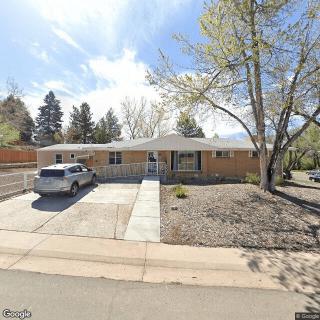


 Comprehensive Insights into Activities of Daily Living (ADLs) and Their Assessment
 Medicare Coverage for Assisted Living: An In-Depth Exploration
 Choosing the Right Senior Care: A Detailed Exploration of Assisted Living and Nursing Homes