
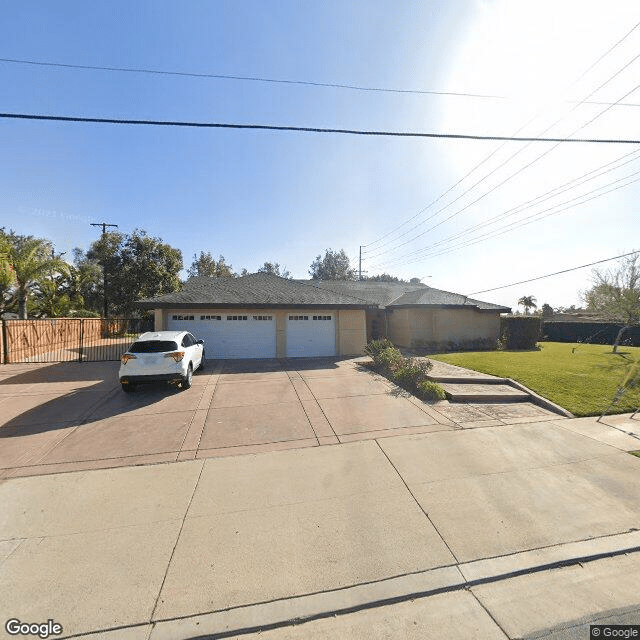
4232 Prospect, Yorba Linda, CA 92886
For more information about senior living options: (866) 208-4318
Adams Family Home Costs & Pricing
The Adams Family Home offers competitive pricing for residential care, particularly when compared to both Orange County and the broader California market. For a semi-private room, residents at Adams Family Home can expect a monthly cost of $2,500, which is significantly lower than the $3,431 average in Orange County and even more favorable compared to the statewide average of $3,333. Similarly, for those seeking private accommodations, the monthly rate at Adams Family Home is set at $3,100, again undercutting both the local rate of $4,104 and California's average of $3,939. This positioning highlights Adams Family Home as an attractive option for families seeking quality care without the premium costs typically associated with similar facilities in the region.
| Floor plans | Adams Family Home | Orange County | California |
|---|---|---|---|
| Semi-Private | $2,500 | $3,431 | $3,333 |
| Private | $3,100 | $4,104 | $3,939 |
Assisted Living communities with a similar price nearby
-
from +$300 / mo
Leah Loving Elderly Care
$2,800 to $3,000 / month14.4 miles away -
from +$200 / mo
Loving Care Senior Home
$2,700 to $3,500 / month15.9 miles away -
from +$350 / mo
Alternative Senior Care - Freshwater
$2,850 to $3,250 / month17.1 miles away -
from +$300 / mo

Bianca's Home Care
$2,800 to $3,400 / month22.7 miles away -
from +$200 / mo

The Golden Years Guest Home
$2,700 to $3,500 / month10.5 miles away
Overall Review of Adams Family Home
Cons
 They did not have a good experience.
- The community had changed and they were asked to pay more for a month.
- They were dissatisfied because when they did not want to pay the extra and had to move their loved one, they were told they had to leave that night.
- The night-time transition was rough on their loved one.
Review
Adams Family Home in Yorba Linda is best suited for families that can tolerate aggressive, volatile pricing and a residency workflow that can pivot to abrupt transitions. The published feedback portrays a setting where monthly charges can escalate, and when the family resists the extra fee, the response is to require immediate relocation. The resulting nighttime move is described as rough on the resident, highlighting a dynamic in which financial pressures trump stability. In practical terms, this facility appears to prioritize financial control over predictable care and settled living arrangements. Families seeking dependable pricing and a calm, respectful discharge process should look elsewhere.
Alternatives should be strongly considered for most cases. If predictable monthly costs, transparent policies, and advance notice before any rate change are non-negotiables, this community will likely fall short. Families with loved ones who rely on routine, clear communication, and careful planning when care needs shift will want to compare options that publish steadfast price structures and documented move-out procedures. Those who require negotiation leverage or flexible terms without threat of last-minute eviction should not place Adams Family Home high on the list. In short, this option is unlikely to meet the standard needs of stability-minded families.
From the reviews, there are no evident compensating benefits that offset the main drawbacks. Any potential advantages such as amenities, location convenience, or staff expertise are overshadowed by the pattern of fee surprises and abrupt displacements. The absence of a transparent, predictable billing framework reframes the decision from one of fit to one of risk. Without a credible mechanism for protecting residents against sudden charges or ensuring a humane transition, the perceived positives do not meaningfully redeem the core issues described by families. The net takeaway is a concern about financial and logistical security rather than a balanced care value proposition.
Admission and ongoing-terms diligence should focus on concrete, guardrail-style questions. Prospective families should demand a current written rate schedule, with explicit triggers for any increases and clear timelines for notification. Ask for a formal policy detailing how disputes over charges are resolved, and whether any “move-out-on-spot” requirements exist when new fees are presented. Seek a documented discharge process, including what support is offered to residents and families during a transition, and whether there is any flexibility to avoid nighttime relocation. Inquire about contract terms, whether month-to-month options exist, and what protections accompany abrupt changes in care level or pricing. A transparent, accountable governance framework should be visible before any commitment.
When evaluating alternatives, prioritize communities with transparent pricing, stable annual or quarterly rate histories, and a proven track record of handling care transitions with sensitivity and planning. Look for contracts that specify notice periods, dispute mechanisms, and resident rights. Visit multiple times, speak with current residents and families, and request recent resident-committee feedback about billing and move-out experiences. Favor facilities that demonstrate proactive communication around changes, provide written policies that protect residents, and show a consistent approach to maintaining stability in daily routines. Avoid environments where price changes coincide with punitive discharge practices or where nighttime relocations seem routine.
Bottom line: the reported experiences paint Adams Family Home as a misfit for families prioritizing reliability, fairness, and respectful handling of care shifts. The combination of fee volatility and abrupt eviction-style moves signals a high-risk environment for families with loved ones who depend on predictable routines and secure housing within the care continuum. For those with room to explore, pursuing other Yorba Linda options with clear pricing, transparent policies, and compassionate discharge procedures is strongly advised. The search should emphasize measurable stability, proactive communication, and a track record of upholding resident security above financial expedience.
 6 resident community capacity
 Assisted Living
 Board and Care Home
 Respite Care
 Cats allowed
 Dogs allowed
 Beautician on-site
 Cable or satellite TV
 Dining room
 Fully furnished
 Garden
 Housekeeping services
 Move-in coordination
 Outdoor space
 Private
 Telephone
 Wheelchair accessible showers
 Wi-Fi/high-speed internet available
 John Wayne Orange Co (16 miles away)
 24-hour supervision
 Activities of daily living assistance
 Assistance with bathing
 Assistance with dressing
 Assistance with transfers
 Diabetes diet
 Diabetic care
 Incontinence care
 Meal preparation and service
 Medication management
 Special dietary restrictions
 Transportation arrangement (medical)
 Transportation to doctors appointments
 Clean, well-maintained environment with friendly staff and engaging activities.




 Assisted Living Support for Veterans: A Complete and Detailed Overview
 Exploring the Contrasts Between Assisted Living and Skilled Nursing
 8 Key Indicators That Suggest It May Be Time to Transition from Assisted Living to Skilled Nursing Care