22642 Victory Boulevard, Woodland Hills, CA 91367
For more information about senior living options: (866) 208-4318
Woodland Hills Manor Costs & Pricing
Woodland Hills Manor offers competitive pricing for its accommodations, particularly in comparison to regional and state averages. For a private room, the monthly cost stands at $4,500, which is slightly above Los Angeles County's average of $4,197 but remains higher than the California statewide average of $3,939. Similarly, for a one-bedroom suite, Woodland Hills Manor matches its private room rate at $4,500 - this is just below the county average of $4,603 and somewhat above the state average of $4,340. These figures reflect Woodland Hills Manor's commitment to providing quality care and amenities while positioning itself as a viable option within both local and state markets.
| Floor plans | Woodland Hills Manor | Los Angeles County | California |
|---|---|---|---|
| Private | $4,500 | $4,197 | $3,939 |
| 1 Bedroom | $4,500 | $4,603 | $4,340 |
Memory care communities with a similar price nearby
-
from +$500 / mo

Sweet Home Senior Living #1
$5,000 to $7,500 / month11.0 miles away -
About the same
Ardenville Home Care I
$4,500 / month15.9 miles away -
from -$700 / mo
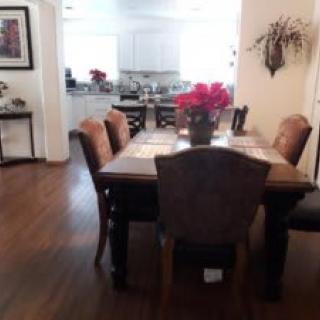
America's Care Manor
$3,800 to $4,000 / month6.4 miles away -
from -$500 / mo
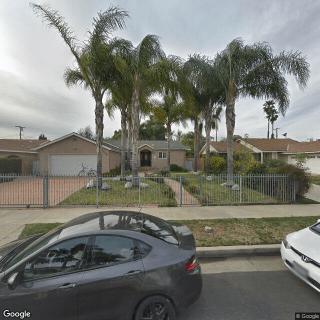
Land of Peace 6
$4,000 to $5,500 / month0.4 miles away -
from +$500 / mo
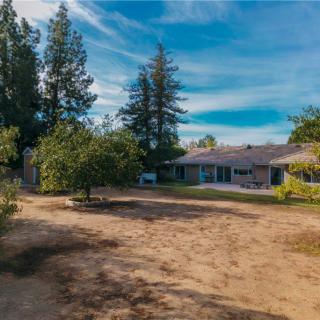
A Caring Touch Board and Care
$5,000 / month5.7 miles away
Overall Review of Woodland Hills Manor
Pros
 They are doing a fantastic job.
- There are no concerns about anything at this point.
- The house is immaculate.
- Caregivers have longevity of service.
- The owner, Jean, is genuine and compassionate, and a retired nurse.
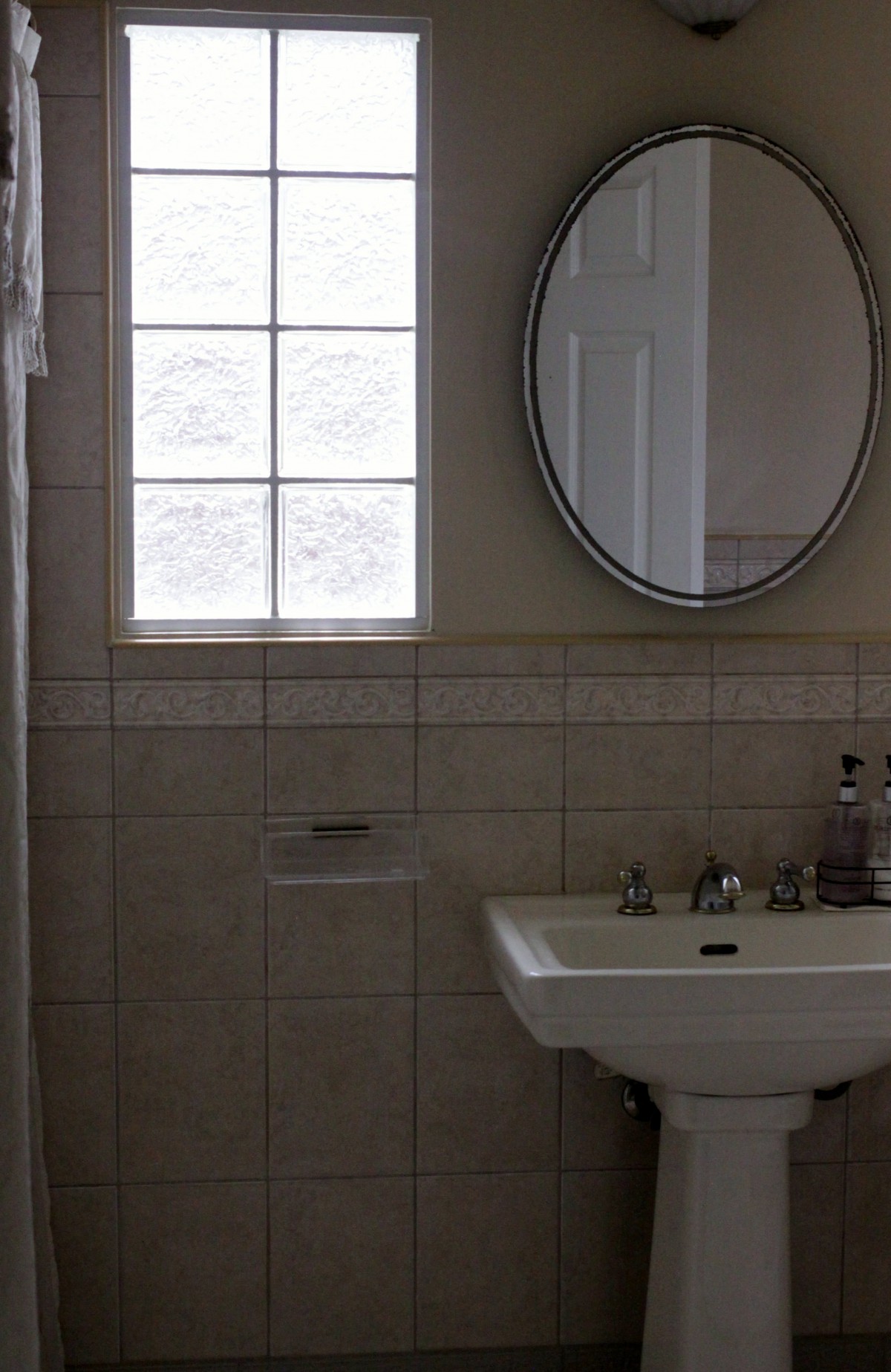
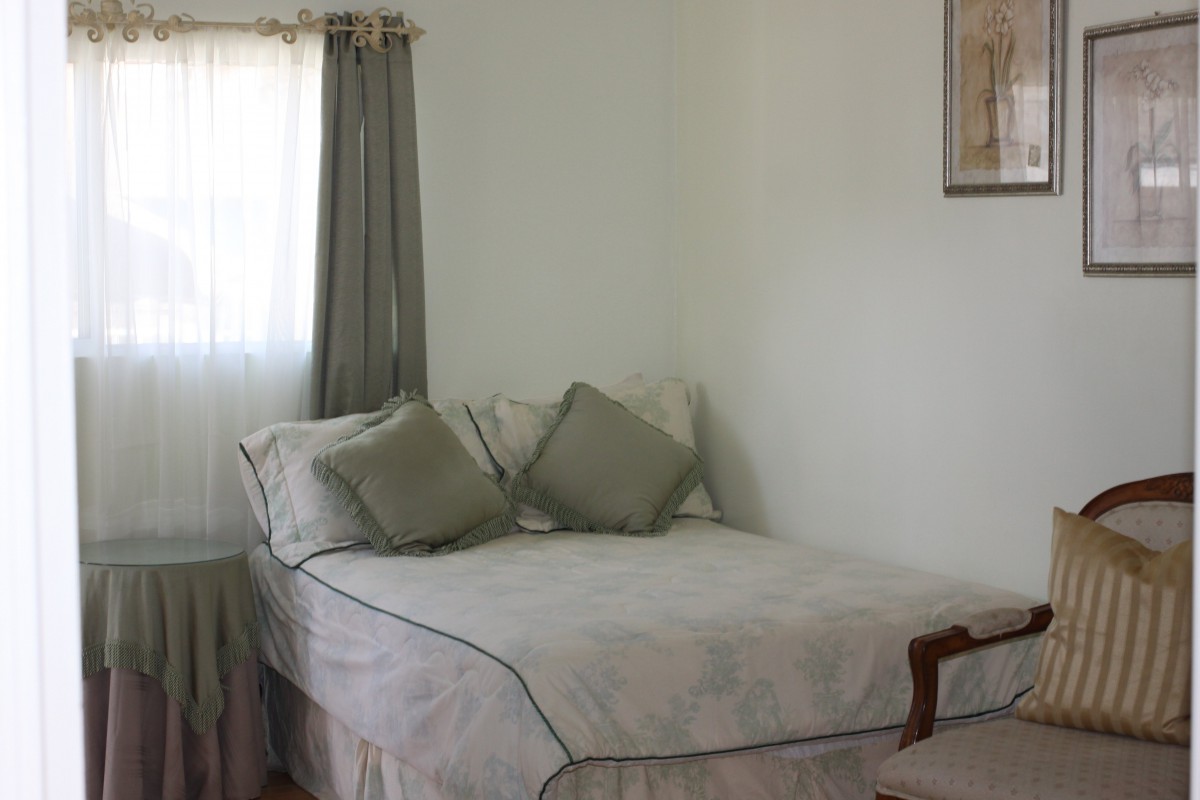
- The care rates are competitive for the area, and the rooms are private, some with private baths.
- The home is highly recommended as a top choice to visit, as it conveys a strong sense of love and care.
Review
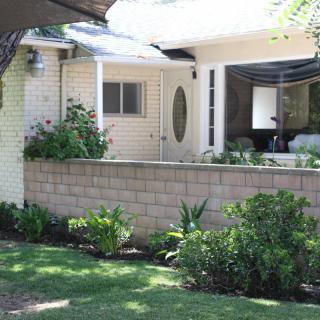
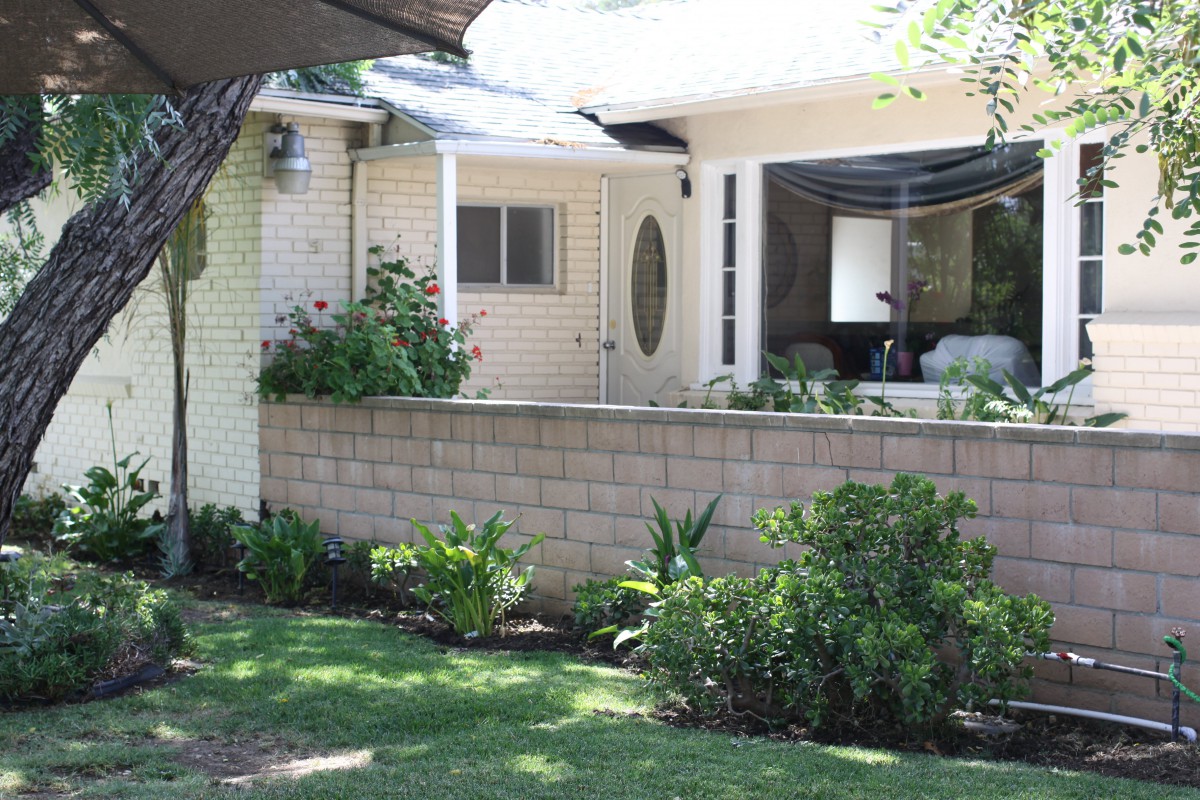
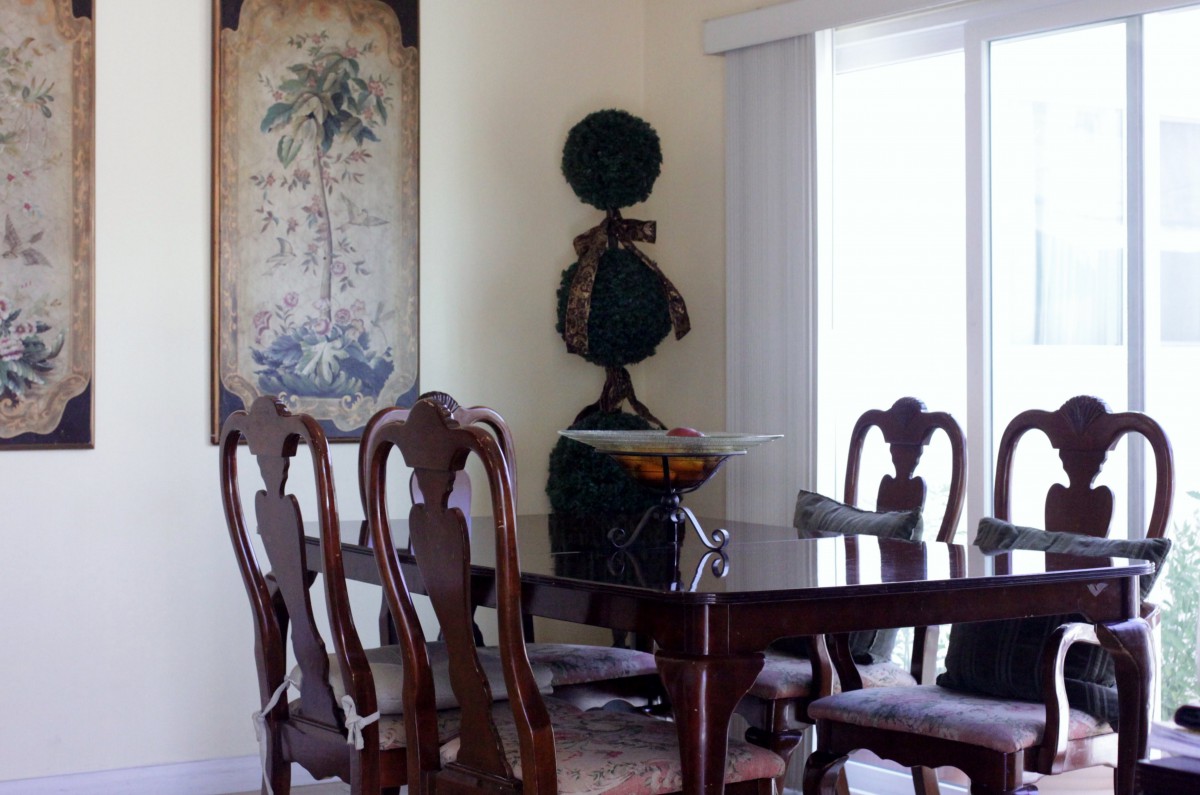
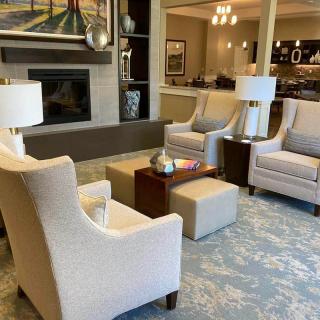
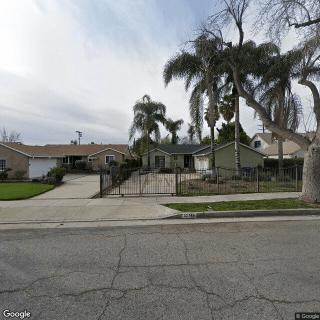
Woodland Hills Manor is best suited for seniors who want a warm, home-like assisted living experience rather than a large campus, and for families that value privacy, personal attention, and staff continuity. The setting, a well-kept private residence along a busy corridor with a long driveway, delivers a calm, domestic atmosphere supported by private rooms, some with their own baths. The owner’s background as a nurse and the consistent, compassionate care ethos signal a level of medical attentiveness that reassures families seeking steady oversight without an institutional feel. In short, this community excels for residents who want intimacy, predictable routines, and direct access to caregiving from people who know their names.
Alternatives are worth considering for families with more complex medical needs or a preference for a larger, more structured program. If 24/7 licensed nursing on site, extensive memory-care specialization, broader rehab services, or a bustling activity calendar are priorities, a bigger assisted-living campus or a dedicated memory-care facility may be a better fit. Those who require meticulous wound care, intricate medication management, or rapid escalation protocols across a wide spectrum of health issues will want to compare with facilities that provide formal medical-director oversight and on-site specialists. If the goal is highly diversified social programming and frequent off-site outings, a smaller home setting may feel limiting.
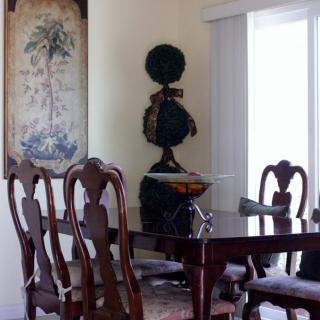
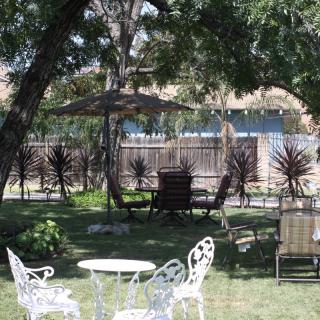
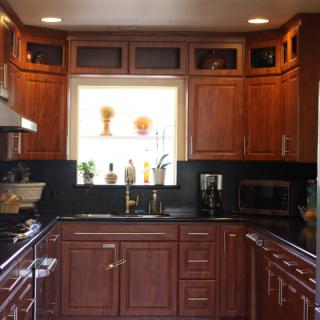
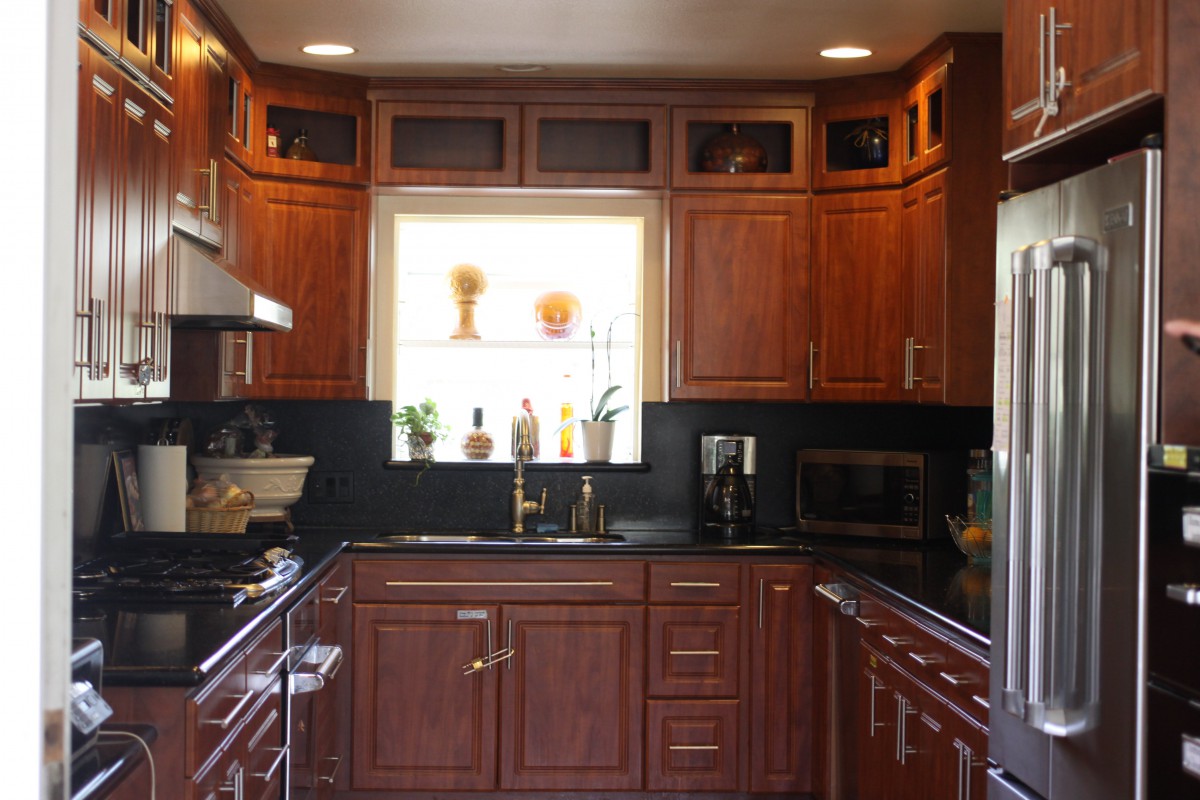
On the upside, the environment itself makes the care feel exceptional. The home presents as immaculate with an immediate “wow” factor on entry, signaling pride in stewardship. Caregivers show longevity, reducing turnover and reinforcing trust; families can expect consistent faces, which translates into fewer miscommunications and more personalized attention. The group physical therapy observed demonstrates active engagement, with residents participating in activities in a shared living space. A private, all-private-room configuration with some baths supports dignity and autonomy, while the setting’s curb appeal, ample parking and a secluded entry, minimizes traffic concerns and eases visits. Relative affordability for the area adds another layer of practicality.
Another clear pro is the culture of closeness and care from the owner, described as genuine and compassionate. That leadership translates into a responsive, family-like atmosphere where caregivers know residents’ routines and preferences. The physical layout supports supervision and safety in a homey way, making it easier for families to visit and participate in care planning. Given the residence size, the care team can tailor support to individual needs without the impersonal feel of a larger campus. For families who measure success by staff consistency, this is a compelling argument in favor.
Possible downsides naturally accompany a smaller, home-based model. The trade-off for intimacy can be a comparatively limited slate of on-site services, with less structured programming than larger facilities. Medical oversight, while present via the owner and caregivers, may not substitute for a full-time medical director or in-house specialists, particularly for complex or rapidly changing health conditions. Availability of therapy options beyond group sessions might be narrower, and when staffing is lean, responsiveness during peak times can be tested. These aren’t fatal flaws for the right resident, but they do tilt the calculus toward a tighter fit rather than universal applicability.
The take-away for families weighing options is clear: Woodland Hills Manor stands out for warmth, privacy, and caregiver continuity, delivering a high-touch, home-like experience that resonates with seniors who prize dignity and personal attention. It is a strong first visit for those who want less institutional feel and more daily reassurance from a small, devoted team. Those with advanced medical needs, a demand for extensive memory-care programming, or the expectation of a full medical director should widen the search to larger campuses. Schedule a tour, ask about staffing ratios, care planning, and after-hours coverage, and compare directly with alternatives to ensure the chosen path aligns with medical requirements and social aspirations.
 6 resident community capacity
 Assisted Living
 Board and Care Home
 Memory Care
 Activities off-site
 Cable or satellite TV
 Devotional services off-site
 Dining room
 Fully furnished
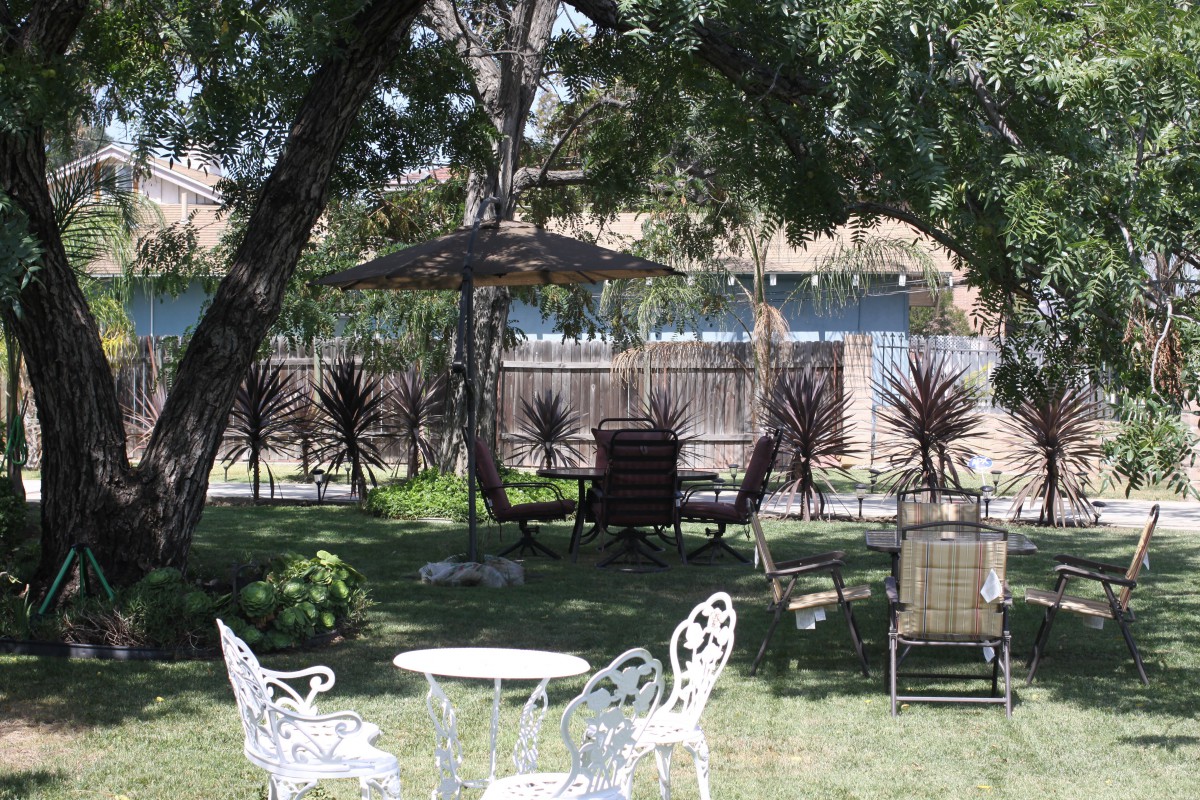
 Garden
 Housekeeping services
 Indoor common areas
 Move-in coordination
 Outdoor common areas
 Private
 Private bathrooms
 Respite or short term stays offered
 Telephone
 Wheelchair accessible showers
 Wi-Fi/high-speed internet available
 Burbank-Glendale-Pasadena (15 miles away)
 24-hour supervision
 Ambulatory care
 Assistance with bathing
 Assistance with dressing
 Assistance with transfers
 Diabetes diet
 Diabetic care
 High acuity care
 Incontinence care
 Meal preparation and service
 Medication management
 Special dietary restrictions
 Transportation arrangement (medical)
 Transportation to doctors appointments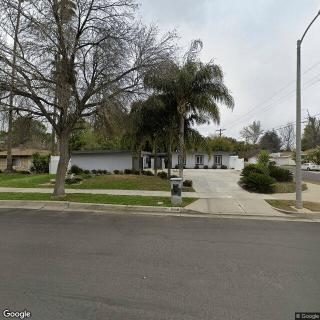

 22 Remarkable Caregiver Support Groups Available Online and In-Person
 Understanding Medicaid Coverage for Assisted Living: A Comprehensive Guide
 How and When Medicaid May Cover Assisted Living Costs