
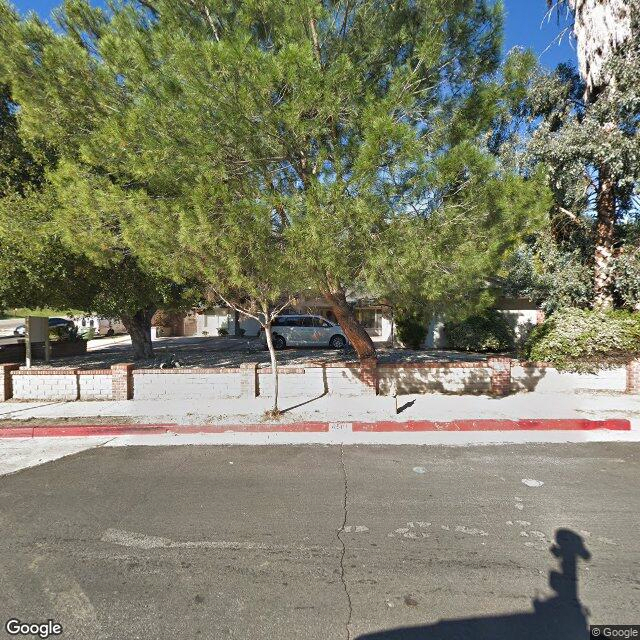
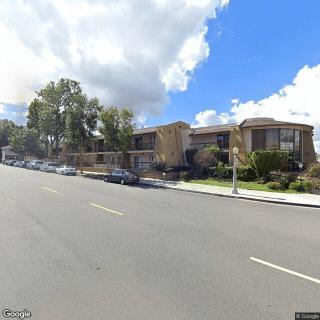
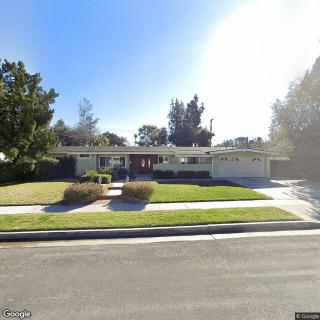
4501 San Feliciano Drive, Woodland Hills, CA 91364
For more information about senior living options: (866) 208-4318
Villa Mulholland II Costs & Pricing
Villa Mulholland II offers a premium residential experience with private and studio rooms priced at $6,500 per month. This rate significantly exceeds the average costs in both Los Angeles County, where the typical private room is approximately $4,197 and studios are around $4,172, and the broader California state average, with private rooms at about $3,939 and studios at roughly $4,145. The higher costs associated with Villa Mulholland II likely reflect its exceptional amenities and quality of care, positioning it as a desirable choice for those seeking a more luxurious living environment amidst the competitive landscape of assisted living facilities.
| Floor plans | Villa Mulholland II | Los Angeles County | California |
|---|---|---|---|
| Studio | $6,500 | $4,172 | $4,145 |
| Private | $6,500 | $4,197 | $3,939 |
Memory care communities with a similar price nearby
-
About the same
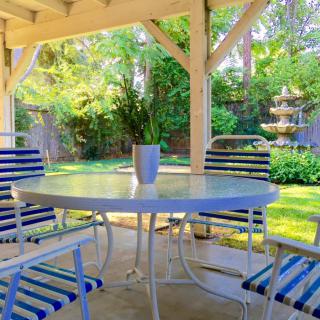
The Kentland House
$6,500 to $7,000 / month2.0 miles away -
from -$500 / mo
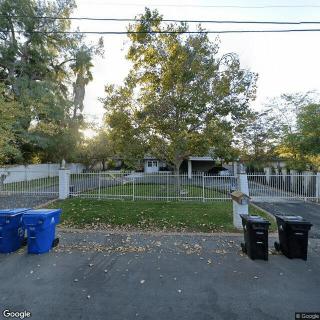
Jackie's Hideaway II
$6,000 / month4.3 miles away -
from +$500 / mo
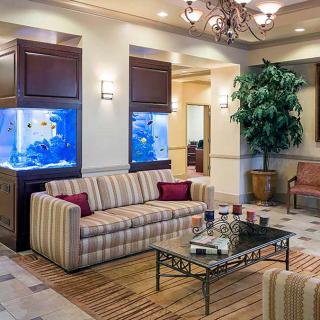
Atria Tarzana
$7,000 to $11,200 / month4.9 miles away -
from -$200 / mo
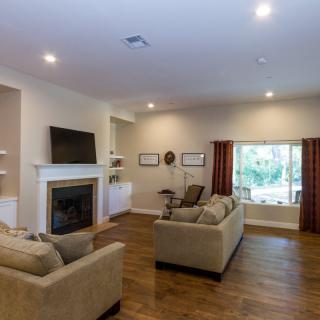
Park Vista at Thousand Oaks
$6,300 to $7,100 / month15.3 miles away -
from -$1250 / mo
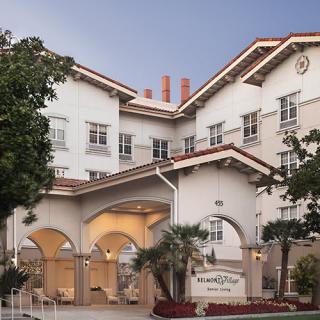
Belmont Village Burbank
$5,250 to $8,125 / month17.9 miles away
Overall Review of Villa Mulholland II
Pros
 Villa Mulholland makes everyone's stay feel like home, with tailored care that is second to none.
- The team offers up-close, personal attention and high-level care.
- The community is described as the best place in town with outstanding people.
- Families highly recommend Villa Mulholland for exceptional care of their loved ones.
- The staff and community help residents feel at home and well cared for, earning strong endorsements.
Cons
 The facility could not accommodate his dementia care needs, and he had to be moved to another community.
Review
Villa Mulholland II in Woodland Hills is best suited for families seeking a home-like assisted living experience where care is intensely personalized and staff engagement feels attentive rather than transactional. The community earns strong marks from families who want clear, steady supervision for loved ones who thrive with routine, reassurance, and a calm living environment. This is not a clinical, impersonal setting; it functions like an intimate home with seasoned caregivers adjusting to individual rhythms and preferences. It serves residents who want meaningful daily engagement, respectful privacy, and a staff culture that prioritizes relationship-building over cookie-cutter programming.
Pros are grounded in the staff's approach. Reviews repeatedly highlight tailored care and up-close attention that feel genuinely bedside and unhurried. Families report that the care team provides a high level of attentiveness, enough to reassure siblings and children that their loved ones are watched over and engaged. The environment often feels like home, which reduces distress for both residents and families. A number of residents, including moms, improved when moving to Villa Mulholland II, especially after environments that were too noisy or chaotic. The sense of community is anchored by "outstanding people" who listen and respond with practical, compassionate solutions.
Yet the setting has a notable limitation. One resident required dementia care beyond what the community could sustain, necessitating a move to another facility. That report is not a red flag about care quality so much as a reality check that Villa Mulholland II does not guarantee sophisticated memory-care protocols or 24/7 capabilities for advanced cognitive decline. For families facing moderate memory challenges or general senior support, the staff's personalized approach often remains a strong match. For residents with complex dementia or high medical acuity, this may be the tipping point toward alternatives that provide more specialized memory-care infrastructure.
How the positives offset the potential drawbacks is clear in practical terms. The home-like atmosphere and deeply personalized caregiving can offset less specialized dementia care if the resident's needs stay within the supported range. The consistent, compassionate staff can deliver the daily routines, medication reminders, assistance with mobility, meal support, and social engagement, that diminish the sense of abandonment that sometimes accompanies facility life. Even when cognitive needs drift higher, the warmth of interactions and the reliability of caregivers can still yield a higher quality of day-to-day living than in more institutional settings. The key is honest preparation: families should quantify cognitive status and future trajectory before choosing.
Prospective residents should use a visit to assess fit with care style and pace. Families should verify the level of memory-support offered, ask about staff-to-resident ratios during peak hours, and request sample care plans tailored to their loved one's routines. Inquiries about how activities are adapted for different energy levels, how meals accommodate dietary restrictions, and how transitions (such as moving from one level of care) are handled will reveal alignment with expectations. Consider the emotional climate as well; several reviews emphasize harmony, quiet living, and a sense of home, elements that are priceless to long-term satisfaction but easy to overlook in initial tours.
In summary, Villa Mulholland II represents a strong option for seniors who prize a home-like feel, attentive, customized care, and a staff culture that treats residents with genuine warmth. It stands out for families seeking dependable day-to-day support without the clinical atmosphere of larger campuses. The notable caveat is dementia care capacity; for anything beyond mid-stage memory challenges, alternatives with dedicated memory-care programming should be compared. For families who can anchor expectations to the facility’s strengths, and who plan for future needs, Villa Mulholland II offers a practical, compassionate, and reassuring residence in Woodland Hills.
 6 resident community capacity
 Assisted Living
 Board and Care Home
 Memory Care
 Cats allowed
 Dogs allowed
 Activities on-site
 Beautician on-site
 Cable or satellite TV
 Dining room
 Fully furnished
 Garden
 Handicap accessible
 Housekeeping services
 Indoor common areas
 Move-in coordination
 Outdoor common areas
 Private
 Private bathrooms
 Respite or short term stays offered
 Swimming pool / hot tub
 Telephone
 Wheelchair accessible showers
 Wi-Fi/high-speed internet available
 Burbank-Glendale-Pasadena (15 miles away)
 24-hour supervision
 Assistance with bathing
 Assistance with dressing
 Assistance with transfers
 Diabetes diet
 High acuity care
 Incontinence care
 Meal preparation and service
 Medication management
 Special dietary restrictions
 Transportation arrangement (medical)
 Transportation to doctors appointments
 Art classes
 Brain fitness
 Cooking classes
 Karaoke
 Light therapy programs
 Live dance or theater performances
 Live musical performances
 Stretching classes
 Visiting Rabbi
 Visiting chaplain or priest

 Understanding the Distinctions: Assisted Living and Memory Care Explained
 How to Communicate with a Loved One Living with Dementia: 10 Supportive Strategies
 Comprehensive Guide to VA Nursing Homes: A Crucial Long-Term Care Resource for Veterans