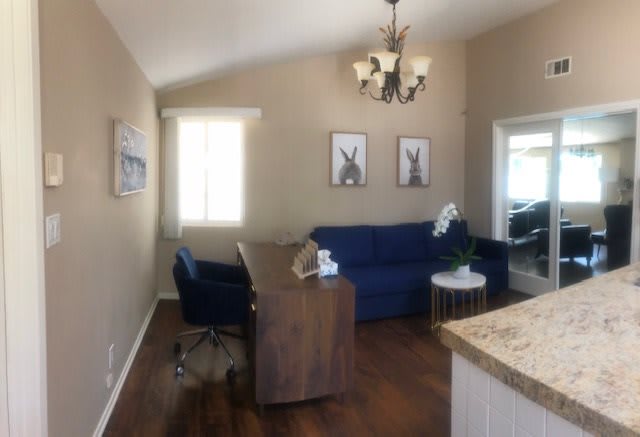
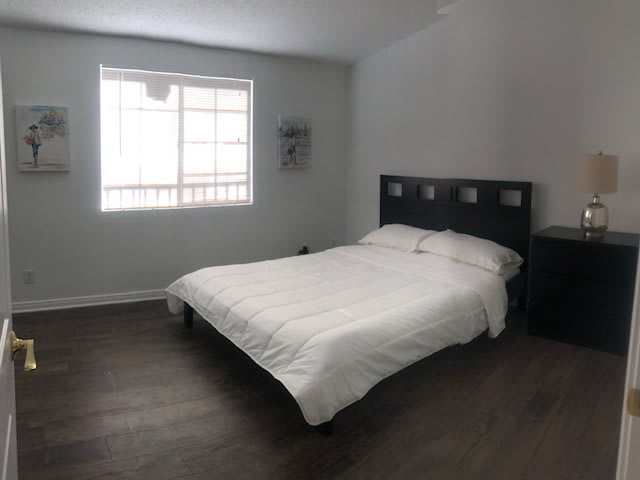
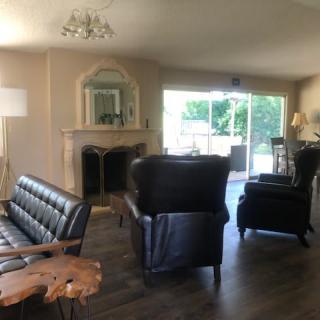

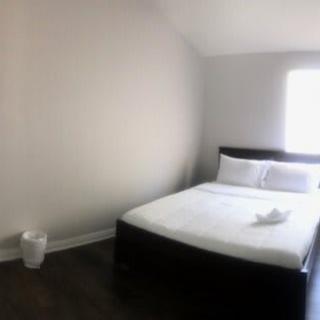
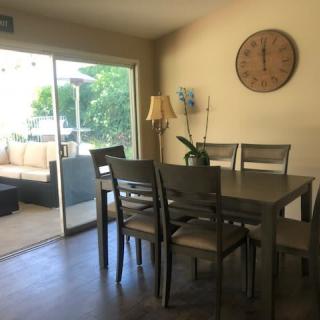
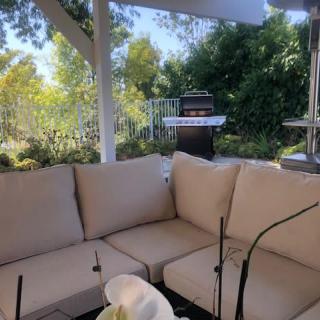
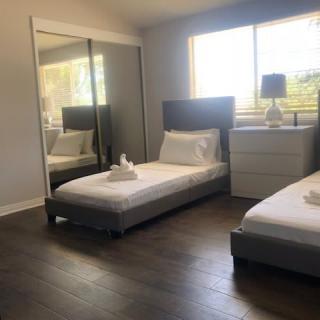
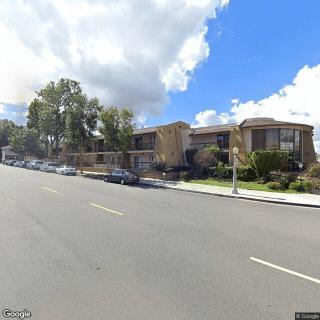
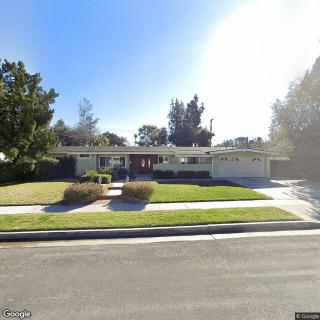
20565 Califa St, Woodland Hills, CA 91367
To contact a resident: (818) 378-7460
For more information about senior living options: (866) 208-4318
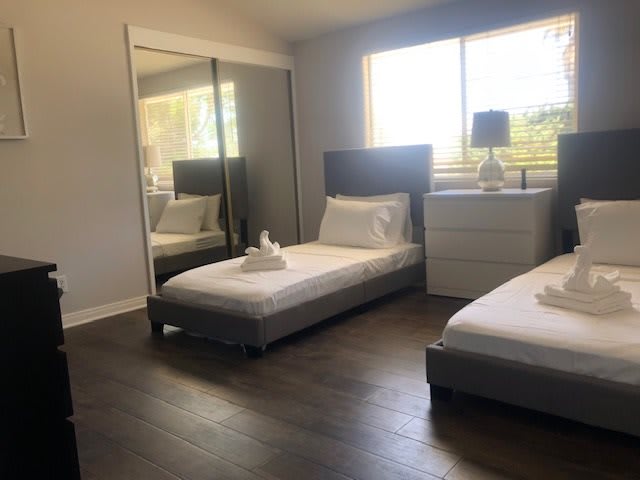
Valley View Costs & Pricing
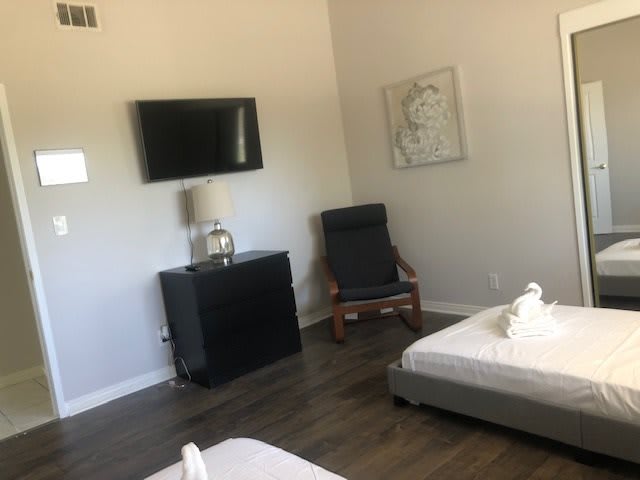
Valley View presents a competitive pricing structure compared to both Los Angeles County and the broader California market. For a semi-private room, Valley View charges $3,500 per month, which is slightly higher than the county's average of $3,349 and closely aligned with the state's average of $3,333. When it comes to private accommodations, Valley View's rate of $5,000 stands out as more expensive than the county's average of $4,197 and even exceeds the statewide average of $3,939. This pricing reflects Valley View's commitment to quality services and amenities that may justify the higher costs for potential residents seeking exceptional care in a comfortable environment.
| Floor plans | Valley View | Los Angeles County | California |
|---|---|---|---|
| Semi-Private | $3,500 | $3,349 | $3,333 |
| Private | $5,000 | $4,197 | $3,939 |
Senior living communities with a similar price nearby
-
About the same
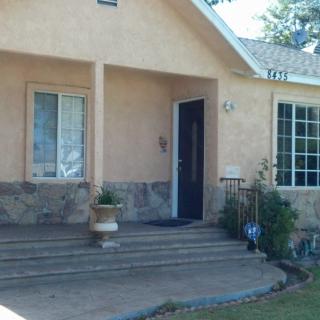
Paradise Senior Living 1
$3,500 to $4,500 / month3.7 miles away -
from -$500 / mo
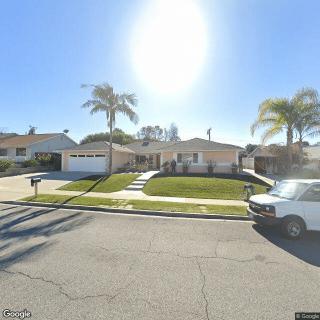
Thousand Oaks Home Care IV
$3,000 to $4,000 / month16.7 miles away -
from -$300 / mo
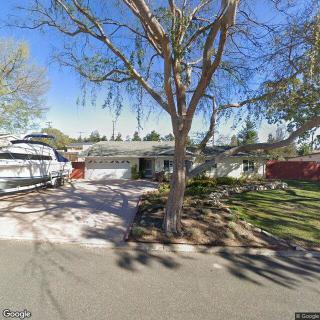
Four Seasons Board & Care Home, Inc.
$3,200 / month16.1 miles away -
from -$500 / mo
Thousand Oaks Home Care II
$3,000 to $4,000 / month16.8 miles away -
from +$300 / mo
America's Care Manor
$3,800 to $4,000 / month8.3 miles away
Overall Review of Valley View
Pros
 The family is extremely grateful for everything the staff does for their loved one.
- The staff are very professional.
- The home is very clean.
- The food is amazing.
- The family strongly recommends the facility to others for their loved ones.
Review
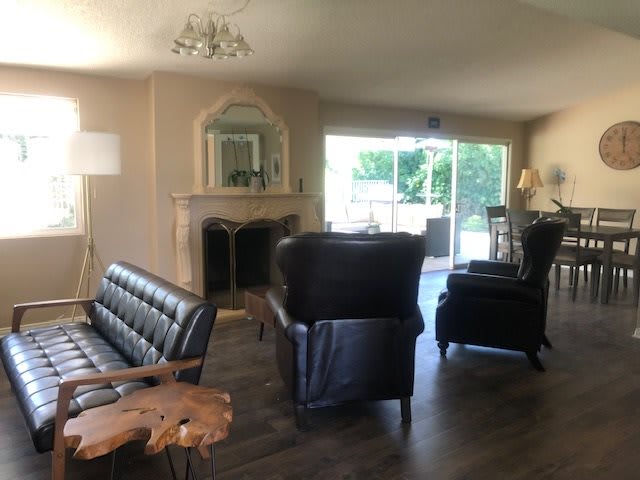
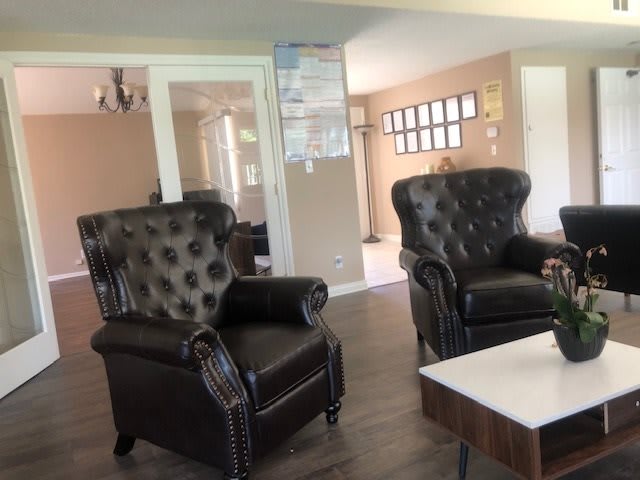
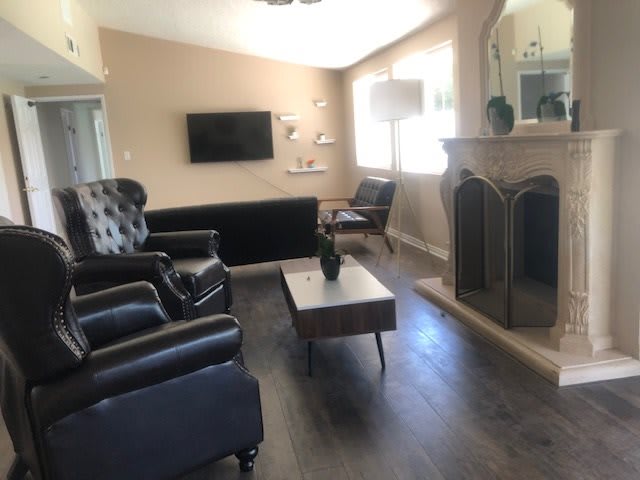
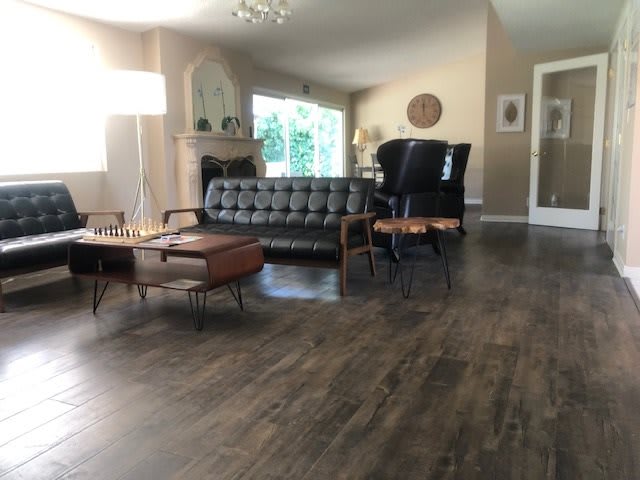
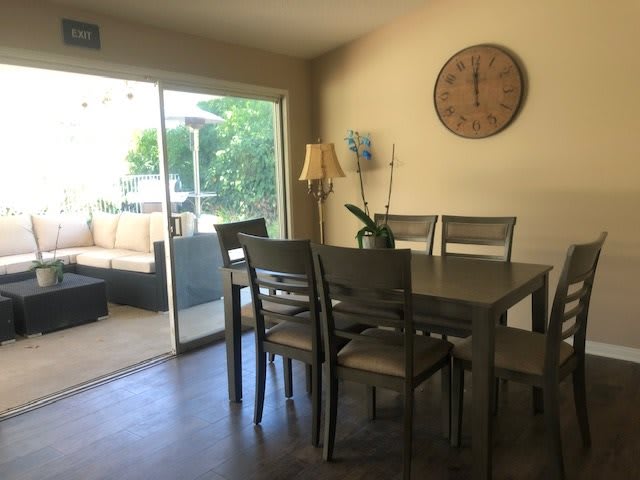
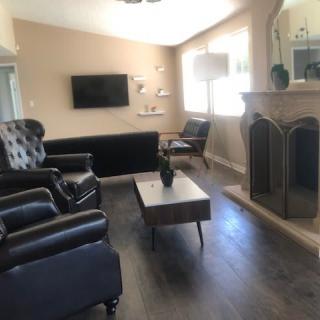
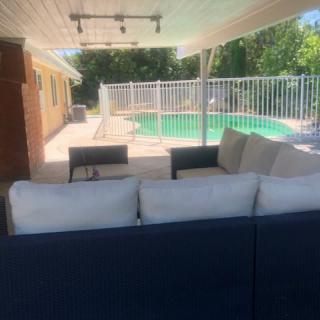
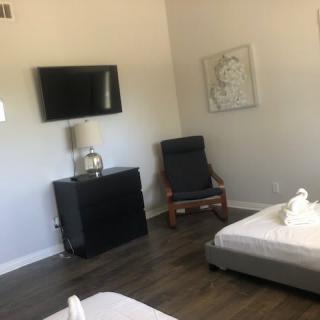
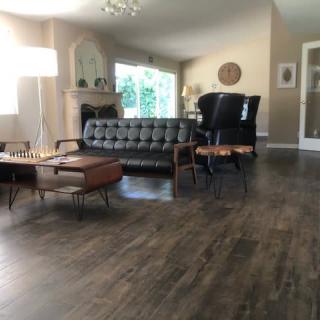
Valley View in Woodland Hills is best suited for families seeking a small, home-like assisted living experience where professionalism, daily cleanliness, and a high-quality dining program take center stage. The community appears to deliver a calm, respectful atmosphere with staff who are focused on dependable, attentive care. For families prioritizing routine, warmth, and a place that feels “like home” while still maintaining professional standards, this option stands out as a solid match.
Those evaluating alternatives should note that the current public signal is a single, highly positive testimonial. With only one review, potential residents should not rely on a lone data point to gauge long-term consistency. Families who want broader validation, across different shifts, seasons, and care needs, may want to compile additional perspectives or arrange multiple visits. For anyone requiring robust memory-care programming, heavy medical oversight, or a larger campus with extensive on-site therapy, seeking options with a longer track record and more transparent service offerings is prudent.
The review highlights three clear strengths that can influence a favorable decision. First, professionalism of the staff is emphasized as a core asset, suggesting reliable supervision, steady routines, and respectful interactions with loved ones. Second, the home’s cleanliness stands out as more than cosmetic, an indicator of hygiene standards, safety, and daily order that reduces stress for families and residents alike. Third, the dining experience is singled out as “amazing,” signaling that nutrition, menu quality, and meal service are treated with priority, which often correlates with better mood, energy, and overall well-being.
While the positives are compelling, the absence of broader feedback leaves a few implicit gaps. There is no explicit information about the range of care services (such as memory-care support, skilled nursing consultations, or rehabilitation on site), the level of medical oversight, or the availability of specialized therapies. Activity programming, transportation options, and family involvement processes are not detailed. For families who require comprehensive medical coordination, around-the-clock nursing, or highly structured programs for specific conditions, these omissions could be meaningful.
The way the reported strengths address likely concerns helps clarify the decision path. A staff-driven, clean, and cuisine-forward environment tends to produce dependable day-to-day safety, comfort, and quality-of-life benefits, critical in any senior living choice. The intimate, home-like setting can compensate for a narrower range of amenities with personalized attention, easier communication with caregivers, and a sense of community that resonates with many residents. In other words, for families prioritizing dignity, consistency, and a nourishing daily routine, Valley View’s profile aligns well with core expectations of assisted living.
Ultimately, the fit hinges on specific care needs and risk tolerance. Valley View should be on the short list for families who want a proven, clean, well-staffed environment and value excellent meals as part of daily life. Prospective residents should plan a thorough tour and ask pointed questions about staffing patterns, on-site medical availability, and the scope of activities to confirm alignment with personal expectations. If the goal is a warmer, smaller-scale setting with a strong emphasis on daily living quality and staff credibility, Valley View warrants careful consideration. If, instead, one’s criteria include expansive clinical services, broad dementia programming, or a larger community footprint, alternatives deserve deliberate comparison.
 Board and Care Home
 Cats allowed
 Dogs allowed
 Activities on-site
 Bath tubs
 Devotional services on-site
 Indoor common areas
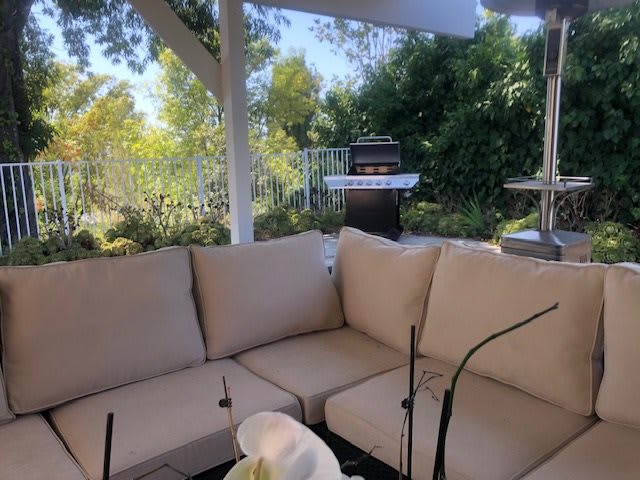
 Outdoor common areas
 Private
 Respite or short term stays offered
 Burbank-Glendale-Pasadena (13 miles away)
 Ambulatory care
 Diabetic care
 Incontinence care
 Medication management
 Kosher
 Art classes
 BBQs or picnics
 Birthday parties
 Gardening club

 Essential Knowledge on Pneumonia in Older Adults
 Exploring Palliative Care in the Home: A Comprehensive Overview
 Comprehensive Insights into Palliative Home Care: What It Is and What to Expect