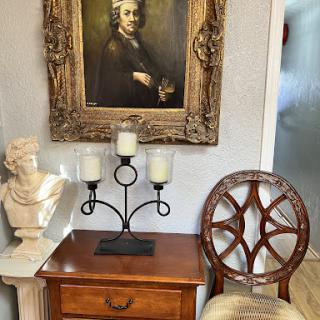
5504 Fallbrook Avenue, Woodland Hills, CA 91367
For more information about senior living options: (866) 208-4318
A Heavenly Haven Costs & Pricing
A Heavenly Haven offers competitive pricing for its resident accommodations, particularly when comparing costs to those in Los Angeles County and throughout California. The semi-private room at A Heavenly Haven is priced at $3,500 per month, which is slightly higher than the county average of $3,349 but remains reasonable compared to the state average of $3,333. For private accommodations, A Heavenly Haven's monthly rate stands at $4,000; while this is marginally lower than the county's average of $4,197, it is above the statewide benchmark of $3,939. This pricing structure reflects A Heavenly Haven's commitment to providing quality care and comfortable living options that align with regional market trends.
| Floor plans | A Heavenly Haven | Los Angeles County | California |
|---|---|---|---|
| Semi-Private | $3,500 | $3,349 | $3,333 |
| Private | $4,000 | $4,197 | $3,939 |
Memory care communities with a similar price nearby
-
About the same
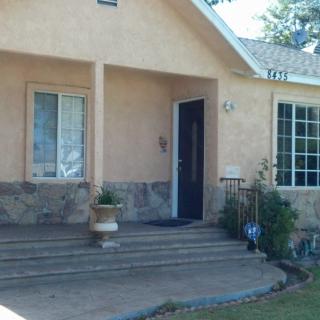
Paradise Senior Living 1
$3,500 to $4,500 / month5.4 miles away -
from +$300 / mo
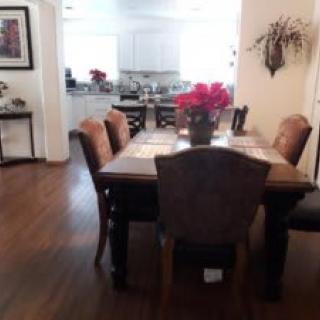
America's Care Manor
$3,800 to $4,000 / month7.3 miles away -
from +$500 / mo
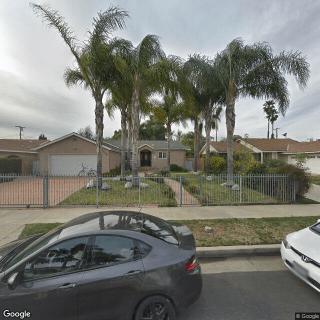
Land of Peace 6
$4,000 to $5,500 / month1.5 miles away -
About the same
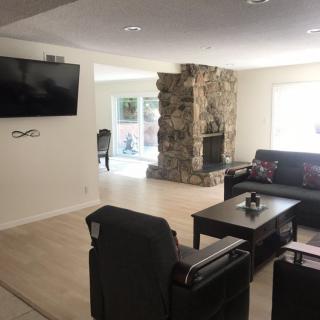
Hollywood Healthy Living
$3,500 to $5,000 / month16.2 miles away -
About the same
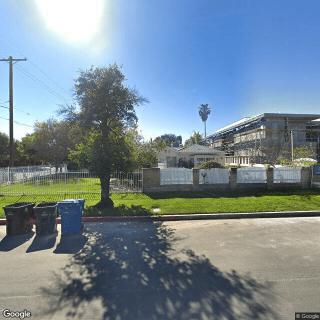
California Senior Of Sherman Oaks
$3,500 to $4,000 / month9.6 miles away
Overall Review of A Heavenly Haven
Pros
 Auggie & Sandra do a great job with patients.
- They are very attentive and patient with residents.
- The owners and staff do a wonderful job meeting residents' needs.
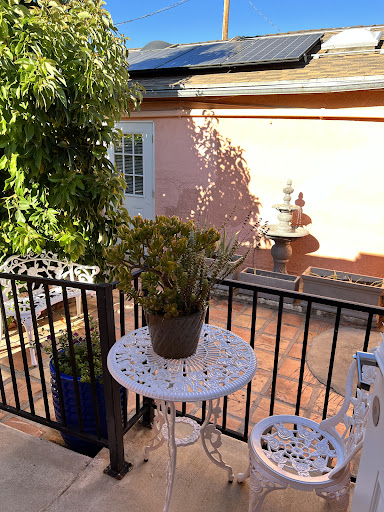
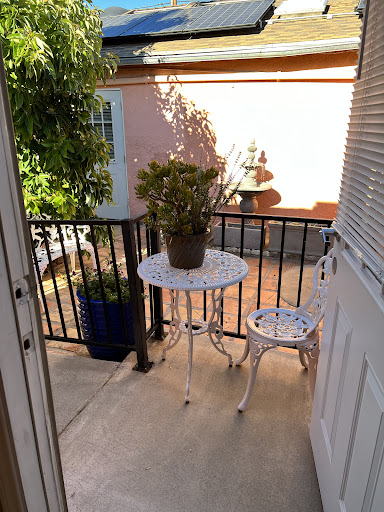
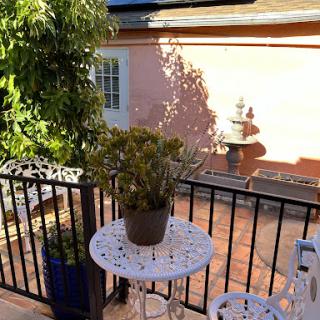
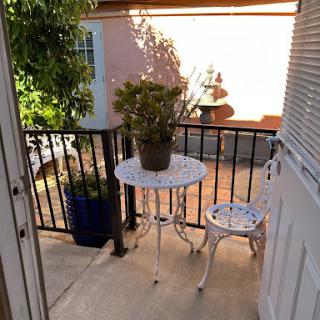
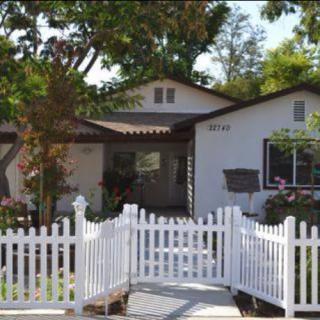
- The property is clean, safe for residents, and the exterior space is well-maintained.
- The owners truly care about their residents.
- Yulia, Aggie, and Sandra provide compassionate, patient, and loving care.
- Yulia and her staff are incredibly caring and supportive.
- The caregivers are very friendly and ready to help.
Cons
 The home’s location on a busy street raises safety concerns about residents leaving unaccompanied.
Review
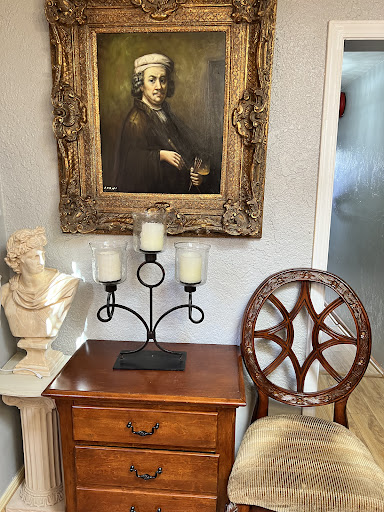
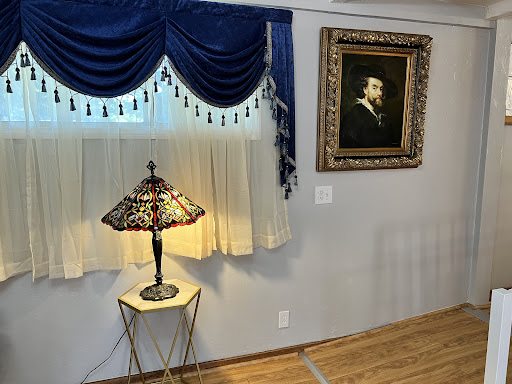
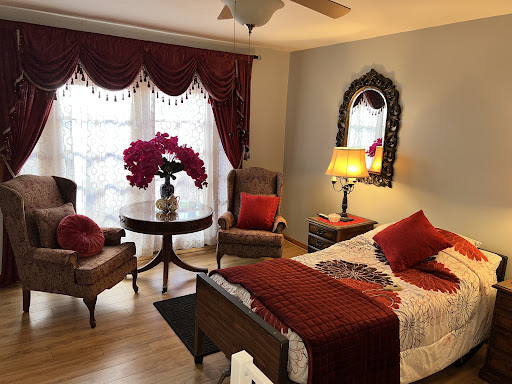
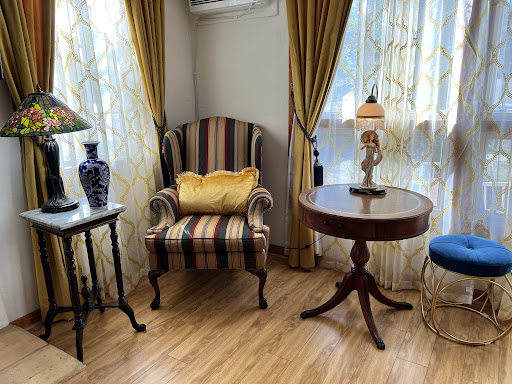
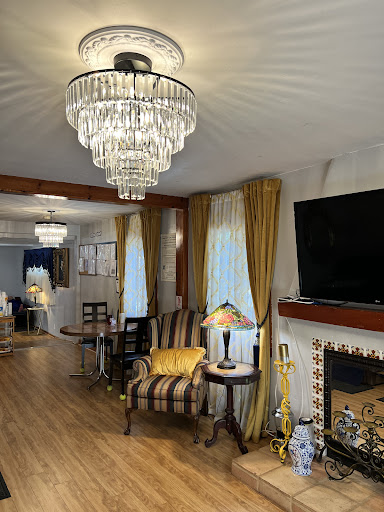
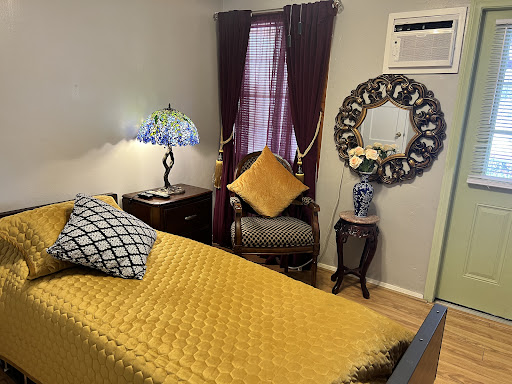
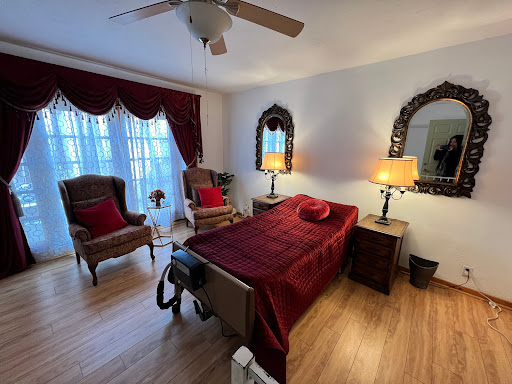
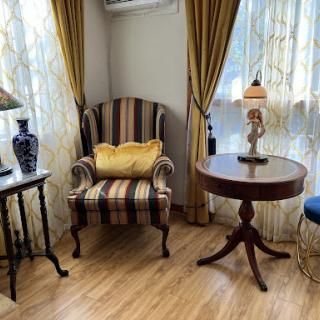
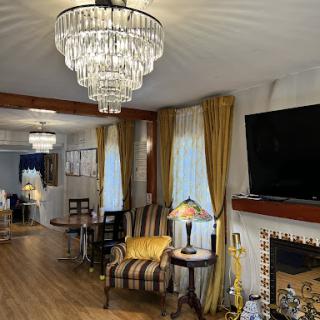
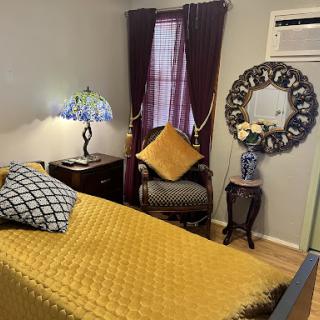
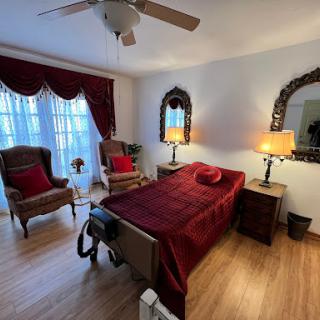
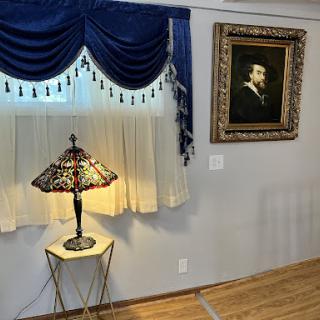
A Heavenly Haven in Woodland Hills is best suited for families seeking a warm, home‑like environment where elderly residents receive constant, attentive care from a small team that feels like a family. The community stands out for its intimate, consistently compassionate culture: caregivers who know residents by name, owners who are hands‑on, and a daily rhythm that mirrors life at home rather than a clinical setting. Reviews emphasize a clean, well‑kept house, tasteful furnishings, and an atmosphere that is both uplifting and dignified. Programs are designed to foster connection: daily inspirational music, karaoke, chair yoga, and holiday celebrations that create meaningful moments rather than routine supervision. For families prioritizing personal relationships, continuity of care, and a nurturing, respectful tone, this option hits the mark.
That said, this is not the choice for every situation. Those with high medical acuity or complex nursing needs requiring around‑the‑clock skilled oversight may want alternatives. The same caveat applies to memory care or wander‑risk management, where larger facilities with expanded clinical staffing and more formal security measures can be a better match. In addition, the location itself, situated on a busy street, can raise safety concerns for residents prone to exiting or wandering without vigilant supervision. Families should weigh the benefit of a home‑like feel against the need for robust clinical services and enhanced exterior safety controls, especially for elders who require stricter monitoring.
The strongest pros, attentive, patient caregivers; genuine, involved owners; and a consistently clean, comfortable setting, tend to offset the main drawback when matched with the right resident. Caregivers like Aggie, Sandra, and Yulia are repeatedly described as loving, patient, and responsive, contributing to a sense of belonging and stability that can reduce anxiety, sundowning, and social withdrawal. The home’s upkeep, the aroma of good meals, and the presence of daily activities that honor routine and celebration together create tangible quality‑of‑life benefits. Even more, the care philosophy shines in practice: attention to skin integrity, comfort positioning, and ongoing warmth from staff reflect a level of attentiveness uncommon in larger groups. The environmental ethos, eco‑friendly operations and solar power, adds a layer of practical reliability that families value when evaluating long‑term residence.
The notable caveat centers on safety associated with the busy street and the potential for wandering without continuous, highly vigilant supervision. Prospects must confirm that safety measures are concrete: secure outdoor spaces, well‑trained awake staff during peak hours, and reliable after‑hours coverage. Prospective families should inquire about exit doors, alarms, and the exact caregiver‑to‑resident ratios to understand how the home balances intimacy with safety. This is not a facility born of indifference; it is a tightly run, person‑centered home that relies on a small cadre of caregivers. The question becomes whether that model can tolerate a resident’s particular needs for security and medical oversight without compromise.
For families evaluating options, practical steps matter. Schedule in‑person visits at different times, observe how staff interact with residents, and note whether the environment truly supports personal dignity and engagement. Request conversations with current families about consistency of care, responsiveness during emergencies, and the continuity of caregivers over time. If memory care or specialized medical services are relevant, ask for specifics on programming, staff training, and access to on‑site nursing. In addition, clarify which location will be the primary option, since “A Heavenly Haven” operates with more than one site in the region, and verification of amenities, menus, and activity calendars for the Woodland Hills home is essential.
In the end, A Heavenly Haven offers a compelling choice for families who prize a heartfelt, community‑oriented living arrangement where residents are treated like family and daily life remains rich with connection and gentle celebration. The strongest argument lies in the depth of personal attention, the homey setting, and the vibrant social programming that give residents purpose and joy. The street‑level safety concern should be carefully assessed and addressed through concrete measures before move‑in. If medical complexity, memory care demands, or a desire for a larger, more clinical campus are decisive factors, exploring alternatives, whether another RCFE with stronger clinical staffing or a skilled‑nursing option, will be prudent. For those who can align the resident’s needs with the home’s strengths, this is a top‑tier, practical fit that can yield meaningful quality‑of‑life gains.
 6 resident community capacity
 Assisted Living
 Board and Care Home
 Memory Care
 Cable or satellite TV
 Dining room
 Fully furnished
 Garden
 Housekeeping services
 Move-in coordination
 Outdoor space
 Private
 Telephone
 Wi-Fi/high-speed internet available
 Burbank-Glendale-Pasadena (15 miles away)
 24-hour supervision
 Activities of daily living assistance
 Ambulatory care
 Assistance with bathing
 Assistance with dressing
 Assistance with transfers
 Diabetes diet
 High acuity care
 Incontinence care
 Meal preparation and service
 Medication management
 Special dietary restrictions
 Transportation arrangement (medical)
 Transportation to doctors appointments
 Comprehensive Guide to VA Nursing Homes: A Crucial Long-Term Care Resource for Veterans
 Estimating the Expenses of At-Home Dementia Care: A Detailed Exploration
 Comprehensive Insights on the Late Stages of Dementia: What to Expect and How to Provide Care