
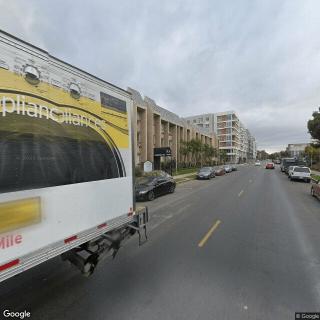
20702 Kittridge Street, Winnetka, CA 91306
For more information about senior living options: (866) 208-4318
Overall Review of J28 Home Care
Pros
 The grandpa received amazing love and care during his knee surgery recovery.
- He is home and back with his family.
- The facility comes highly recommended for those needing a loving and helpful hand.
Review
J28 Home Care in Winnetka, CA appears best suited for families seeking a short-term, compassionate recovery option for an older loved one after surgery or a medical setback. The strongest takeaway from available feedback is a clear emphasis on loving, attentive care that centers the patient’s comfort and discharge readiness. The narrative that emerges is of a home-like setting where a recovering senior can receive hands-on support from caregivers who are focused on enabling a return to familiar routines. This points to a role as transitional care rather than a long-term residential solution, with the priority being a smooth recovery arc and a safe, supported reintegration into daily life.
Those considering alternatives are wise to weigh the reality that J28 Home Care’ strengths lie in personal connection and timely, individualized attention rather than broad-spectrum clinical programs. If a loved one requires ongoing, hospital-grade medical supervision, frequent skilled therapy, or dementia-specific memory care with constant monitoring, a larger assisted living community or a dedicated skilled nursing facility may be more appropriate. For chronic conditions, complex wound care, IV therapies, or situations demanding more intensive 24/7 oversight, families should explore options that offer guaranteed medical staffing levels, structured rehabilitation, and clearly defined long-term care plans.
The primary pros, remarkable warmth, personalized attention, and a demonstrated capacity to support a peaceful transition home, strongly offset the potential gaps that come with a smaller, home-style care model. Positive caregiver relationships and a clear focus on post-op recovery can significantly reduce anxiety for both patient and family, accelerating healing and improving adherence to discharge instructions. When the goal is to restore function quickly and minimize hospital readmission, the human touch and daily reassurance offered in this setting can be as meaningful as more formal rehab services. Yet, the lack of explicit, in-house rehabilitation programs or visible medical oversight means these advantages are most potent for short, uncomplicated recovery trajectories.
From a practical decision-making standpoint, a thorough due-diligence checklist is essential before committing. Families should confirm whether a dedicated care manager is available, and verify the presence of licensed nurses on call, plus the ability to coordinate physical or occupational therapy within a reasonable distance or time frame. Clarify what metrics exist for progress, how meals and activities are structured, and whether a plan for a safe discharge home is embedded in the care approach. Understanding cost, eligibility for insurance coverage, and any potential out-of-pocket expenses will prevent surprises and align expectations with the actual service scope.
Outcomes in the available feedback suggest a meaningful, tangible benefit when a loved one’s recovery hinges on emotional support and a warm, dependable routine. The vignettes portray a patient who was moving toward home again, aided by caregivers who communicated care and consistency to family members. While this paints a promising picture, the small sample size means one cannot assume uniform results across all cases. The narrative drawn is that J28 Home Care excels at nurturing dignity and comfort during the critical post-operative window, an attribute that can translate into faster, more stable transitions from hospital to home when medical needs stay within the facility’s supported scope.
The bottom-line recommendation is clear: for families prioritizing a supportive, home-like recovery environment after surgery or a similar medical event, J28 Home Care stands out as a compelling option in Winnetka. It is especially suited to temporary stays aimed at getting a loved one back on their feet and ready to resume independent living or routine home care. However, for anyone anticipating long-term medical complexity, dementia-focused needs, or a require-for-24/7 professional oversight, alternatives with deeper clinical resources should be explored. A site visit, direct discussions about staffing, and a concrete discharge plan will reveal whether this community aligns with the specific recovery goals and safety expectations.
 6 resident community capacity
 Assisted Living
 Board and Care Home
 Cable or satellite TV
 Dining room
 Fully furnished
 Garden
 Housekeeping services
 Move-in coordination
 Outdoor space
 Telephone
 Wi-Fi/high-speed internet available
 Burbank-Glendale-Pasadena (13 miles away)
 24-hour supervision
 Activities of daily living assistance
 Assistance with bathing
 Assistance with dressing
 Assistance with transfers
 Diabetes diet
 Meal preparation and service
 Medication management
 Special dietary restrictions
 Transportation arrangement (medical)
 Transportation to doctors appointments





 Exploring the Contrasts Between Assisted Living and Skilled Nursing
 8 Key Indicators That Suggest It May Be Time to Transition from Assisted Living to Skilled Nursing Care
 Vibrant Senior Living: A Comprehensive Guide for Active Older Adults