
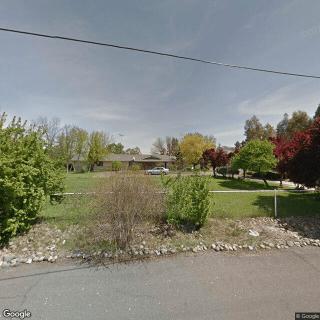
9845 Alta Mesa Road, Wilton, CA 95693
For more information about senior living options: (866) 208-4318
Sunshine Glory Care Home Costs & Pricing
Sunshine Glory Care Home offers competitive pricing for its residential care services, with costs reflecting an attractive option within the local market. The monthly fee for a semi-private room is $3,000, which comes in below both Sacramento County's average of $3,106 and the broader California state average of $3,333. For those seeking a private room at Sunshine Glory, the cost is set at $3,500 - again lower than Sacramento County's average of $3,686 and significantly less than California's state average of $3,939. These rates not only underscore Sunshine Glory Care Home's commitment to affordability but also highlight its value proposition in delivering quality care within a supportive environment.
| Floor plans | Sunshine Glory Care Home | Sacramento County | California |
|---|---|---|---|
| Semi-Private | $3,000 | $3,106 | $3,333 |
| Private | $3,500 | $3,686 | $3,939 |
Assisted Living communities with a similar price nearby
-
from -$500 / mo
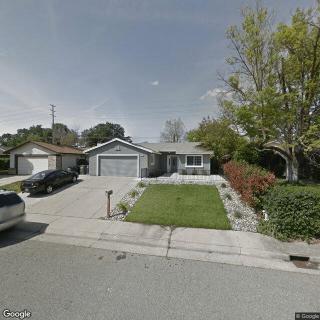
Sunrise Senior Care
$2,500 to $3,500 / month20.1 miles away -
About the same
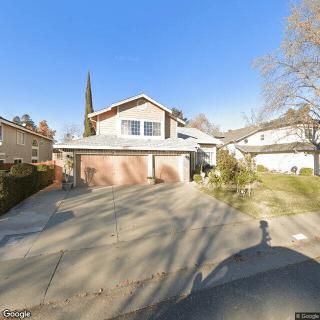
Afable Care Home
$3,000 to $3,500 / month23.8 miles away -
from -$500 / mo

Gina's Home Care
$2,500 / month16.6 miles away -
About the same

Love & Care for Elder
$3,000 to $4,500 / month22.5 miles away -
About the same

Hear Seniors
$3,005 to $3,870 / month17.8 miles away
Overall Review of Sunshine Glory Care Home
Pros
 The staff of Sunshine Glory Care Home are really amazing.
- They really care for their clients.
- They provide personalized support.
- They demonstrate love in their work.
- They offer spiritual as well as physical support.
- They know how to encourage and inspire residents when they are down.
- Merly A., the owner, is an amazing woman who goes out of her way to help others.
Cons
 The reviewer was very disappointed with Sunshine Glory Care.
- The facility did not meet the reviewer’s expectations.
- The whole facility appeared run down.
Review
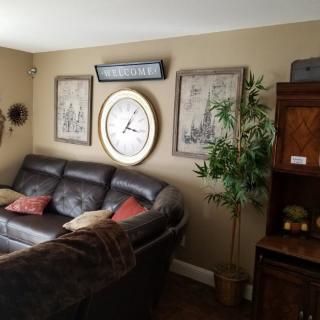
Sunshine Glory Care Home in Wilton, California is best suited for seniors who want deeply personalized, caregiver-focused attention in a small, country-style setting. The staff are described as genuinely caring, meeting physical needs while offering meaningful encouragement that can feel almost spiritual. The owner, Merly A., is highlighted as someone who goes out of her way to help residents, contributing to a family-like atmosphere. This environment rewards residents who value intimate daily contact with caregivers, predictable routines, and a warm, nonclinical vibe. It also seems appealing to individuals who feel misunderstood in larger facilities and seek a welcoming community where warmth and personal connection carry as much weight as formal programming.
That said, alternatives should be on the table for families whose loved ones require modern amenities, pristine upkeep, or higher-level medical supervision. One reviewer described the facility as run down and not meeting expectations, signaling that maintenance and appearance may not match the standards some families expect. Those who prioritize a bright, institutional feel, wide corridors, or advanced safety features may be dissatisfied. Residents who rely on robust memory care programs or structured clinical oversight will likely find the setting insufficient. In short, the charm of a homey, intimate setting can come with tangible compromises on polish.
Key strengths are evident in the staff’s commitment and the level of personal attention. Caregivers who know residents well can tailor routines, provide motivation, and deliver encouragement during tough days. The depth of relational care feels more like a family member, bringing authentic warmth that transcends routine caregiving. The owner’s hands-on approach reinforces continuity and accountability, creating trust for families who want to believe their loved ones are genuinely seen and valued. The country living vibe adds to a sense of belonging, making social interactions feel natural rather than scripted or institutional.
However, the essential caveat lies in the facility’s physical condition. Descriptions of a run-down environment clash with expectations for a neat, well-maintained space, and this tension can erode comfort, especially for new arrivals or relatives touring on behalf of a resident. The warmth of the staff cannot fully compensate for visible wear, aging infrastructure, or potential maintenance gaps. For residents with higher care needs or those who place a premium on pristine surroundings, this disconnect matters. The reality that not all aspects of the operation are flawless is a significant factor in the decision-making process.
When evaluating whether Sunshine Glory is the right choice, the pros align most strongly with families seeking heartfelt, individualized care in a small-home setting. The combination of devoted staff, spiritual support, and a personable ownership structure can offset the shortcomings for residents who value connection over polish and cost over institutional shine. For seniors who require intensive medical programming, rigorous safety features, or upscale amenities, alternatives likely offer better alignment with expectations. Prospective families should calibrate these trade-offs by visiting, assessing maintenance practices, and speaking candidly with staff about daily routines and safety protocols.
Practical next steps involve a disciplined visit and verification process. Observe care interactions, ask about how often maintenance issues are addressed, and review any state or local inspections to gauge consistency. Inquire about the frequency of activity programming, spiritual services, and family involvement, since those elements drive overall satisfaction here. If the resident values genuine connection and a home-like atmosphere, Sunshine Glory can deliver a reassuring sense of belonging. Conversely, if cleanliness and modern infrastructure are non-negotiable, alternative communities with stronger renovation trajectories should be pursued. The choice should reflect what quality of life looks like for the individual in question.
 12 resident community capacity
 Assisted Living
 Board and Care Home
 Respite Care
 Cable or satellite TV
 Dining room
 Fully furnished
 Garden
 Housekeeping services
 Move-in coordination
 Outdoor space
 Private
 Telephone
 Wi-Fi/high-speed internet available
 24-hour supervision
 Activities of daily living assistance
 Ambulatory care
 Assistance with bathing
 Assistance with dressing
 Assistance with transfers
 Diabetes diet
 Incontinence care
 Meal preparation and service
 Medication management
 Special dietary restrictions
 Transportation arrangement (medical)
 Transportation to doctors appointments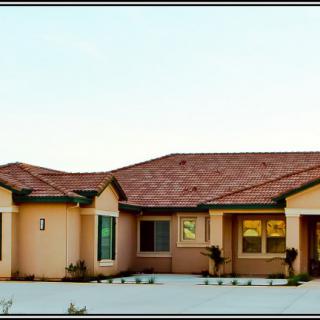



 Securing Financial Support for Assisted Living: A Comprehensive Overview
 Social Security Benefits and Assisted Living: Navigating Options Across the U.S.
 An Extensive Exploration of the VA Aid and Attendance Benefit