
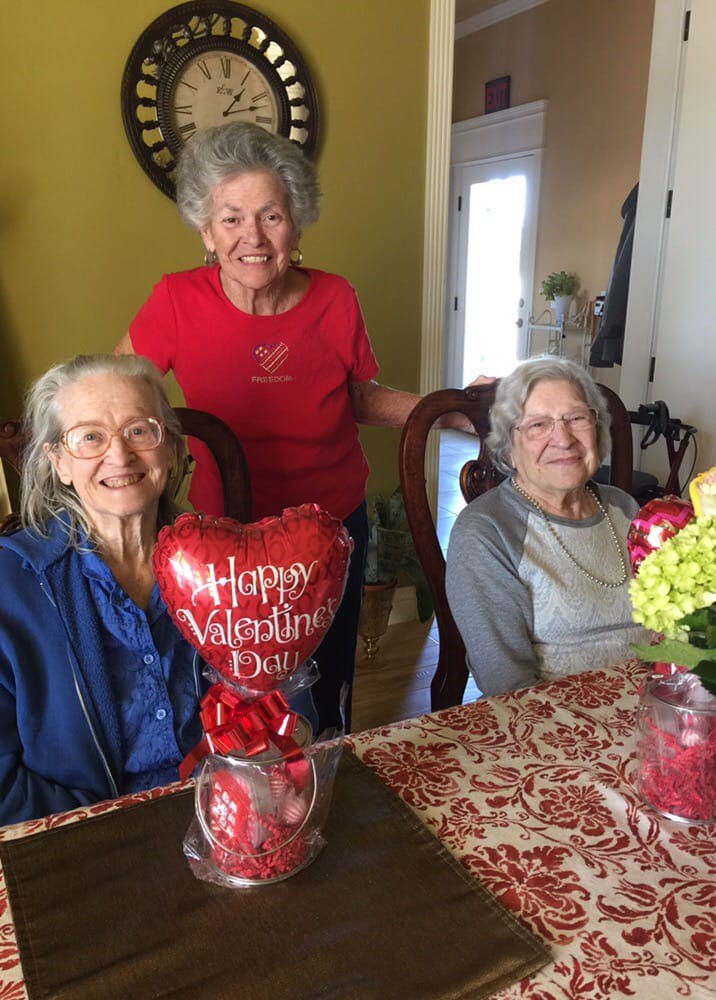
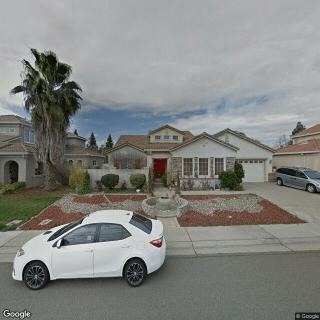
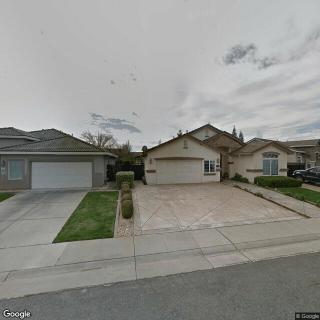
10547 Calvine Road, Sacramento, CA 95830
For more information about senior living options: (866) 208-4318
Calvine Elderly Care Home Costs & Pricing
Calvine Elderly Care Home offers competitive pricing for both semi-private and private accommodations, with costs significantly lower than the average rates in Sacramento County and across California. For a semi-private room, residents pay $2,200 per month, which is quite favorable compared to the county average of $3,106 and the state average of $3,333. Likewise, the private room rate at Calvine stands at $2,500, while the regional and state figures are higher at $3,686 and $3,939 respectively. This difference highlights Calvine Elderly Care Home's commitment to providing quality care at a more accessible price point for families seeking affordable options for their loved ones.
| Floor plans | Calvine Elderly Care Home | Sacramento County | California |
|---|---|---|---|
| Semi-Private | $2,200 | $3,106 | $3,333 |
| Private | $2,500 | $3,686 | $3,939 |
Assisted Living communities with a similar price nearby
-
from +$300 / mo
Sunrise Senior Care
$2,500 to $3,500 / month16.2 miles away -
from +$300 / mo

Gina's Home Care
$2,500 / month12.3 miles away -
from -$200 / mo
Antelope Hills Home Care
$2,000 to $2,500 / month17.6 miles away -
from +$300 / mo
Eastern Manor
$2,500 to $3,000 / month11.7 miles away -
from +$300 / mo
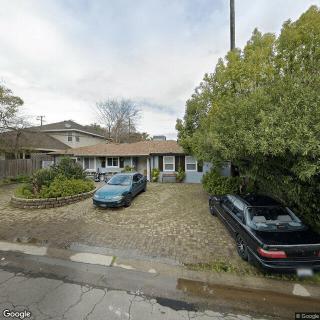
Hempstead Home
$2,500 to $6,930 / month10.4 miles away
Overall Review of Calvine Elderly Care Home
Pros
 The staff consistently provided excellent care for residents.
- The caregivers were genuinely concerned about each resident's needs.
- The facility was always clean and well maintained.
- The care and attention to detail shown to every client were remarkable.
- Staff offered timely, helpful recommendations that improved comfort and quality of life.
- They ensured hydration and comfort for residents who could no longer manage tasks themselves.
- Spiritual support was respectfully offered and appreciated.
- The facility felt like a home and became an extended family to families and residents.
Review
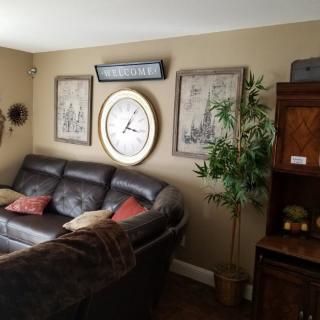
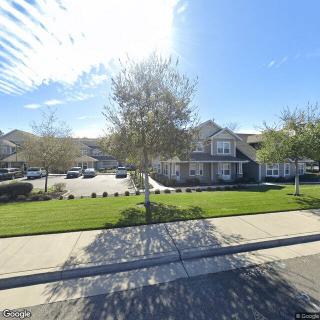
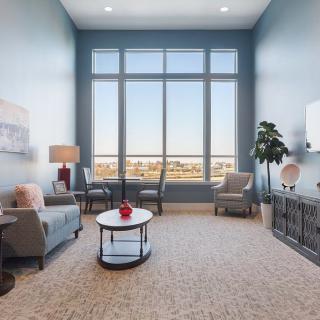
Calvine Elderly Care Home is best suited for families who want a small, home-like environment where a stable caregiving team can form deep, ongoing relationships with a senior. The six-bed scale creates an intimate setting that feels more like a private home than a facility, which is especially powerful for residents with dementia or end-of-life needs who require steady, personalized attention. The caregivers, notably Maria and David, demonstrate consistent involvement, hands-on support, and a willingness to tailor daily routines to individual preferences. For families prioritizing trust, continuity, and a sense of belonging over a clinical atmosphere, this community delivers compelling value.
Those evaluating alternatives should consider that Calvine’s approach may not fit every situation. Families seeking aggressive medical oversight, 24/7 on-site nursing, or a broad menu of structured therapy programs might prefer a larger residential option with more robust on-call medical staffing. The small footprint can also mean fewer formal activity options and less variety in programming at times. For seniors who require frequent, highly specialized medical management or more intensive rehabilitation services, a bigger community with round-the-clock nursing and established partnerships with therapists could be a better fit.
The major strengths lie in the depth of personalized care and the care team’s proactive stance. Residents benefit from careful monitoring, timely problem-solving, and thoughtful recommendations shared with families about medical care and daily arrangements. Hydration support is a standout example of practical, day-to-day attention, and staff show sensitivity to spiritual and emotional needs, prayer with care workers and a sense of extended-family involvement are repeatedly highlighted as meaningful. The home-like atmosphere, cleanliness, and the consistent presence of trusted caregivers contribute to a sense of safety and comfort that is hard to match in larger settings.
Against those strengths, the main trade-off centers on scale and program breadth. While intimacy yields trust and responsiveness, it can limit the range of activities and the availability of on-site specialists. One review notes uncertainty about whether certain enriching activities remain available, suggesting variability in programming that families should confirm before moving in. The small size also implies a concentrated staff workload, which can pose scheduling challenges during vacations or illness, and it may limit comprehensive coverage for residents with complex, evolving medical needs. Prospective families should probe staffing consistency and contingency plans.
Yet the strengths tend to offset these drawbacks for most families evaluating end-of-life care or dementia-focused support. The hands-on, anticipatory care model reduces stress by anticipating needs and coordinating with physicians, rather than reacting to problems after they arise. A genuine, family-like culture lowers anxiety around care transitions, and the ability to involve residents in simple daily rituals, meals, hydration, and spiritual practices, helps preserve dignity and quality of life over time. The overall tenor of the reviews, high satisfaction, gratitude from families, and a sense that care extended well beyond routine duties, signals that the benefits are real and tangible.
In the final assessment, Calvine Elderly Care Home stands out for families prioritizing a small, intimately cared-for environment where personal attention and caregiver accessibility drive daily life. It excels for seniors who benefit from consistent, compassionate supervision, strong communication with loved ones, and coordinated support that honors both physical needs and emotional or spiritual well-being. It is less suited for those who require expansive programming, intensive medical oversight, or rapid access to a broad network of on-site specialists. For families weighing options, the clearest decision is to align the choice with the resident’s medical complexity, activity desires, and the importance placed on a home-like rhythm versus a more clinical setting.
 6 resident community capacity
 Assisted Living
 Board and Care Home
 Cats allowed
 Dogs allowed
 Activities off-site
 Bath tubs
 Beautician on-site
 Cable or satellite TV
 Devotional services off-site
 Dining room
 Fully furnished
 Garden
 Housekeeping services
 Indoor common areas
 Move-in coordination
 Outdoor common areas
 Private
 Private bathrooms
 Respite or short term stays offered
 Swimming pool / hot tub
 Telephone
 Wheelchair accessible showers
 Wi-Fi/high-speed internet available
 Sacramento International (23 miles away)
 24-hour supervision
 Ambulatory care
 Assistance with bathing
 Assistance with dressing
 Assistance with transfers
 Diabetes diet
 High acuity care
 Incontinence care
 Meal preparation and service
 Medication management
 Special dietary restrictions
 Transportation arrangement (medical)
 Transportation to doctors appointments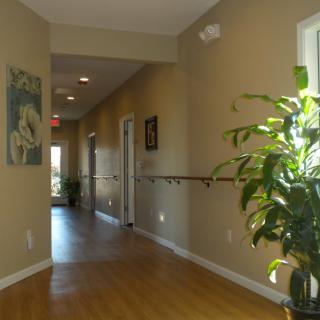
 Choosing the Right Senior Care: A Detailed Exploration of Assisted Living and Nursing Homes
 Understanding the True Cost of Assisted Living in 2025: A Comprehensive Guide
 Understanding Medicaid Coverage for Assisted Living: A Comprehensive Guide