
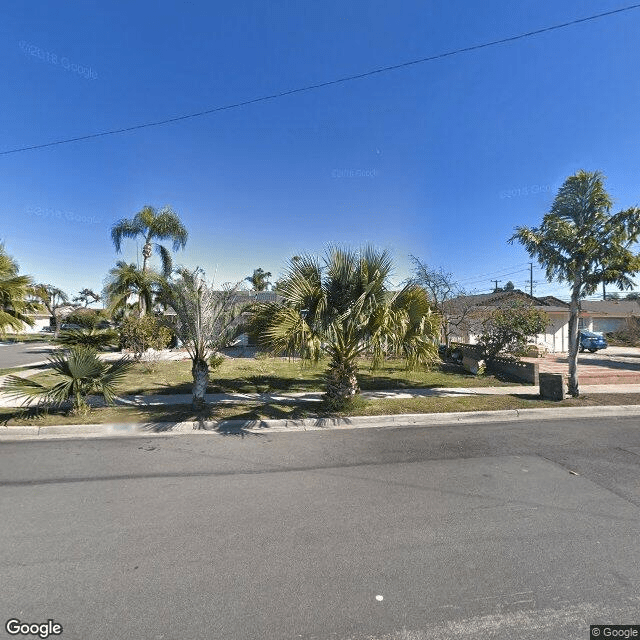
15460 Marlborough Circle, Westminster, CA 92683
For more information about senior living options: (866) 208-4318
Diamond Manor Costs & Pricing
At Diamond Manor, the monthly costs for various room types present a compelling value when compared to both Orange County and statewide averages in California. For semi-private accommodations, Diamond Manor charges $2,800, significantly lower than the county average of $3,431 and the state average of $3,333. Similarly, their studio units are priced at $2,800 as well, which is considerably more affordable than the averages of $4,313 in Orange County and $4,145 across California. Even for private rooms, priced at $3,600, Diamond Manor remains competitive compared to county rates of $4,104 and state averages of $3,939. Overall, Diamond Manor offers an attractive pricing structure that makes it an appealing option for those seeking quality care without compromising on affordability.
| Floor plans | Diamond Manor | Orange County | California |
|---|---|---|---|
| Semi-Private | $2,800 | $3,431 | $3,333 |
| Studio | $2,800 | $4,313 | $4,145 |
| Private | $3,600 | $4,104 | $3,939 |
Memory care communities with a similar price nearby
-
About the same
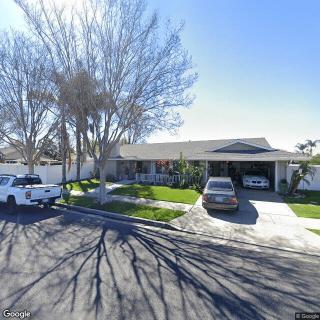
Candlewood Care Home III
$2,800 to $3,400 / month8.4 miles away -
from -$400 / mo
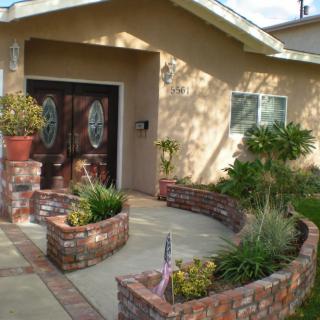
Living Well Care Home
$2,400 to $3,200 / month10.9 miles away -
About the same
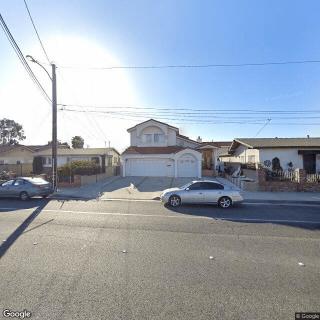
Leah Loving Elderly Care
$2,800 to $3,000 / month1.9 miles away -
from -$100 / mo
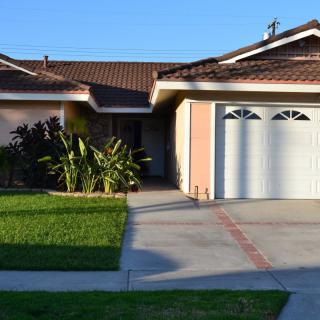
Loving Care Senior Home
$2,700 to $3,500 / month3.1 miles away -
from -$500 / mo
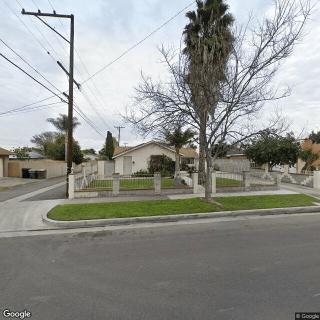
Bronwyn Residential Care
$2,300 to $3,500 / month6.3 miles away
Overall Review of Diamond Manor
Pros
 The facility was the perfect place for her mother.
- The house was always clean and smelled good.
- All food served was fresh and organic.
- They puréed food for her mother who had trouble swallowing.
- The owners and employees were very nice and welcoming.
- They cared for her mother as if she were family.
- The loved one moved into Diamond Manor, and the family was very satisfied.
- Diamond Manor is a well-kept, well-staffed community.
- They would definitely recommend Diamond Manor to other families.
- There was always someone in his room to ensure he was comfortable.
- Frequent calls updating his status were greatly appreciated.
- He was a valued resident while he was there.
Cons
 Unfortunately, he was only there a week before he passed.
Review
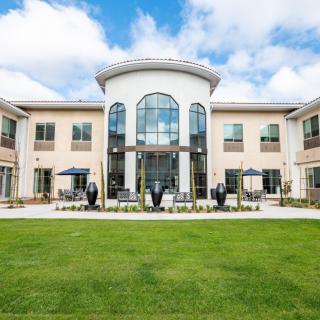
Diamond Manor in Westminster, CA is best suited for families seeking a warm, intimate assisted-living option where a loved one receives highly personal attention in a small-house setting. This community shines for seniors who value a home-like atmosphere over a institutional feel, and who thrive when staff members know their preferences, routines, and dietary needs by heart. It is especially fitting for residents who benefit from close caregiver engagement, consistent warmth from the care team, and a sense that staff treat residents with the affection and respect of family members. For families prioritizing safety, cleanliness, and a bridge between home comfort and assisted living structure, Diamond Manor delivers without the clinical intensity of larger campuses.
The strongest drivers are tangible: the property is well kept, and the everyday environment is clean and inviting. Meals are described as fresh and organic, with a demonstrated willingness to tailor nourishment to individual needs, including texture-modified options for swallowing difficulties. The care approach is personal and personable, with owners and staff consistently described as kind, welcoming, and genuinely invested in residing residents. This is not a generic, one-size-fits-all operation; the staff seem to adapt to quirks, preferences, and routines, which can make a meaningful difference in daily mood, appetite, and participation in small activities.
Communication and accessibility stand out as standout strengths. In one notable instance, Diamond Manor demonstrated remarkable flexibility by accepting a late discharge from hospital and setting up a room quickly, with a four-hour window to transition. Family members repeatedly note that there is almost always someone in a resident’s room, ensuring comfort and dignity, and that frequent calls keep families informed about status and progress. Even when a situation ends less happily, as with a brief stay for a family member, the staff’s attentiveness and the value placed on the resident’s comfort are unmistakable. This level of responsiveness is rare enough to be a decisive factor for families weighing options.
A candid consideration for families is whether the facility’s size and scope align with evolving medical needs. Diamond Manor functions effectively as a homelike setting with consistent, involved staff; however, those who require intensive medical oversight, a full-time RN on site, or memory-care specialization may want alternatives. Larger communities sometimes offer greater breadth of clinical services, more formal dementia care programming, and broader activity calendars. For residents whose needs are simply well-managed daily support with frequent personal interactions, Diamond Manor’s intimate model can outperform bigger campuses that feel more impersonal or bureaucratic.
When the cons are weighed against the pros, the balance tips decisively toward a nurturing, dependable choice for many families. The homey culture, meticulous upkeep, and explicit willingness to accommodate dietary and swallowing needs offset potential limitations in clinical depth. The consistent staff presence and proactive communication lessen anxiety around transitions, hospital discharges, and day-to-day uncertainties, delivering a sense of security that many seniors and families prize. In short, Diamond Manor succeeds by turning care into relationship: residents are known, meals feel attentive, and the environment feels safe and cared-for.
The bottom-line recommendation is clear. Diamond Manor is a compelling fit for families seeking a nurturing, attentive, home-like setting where staff are consistently warm, proactive, and available. It excels for residents who value personal connections, clean surroundings, and practical, flexible care that respects dietary needs and swallowing precautions. Those needing advanced clinical services, specialized memory-care programming, or a large-scale activity roster should compare options and ask pointed questions about nursing coverage, care planning, memory-care capabilities, and dietary accommodations. For many, this community offers peace of mind through genuine, hands-on care and a familial ethos that makes a difficult transition feel more manageable.
 6 resident community capacity
 Assisted Living
 Board and Care Home
 Memory Care
 Respite Care
 Cats allowed
 Dogs allowed
 Activities on-site
 Cable or satellite TV
 Dining room
 Fully furnished
 Garden
 Housekeeping services
 Move-in coordination
 Outdoor space
 Private
 Telephone
 Wi-Fi/high-speed internet available
 John Wayne Orange Co (6 miles away)
 24-hour supervision
 Assistance with bathing
 Assistance with dressing
 Assistance with transfers
 Diabetes diet
 High acuity care
 Meal preparation and service
 Medication management
 Special dietary restrictions
 Transportation arrangement (medical)
 Transportation to doctors appointments


 Assisted Living and Memory Care: Understanding Their Core Differences
 Choosing the Right Senior Care: A Detailed Exploration of Assisted Living and Nursing Homes
 Safeguarding Your Memory Through the Golden Years: Eight Ways to Preserve Cognitive Health