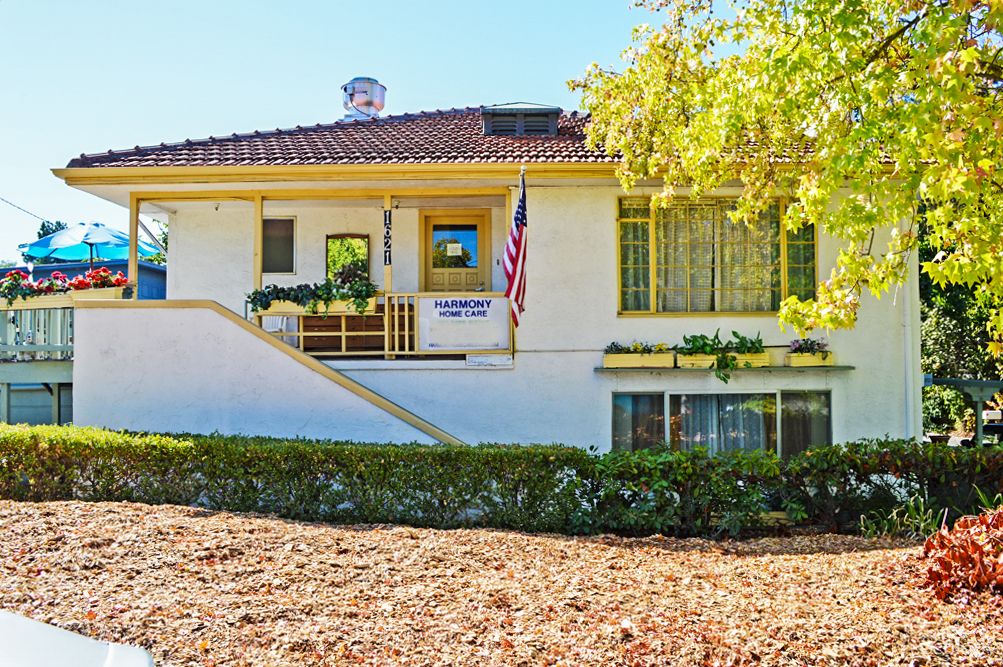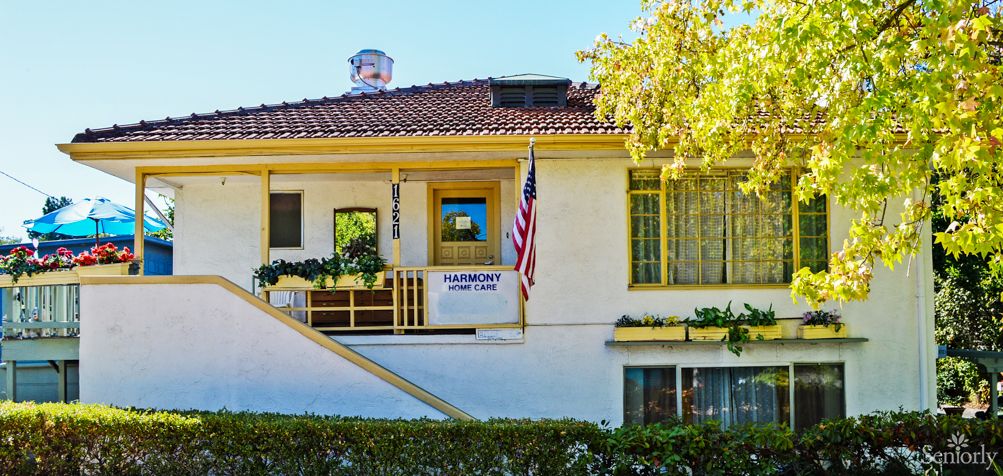









1621 3rd Avenue, Walnut Creek, CA 94596
For more information about senior living options: (866) 208-4318
Overall Review of Harmony Home Care (Walnut Creek)
Pros
 The owner and staff demonstrate genuine care for the most challenging cases on a daily basis.
- The staff provide 24/7 care with empathy and real concern for residents.
- This level of care and empathy from the team is rare in the industry.
- They take the time needed to address each resident’s diverse needs.
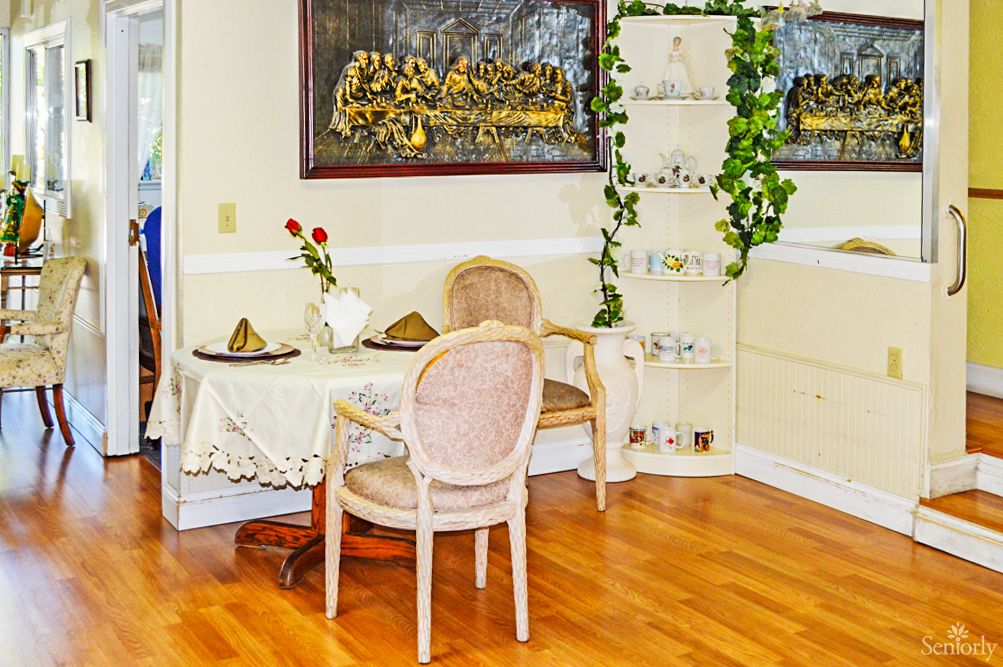
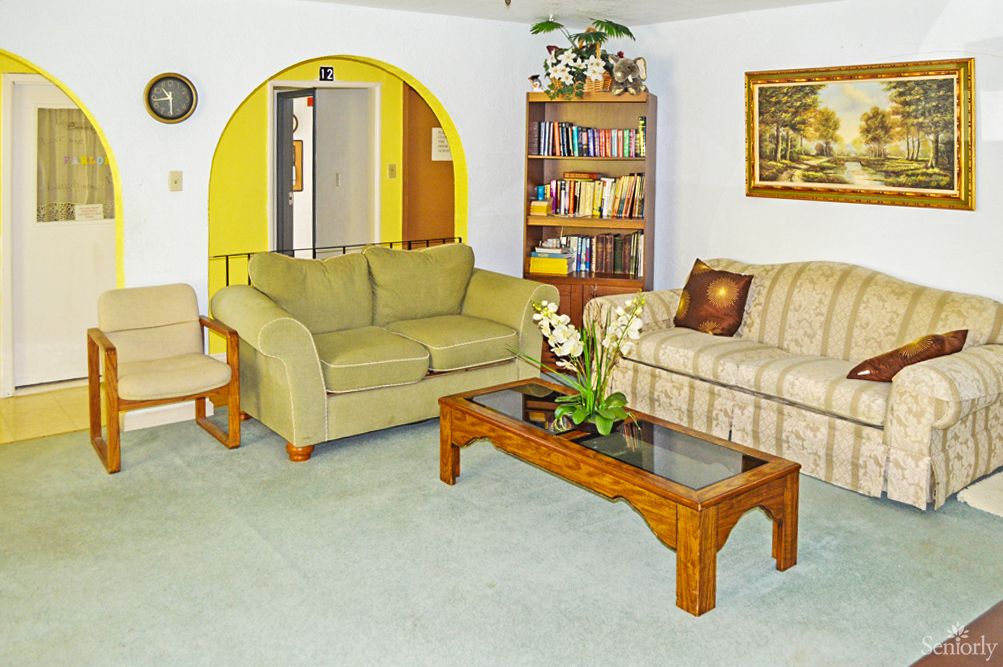
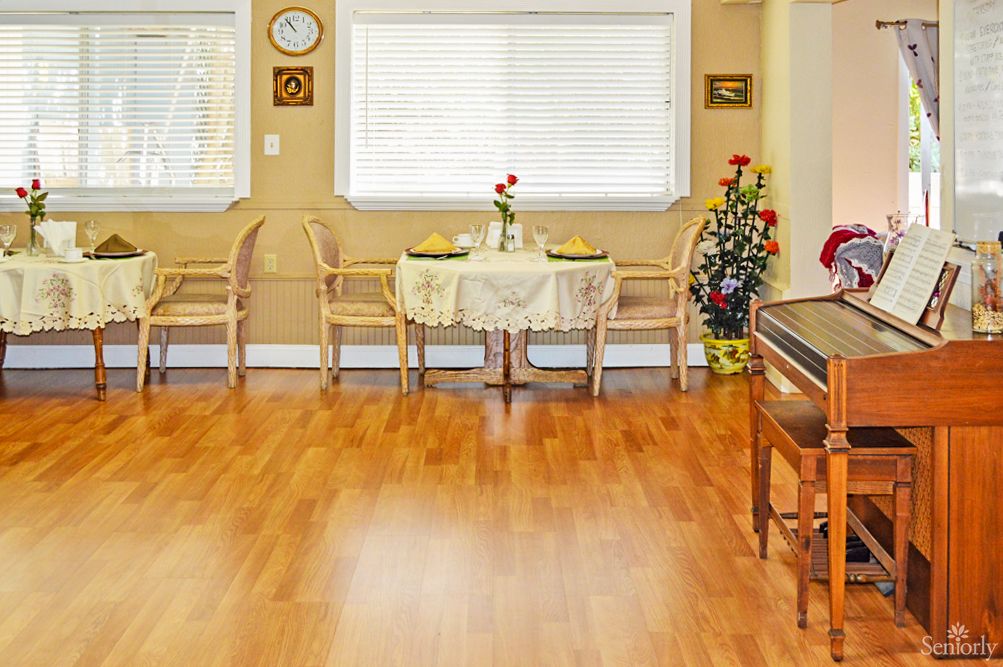
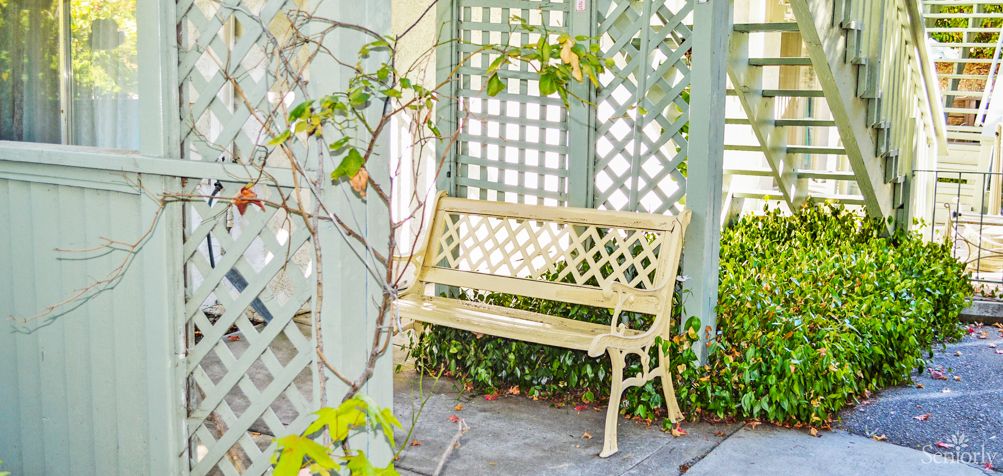
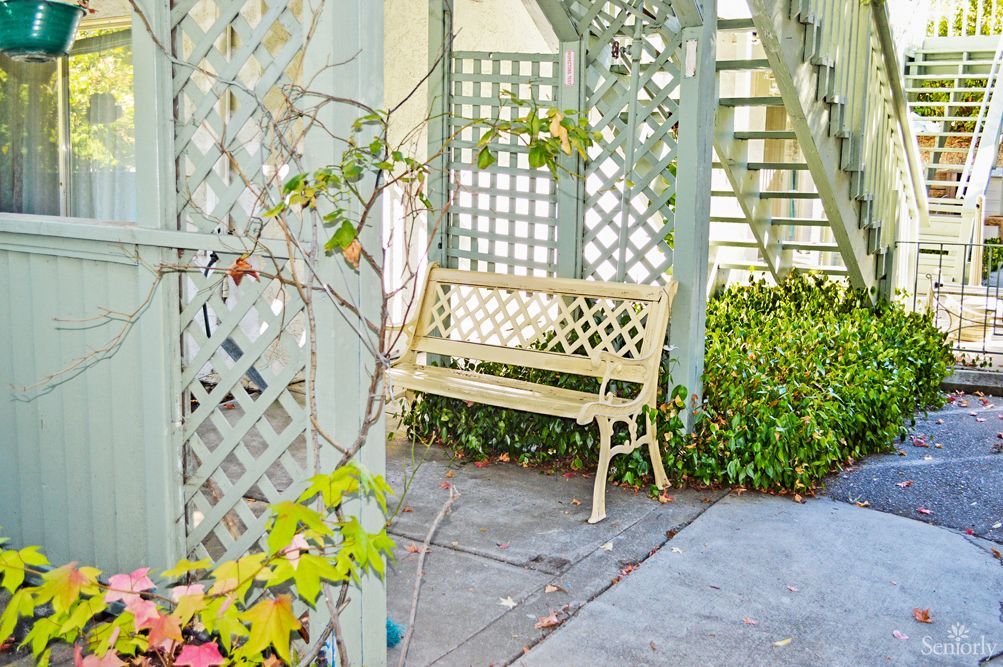
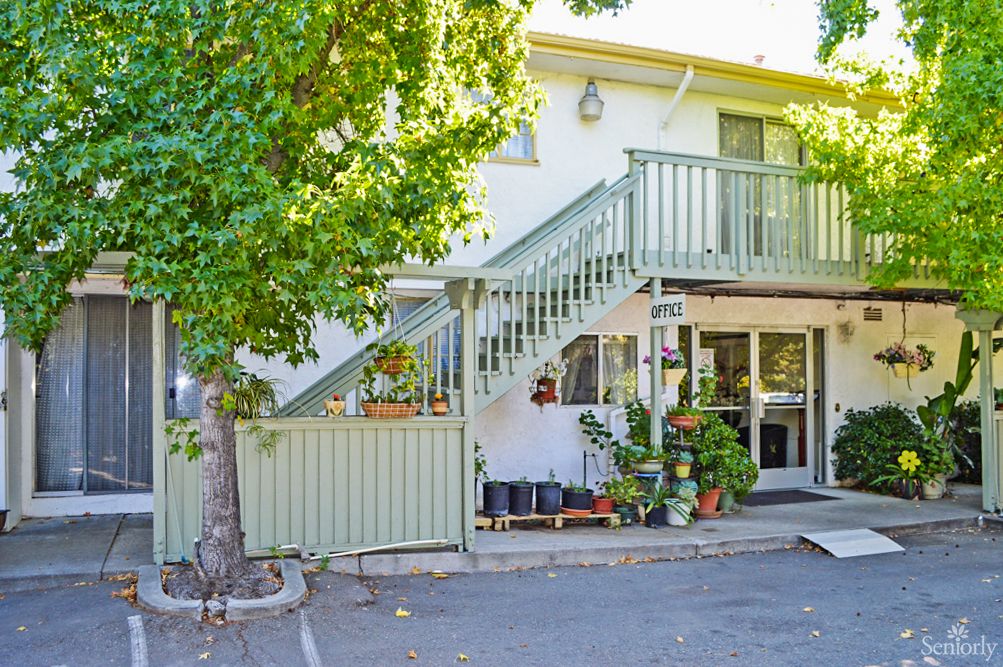
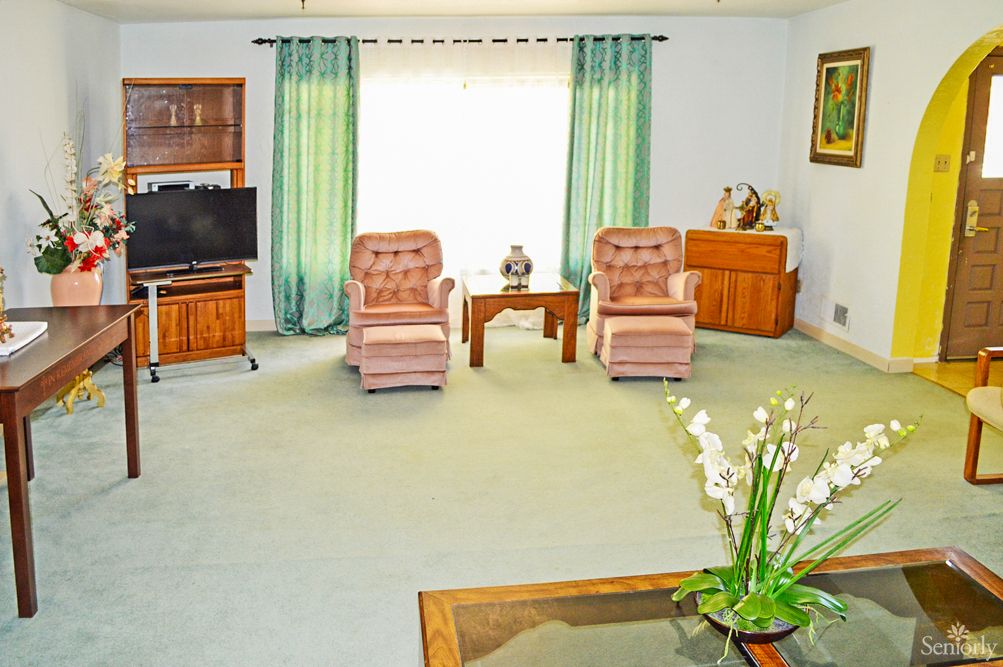
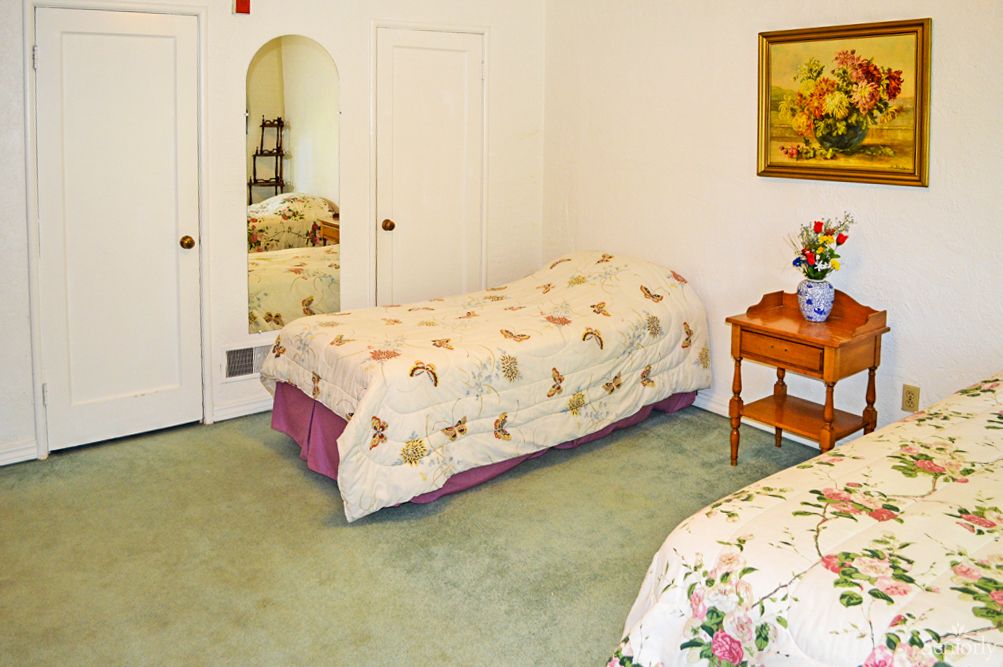
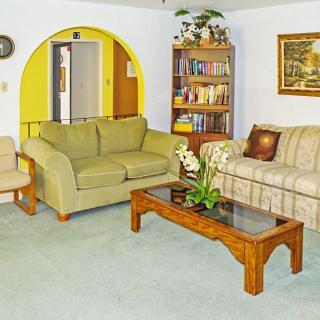
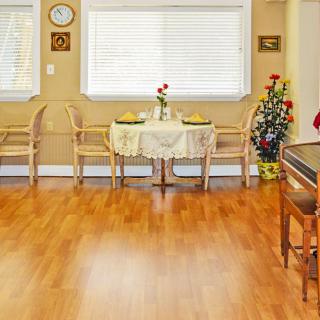
- The environment feels like a warm, lived-in home rather than a hotel.
- The sister feels safe and well cared for by Harmony Home’s staff.
Cons
 It is not a large facility.
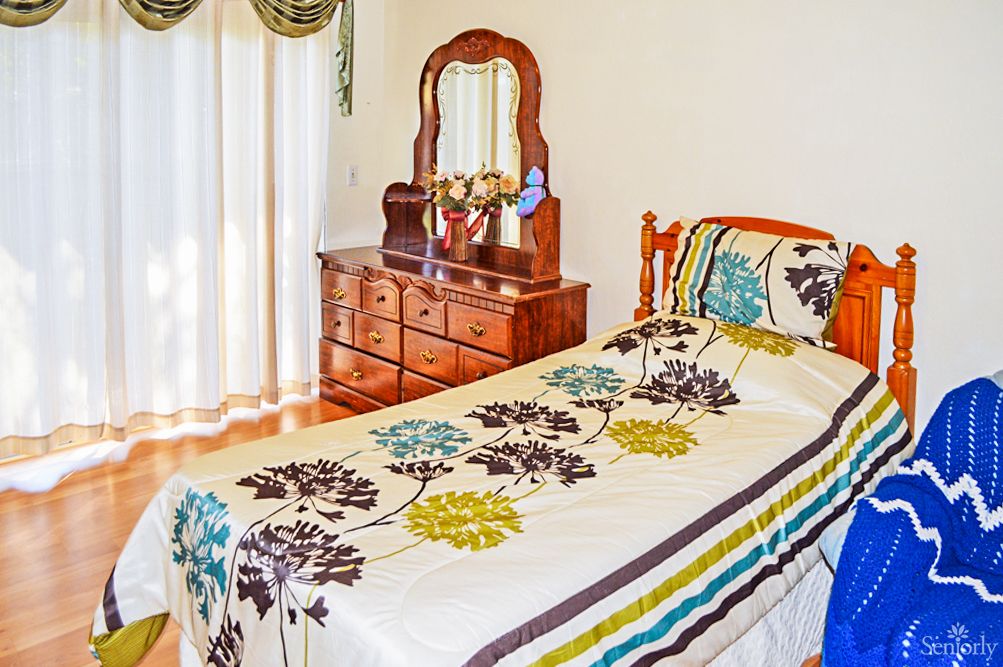
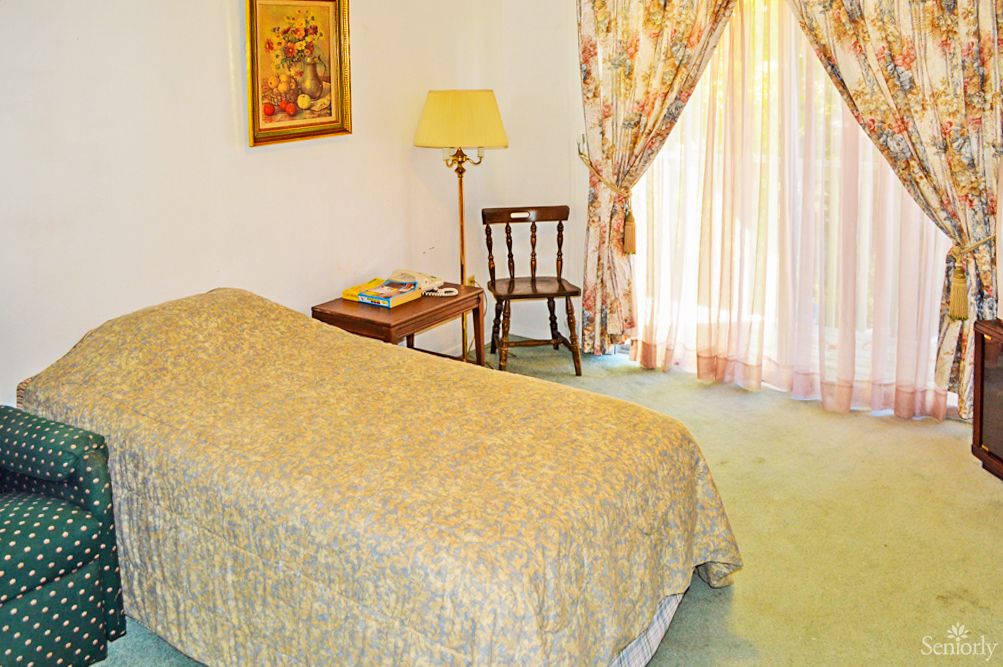
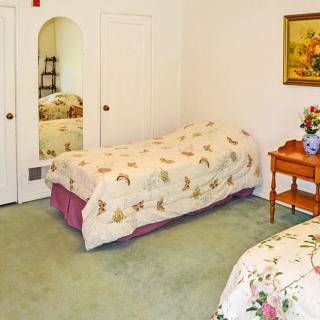
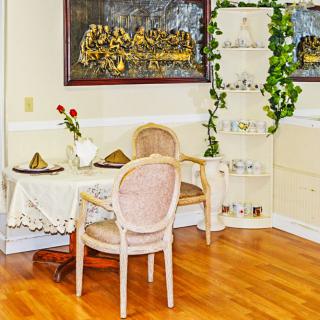
- It is not modern or up to date in terms of rooms and decor.
- The staff are short-staffed and overworked.
- It lacks modern upgrades and a hotel-like ambiance.
Review
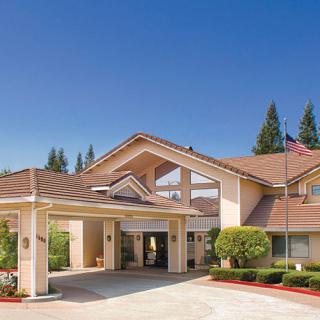
Harmony Home Care in Walnut Creek is best suited for families seeking a small, home-like setting that can reliably manage complex, high-need residents, particularly those with traumatic brain injury or other demanding behavioral challenges. The facility is not a glossy, modern campus, but it functions as a true lived-in home where caregiving is the priority. For families that value safety, consistency, and hands-on attention over upscale decor, this community offers a workable home base for difficult cases.
The strongest advantage lies in leadership and frontline care. The owner and the staff are described as deeply involved, delivering patient, continuous care around the clock. This level of dedication translates into meaningful stability for residents who require vigilant supervision and responsive support. In practice, that commitment shows up in daily interactions: staff who know the residents well, who respond promptly to needs, and who remain present with the individual, often making the difference between a tolerable day and a crisis averted. For families wrestling with a loved one who has stubborn, challenging behaviors, this is not a small perk but a decisive factor in choosing a place to trust with long-term care.
Yet the practical realities of Harmony Home Care are unmistakable. The setting is modest, with rooms and decor that won’t be mistaken for hotel-style luxury. The facility’s small footprint means a more intimate environment, but it also signals limited amenities and a cadence slower to upgrade than larger operators might offer. Staffing strains are acknowledged realities in this sector, and Harmony is not immune to them. The caveat is not a hidden deficiency so much as a reminder that the environment emphasizes care delivery over showroom polish, which may clash with expectations formed by newer, more commodified facilities.
Despite those trade-offs, the pros often more than offset the cons for the right resident. The ability to maintain a safe, predictable routine with caregivers who prioritize genuine connection can reduce anxiety for both residents and their families. For a person with TBI who has faced multiple placements and barriers to sustained care, Harmony’s consistent presence and empathetic approach provide a level of reassurance that becomes the primary value proposition. The reviewer’s experience, seeing a family member achieve stability and continued care where others could not, highlights how the care team’s commitment can trump aesthetic shortcomings when safety and trust are at stake.
That said, families should consider alternatives if certain preferences are non-negotiable. If a higher emphasis on polished interiors, resort-like amenities, or a broader slate of structured social programs matters, there are other communities that might align better with those goals. Some families might also prefer facilities with larger resident populations, more formalized activity schedules, or more extensive medical oversight. In those scenarios, Harmony’s strengths in caregiving would need to be weighed against the desire for a different ambience and programming scale.
In practical terms, Harmony Home Care represents a pragmatic, deeply person-centered choice for cases where the priority is reliable, compassionate care in a small, homey setting. It is not about flash or trendiness; it is about the confidence that a capable, attentive team will be present to meet severe needs every day. Families deciding to move forward should engage directly with the owner to understand care planning specifics, request a clear overview of staffing patterns and call/wait times, and arrange a day-in-the-life observations to ensure that the resident’s routines, cues, and preferences can be consistently accommodated. The right fit will feel less about appearances and more about the tangible peace of knowing a difficult case is being tended to with vigilance and heart.
 22 resident community capacity
 Assisted Living
 Memory Care
 Respite Care
 Beauty salon
 Cable or satellite TV
 Dining room
 Fully furnished
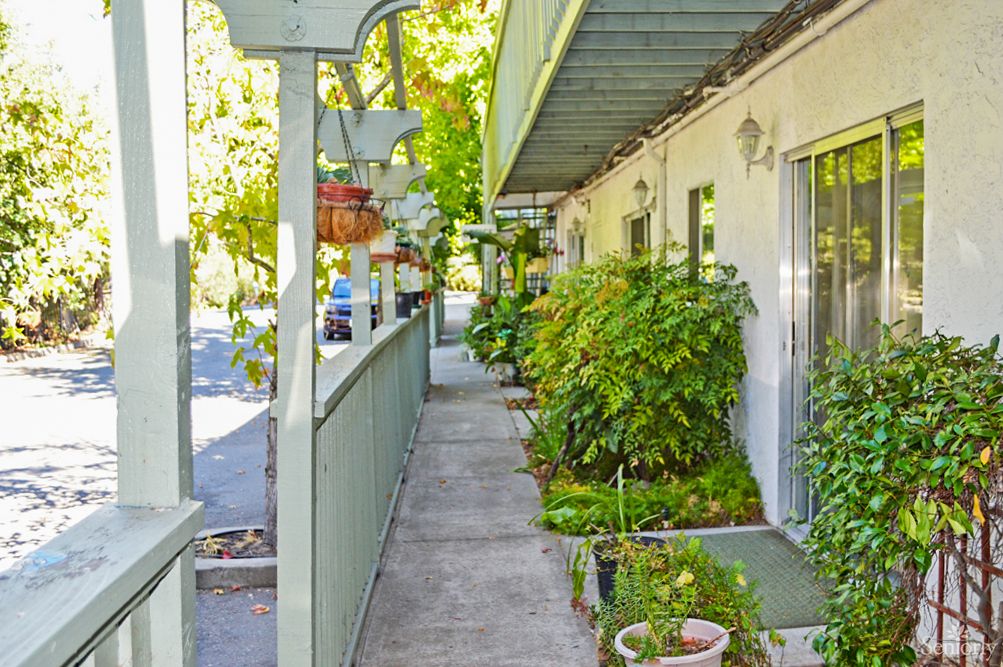
 Garden
 Housekeeping services
 Kitchenette
 Move-in coordination
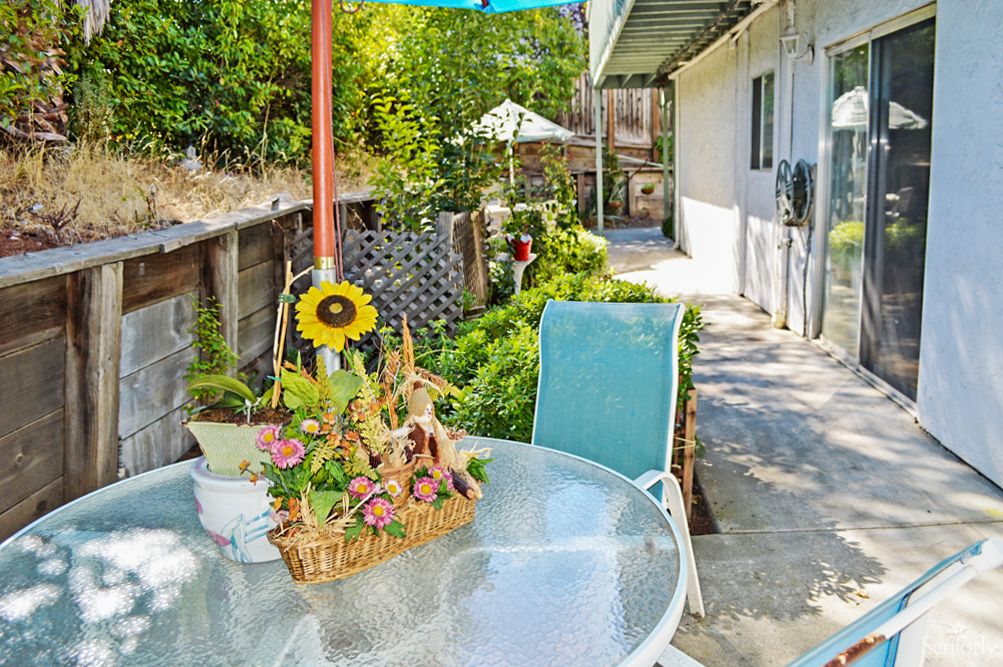
 Outdoor space
 Restaurant-style dining
 Small library
 Telephone
 Wi-Fi/high-speed internet available
 Metropolitan Oakland International (16 miles away)
 24-hour call system
 Activities of daily living assistance
 Assistance with bathing
 Assistance with dressing
 Assistance with transfers
 Diabetes diet
 Medication management
 Mental wellness program
 Special dietary restrictions






 Comprehensive Insights on the Late Stages of Dementia: What to Expect and How to Provide Care
 Medications Associated with Dementia Risk: A Comprehensive Overview
 Guiding Your Journey: Understanding Power of Attorney for Elderly Parents