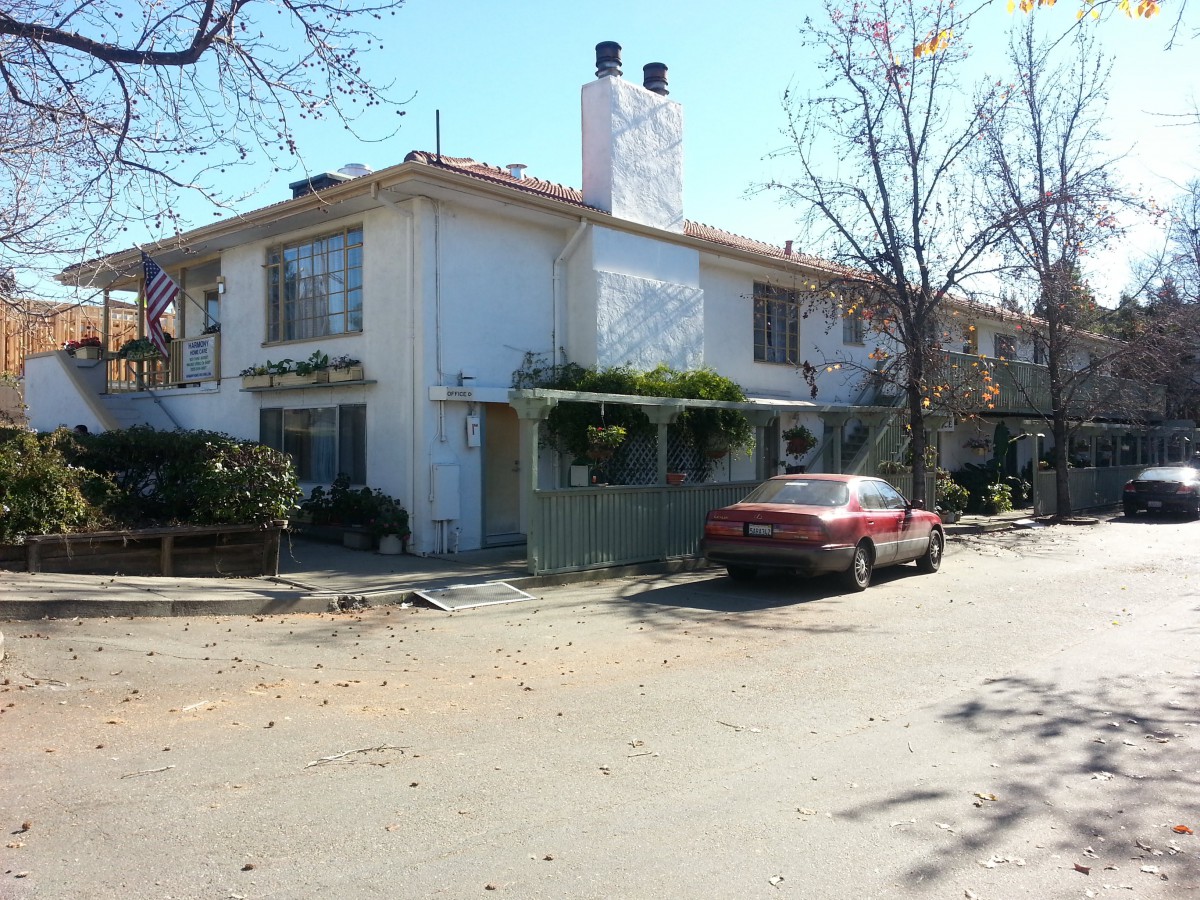
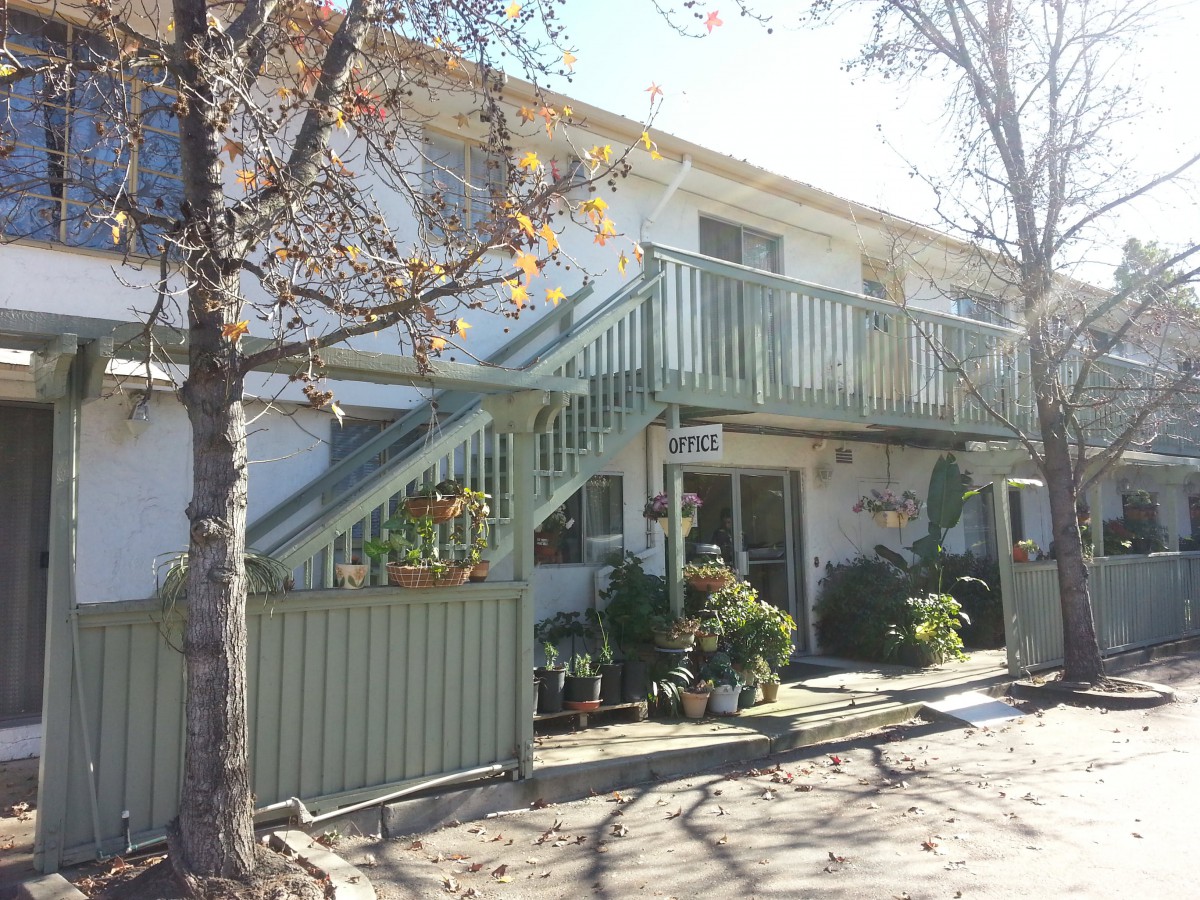
1621 Third Avenue, Walnut Creek, CA 94597
To contact a resident: (925) 934-8827
For more information about senior living options: (866) 208-4318
Harmony Home Care Costs & Pricing
Harmony Home Care offers competitive pricing for its services, with a monthly cost of $3,000 for semi-private rooms and $3,500 for private rooms. When compared to the broader market, Harmony Home Care presents a more economical option than the Contra Costa County averages of $3,471 for semi-private accommodations and $4,088 for private rooms. Additionally, even when measured against the overall state costs, which are $3,333 for semi-private and $3,939 for private living arrangements in California, Harmony Home Care maintains a favorable position. This pricing reflects their commitment to providing quality care while ensuring affordability for families seeking supportive living solutions.
| Floor plans | Harmony Home Care | Contra Costa County | California |
|---|---|---|---|
| Semi-Private | $3,000 | $3,471 | $3,333 |
| Private | $3,500 | $4,088 | $3,939 |
Senior living communities with a similar price nearby
-
About the same
Golden Harmony Elderly Care
$3,000 / month6.7 miles away -
from -$100 / mo
Parkside Manor
$2,900 to $3,600 / month19.0 miles away -
About the same
Laylor Care Home For The Elderly
$3,000 to $4,000 / month14.1 miles away -
from -$500 / mo
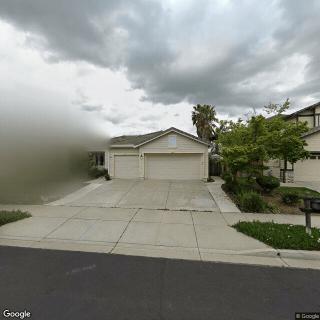
Brentwood Care Home
$2,500 to $4,000 / month19.4 miles away -
from +$500 / mo
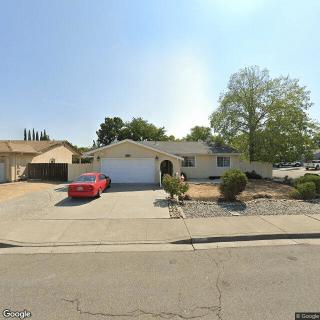
Gigi's Guest Home
$3,500 / month22.8 miles away
Overall Review of Harmony Home Care
Pros
 The owner and staff provide real care to the most difficult of cases on a daily basis, 24/7.
- This level of care and empathy is rare in the industry.
- The staff take the time needed with clients and their diverse needs.
- The home prioritizes genuine care over a fancy lobby or modern upgrades.
- The facility feels like a safe, lived-in home where residents are well cared for.
- The mom receives personal attention and a good level of care.
- The staff are very accommodating.
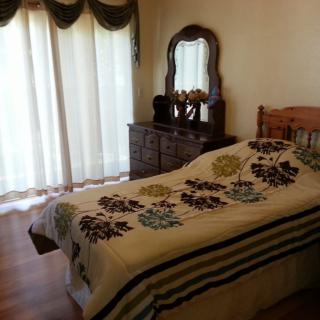
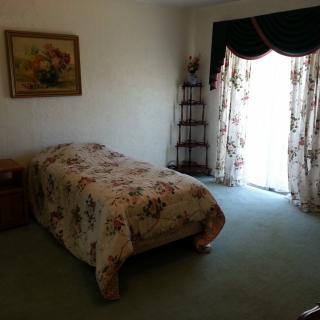
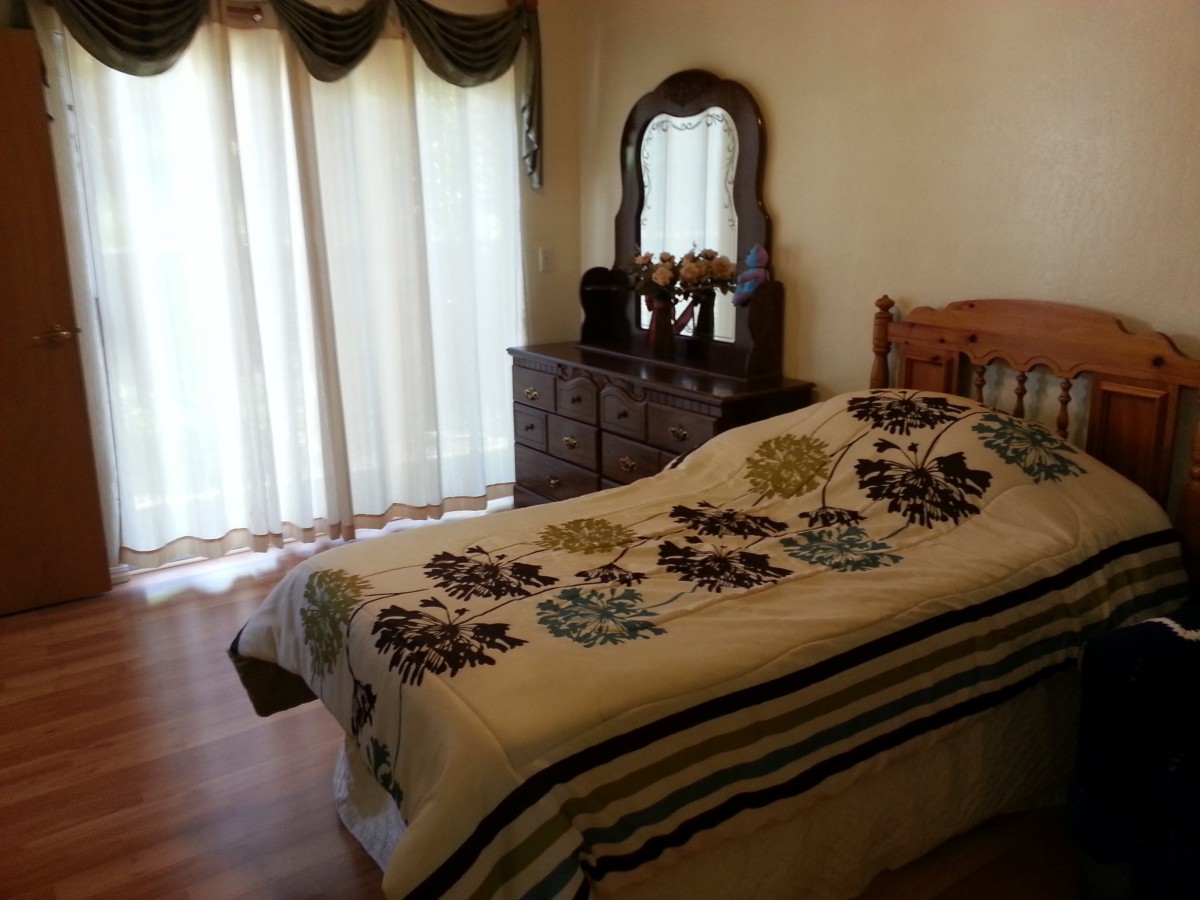
- The facility has been renovated in the last two years and looks beautiful.
- The caregivers are well trained, compassionate and caring.
Cons
 The facility is not large.
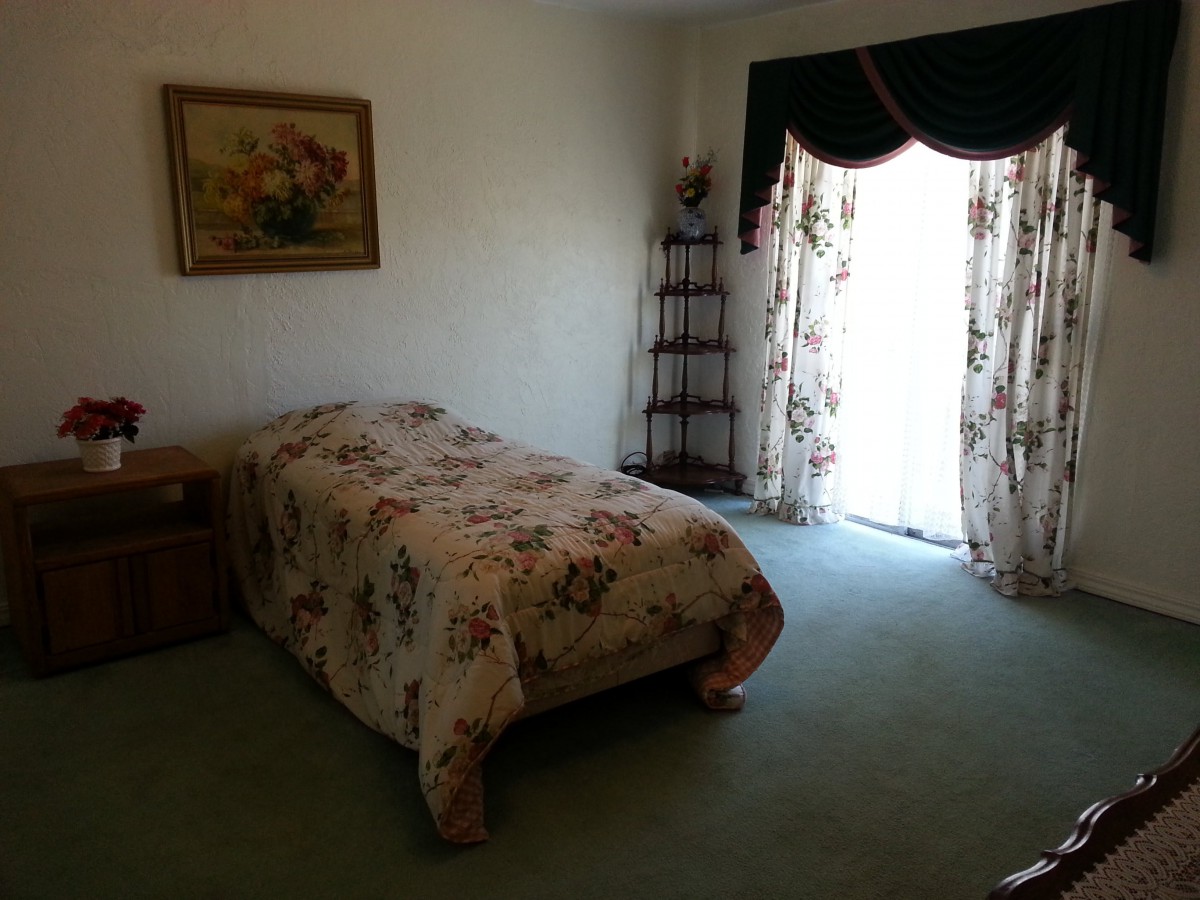
- The facility is not modern or up to date in terms of rooms and decor.
- The staff are short-staffed and overworked.
- The sister is described as a handful due to her Traumatic Brain Injury.
- There are quite a few similar assisted living facilities due to the difficult behaviors people with Traumatic Brain Injury typically have.
Review
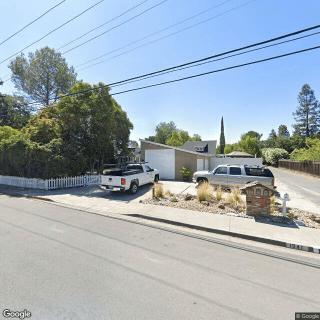
Harmony Home Care in Walnut Creek is best suited for families prioritizing a compact, home-like setting where daily life centers on steady, attentive care rather than upscale amenities. The community excels when the resident profile includes needs that circle around routine, safety, and practical support, especially for individuals with complex behaviors or neurological challenges such as traumatic brain injury. The staff’s continuity and the owner’s hands-on leadership create a reliable safety net, even when the building itself is modest. Prospective residents will sense a lived-in warmth over chrome-and-glass polish, and that warmth translates into predictable routines, meaningful check-ins, and a sense of belonging that often matters more than opulent décor.
For families evaluating options, this is not the place to chase a boutique hotel vibe or a sprawling campus with endless activities. The facility is small, not modern in its furnishings, and staffing can get thin, common realities in similar sectors. Those who require a high staff-to-resident ratio, highly structured memory-care programs, or a wide slate of organized outings may find the offerings insufficient. In short, alternatives should be on the radar for anyone whose expectations include abundant social programming, cutting-edge interiors, or advanced on-site medical capabilities.
Yet the core advantages tilt decisively toward the personal touch. The owner and caregivers demonstrate genuine care for residents across difficult cases, maintaining around-the-clock attention that translates to safety and stability. Residents with complex needs tend to receive the time and patience required to de-escalate behaviors and address daily challenges, which is a rare and valuable asset in this sector. The small footprint also allows staff to know residents well, adapt routines quickly, and respond without delay. Renovations in the last couple of years have refreshed common areas and rooms, improving the environment without compromising the home atmosphere that families value.
Where the potential downsides loom, the same strengths offer partial mitigation. Short staffing and the resultant heavy workloads can temper the breadth of activities and the immediacy of responses at peak times. However, the intimate setting often translates into fewer residents per caregiver, enabling closer relationships and more personalized attention when it matters most. The not-quite-modern decor matters less when trust, safety, and consistent caregiving are clear, and that equation aligns with families prioritizing dependable day-to-day quality of life over luxury touches.
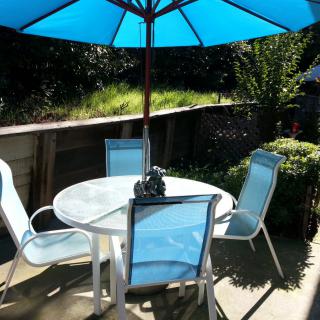
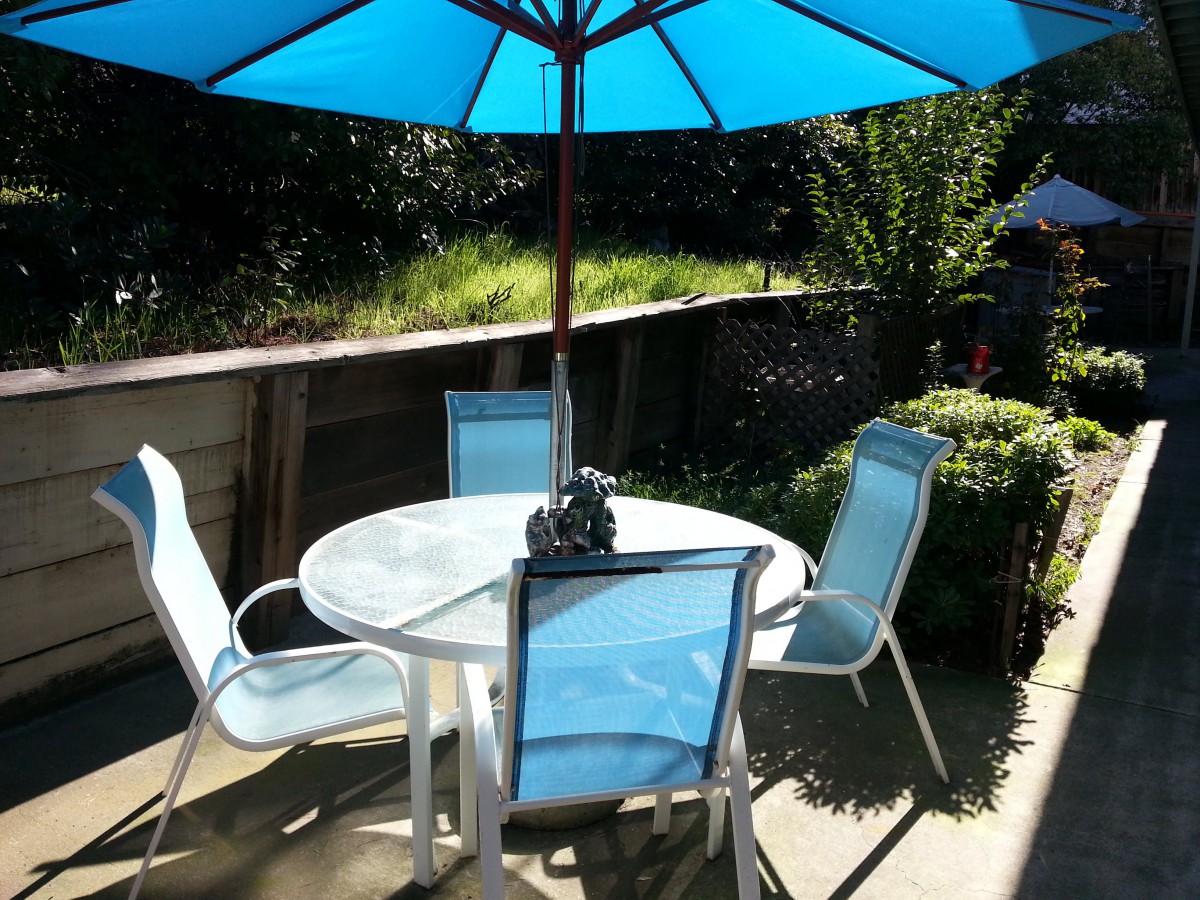
Families frequently report personal attention and satisfactory care for their loved ones, with simple but meaningful positives: home-style meals, a garden for outdoor strolling, a clean environment, and a caregiver team that feels well-trained and compassionate. The care narrative emphasizes reliability, safety, and a sense that a resident is genuinely known. Even with limited activities, the ability to access fresh air, enjoy meals, and maintain daily routines provides stability that supports long-term well-being in ways that amenity-rich facilities sometimes fail to deliver.
In the end, Harmony Home Care represents a prudent choice for those who value dependable, empathetic caregiving in a smaller, home-like setting and who can accept modest décor and a lean programming calendar. It is less suitable for families seeking luxury finishes, extensive social programming, or advanced medical or rehab services on-site. Prospective residents should visit to observe staff interactions, meet the owner, and gauge whether the resident’s preferences align with a simple, stable daily rhythm. When alignment exists, this community offers a trustworthy, practical option that reduces risk and nurtures daily quality of life.
 Board and Care Home
 Activities on-site
 Devotional services off-site
 Ground floor units
 Indoor common areas
 Private
 Wheelchair accessible showers
 Metropolitan Oakland International (16 miles away)
 Ambulatory care
 Diabetic care
 Incontinence care
 Meals provided
 Catholic services
 Jewish services

 Comprehensive Look at Senior Blood Pressure Charts: Normal and Elevated Levels by Age
 Top Canine Companions for Older Adults
 Comprehensive Guide to Blood Pressure Charts for Older Adults: Understanding Normal and High Readings by Age