Premier Memory Care Home offers competitive pricing for its services, with monthly costs that reflect the quality of care provided. For a semi-private room, residents can expect to pay $3,200, which is slightly above the Tulare County average of $3,076 but remains more affordable than the state average of $3,333. Those opting for a one-bedroom accommodation will find the cost at Premier Memory Care Home to be $3,900 - a reasonable choice compared to the county average of $3,563 and significantly lower than California's statewide average of $4,340. This positioning underscores Premier Memory Care Home's commitment to offering accessible and high-quality memory care in an environment tailored to enhance residents' well-being.
Floor plans
Premier Memory Care Home
Tulare County
California
Semi-Private
$3,200
$3,076
$3,333
1 Bedroom
$3,900
$3,563
$4,340
Memory care communities with a similar price nearby
Residents and families describe attentive, compassionate caregivers.
Many reviews focus on the staff being attentive, helpful, and patient with residents as needs change. Families also mention communication and responsiveness during difficult periods, including end-of-life support. Several reviewers describe staff treating residents with dignity and respect, and they express peace of mind that their loved ones were well cared for.
common4 reviews mention this
Clean, well kept home
Multiple residents’ families emphasize a consistently clean environment.
A handful of reviews highlight cleanliness and an overall sense that the facility is well maintained. Reviewers also describe the home as efficiently run and welcoming when they visited. Cleanliness is paired with staff attention, with families saying they felt confident about where their loved one lived.
differentiator7 reviews mention this
Home-like atmosphere stands out
Reviews repeatedly describe a small, home-like setting.
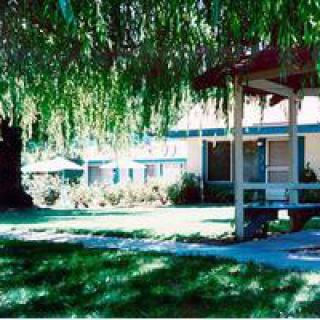
Several reviews say the environment feels like home rather than a larger facility, with a warm, inviting atmosphere. People mention private space and smaller-group living as part of why it felt comfortable for them and their loved ones. The community also has outdoor space that reviewers describe as part of what makes visits feel less institutional.
differentiator4 reviews mention this
Memory care for dementia needs
Families describe support tailored to dementia and memory care.
A few reviewers specifically connect the care to dementia, describing how their loved one was supported through decline. One family explains that they sought a memory-care option when dementia care needs grew. Another review highlights that the community is a memory care home where dignity, respect, and loving treatment were central to the experience.
common2 reviews mention this
24-hour support is mentioned
Some reviews mention around-the-clock coverage and oversight.
Two reviews describe 24-hour or 24/7 care and say they always felt someone was watching over their loved one. In these accounts, families link that constant attention with comfort and peace of mind. While not every review uses the same wording, the idea of continuous support comes up more than once.
common3 reviews mention this
Activities and holiday moments
Residents are described as having activities and holiday celebrations.
Several reviews mention engaging activities for residents, including ways families could see or hear what was happening. One reviewer also describes holiday decor and special celebrations as part of the day-to-day experience. Reviews combine activities with the home-like atmosphere to reinforce that the community feels personally attended.
How we summarize
Counts show how many written reviews mention each theme; a review can touch several themes, and only frequently mentioned themes are displayed.
Features
Types of Care
Assisted Living
Board and Care Home
Memory Care
Amenities
Activities on-site
Devotional services off-site
Indoor common areas
Outdoor common areas
Private bathrooms
Respite or short term stays offered
Wheelchair accessible showers
Care Services
Ambulatory care
Diabetic care
Incontinence care
Dining
Meals provided
Activities
Activities on-site
Devotional activities offsite
Nearby Places of Interest
This part of Visalia, California offers a variety of amenities and services that may appeal to seniors looking for a convenient and comfortable living environment. With several places of worship nearby, individuals can easily maintain their spiritual practices. Additionally, there are multiple pharmacies and healthcare facilities in close proximity, providing easy access to medical care. The numerous parks in the area offer opportunities for outdoor recreation and relaxation, while the selection of restaurants and cafes cater to a range of culinary preferences. The presence of theaters also ensures that residents have entertainment options within reach. Overall, this part of Visalia presents a well-rounded and convenient setting for senior living.
Places of Worship
Parkside Chapel (0.8 miles)
Evangel Assembly of God (0.9 miles)
Gateway Church of Visalia (2.5 miles)
Visalia Community Covenant Church (2.9 miles)
Carrboro Church Of God (3.4 miles)
Pharmacies
Rite Aid (0.8 miles)
Save Mart Supermarkets (1.7 miles)
Walgreens (1.8 miles)
South Court Pharmacy (1.8 miles)
Valley Pharmacy Services (2.6 miles)
Total Healthy Lifestyle (2.8 miles)
Visalia Pharmacy (3.2 miles)
Physicians
Orthopaedic Associates Medical Clinic (1.1 miles)
Bright Pediatrics & Echocardiography (1.7 miles)
Visalia Women's Specialty Medical Group (1.8 miles)
Sobieralski Ted J MD PhD Mineral King Pediatric Associates (1.8 miles)
Bankim Dalal, MD (1.8 miles)
Visalia Cardiovascular and Medical Center (2.2 miles)
Premier Memory Care Home offers competitive pricing for its services, with monthly costs that reflect the quality of care provided. For a semi-private room, residents can expect to pay $3,200, which is slightly above the Tulare County average of $3,076 but remains more affordable than the state average of $3,333. Those opting for a one-bedroom accommodation will find the cost at Premier Memory Care Home to be $3,900 - a reasonable choice compared to the county average of $3,563 and significantly lower than California's statewide average of $4,340. This positioning underscores Premier Memory Care Home's commitment to offering accessible and high-quality memory care in an environment tailored to enhance residents' well-being.
Incontinence care is a crucial aspect of memory care services as it directly impacts the dignity, comfort, and overall well-being of residents with dementia or Alzheimer's disease. For individuals facing cognitive decline, managing incontinence can become increasingly challenging, leading to feelings of embarrassment or anxiety. By providing specialized incontinence care, Premier Memory Care Home ensures that residents receive respectful and compassionate assistance tailored to their specific needs. This proactive approach not only helps maintain personal hygiene but also fosters a sense of security and independence for residents, allowing them to focus on engaging in meaningful activities rather than worrying about potential accidents. Ultimately, this level of care contributes to an enhanced quality of life for those living with memory impairments.
Nearby Communities
Premier Memory Care
Visalia, CA
4.6 from 40 reviews
$3,000 to $3,900 / month
Private rooms and a smooth transition, with experienced long?term caregiving.
Dignity Senior Living: Visalia CA
Visalia, CA
Comprehensive care and amenities: 24/7 supervision, medication management, ADL assistance, dining, housekeeping, and activities.
T.L.C Assisted Living For Seniors
Visalia, CA
4.9 from 8 reviews
Warm, attentive staff in a clean, home-like small community.
TLC Assisted Living-Seniors
Visalia, CA
5 from 6 reviews
Combined independent/assisted living with on-site activities and diabetic care.
Glory Days
Visalia, CA
4.8 from 57 reviews
$3,100 / month
Family-like atmosphere with attentive staff and comprehensive memory care.
Casa Grande Senior Care Home
Visalia, CA
3.9 from 19 reviews
$3,800 / month
Helpful owners, high-quality care, and a clean, home-like environment.
Quail Park at Shannon Ranch
Visalia, CA
4.8 from 29 reviews
$4,525 to $6,725 / month
Luxurious, hotel-style setting with attentive staff and engaging daily activities.
The Meadows
Visalia, CA
3.9 from 19 reviews
$500 / month
Clean, well-maintained apartments with prompt maintenance and engaging activities.
Sequoia Transitional Care
Porterville, CA
3.8 from 56 reviews
Family-owned with community-focused care and multi-location stability.
"Memory Care Pathways: A Holistic Guide to Dementia Support" outlines the complexities of dementia and its various types, emphasizing early detection, patient-centered care strategies, caregiver support, and long-term care options while addressing legal and financial considerations to enhance the quality of life for individuals with dementia and their families.
Sundown syndrome, or sundowning, is a phenomenon in dementia patients characterized by increased confusion and agitation during late afternoon and evening, influenced by factors like disrupted circadian rhythms and fatigue. Effective caregiver strategies include establishing routines and managing environmental light while addressing caregiver stress through support services.
Delirium is a rapidly onset, reversible cognitive disturbance often caused by acute medical issues, while dementia is a gradual and irreversible decline due to chronic neurodegenerative diseases. Accurate differentiation between the two is essential for appropriate treatment and management in older adults.
Get PricingAsk A QuestionSchedule A TourContact Senior Advisor
By clicking submit, you agree to our Partner's Terms of Use. You
also consent to receive calls and texts, which may be autodialed, from our Partner. Your consent is not a condition to
using our Partner's service. Please visit our Partner's Privacy Policy for information about their privacy practices.




 Assisted Living
 Board and Care Home
 Memory Care
 Activities on-site
 Devotional services off-site
 Indoor common areas
 Outdoor common areas
 Private bathrooms
 Respite or short term stays offered
 Wheelchair accessible showers
 Ambulatory care
 Diabetic care
 Incontinence care
 Meals provided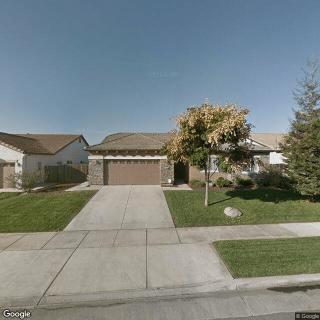
 Private rooms and a smooth transition, with experienced long?term caregiving.


 Memory Care Pathways: A Holistic Guide to Dementia Support
 Comprehending Evening Confusion in Dementia: Causes, Manifestations, and Support
 Delirium and Dementia: Unraveling the Key Differences