
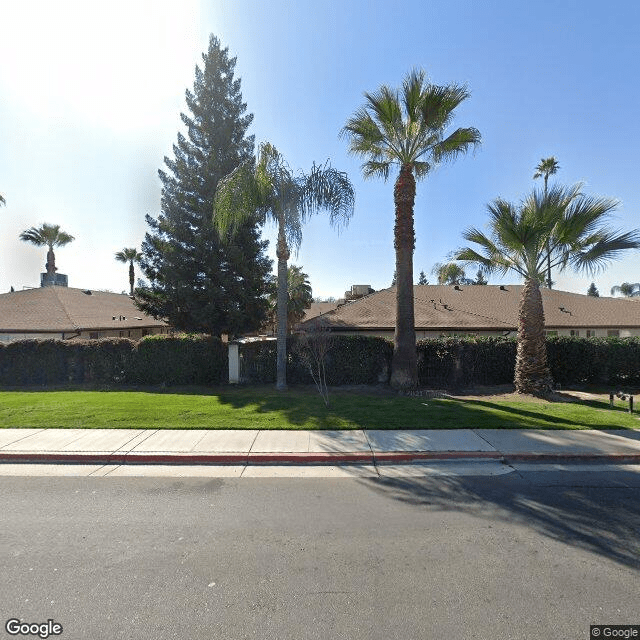
347 E. Walnut Ave., Visalia, CA 93277
To contact a resident: (559) 733-0233
For more information about senior living options: (866) 208-4318
Casa Grande Senior Care Home Costs & Pricing
Casa Grande Senior Care Home offers a competitive monthly rate of $3,800 for its studio accommodations, which positions it slightly above the average cost in Tulare County at $3,659. However, it remains more affordable than the broader California state average of $4,145. This pricing strategy reflects Casa Grande's commitment to providing quality care and comfortable living environments while remaining accessible compared to other options within the state. Residents can expect a blend of personalized service and community engagement that enhances their overall experience.
| Floor plans | Casa Grande Senior Care Home | Tulare County | California |
|---|---|---|---|
| Studio | $3,800 | $3,659 | $4,145 |
Memory care communities with a similar price nearby
-
from -$700 / mo

Glory Days
$3,100 / month1.1 miles away -
from +$725 / mo
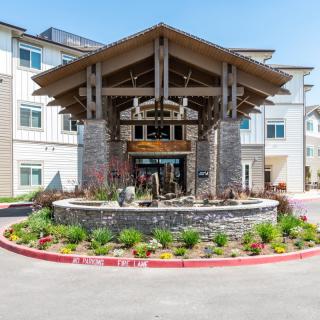
Quail Park at Shannon Ranch
$4,525 to $6,725 / month1.1 miles away -
from -$600 / mo
Premier Memory Care Home
$3,200 to $3,900 / month1.5 miles away -
About the same
Jordeth Senior Care Home
$3,800 to $4,000 / month2.9 miles away -
from +$200 / mo
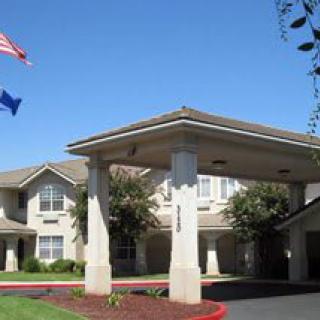
Prestige Assisted Living At Visalia
$4,000 to $5,975 / month2.3 miles away
Overall Review of Casa Grande Senior Care Home
Pros
 The staff at Casa Grande is very professional.
- The facility is immaculate.
- The staff is welcoming and makes residents feel at home.
- They take delicate care of residents.
- Casa Grande owners and staff ease families facing the decision to move a loved one to assisted living.
- The facility provides care of the highest quality.
- The food is very good.
- The facility is very clean, cozy, and homey.
- Residents' quality of life improves after moving in.
Cons
 It was difficult to place her mother in the facility because she did not want to go.
- Having to move a family member to assisted living is very hard.
- The facility has potential but is on the expensive side.
- The assisted living unit is too large.
- The Alzheimer's building is too advanced.
Review
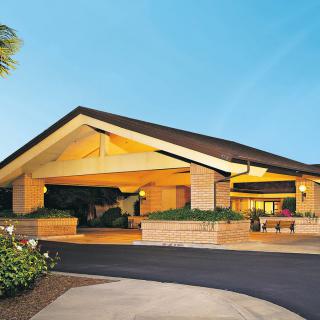
Casa Grande Senior Care Home in Visalia is best suited for families seeking a warm, family-owned environment where seniors receive highly personal attention in a home-like setting. It excels for residents who benefit from steady, compassionate staff, a tidy and welcoming atmosphere, and clear, honest communication about expectations. The facility’s emphasis on professionalism and cleanliness creates a sense of reliability that matters during transitions into assisted living, especially for individuals with memory challenges or recent health setbacks. For families prioritizing a close-knit, “regular-people” atmosphere rather than a large corporate campus, this community delivers an experience anchored in personal touch and consistent caregiving.
That said, alternatives warrant careful consideration for certain profiles. Some families will find the price point higher than initially expected, and the cost can influence the decision when long-term budgeting is a priority. The building itself is described as sizeable and distinctly specialized in memory care areas, which may not align with every resident’s needs or every family’s expectations for a more generalized assisted-living layout. Prospective movers should compare with larger campuses that offer broader activity calendars, different resident densities, or more flexible programming if those elements weigh heavily in the choice.
The strongest pros center on the staff and the environment. Staff are consistently described as professional, welcoming, and attentive, and the owners’ hands-on, family-owned approach translates into honest conversations about what is feasible. The facility is repeatedly praised for being immaculate, clean, cozy, and homey, with meals regarded as good to excellent. Families notice that care feels personalized rather than impersonal, and visitors report a sense of ease in interactions with caregivers, which can ease the emotional burden of relocating a loved one. For residents with dementia or post-stroke recovery needs, the quality of care and the stability of daily routines are meaningful advantages.
Nevertheless, the cons carry enough weight to influence decisions for certain households. Expense is frequently cited as a notable hurdle, especially for families navigating long-term financial planning or comparing options across Visalia. Some reviewers point to the campus’s size and the advanced nature of its Alzheimer’s wing as potential mismatches: the setting may feel too expansive for those seeking a more intimate footprint, or too specialized for residents who do not require secure memory-care accommodations. A few experiences also reflect variability in satisfaction, reminding families that outcomes can differ by individual needs, staff shifts, and expectations about activity levels or medical oversight.
When the positives offset the negatives, Casa Grande earns a compelling case for the right buyer. The combination of a genuine family ethos, transparent communication, pristine facilities, and a robust safety net in memory care provides meaningful reassurance for families facing difficult care decisions. The home-like atmosphere reduces relocation stress, the dedicated staff tends to residents with a steady rhythm, and the secure wing offers necessary protections without sacrificing a sense of autonomy for those in memory care. In short, for families who value intimate, well-staffed care and are prepared to manage a higher price or a larger physical footprint, Casa Grande stands out as a practical, trustworthy option.
For those evaluating options, a concrete path helps reduce risk. Schedule a firsthand visit to observe staffing levels, talk with the owners about care planning, and request a transparent cost breakdown with all add-ons and services spelled out. Assess whether the lifestyle and privacy preferences align with a home that purposely leans into a family-owned model and a cozy, community feel. If budget is flexible and the priority is a steady, respectful caregiving culture with strong dementia or post-acute support, Casa Grande is highly recommendable. If low-cost options, a smaller footprint, or broader daily programming take precedence, it may be wise to explore alternatives before committing.
 Assisted Living
 Memory Care
 Activities on-site
 Devotional services off-site
 Indoor common areas
 Ambulatory care
 Diabetic care
 Meals provided

 Delirium and Dementia: Unraveling the Key Differences
 Are Dementia and Alzheimer's Disease Lethal? A Comprehensive Exploration
 Exploring the Power of Reminiscence Therapy for Individuals With Dementia