
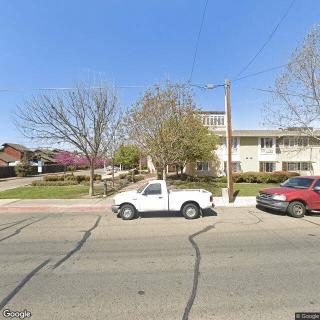
417 East Walnut Avenue, Visalia, CA 93277
For more information about senior living options: (866) 208-4318
Overall Review of Casa Grande Senior Care Home 2
Pros
 The staff at Casa Grande was very professional.
- The facility was immaculate.
- The staff was very welcoming and made residents feel at home.
- Casa Grande is a great family business that takes delicate care of its residents.
- The owners and staff of Casa Grande make the transition to assisted living a little easier.
- They are a wonderful family and treat everyone with great care.
- The mother who suffered dementia and a stroke is doing very well and improving daily.
Cons
 Having to make the decision to move family to assisted living is very hard.
Review
Casa Grande Senior Care Home 2 in Visalia, CA is best suited for families seeking a small, intimate, family‑run setting where residents are treated with genuine warmth and deliberate attention. The community shines for those who want a home-like atmosphere backed by professional, courteous staff and a gleaming, well‑kept environment. It is especially well aligned with families navigating dementia care or recovery from a stroke, where the residents’ daily progress, comfort, and sense of safety are paramount. When the goal is to balance tender, individualized caregiving with a welcoming, non-institutional tone, this home presents a compelling fit. The combination of a strong, caring lineage and a clean, orderly facility helps families feel confident about a loved one’s daily life and routine.
That said, some families should consider alternatives if their priorities tilt toward more extensive medical services, broader programming, or larger-scale operations. The reviews hint at variability in experiences, and the overall rating distribution suggests that not every family will have the same level of satisfaction. For residents who require highly specialized clinical oversight, extensive 24/7 nursing capacity, or a wide array of structured activities, a bigger community with more formal infrastructure may be a better fit. Prospective residents facing complex medical needs or seeking a wide network of social options will want to compare options with greater scale and more visible resources.
The strongest pros here are clear and compelling. First, the staff’s professionalism stands out, caregivers who are attentive, respectful, and effectively coordinated. Second, the facility itself is described as immaculate, with a clean, orderly, and inviting environment that reinforces a sense of dignity and safety. Third, the family-owned nature of the operation comes through in the warmth of interactions and the unmistakable care the owners provide. This personal touch translates into tangible benefits: residents feel at home, families experience reduced stress during transitions, and caregivers seem able to tailor routines with a level of flexibility that larger chains often struggle to sustain. There is also credible alignment with dementia and stroke recovery stories, where residents appear to show improvement and maintain a hopeful pace of progress, bolstering trust in the care plan.
Those strengths offset several notable considerations, but not all. The intimate, family-driven model can mean more individualized attention and a nuanced touch, which is a significant offset for families prioritizing dignity, connection, and continuity of care. However, the smaller footprint can lead to variability in experiences across different days or staff shifts, and families sensitive to institutional rigidity may find the pace and programming narrower than in larger facilities. For those evaluating options, the key offset is the direct access to owners and a cohesive caregiving team who know residents’ histories and preferences intimately; the potential trade-off is that some families may crave more expansive activities, a deeper clinical bench, or a broader network of specialists than a home setting typically sustains.
In practical terms, families should weigh how much they value a truly home-like, family‑led environment against the potential need for broader services. For dementia care and post-stroke rehabilitation, Casa Grande presents a compelling, almost restorative setting where progress is possible and the daily experience of residents feels respectful and humane. The staff’s approach appears to ease the emotional burden of moving into assisted living, with a sense that the transition is handled with empathy and clarity. Still, prospective residents are wise to visit, speak candidly with the team about care plans, and review the exact level of medical support and programming available to ensure alignment with current needs and anticipated changes.
The bottom line is clear. Casa Grande Senior Care Home 2 is a strong recommendation for families prioritizing a warm, patient-centered, small-community atmosphere led by a genuine family business. It excels where personal attention, cleanliness, and compassionate handling of dementia and stroke recovery matter most. Alternatives should be strongly considered for those requiring robust clinical services, expansive social programs, or larger on-site resources. For families who want a care setting that feels almost like a trusted relative’s home, where staff know residents by name, care plans are tailored, and improvements in daily function can be observed, Casa Grande stands out as a sound, practical choice in Visalia.
 46 resident community capacity
 Assisted Living
 Respite Care
 Beauty salon
 Cable or satellite TV
 Dining room
 Fully furnished
 Garden
 Housekeeping services
 Kitchenette
 Move-in coordination
 Outdoor space
 Restaurant-style dining
 Small library
 Telephone
 Wi-Fi/high-speed internet available
 24-hour call system
 Activities of daily living assistance
 Assistance with bathing
 Assistance with dressing
 Assistance with transfers
 Diabetes diet
 Medication management
 Mental wellness program
 Special dietary restrictions



 Assisted Living Support for Veterans: A Complete and Detailed Overview
 Exploring the Contrasts Between Assisted Living and Skilled Nursing
 8 Key Indicators That Suggest It May Be Time to Transition from Assisted Living to Skilled Nursing Care