
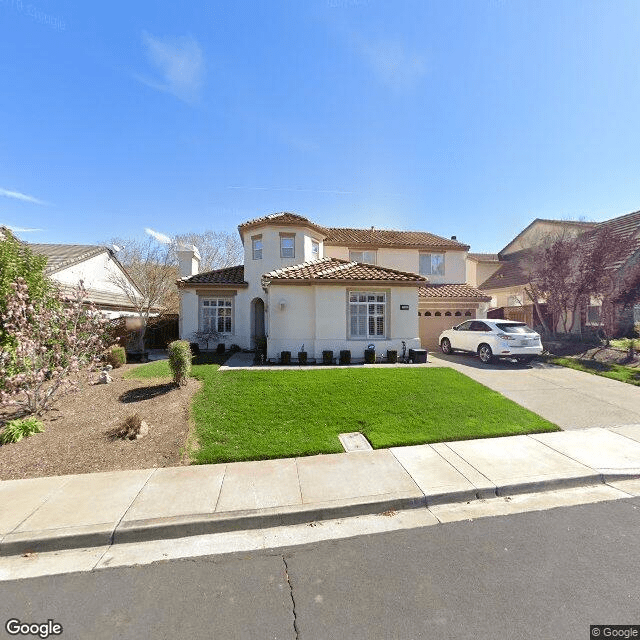
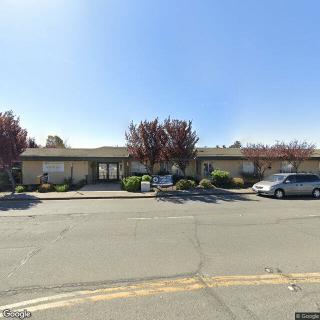
1120 Songwood Road, Vallejo, CA 94591
For more information about senior living options: (866) 208-4318
C & F Senior Care Home Costs & Pricing
C & F Senior Care Home offers competitive rates in comparison to the broader market, with semi-private rooms priced at $4,000 per month and private rooms at $4,500. In Solano County, the average cost for a semi-private room is significantly lower at $2,762, while private rooms average around $3,482. When viewed against the backdrop of California's overall costs - $3,333 for semi-private and $3,939 for private accommodations - C & F Senior Care Home positions itself as a premium option. This pricing reflects not only the quality of care and services provided but also the unique environment and amenities tailored to enhance residents' comfort and well-being.
| Floor plans | C & F Senior Care Home | Solano County | California |
|---|---|---|---|
| Semi-Private | $4,000 | $2,762 | $3,333 |
| Private | $4,500 | $3,482 | $3,939 |
Assisted Living communities with a similar price nearby
-
from -$600 / mo

An Oak Grove Manor
$3,400 to $3,800 / month18.1 miles away -
from -$500 / mo
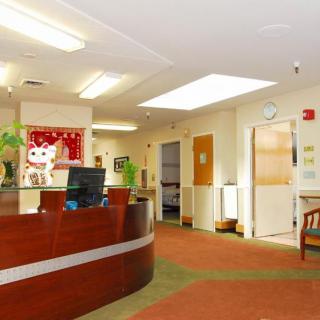
East Bay Assisted Living
$3,500 to $5,000 / month24.4 miles away -
from +$500 / mo
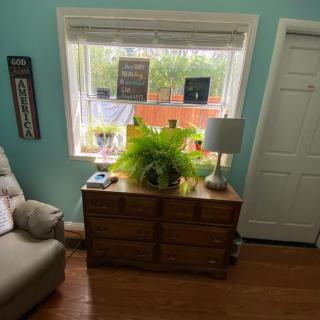
Lafayette Gardens
$4,500 to $5,000 / month18.3 miles away -
About the same
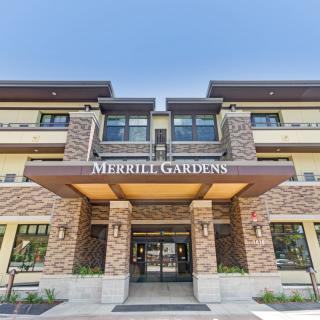
Merrill Gardens at Lafayette
$3,975 to $8,995 / month18.1 miles away -
About the same

The Watermark at Napa Valley
$3,995 to $6,795 / month14.9 miles away
Overall Review of C & F Senior Care Home
Cons
 They did not have the best experience with C & F Senior Care.
- The staff were not as friendly as at the facility they are currently at.
- It seemed that staff took preference over certain residents.
Review
C & F Senior Care Home in Vallejo is best suited for families that are prioritizing a modest, lower-intensity senior living environment where daily life is straightforward and expectations for exceptionally attentive staff are flexible. The available feedback suggests that residents who can tolerate less warmth from caregivers and who are not counting on highly proactive, equitable day-to-day interaction may find the setting workable. This is a facility where routines and supervision exist, but the emotional quality of interactions appears to be a deciding factor, and that choice should align with what matters most to the person moving in.
Explicitly, anyone needing consistently upbeat, uniformly kind staff and transparent, fair treatment across all residents should consider alternatives. The single documented review highlights a perception that staff favored some residents over others, which is a serious red flag for families who value dignity, equity, and dependable engagement. Those requiring robust medical oversight, highly responsive assistance, or specialized memory care should look beyond this option. In short, if warmth, fairness, and strong resident advocacy are nonnegotiable, this community deserves to be passed over in favor of places with clearer, higher standards of daily interaction.
The lack of clearly identified strengths in the feedback means the main drawbacks drive the decision. The most concrete concern is staff demeanor and potential bias, which can erode trust, safety, and a resident’s willingness to participate in activities or accept help when needed. With no standout advantages documented, the negative experiences are unlikely to be offset by subtle conveniences or cost savings. Families must weigh whether a quieter, simpler environment without consistently positive staff relationships is worth the trade-off, or if a different community could deliver steadier warmth, fairness, and engagement.
For families evaluating options, a structured site visit is essential. Before deciding, observe how staff interact with residents during routine tasks, meals, and transitions between activities. Ask about staff-to-resident ratios, shift coverage, and how care plans are communicated and updated. Inquire about oversight mechanisms, complaint handling, and what steps are taken when concerns arise about fairness or responsiveness. Arrange conversations with current residents or their families if possible, and test whether the culture feels supportive rather than transactional. These specifics will reveal whether any perceived negatives can be mitigated by strong management and daily practice.
If considering alternatives, prioritize communities with demonstrable strengths in staff consistency, equitable treatment, and proactive engagement. Look for facilities that publish staff training standards, resident rights policies, and clear complaint-resolution processes. Compare activity calendars, social programming, and transportation options to ensure opportunities for meaningful participation. In Vallejo, it will pay to target places that balance competent care with a culture of respect and warmth, ensuring residents are seen and heard as individuals rather than as numbers in a schedule.
Ultimately, the decision hinges on whether softer factors, daily warmth, fair treatment, and reliable caregiver attention, can be secured. For those who cannot compromise on these elements, the verdict is clear: pursue options with stronger, more consistent staff engagement and a proven track record of equitable care. If the priority is a straightforward, low-maintenance living arrangement and price makes it attractive, proceed with explicit expectations confirmed in writing, but proceed with caution. The right choice will align the resident’s needs for courtesy, attention, and dignity with a community that can deliver it consistently.
 6 resident community capacity
 Assisted Living
 Board and Care Home
 Activities off-site
 Air-conditioning
 Cable or satellite TV
 Devotional services off-site
 Dining room
 Fireplaces
 Full kitchen
 Fully furnished
 Garden
 Ground floor units
 Handicap accessible
 Housekeeping services
 Indoor common areas
 Move-in coordination
 Outdoor common areas
 Private
 Respite or short term stays offered
 Telephone
 Wheelchair accessible showers
 Wi-Fi/high-speed internet available
 24-hour supervision
 Assistance with bathing
 Assistance with dressing
 Assistance with transfers
 Diabetes diet
 Diabetic care
 High acuity care
 Incontinence care
 Meal preparation and service
 Medication management
 Special dietary restrictions
 Transportation arrangement (medical)
 Transportation to doctors appointments
 Catholic services
 Cooking classes
 Day trips and outings
 Happy hour
 Karaoke
 Live musical performances
 Stretching classes
 Wine tasting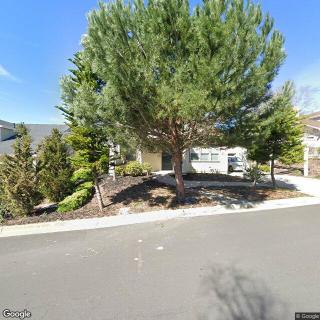
 Excellent access to nearby parks, cafes, pharmacies, restaurants, and hospitals.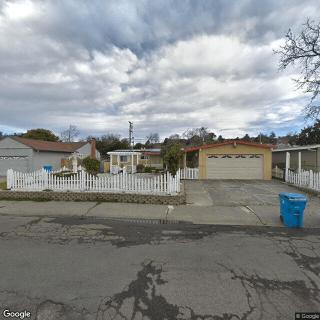

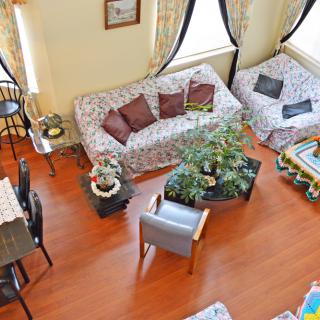

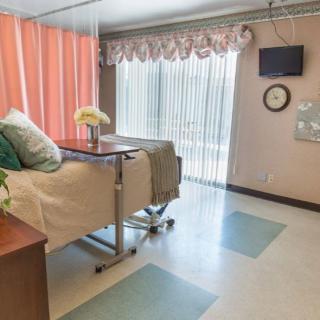
 Comprehensive Insights into Activities of Daily Living (ADLs) and Their Assessment
 Guiding Elderly Parents Who Refuse Assisted Living: 6 Practical Steps
 Your Comprehensive Guide to Luxury Assisted Living: Elevated Facilities, Amenities, and Costs