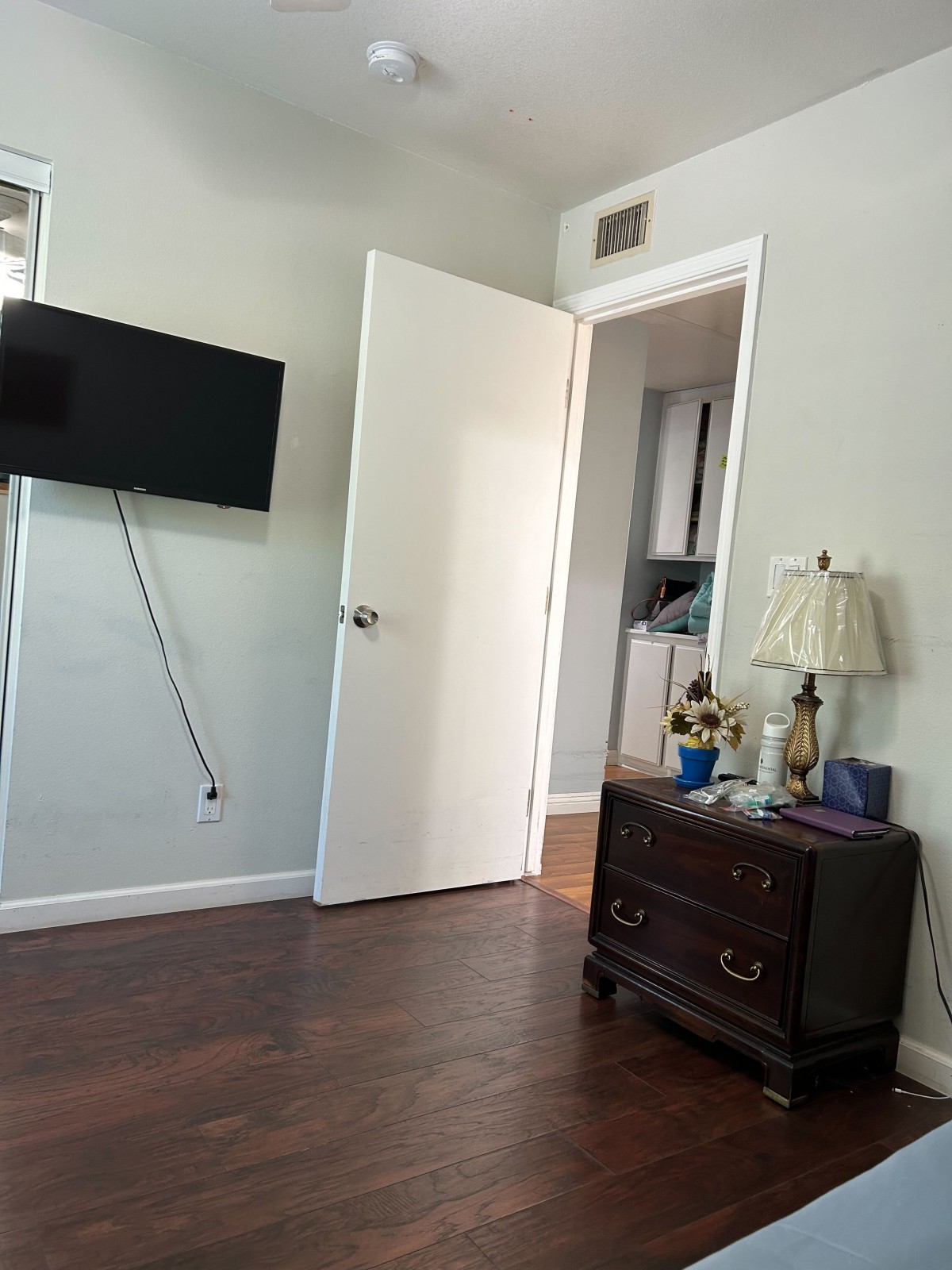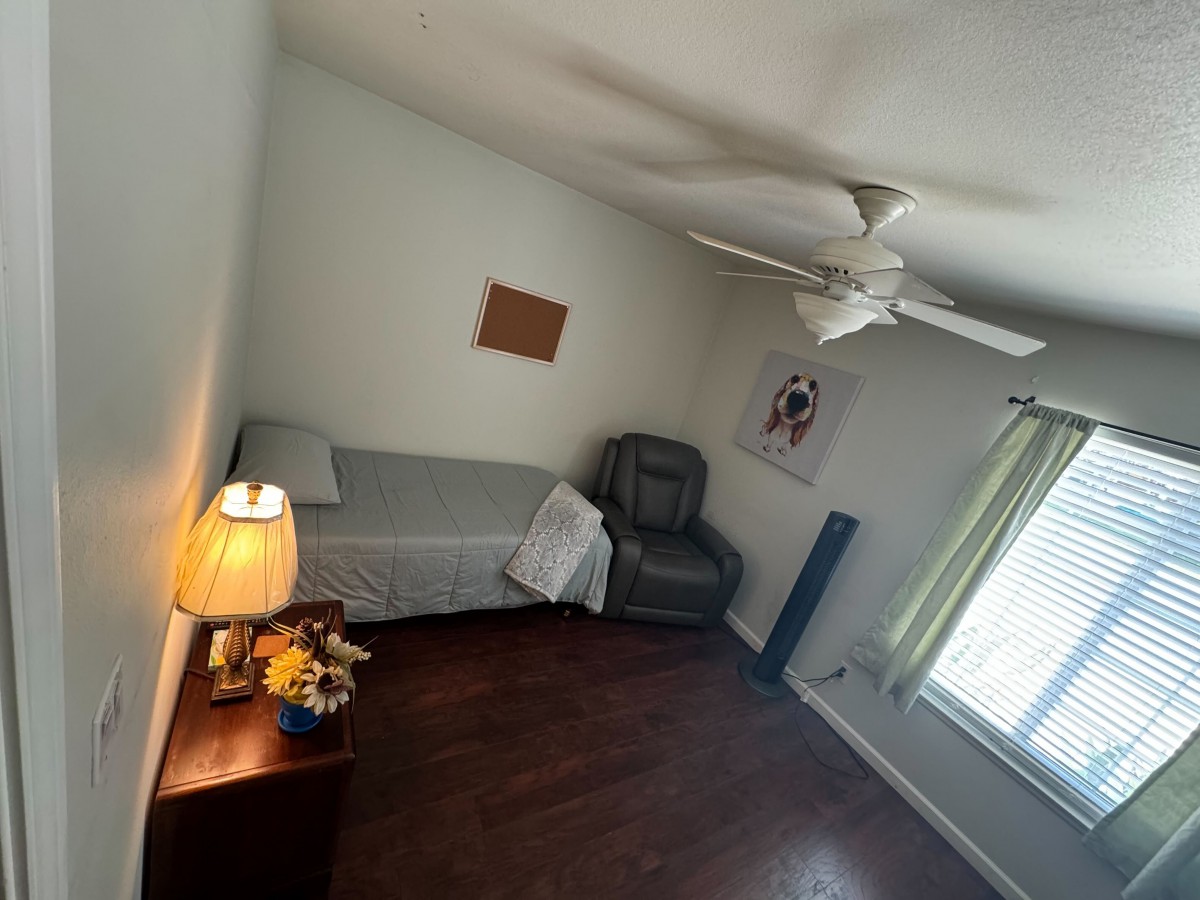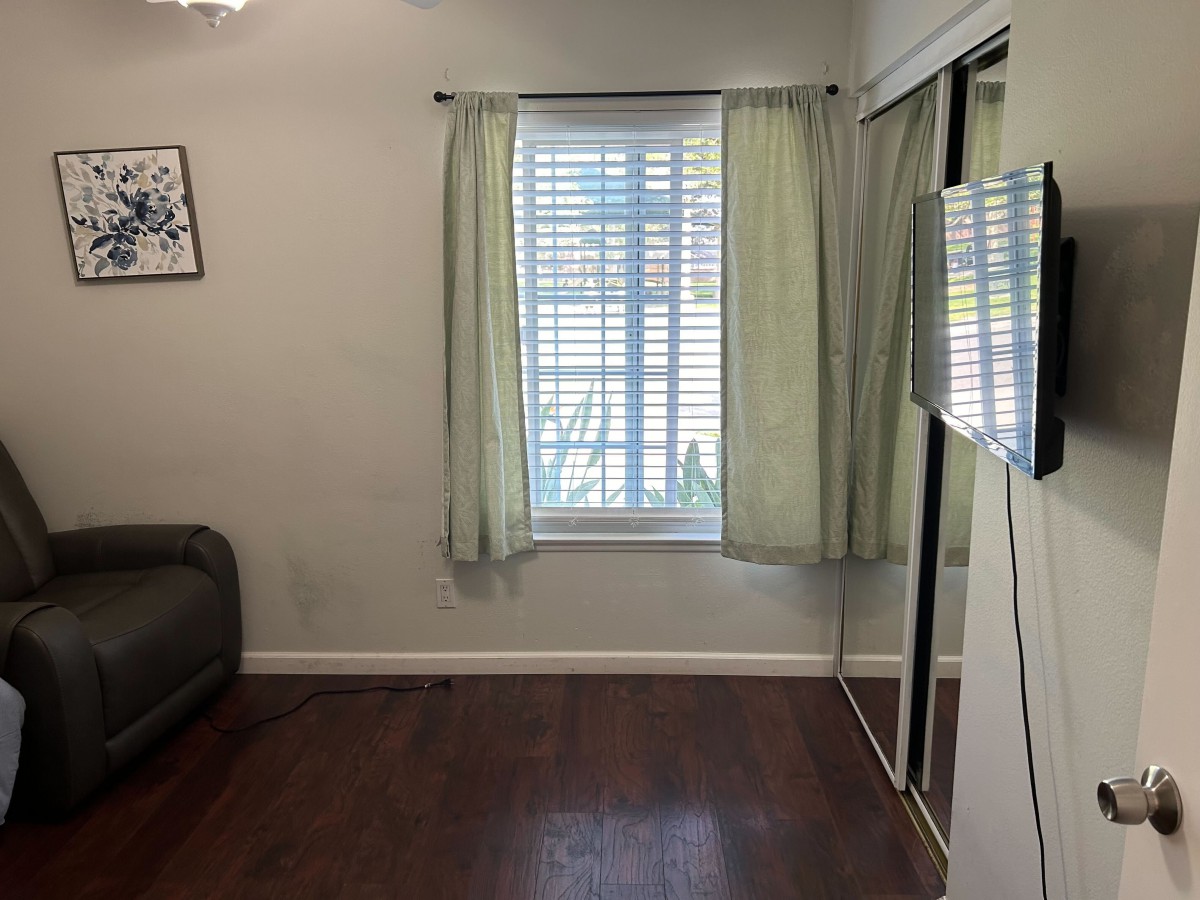
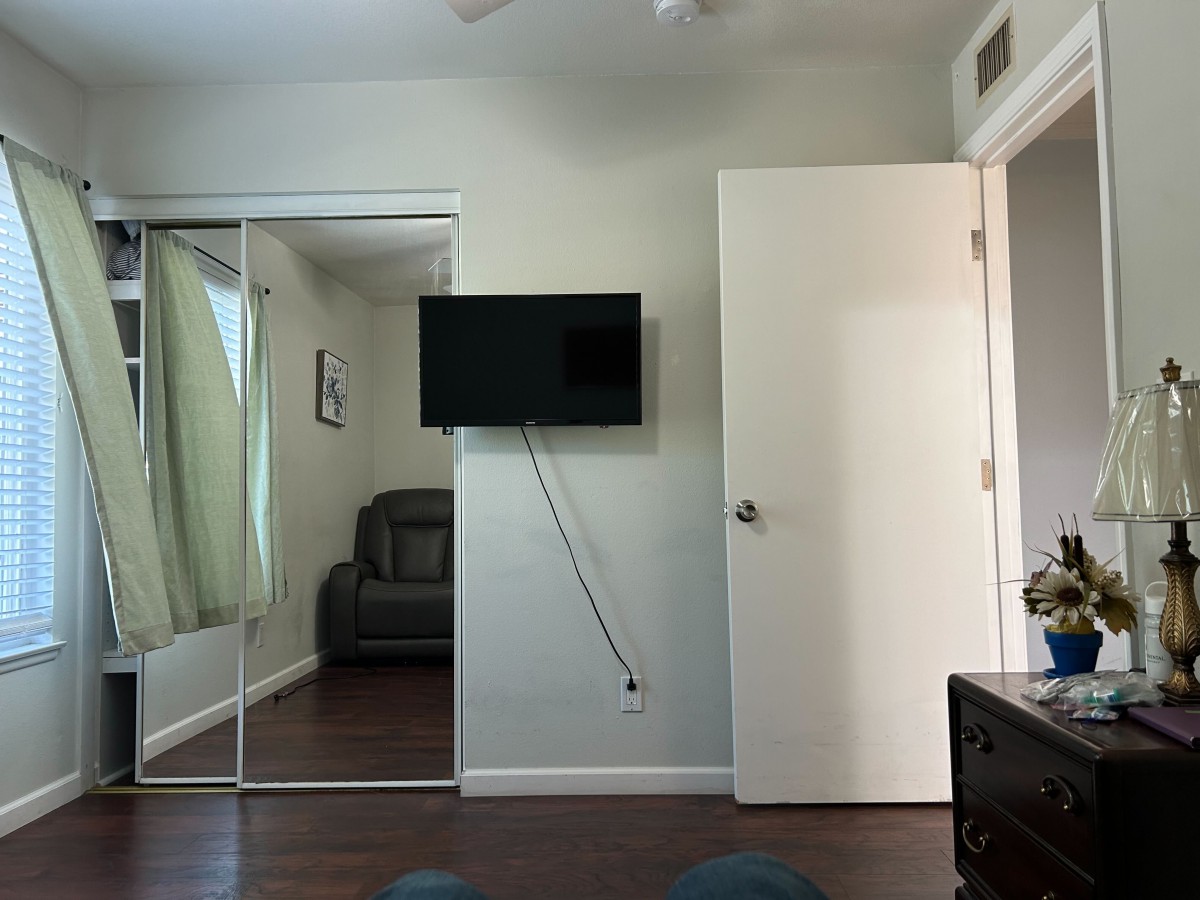
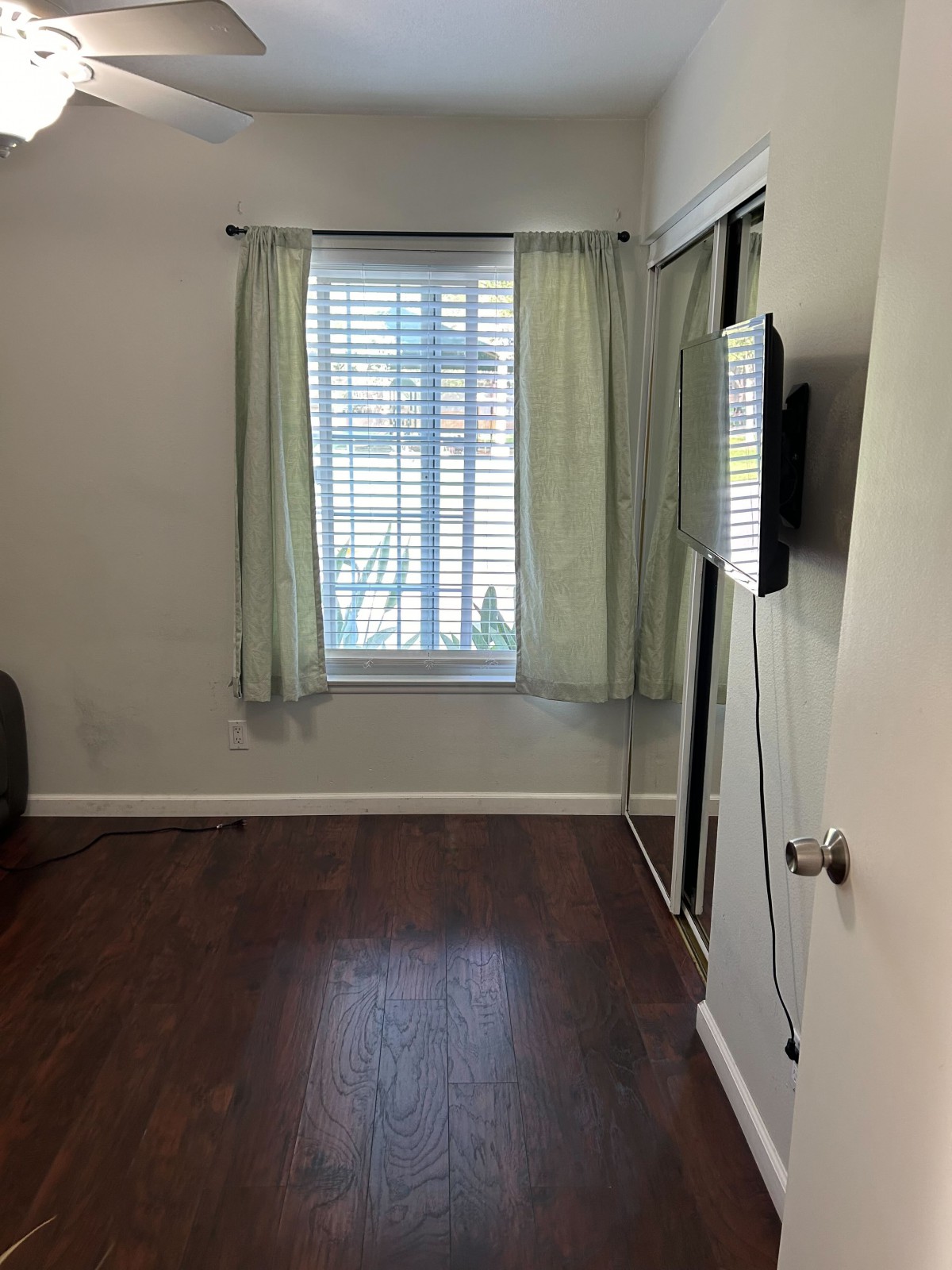
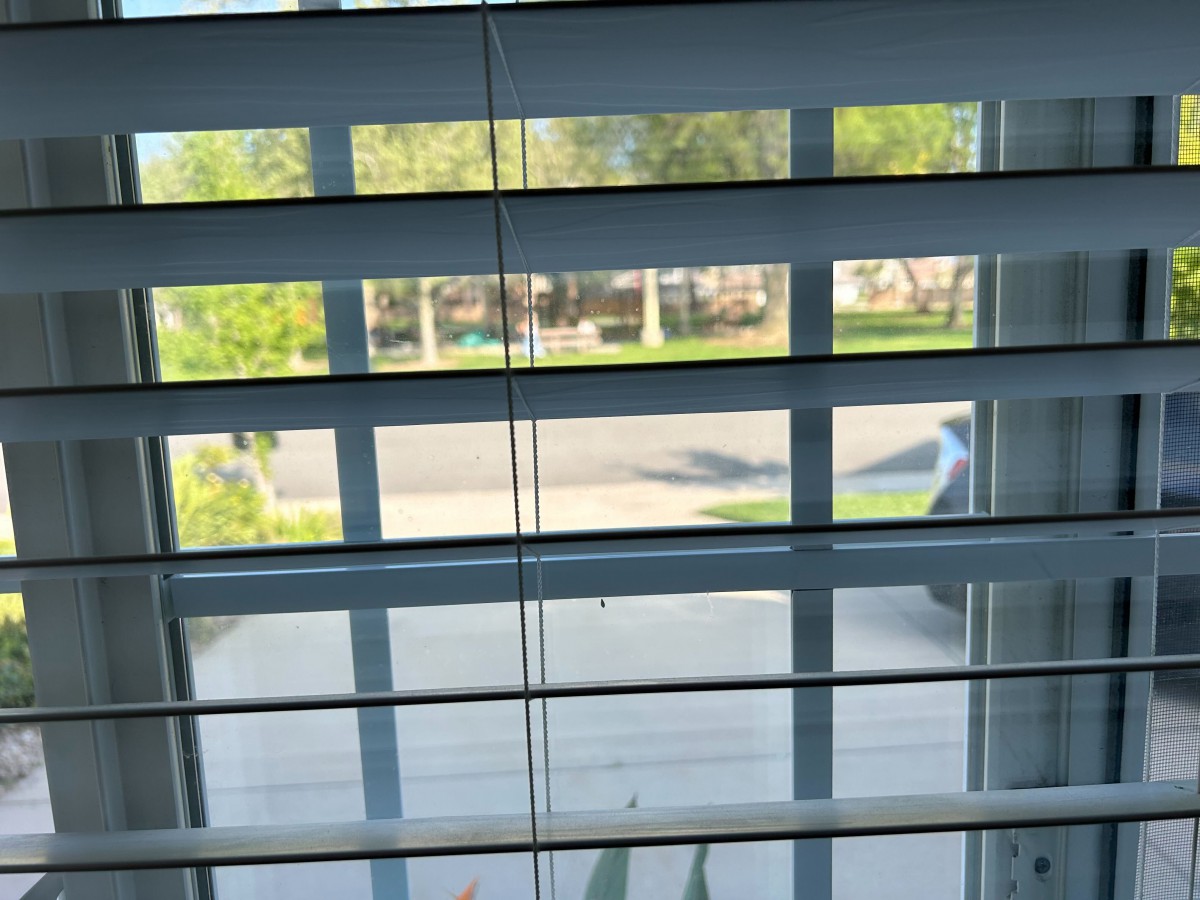
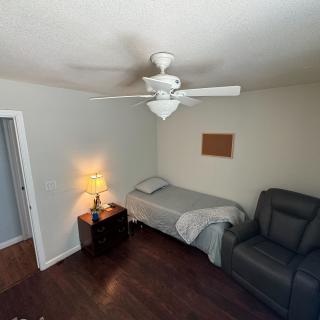
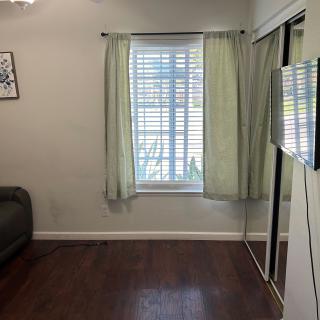
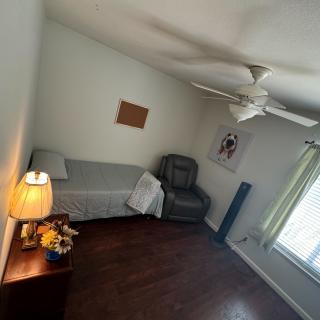
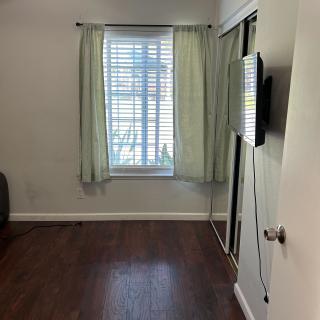
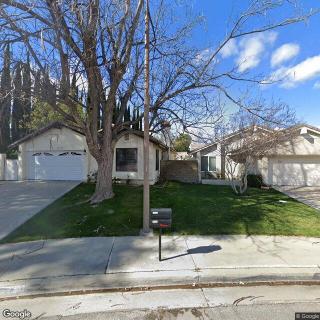
25577 Almendra Drive, Valencia, CA 91355
For more information about senior living options: (866) 208-4318
Overall Review of Maschelle Villa
Pros
 The facility is described as a wonderful, caring place where residents are treated like family.
- The staff provide loving, respectful care to every resident and are consistently kind.
- Eddie and Aida lead with hands-on devotion, making Morning Star Villa feel like home.
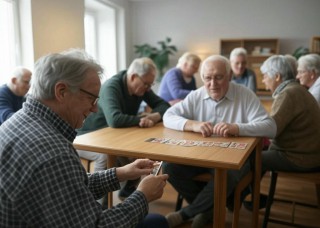
- The care includes nutritious meals, daily walks, and engaging activities that support well-being.
- Families find comfort knowing their loved ones receive dignified, attentive care and are treated like family.
- The environment is clean, well organized, and run with high standards, earning strong overall recommendations.
- It is highly recommended for dementia and Alzheimer's care due to exceptional, compassionate support.
Review
Maschelle Villa in Valencia, California is best suited for families seeking a small, home-like setting where an aging loved one can receive daily assistance with activities of daily living while benefiting from unusually personalized attention. The reviews consistently highlight a warm, family-style atmosphere, and the staff’s ongoing, hands-on involvement. This villa tends to attract families prioritizing meaningful engagement, clear communication, and the sense that caregivers know residents’ names, habits, and preferences. For seniors who thrive on routine, enjoy companionship around a kitchen-table dining style, and benefit from daily mobility activities, the environment aligns well with their needs. The core appeal rests on an intimate, caregiver-led model that makes residents feel valued rather than processed.
Those weighing alternatives should consider whether a larger, more institutional setting would better match the medical or social needs of their loved one. For seniors requiring high-acuity medical oversight, continuous on-site skilled nursing, or intensive rehabilitation services, a traditional skilled-nursing facility or a bigger assisted-living campus may offer more immediacy and breadth of clinical resources. Families seeking formalized programs, broader therapy offerings, or highly structured schedules might find a larger operation more suitable. Also, if visibility into a wider network of specialists and routine, university-style activity calendars are priorities, it may be worth looking beyond this intimate villa. A smaller setting like this tends to trade breadth of services for depth of personal attention.
The strongest pros center on a genuine, family-first caregiving approach. Residents are described as being treated like family, with immaculate cleanliness and consistently nourishing meals prepared onsite. The staff’s tenderness is paired with practical gains: daily walks, chair-based exercises, and accessible activities such as music, which help sustain mobility and mood. The owners’ hands-on management translates into reliable, responsive care; family members repeatedly note easy access to updates and a willingness to adjust care as needs fluctuate. The dining experience, often characterized by home-style meals and a sense of shared “family dining”, further reinforces dignity and belonging. For families dealing with dementia or Alzheimer’s, that combination of warmth, attention, and clear communication can be transformative.
Where the model may present trade-offs, the reviews imply a natural alignment with the villa’s size and philosophy. The most salient potential drawbacks relate to medical capacity and the scale of services. The intimate, home-like setting naturally carries less on-site medical infrastructure than larger communities, which means complex medical management or rapid escalation may require outside coordination. For families prioritizing robust therapy options, rapid access to specialists, or around-the-clock nursing, alternative arrangements could offer more reassurance. The size also suggests a waiting-list dynamic for future admissions, though in practice the warm reputation appears to keep demand high.
These pros largely offset the possible downsides for most dementia-focused, comfort-driven placements. The daily routines, family-style environment, and highly involved ownership create a stabilizing framework that reduces agitation and promotes a sense of belonging, an offsetting force to the absence of a large medical team. Clear, continuous communication with families minimizes uncertainty, while the emphasis on cleanliness, nutrition, and safe, supervised activity builds trust and satisfaction. In moments when health changes occur, the hands-on leadership means care plans can shift promptly, which is a major advantage in memory care and end-of-life transitions.
For families evaluating Maschelle Villa, a practical path is to arrange a visit with the owners, specifically to observe daily routines, speak directly about dementia care protocols, medication management, and the ability to coordinate with outside medical providers and hospice services. Inquire about staffing ratios, how often residents are accompanied on walks or outings, and the cadence of family updates. If preserving a home-like atmosphere, strong personal connections, and flexible, attentive care is the priority, this villa stands out as a purposeful match. If, instead, the need is for intensive medical oversight, rapid access to rehabilitation, or a more expansive activity schedule, alternatives may offer clearer alignment. The decision should hinge on whether the heart of care, trust, accessibility, and daily humanity, meets the family’s essential criteria.
 6 resident community capacity
 Assisted Living
 Cable or satellite TV
 Dining room
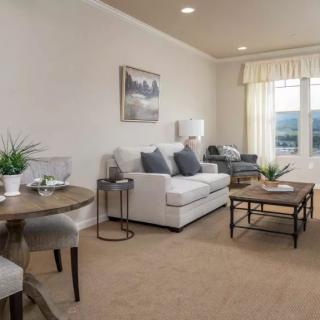
 Fully furnished
 Garden
 Housekeeping services
 Move-in coordination
 Outdoor space
 Telephone
 Wi-Fi/high-speed internet available
 Burbank-Glendale-Pasadena (17 miles away)
 24-hour supervision
 Activities of daily living assistance
 Assistance with bathing
 Assistance with dressing
 Assistance with transfers
 Diabetes diet
 Meal preparation and service
 Medication management
 Special dietary restrictions
 Transportation arrangement (medical)
 Transportation to doctors appointments
 Assisted Living and Memory Care: Understanding Their Core Differences
 Beyond the Bingo Hall: 50+ Enriching Activities for Seniors in Assisted Living
 Understanding the Distinctions: Assisted Living and Memory Care Explained