25421 Via Gracioso, Valencia, CA 91355
For more information about senior living options: (866) 208-4318
Overall Review of A Caring Villa
Pros
 The facility is described as wonderfully caring and highly valued by families.
- The staff care for residents like family and are very kind.
- Eddie and Aida provide loving, dignified care and organize engaging activities.
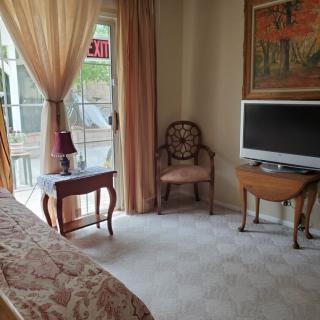
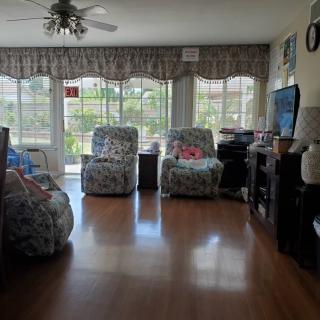
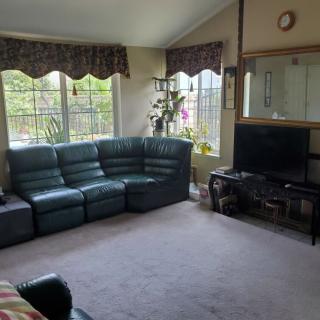
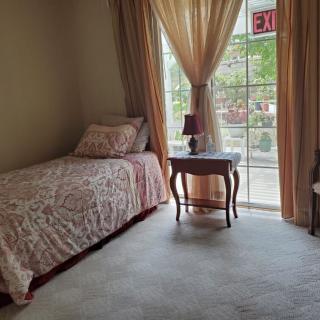
- The home is clean, well organized, and meals are nutritious and well prepared.
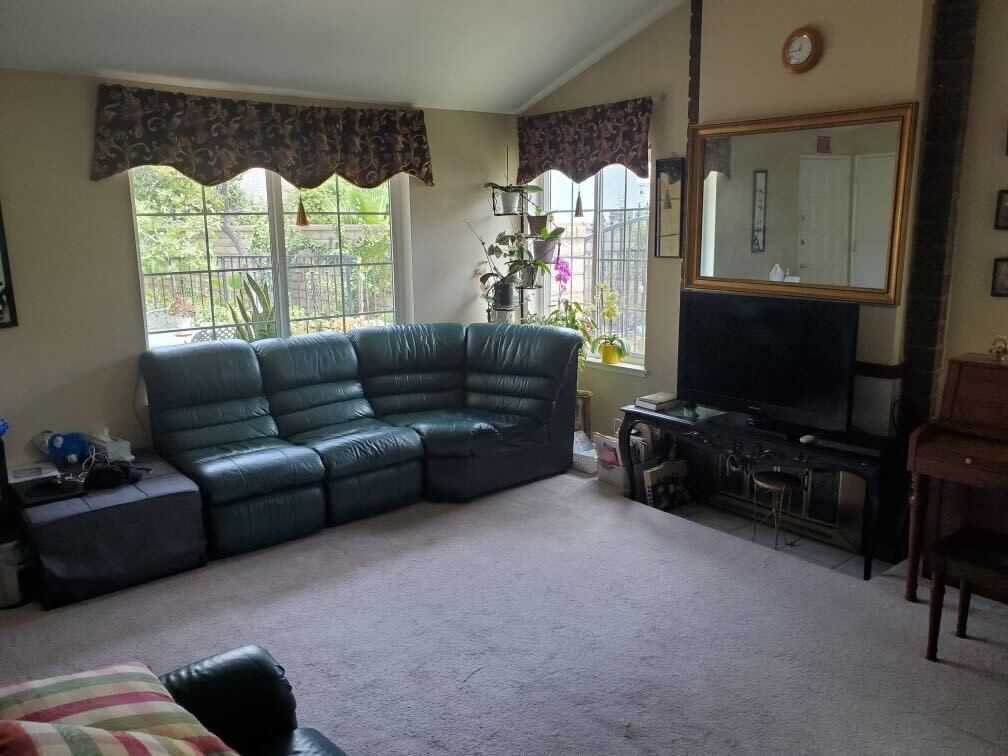
- Morning Star Villa fosters a warm, home-like, family atmosphere.
- Families feel confident recommending Morning Star Villa for dementia and Alzheimer’s care.
- The staff go above and beyond to ensure residents are safe, content, and well cared for.
Review
A Caring Villa in Valencia is best suited for families seeking a truly intimate, home-like living arrangement for a loved one, especially when the priority is personal attention, consistent daily routines, and warm, familial caregiving. This community excels for seniors who thrive on a family atmosphere, clear daily structure, and close, hands-on oversight from the owners. It is particularly compelling for families managing dementia or Alzheimer’s care, as well as those who anticipate end-of-life needs and want hospice coordination handled with compassion and dignity. In short, it serves well those who value emotional closeness, constant communication, and care that feels less like a facility and more like a carefully managed home.
Those who may want to consider alternatives are those whose priority leans toward larger, more clinical environments with on-site medical teams and more extensive, conventional programming. The reviews repeatedly highlight a small, family-run setting, which nearly guarantees superb personal attention but may come with less formal medical coverage, fewer high-tech amenities, and slower admission processes. Families facing complex medical regimens, frequent nurse-assisted interventions, or immediate, round-the-clock clinical needs may find the scale and resources of a bigger community more suitable. Additionally, the waitlist noted by one family suggests that securing a spot could require planning ahead rather than last-minute decision-making.
The strongest pros, unmistakably, are the authentic, almost familial care dynamic and the meticulous human touch. Staff are described as loving and respectful, treating residents like family, with cleanliness in both rooms and common spaces, and meals that are nourishing and thoughtfully prepared. The environment emphasizes dignity, with residents visible in daily routines such as walks, group meals, and gentle activities that keep them engaged without feeling institutional. The owners, hands-on and responsive, build trust through open communication, quick responses to changes in health or feeding needs, and a consistent sense that the family is part of the resident’s daily life. This level of personal accountability can offset the absence of a sprawling staff and formalized care hierarchy by delivering stability, predictability, and emotional security for residents and families alike.
What elevates the experience further is how the care team integrates meaningful activities and social moments into everyday life. Chair exercises, regular strolls, music, and mealtime rituals create a comforting rhythm that many families interpret as genuine quality of life. Residents are described as well cared for physically, clean, well-fed, and engaged, while the home atmosphere feels calm and respectful. For families navigating dementia or Alzheimer’s journeys, the ability to observe consistent routines, feel that staff know the resident’s preferences, and participate meaningfully in care decisions becomes the decisive factor in choosing this option over larger, more impersonal settings.
From a practical decision-making standpoint, prospective residents should visit with a checklist in hand: confirm availability and projected wait times, assess staff-to-resident ratios during peak hours, probe dementia-specific care approaches, and explore how care plans are updated as needs evolve. It also helps to discuss visiting flexibility, transparency of daily schedules, and how family members can participate in meals or activities. While the praise is abundant, the potential trade-off is clear: families must weigh the comfort of a warm, family-run home against the steadier, more formal medical support found in larger communities.
In the end, A Caring Villa (Morning Star Villa) stands out as an outstanding choice for families prioritizing intimate, compassionate, family-style care with a strong emphasis on dignity, cleanliness, and consistent daily life. It is an especially strong fit for dementia care and end-of-life support, where small-scale attention and direct access to owners translate into meaningful reassurance for both residents and families. If the need is for clinical intensity, rapid escalation of medical interventions, or a more expansive amenities ecosystem, alternatives with larger medical teams and more pronounced on-site resources should be considered. For families who want a true sense of belonging and a home that feels like family, this option delivers and then some.
 6 resident community capacity
 Assisted Living
 Board and Care Home
 Cable or satellite TV
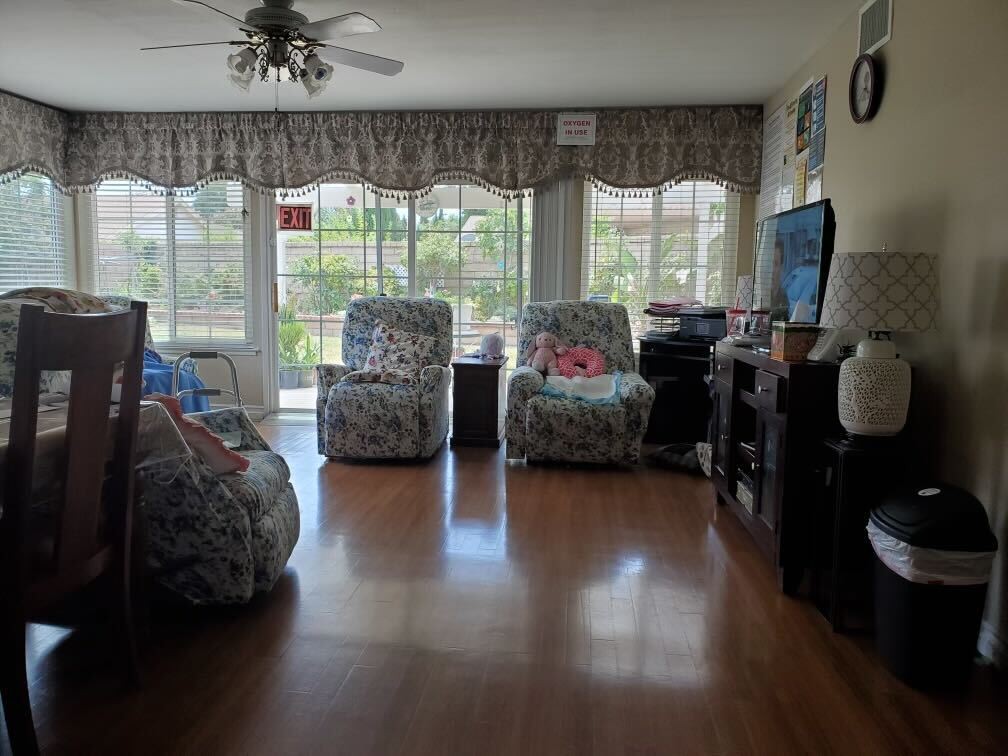
 Dining room
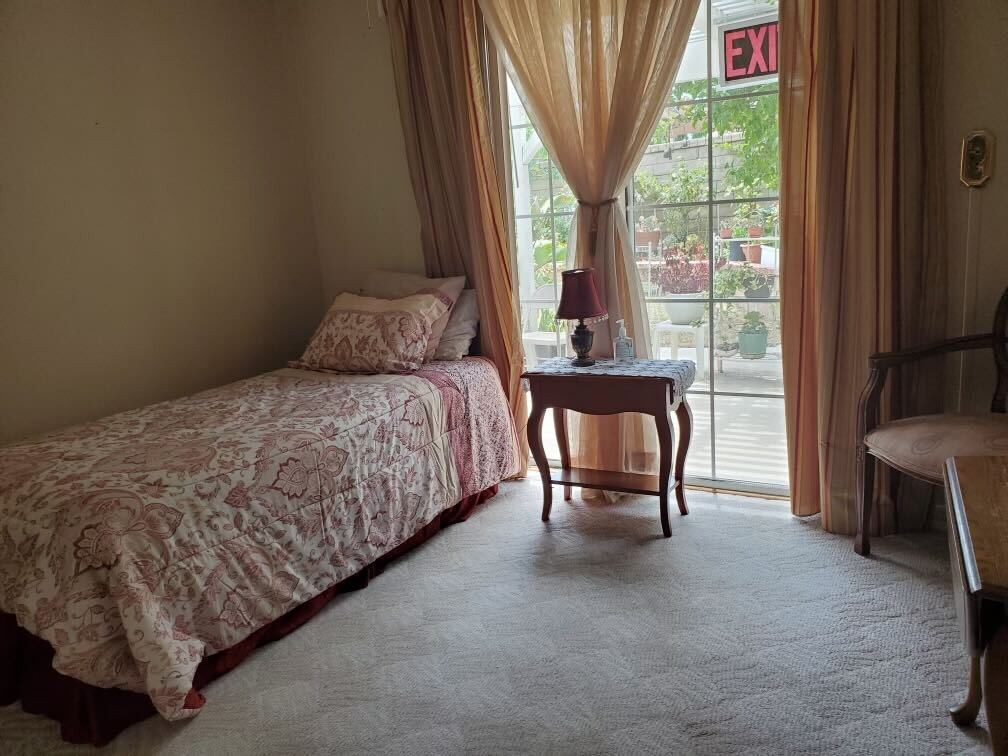
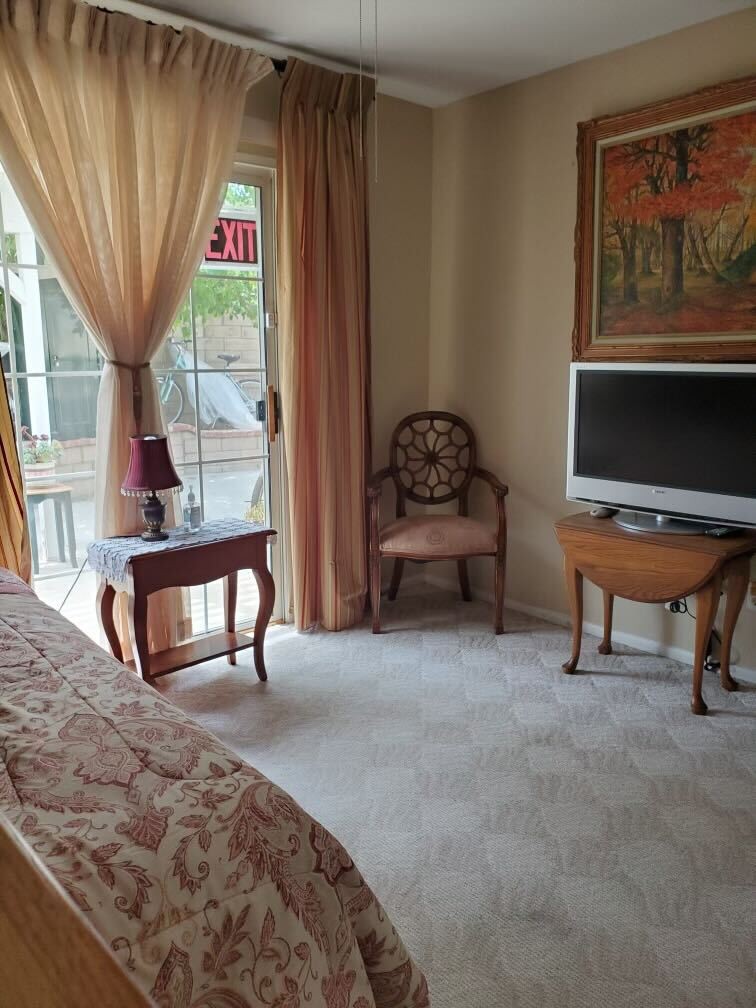
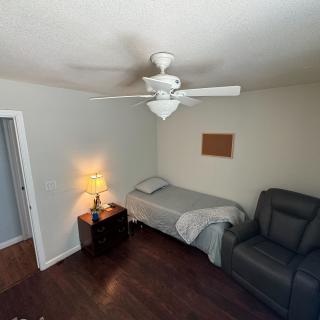
 Fully furnished
 Garden
 Housekeeping services
 Move-in coordination
 Outdoor space
 Telephone
 Wi-Fi/high-speed internet available
 Burbank-Glendale-Pasadena (17 miles away)
 24-hour supervision
 Activities of daily living assistance
 Assistance with bathing
 Assistance with dressing
 Assistance with transfers
 Diabetes diet
 Meal preparation and service
 Medication management
 Special dietary restrictions
 Transportation arrangement (medical)
 Transportation to doctors appointments

 Assisted Living Expenses and Long-Term Care Insurance: A Comprehensive Exploration
 Securing Financial Support for Assisted Living: A Comprehensive Overview
 Social Security Benefits and Assisted Living: Navigating Options Across the U.S.