
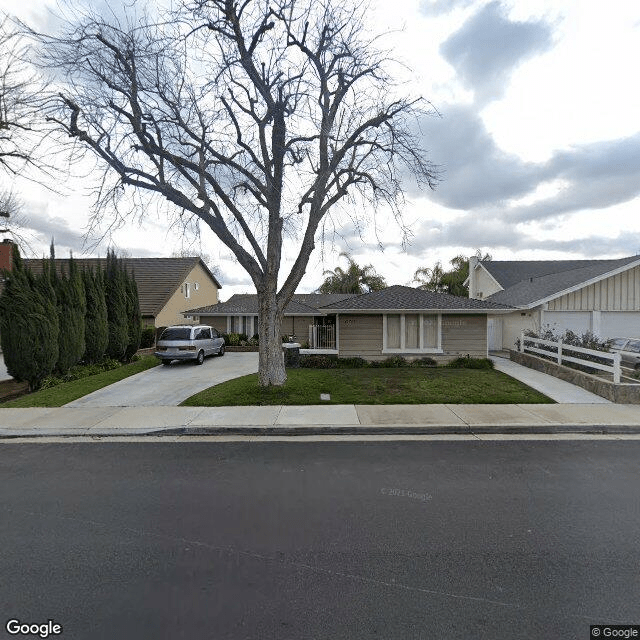
23788 Via Jacara, Valencia, CA 91355
To contact a resident: (661) 254-3336
For more information about senior living options: (866) 208-4318
Home Sweet Home I Costs & Pricing
Home Sweet Home I offers competitive pricing for its room types, particularly in the context of Los Angeles County and the broader California market. The semi-private rooms at Home Sweet Home I are priced at $3,500 per month, which is slightly above the county average of $3,349 but remains close to the state average of $3,333. In contrast, their private rooms are available for $4,000 per month; while this is below the Los Angeles County average of $4,197, it exceeds the state average of $3,939. Overall, these rates reflect a thoughtful balance between providing quality care and remaining competitive within both local and state benchmarks.
| Floor plans | Home Sweet Home I | Los Angeles County | California |
|---|---|---|---|
| Semi-Private | $3,500 | $3,349 | $3,333 |
| Private | $4,000 | $4,197 | $3,939 |
Senior living communities with a similar price nearby
-
About the same
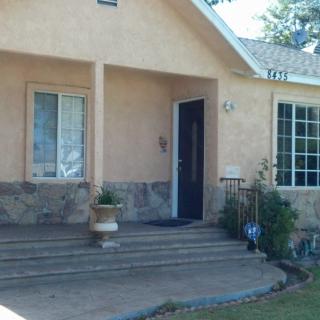
Paradise Senior Living 1
$3,500 to $4,500 / month12.1 miles away -
from -$500 / mo
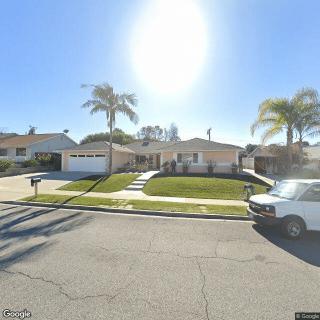
Thousand Oaks Home Care IV
$3,000 to $4,000 / month22.6 miles away -
from -$300 / mo
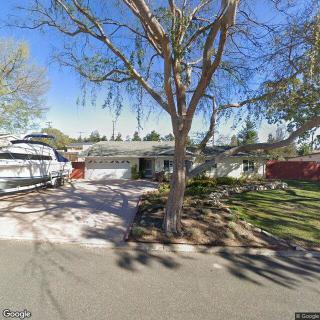
Four Seasons Board & Care Home, Inc.
$3,200 / month22.1 miles away -
from -$500 / mo
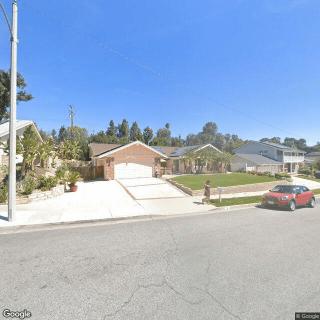
Thousand Oaks Home Care II
$3,000 to $4,000 / month22.7 miles away -
from +$300 / mo
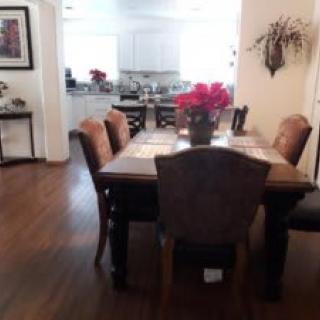
America's Care Manor
$3,800 to $4,000 / month11.7 miles away
Overall Review of Home Sweet Home I
Pros
 They were great.
- They did a wonderful job caring for Pops.
- Most of the staff were extremely friendly and helpful.
- They provide an excellent service to and from medical appointments.
- They are absolutely wonderful.
- The director and caregiver are highly regarded.
- The price is close to home and within their range.
Cons
 Pops was not an easy guy to take care of.
- Some of the staff did not seem to have the same dedication.
- They misplaced her dentures for a while, so she could not always eat the food they served.
- The service provided did not include helping her eat meals that she had trouble with.
- The facility did not seem to want to deal with dementia patients.
- They were real impatient with her behavior.
- They sat her in front of the TV all day without any fluids, unless it was meal time.
- They would not recommend this facility to others.
- They were intolerant of her.
Review
This community is best suited for families seeking a practical, mid-range assisted-living option where dependable transportation to medical appointments and a straightforward care plan can cover many daily needs without the premium price of higher-end facilities. It works best when a resident’s needs are moderate and primarily companionship, meal support, and routine oversight suffice. Review patterns point to a team that, on many days, is friendly, engaged, and responsive, especially when staff leadership is on point, and where residents can enjoy decent meals and clear communication with family. It is not a haven for highly intensive medical oversight or sophisticated memory-care programs, but it does deliver predictable, courteous care for those who don’t require constant, specialized monitoring.
Carefully consider alternatives if dementia or significant behavioral challenges are central to the person’s needs. Several reviews flag a reluctance or impatience with dementia-related behavior and a tendency to disengage, with residents left watching TV for long stretches and limited hydration or interaction beyond meals. For families facing such realities, a facility that emphasizes memory-care specialization, consistent, trained supervision across all shifts, and robust programming tailored to cognitive impairment may be a safer, and more reassuring, choice. Similarly, households seeking a newer building with the latest design features or a higher staff-to-resident ratio may find better fits elsewhere.
The strongest positives here are the human touches and operational logistics that genuinely matter in daily life. Staff members are frequently described as friendly, helpful, and caring, and the facility excels at coordinating transportation to appointments, which relieves family members from day-to-day logistics. Families report feeling kept in the loop, with compassion and genuine concern from caregivers and leadership when interactions go well. For families balancing work, caregiving duties, and finances, these reliable elements, personal warmth, clear communication, and dependable transport, can offset a surprising number of minor glitches and make this a workable choice when full-coverage memory care isn’t required.
Yet the reviews reveal real and recurring gaps that cannot be ignored. Inconsistency across shifts, with some staff showing dedication and others less engaged, can translate into uneven experiences for residents. A director or caregiver’s strong presence clearly elevates the impression; conversely, when the care team drifts, frustrations surface quickly. Misplaced dentures, gaps in feeding assistance, and a perception that meal-related support isn’t guaranteed underscore the risk of relying on this community for meals and daily care without close oversight. These issues are not universal, but they are persistent enough to demand a careful, hands-on assessment before choosing this home.
Location and price are practical pluses that can tilt the decision toward this community for many families. Being near home reduces commute time for visits, and the price point sits within a reasonable range for many households seeking moderate care rather than premium services. The facility’s non-new construction status isn’t a deal-killer for all, but it does mean expectations should be tempered regarding modern amenities and still-robust interior design. Prospective residents should weigh these operational strengths against the unpredictability of care quality on any given shift and the facility’s comfort level with memory-care needs before committing.
The bottom-line guidance is clear. This community is a solid option for families needing reliable appointment logistics, straightforward daily care, and a warm, communicative staff, provided dementia or high-acuity medical needs are not central to the resident’s requirements. Those who prioritize higher-level memory-care programming, consistent high-dedication care across all shifts, or a newer facility should explore alternatives with strong specialty programs and guaranteed cognitive-support services. Before deciding, visit with a specific resident in mind, request a day-long watch of caregiver interactions, review the exact “level of care” included, and confirm how feeding assistance and hydration are managed on a typical day. This approach will reveal whether the positives align with the resident’s needs and ensure a truly informed choice.
 Board and Care Home
 Cats allowed
 Dogs allowed
 Activities off-site
 Devotional services on-site
 Indoor common areas
 Outdoor common areas
 Private
 Private bathrooms
 Respite or short term stays offered
 Wheelchair accessible showers
 Burbank-Glendale-Pasadena (18 miles away)
 Ambulatory care
 Diabetic care
 High acuity care
 Incontinence care
 Kosher
 Adventist services
 Buddhist services
 Islamic services


 Caring for Those Who Care: Recognizing, Understanding, and Overcoming Caregiver Burnout
 Caregiver Exhaustion: Recognizing the Signs and Restoring Your Well-Being
 Understanding Hospice Care at Home: Comprehensive Services, Key Benefits, and Eligibility