
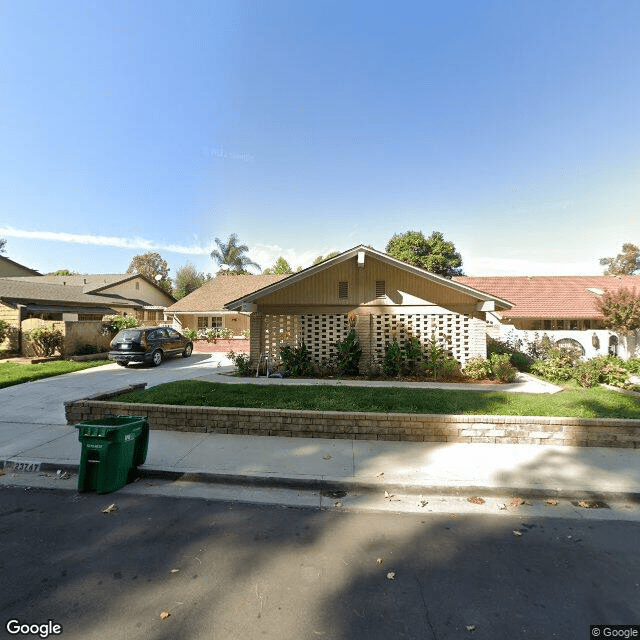
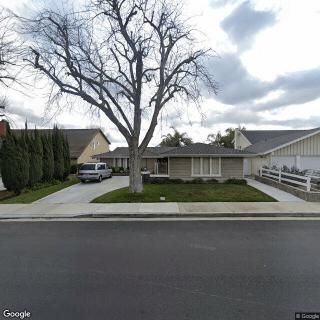
23747 Via Gavola, Valencia, CA 91355
For more information about senior living options: (866) 208-4318
Angel's Caring Home Costs & Pricing
Angel's Caring Home offers competitive pricing for its private rooms at $3,900 per month, making it an appealing option for those seeking quality care in a supportive environment. When compared to Los Angeles County, where the average cost for similar accommodations is $4,197, and to the broader state level of California at approximately $3,939, Angel's Caring Home stands out as a more economical choice without compromising on service. This positioning not only highlights the affordability of Angel's Caring Home but also emphasizes its commitment to providing accessible care tailored to individual needs.
| Floor plans | Angel's Caring Home | Los Angeles County | California |
|---|---|---|---|
| Private | $3,900 | $4,197 | $3,939 |
Assisted Living communities with a similar price nearby
-
from +$600 / mo
Ardenville Home Care I
$4,500 / month17.3 miles away -
About the same
America's Care Manor
$3,800 to $4,000 / month11.5 miles away -
from -$400 / mo
Hollywood Healthy Living
$3,500 to $5,000 / month17.1 miles away -
from +$390 / mo

An Everlasting Spring - Senior Care
$4,290 to $5,577 / month23.3 miles away -
from -$400 / mo

California Senior Of Sherman Oaks
$3,500 to $4,000 / month17.1 miles away
Overall Review of Angel's Caring Home
Pros
 The caregivers at Visiting Angels truly care about clients and go above and beyond to ensure maximum comfort and peace.
- Visiting Angels proved to be the right choice, with loved ones in the best hands.
- The service is great and worth the price.
- Ashley is the best caregiver, and the service is highly satisfactory.
- The caregivers were absolutely amazing, with a perfect fit among star caregivers and shifts always filled.
- Geneva Gray and her staff deliver loving, skilled care with kindness and professionalism, earning wholehearted recommendations.
Cons
 The reviewer accuses Visiting Angels of racial discrimination against African American workers in Los Angeles County, noting a mismatch between claimed diversity and the office management’s Caucasian makeup.
 - The reviewer states the hiring manager was unprofessional and misled them into thinking they had secured a job.
- The reviewer says they will contact Human Resources about racist acts at Visiting Angels.
- The reviewer found the service pricey.
Review
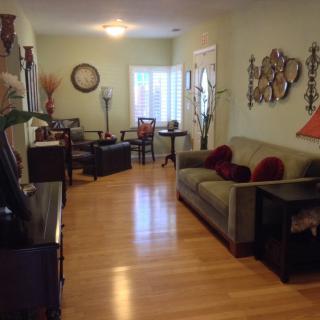
Angel's Caring Home in Valencia, CA is best suited for families seeking a warm, home-like in-home care option where a senior can receive personal, one-on-one attention from a small, attentive caregiving team. The strongest fit is for loved ones who prefer staying in a familiar residence with frequent, individualized support rather than a larger, institutional setting. Families that value direct relationships with a few dependable caregivers, who can adapt to daily routines, prepare meals, assist with bathing and errands, and provide meaningful conversation, will find this option especially compelling. The daily environment is described as comfortable and approachable, with care anchored in the comfort of a house layout and a familiar staff presence.
Alternatives are worth considering for seniors who require round-the-clock medical supervision, highly structured social programming, or a more formal memory-care environment. If 24/7 nursing oversight, secure memory-care features, or large-scale activities programs are non-negotiable, a traditional assisted living or dedicated memory-care community may better meet those needs. The home-based model can also stretch on cost over time if many short visits are needed, so families with tight budget constraints or a need for guaranteed continuous coverage may want to compare options that provide a fixed daily rate or a different staffing model.
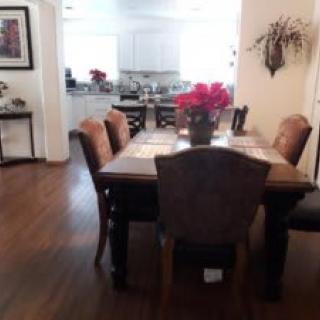
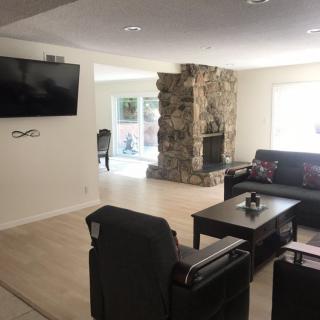
The strongest positives here center on caregiver quality, warmth, and practical reliability. Reviews highlight a standout caregiver who consistently delivers companionship and tangible help with daily tasks, cooking, bathing, and conversation, evidencing a real, personal connection rather than a transactional visit. Families note the caregiver teams as friendly and attentive, with multiple anecdotes praising how residents respond positively to the caregiver’s presence. The location helps too: being close to family and across from a park contributes to comfort and ease of visits, while the house-and-room setup reinforces a sense of hominess rather than clinical detachment. These factors collectively offset some gaps in programming or formal activity schedules.
Despite the clear strengths, several practical drawbacks emerge. Families indicate a desire for more structured group activities, card or game days, and a consistent exercise reminder routine for residents who benefit from movement. The physical property itself is described as welcoming but could use sprucing up, some paint and decor updates would help maintain a brighter, more engaging atmosphere. Importantly, the care model focuses on in-home visits rather than continuous supervision, so schedules tend to begin with a lighter footprint (for example, starting with a single day per week and expanding as needs grow). Understanding these limits is essential before committing, especially for families hoping for a fixed, high-frequency care plan.
To make a well-informed decision, prospective families should verify several specifics upfront. Clarify the usual caregiver-to-resident ratio and whether a primary caregiver is consistently assigned, ensuring continuity of care. Confirm the exact hours available, whether overnight coverage is possible, and how flexible the schedule can be as care needs evolve. Inquire about cost structures, what is included in the rate, and how additional services, like enhanced exercise reminders or group activities, are billed. Ask about opportunities to tailor daily routines, nutrition planning, and social engagement within the home setting, and request a trove of references or recent family feedback to gauge consistency across seasons and staff turnover.
Ultimately, Angel's Caring Home delivers a compelling, intimate option for families prioritizing comfort, personal attention, and a home atmosphere. The strong caregiver relationships, evidenced by praise for individual aides and the overall staff ethos, deliver meaningful peace of mind. For seniors who thrive on familiar surroundings, predictable routines, and deep personal connections, this setting can be a decisive advantage. However, for those requiring constant medical oversight, robust, structured programming, or a facility-style calendar of activities, exploring alternative assisted living or memory-care communities remains prudent. The right choice hinges on balancing the value of one-on-one, home-based care against the need for formal programming and continuous supervision.
 5 resident community capacity
 Assisted Living
 Board and Care Home
 Cats allowed
 Dogs allowed
 Activities off-site
 Cable or satellite TV
 Devotional services off-site
 Dining room
 Fully furnished
 Garden
 Housekeeping services
 Indoor common areas
 Move-in coordination
 Outdoor common areas
 Private
 Private bathrooms
 Telephone
 Wheelchair accessible showers
 Wi-Fi/high-speed internet available
 Burbank-Glendale-Pasadena (17 miles away)
 24-hour supervision
 Ambulatory care
 Assistance with bathing
 Assistance with dressing
 Assistance with transfers
 Diabetes diet
 High acuity care
 Incontinence care
 Meal preparation and service
 Medication management
 Special dietary restrictions
 Transportation arrangement (medical)
 Transportation to doctors appointments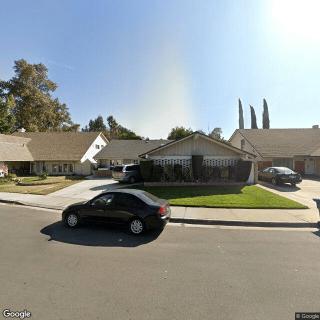
 Senior Transition Services: Understanding Their Role, Cost, and Importance
 Exploring the Path to Senior Living: A Comprehensive Look at Independent Living and Assisted Living
 Is Assisted Living Deductible on Your Taxes? Understanding the Complexities of Assisted Living Expenses and Deductions