
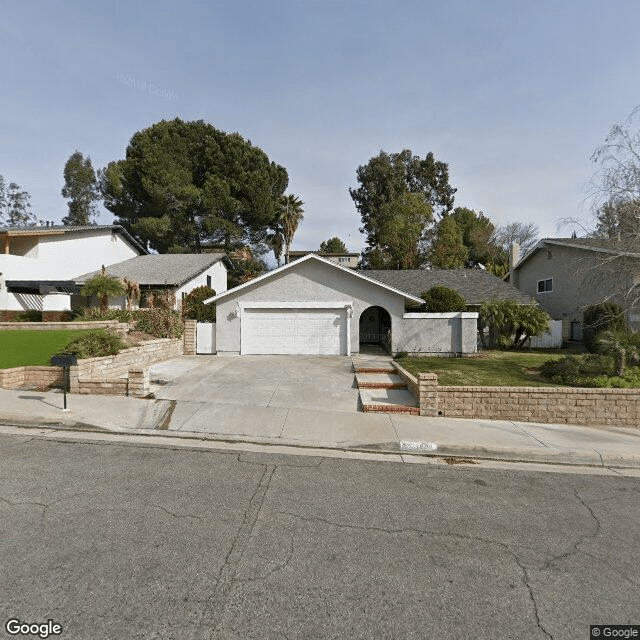
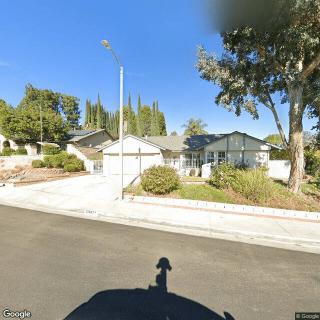
23029 Frisca Drive, Valencia, CA 91354
For more information about senior living options: (866) 208-4318
A-Grace Home Care Costs & Pricing
A-Grace Home Care offers competitive pricing for various room types in comparison to the broader market within Los Angeles County and California as a whole. For a semi-private room, A-Grace charges $3,600 per month, which is slightly higher than the county average of $3,349 and the state average of $3,333. When it comes to one-bedroom accommodations, A-Grace's rate of $4,800 is on par with Los Angeles County's average of $4,603 but exceeds California's average of $4,340 by a modest margin. Interestingly, for private rooms priced at $4,800, A-Grace stands above both local and state averages ($4,197 and $3,939 respectively), suggesting that while their costs may be higher in some categories, they position themselves confidently within a quality-driven care framework.
| Floor plans | A-Grace Home Care | Los Angeles County | California |
|---|---|---|---|
| Semi-Private | $3,600 | $3,349 | $3,333 |
| 1 Bedroom | $4,800 | $4,603 | $4,340 |
| Private | $4,800 | $4,197 | $3,939 |
Memory care communities with a similar price nearby
-
About the same
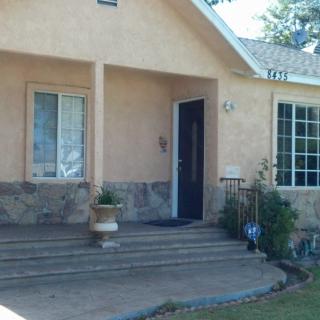
Paradise Senior Living 1
$3,500 to $4,500 / month14.8 miles away -
from +$200 / mo
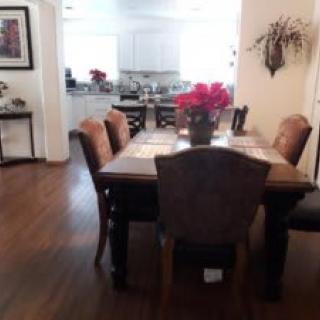
America's Care Manor
$3,800 to $4,000 / month14.3 miles away -
from +$400 / mo
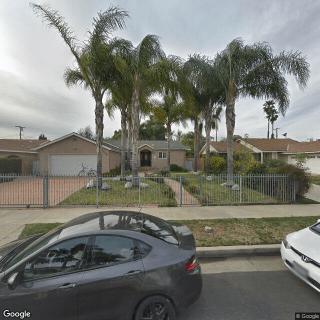
Land of Peace 6
$4,000 to $5,500 / month17.6 miles away -
About the same
Hollywood Healthy Living
$3,500 to $5,000 / month18.8 miles away -
About the same

California Senior Of Sherman Oaks
$3,500 to $4,000 / month19.7 miles away
Overall Review of A-Grace Home Care
Pros
 The administrator is kind and caring toward residents and their families.
- The caregivers are attentive and ready to help residents with their needs, often with a smile.
- Residents seem very happy in their new home.
- Grace Place staff engage in activities and interact with the clients, creating a very happy atmosphere.
- The staff are well trained and consistently meet residents' needs with love, kindness, and patience.
- Residents are respected, loved, and treated as family.
- The administrator reliably communicates with families and keeps them up to date on medical and personal needs.
- Grace Place has become home for the resident's mom, and families are grateful to have found it.
Cons
 One reviewer describes the owner as overbearing and controlling, frequently contacting the family to request changes to medications.
Review
A-Grace Home Care in Valencia is best suited for families seeking a small, home-like setting where care feels personal and staff are deeply engaged with each resident. It works well for seniors who value daily attentiveness, warm interpersonal connections, and frequent, transparent communication with the caregiver team. The setting is intimate enough that staff quickly notice changes in mood or health, and the administrator is described as proactive and accessible, translating into rapid responses to needs and consistent coordination with family members. For families seeking a place that feels more like a caring home than a clinical campus, this community delivers.
Those considering alternatives would be wise if the priority is a larger campus with a broader menu of specialized services, memory care, more robust rehab, or more diverse programming across a wider community. If the resident requires intensive, around-the-clock skilled nursing or a formal medical model with scheduled therapy sessions on the hour, a bigger facility may be a better match. Families who crave strict, routine schedules with a higher degree of regulatory oversight across many residents might also look elsewhere. The strength here is closeness, not scale.
The key strengths center on people: the administrator and owners who are described as kind, responsive, and communicative; caregivers who are attentive, gentle, and motivated to help with daily grooming, dressing, and personal care; and a culture that treats residents like family. Updates arrive via pictures and messages; birthdays and celebrations are celebrated with genuine warmth; there is an emphasis on health monitoring, from blood pressure checks to encouraging hydration and rest. This level of individualized attention helps offset the smaller staff footprint and the intimate setting, so families feel seen and involved rather than left guessing about a loved one’s day-to-day status.
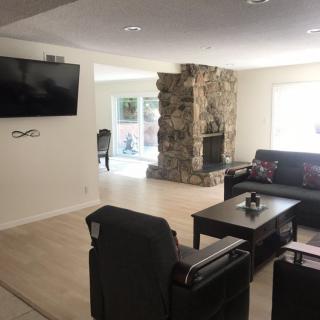
The environment itself reinforces the positives: a well-kept home in a nice area, clean facilities, and a backyard that invites visits and casual conversation. Meals are home-cooked, and activities are woven into daily life, group meals, puzzles, crafts, morning strolls in the yard, so residents stay engaged without feeling institutional. The small community size makes staff-to-resident relationships feel real, and staff go beyond for residents’ histories and interests, crafting personalized moments that make aging at home-like feel authentic. Family visits are welcomed, and special events, including a Christmas party, reinforce the sense of belonging.
One notable caveat is a perception of the owner as overbearing about medication changes, which can feel intrusive to some families. The offset here depends on clear, documented medication management processes and a defined point of contact that aligns with the resident’s physician and family. Another caveat is that the resident’s experience can depend on individual temperament; while many residents thrive, some may find the smaller scale limiting if looking for more program variety or a broader social calendar. The intimate setting makes personalization possible, but it also means offerings are not as expansive as in larger communities.
For families prioritizing heartfelt care, clear communication, and a home-like atmosphere, A-Grace Home Care stands out as a strong fit in Valencia. It rewards involvement and trust, with caregivers who know residents well and administrators who keep families in the loop. If those factors align with the loved one’s needs, especially if companionship and a warm, proactive team matter most, this is a decision that makes sense. If instead a larger campus, broader medical services, or more varied programming is essential, exploring alternatives would be prudent, with a plan to test the fit through visits, conversations with staff, and a review of medication governance practices.
 6 resident community capacity
 Assisted Living
 Board and Care Home
 Memory Care
 Activities on-site
 Air-conditioning
 Bath tubs
 Cable or satellite TV
 Dining room
 Fully furnished
 Garden
 Housekeeping services
 Indoor common areas
 Move-in coordination
 Outdoor common areas
 Private
 Private bathrooms
 Respite or short term stays offered
 Telephone
 Wheelchair accessible showers
 Wi-Fi/high-speed internet available
 Burbank-Glendale-Pasadena (19 miles away)
 24-hour supervision
 Ambulatory care
 Assistance with bathing
 Assistance with dressing
 Assistance with transfers
 Diabetes diet
 High acuity care
 Incontinence care
 Meal preparation and service
 Medication management
 Special dietary restrictions
 Transportation arrangement (medical)
 Transportation to doctors appointments
 Art classes
 BBQs or picnics
 Birthday parties
 Cooking classes
 Day trips and outings
 Live musical performances
 Protestant services
 Stretching classes




 Understanding Dementia Through Its Seven Stages: A Comprehensive Look at Progression and Expectations
 Safeguarding Your Memory Through the Golden Years: Eight Ways to Preserve Cognitive Health
 Comprehensive Insights into Activities of Daily Living (ADLs) and Their Assessment