
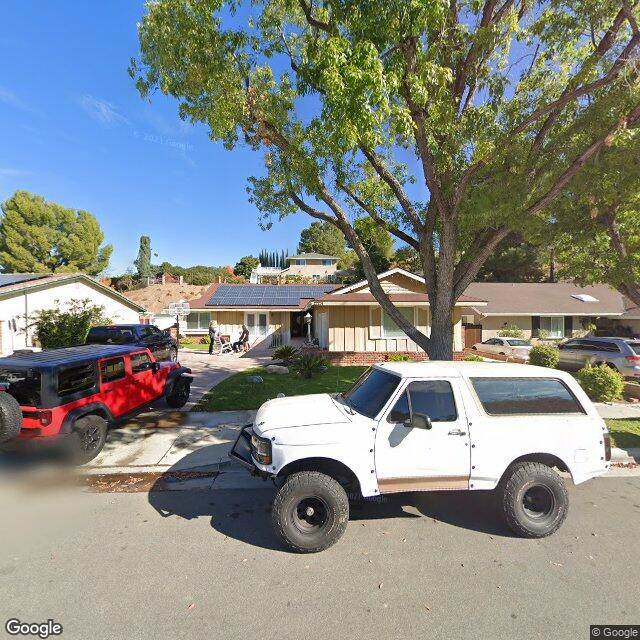
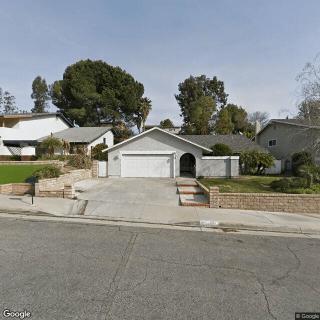
22231 Barbacoa Drive, Santa Clarita, CA 91350
For more information about senior living options: (866) 208-4318
A Safe Haven Costs & Pricing
A Safe Haven offers competitive pricing for its semi-private accommodations at $3,100 per month, which is notably lower than the average costs in Los Angeles County and throughout California, where prices stand at $3,349 and $3,333 respectively. This cost efficiency positions A Safe Haven as an attractive option for individuals seeking quality care without the financial strain often associated with similar facilities in the region. By providing essential services in a supportive environment at a lower rate than many of its counterparts, A Safe Haven demonstrates a commitment to accessibility while maintaining high standards of care and comfort for its residents.
| Floor plans | A Safe Haven | Los Angeles County | California |
|---|---|---|---|
| Semi-Private | $3,100 | $3,349 | $3,333 |
Assisted Living communities with a similar price nearby
-
from -$350 / mo
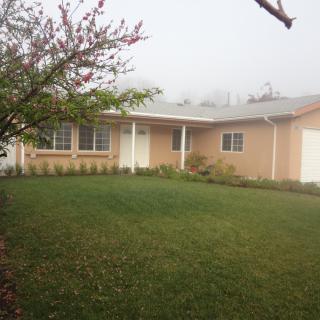
Dignity Care Home 1
$2,750 to $4,150 / month14.4 miles away -
from +$400 / mo
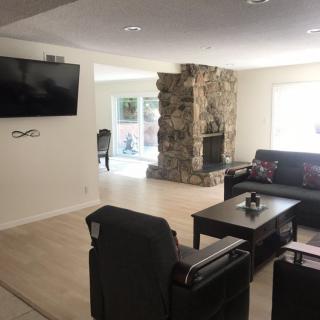
Hollywood Healthy Living
$3,500 to $5,000 / month18.5 miles away -
from +$400 / mo

California Senior Of Sherman Oaks
$3,500 to $4,000 / month19.5 miles away -
from -$100 / mo
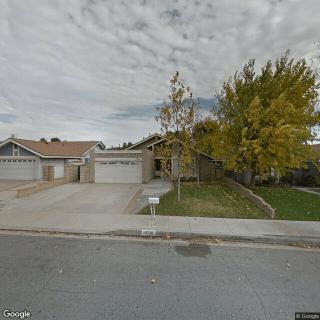
Bridges Of Hope & Love 3
$3,000 to $3,500 / month1.4 miles away -
from +$400 / mo
Assisted Comfort Home
$3,500 to $6,000 / month19.5 miles away
Overall Review of A Safe Haven
Pros
 The facility is wonderful.
- The care is excellent.
- The staff are fantastic.
- The staff are extremely loving and caring.
- The professional staff provides exceptional care.
- They treated him with love and respect.
- The staff provided wonderful, kind care.
- The staff took excellent care of the resident.
- The care home is clean, bright, and friendly, with loving, attentive staff.
- The staff communicated with the family regularly.
Review
A Safe Haven in Santa Clarita is best suited for families seeking dementia-focused, highly personalized care in a warm, home-like setting. The facility operates as a private residential home owned by a registered nurse, which translates into hands-on clinical oversight and a culture of professional attentiveness. Reviewers describe staff as extraordinarily caring, loving, and responsive, with consistent updates on medical changes and a transparent approach to each residentā€™s evolving needs. The environment is repeatedly characterized as clean, bright, and welcoming, with residents treated as part of the family rather than as anonymous clients. For families prioritizing trust, continuity, and intimate attention, this setting offers a compelling, wholeheartedly human option.
Those weighing alternatives should consider facilities that are larger in scale and designed to deliver more formal programming or broader medical coverage. A bigger assisted living or dedicated memory care community often provides robust activity calendars, 24/7 nursing presence, on-site therapists, and less dependence on appointment-based visits. If a resident requires complex medical equipment, multiple concurrent therapies, or a bustling social life, a scaled-down private residence could feel limiting. In short, this choice excels in warmth and individualized attention but may not match the breadth of amenities and services found at larger campuses.
The principal strengths, exceptional care, a loving staff, and a genuine family atmosphere, more than offset potential drawbacks intrinsic to small, private settings. The RN ownership lends credibility on medical decisions and care plans, while staff consistently updates families on health changes, which is crucial for dementia care. The continuity of relationships means residents are known well by caregivers, reducing confusion and enabling more meaningful, dignified days. Peace of mind comes from visible dedication, predictable routines, and transparent communication, all of which counterbalance any sense of limited programming with a sense of safety and belonging.
Another major virtue is the depth of caregiver-resident relationships. Families repeatedly report staff who treat residents with real warmth, respect, and love, describing the care as almost familial. The ability to visit and participate in care discussions, alongside regular updates, helps families stay connected and involved, a core comfort when navigating dementia caregiving. Yet the smaller scale naturally means fewer on-site activity options and fewer specialized therapy modalities than larger communities. For families who equate quality care with personal attentiveness and steady, compassionate interaction, these limitations are a fair trade for the intimate, people-centered approach.
Decision-makers should approach this option with a focused checklist. Confirm the level of medical oversight, including whether an RN is on site and how care plans are updated in response to changing symptoms. Inquire about staff-to-resident ratios, emergency protocols, and communications protocols to ensure timely updates during crises. Clarify visitation policies, appointment-based access can work for some families but may feel restrictive for others, and determine whether spontaneous visits are possible. Probe how the home adapts to escalating dementia needs and whether end-of-life or palliative support can be coordinated if necessary. Meeting the owners and frontline caregivers offers essential insight into whether the described compassion and professionalism hold in practice.
Bottom line: for families prioritizing a warm, home-like environment with strong clinical oversight and deeply personal care for dementia, A Safe Haven delivers a rare, highly compelling option. It is especially well suited for residents who thrive on consistent routines, meaningful staff relationships, and ongoing family involvement. Those seeking expansive campuses, bustling activity calendars, or extensive in-house medical services may find alternatives more aligned with those preferences. Prospective families should arrange a visit, meet the RN owner, and discuss care planning for evolving needs, ensuring alignment between expectations and the practical realities of this intimate, high-touch setting.
 6 resident community capacity
 Assisted Living
 Board and Care Home
 Cable or satellite TV
 Dining room
 Fully furnished
 Garden
 Housekeeping services
 Move-in coordination
 Outdoor space
 Telephone
 Wi-Fi/high-speed internet available
 Burbank-Glendale-Pasadena (19 miles away)
 24-hour supervision
 Activities of daily living assistance
 Assistance with bathing
 Assistance with dressing
 Assistance with transfers
 Diabetes diet
 Meal preparation and service
 Medication management
 Special dietary restrictions
 Transportation arrangement (medical)
 Transportation to doctors appointments

 Comprehensive Insights into Activities of Daily Living (ADLs) and Their Assessment
 Guiding Elderly Parents Who Refuse Assisted Living: 6 Practical Steps
 Your Comprehensive Guide to Luxury Assisted Living: Elevated Facilities, Amenities, and Costs